If microfiber is a top performer in bionic leather technology, then sea-island fiber technology is the "genetic code" that determines its performance limit.
In the previous issue, we unlocked the birth and evolution of microfiber. This issue focuses on its core technology — sea-island fiber.
1、The "Sea-Island" Metaphor
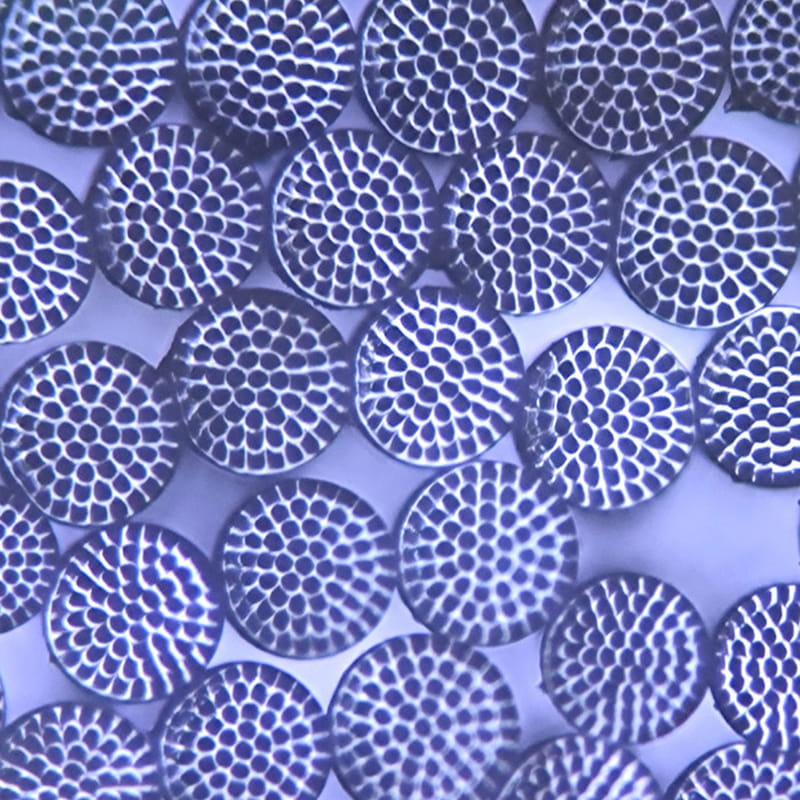
"Sea-island" is a vivid metaphor. The core principle: a composite fiber formed by the sea component wrapping the island component. This is the key reason why microfiber features a delicate hand feel and durable texture.
Simply put: like countless islands scattered in the ocean, sea-island fiber consists of a "sea-like component" encapsulating "island-like components", which merge into a complete single fiber.
2、 Fixed-Island vs. Variable-Island
Sea-island fiber mainly follows two technical routes: fixed-island and variable-island. The core difference lies in whether the number of island components is fixed.
● Fixed-island method: The number of "islands" is fixed (e.g., 36 islands, 48 islands). The fiber diameter and texture are more uniform, resulting in stable microfiber quality with better hand feel and durability. It is suitable for high-end products (e.g., luxury shoes & bags, automotive interiors). Top-quality dyed suede prefers the fixed-island process.
● Variable-island method: The number of "islands" is random and varies in size without uniform specifications. Microfiber produced by this method is slightly inferior in quality, suitable for mid-to-low-end products with cost performance.
3、Fiber Opening Methods
Converting sea-island fiber into microfiber material requires four key processes, with the final step being critical: the fiber opening method defines the microfiber category.
1.Spinning: Melt raw materials of "sea component" and "island component", and extrude composite filaments to build the foundation of the "sea-island structure".
2.Needle punching: Entangle filaments into a dense non-woven fabric to form a net-like skeleton, enhancing the tenacity of microfiber.
3.Impregnation: Immerse the non-woven fabric in PU material to fill gaps between fibers, shaping the full texture and determining the softness or hardness of microfiber.
4、Reduction & fiber opening: Remove the "sea component" and retain ultra-fine "island component" fibers to form the microfiber skeleton. The opening method (toluene, alkali, water) directly categorizes microfiber into toluene-based, alkaline-based, or water-force microfiber. Among them, waterForce microfiber is the most eco-friendly mainstream choice and the premium option in fiber opening processes.
IV. Water-Force Fiber Opening + Water Impregnation
Brand buyers prioritize stable quality and environmental friendliness, making the combination of fixed-island water-Force fiber opening + water impregnation the optimal solution.
1. Fixed-island water-Force fiber opening: Delivers stable quality and uniform fibers, ensuring consistent hand feel and durability with lower batch variation.
2. Water impregnation: Uses water instead of traditional organic solvents, being more eco-friendly and odorless, meeting current environmental regulations.
3. Combined advantages: This pairing ensures stable microfiber quality while meeting eco-standards, making it the mainstream configuration for high-end microfiber and the first choice for downstream brands.
5、WaterForce、WaterOnly
WaterForce and WaterOnly microfibers stand out for their remarkable advantages, rooted in their base material — fixed-island water fiber, guaranteeing microfiber quality from the source.
1. Uniform fibers: Fixed number of "islands" and consistent diameter eliminate inconsistent hand feel and quality fluctuations.
2. Compatible with water impregnation: The uniform fiber skeleton allows full penetration of water PU, delivering finer hand feel, higher durability, and better eco-performance.
3. Hassle-free selection: These two waterForce microfiber technologies eliminate the need for brands to screen base materials, directly providing high-quality, eco-friendly waterForce microfiber.
WaterForce and WaterOnly microfibers completely abandon traditional toluene and strong alkali processes, representing a revolutionary breakthrough in the microfiber industry. They have attracted great attention from brands and microfiber manufacturers since launch.
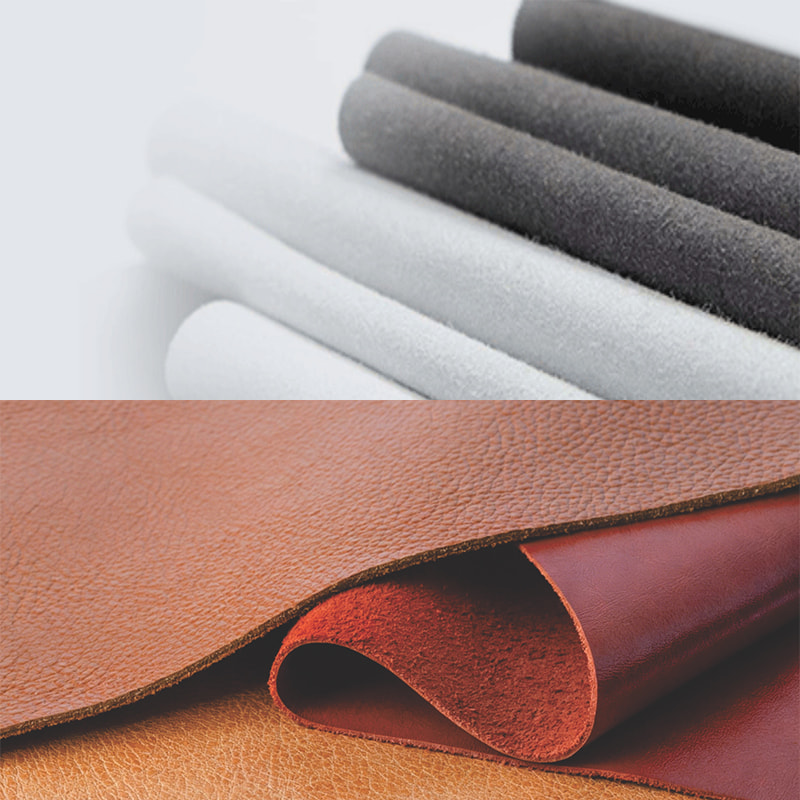
—— Decoding the Core Technologies of WaterForce and WaterOnly Foreword For downstream brands engaged in product selection, microfiber is a frequently mentioned term. Often hailed as the best alternative to genuine leather, it boasts more stable performance and greater environmental advantages than r...
READ MORE
Introduction to Water-Soluble Sea-Island Fiber What is Water-Soluble Sea-Island Fiber? Water-soluble sea-islan...
What is Water-Soluble Island-in-the-Sea Fiber? Water-Soluble Sea-Island Fiber is a breakthrough material in th...
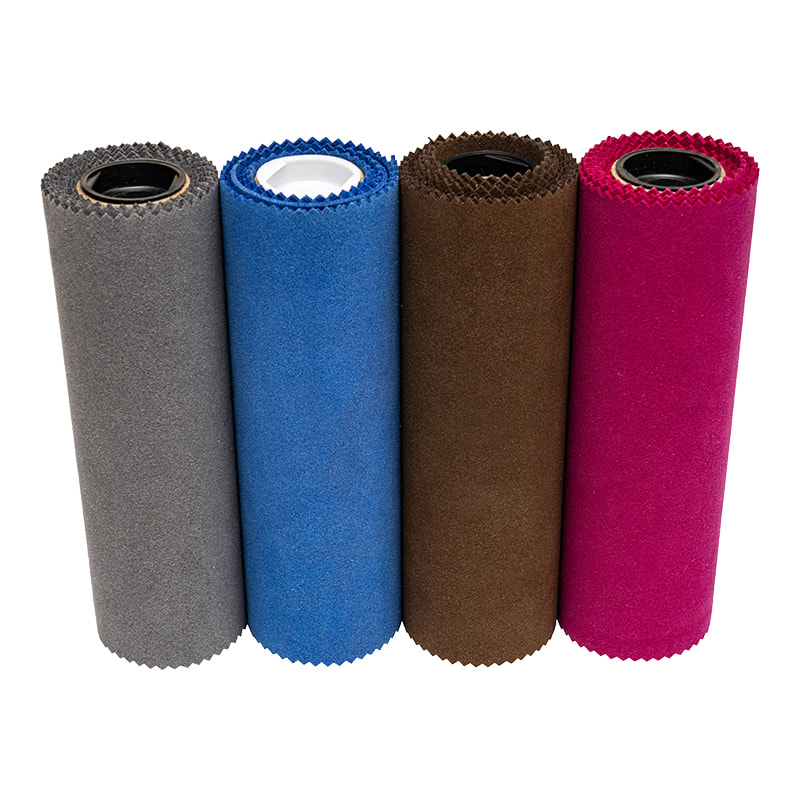
Introduction of Water-Force Microfiber Fabric What is Microfiber Fabric? Microfiber fabric is a type of textil...
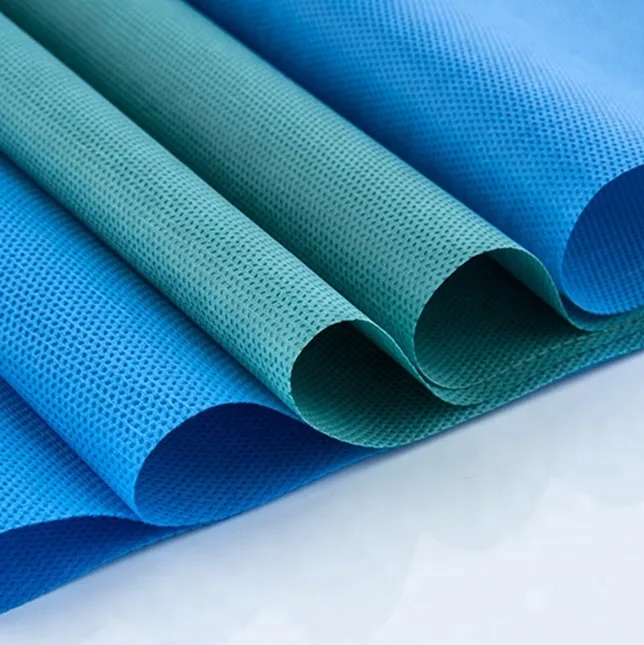
Introduction Water-soluble sea-island fiber nonwoven fabric is a groundbreaking innovation in the textile indu...
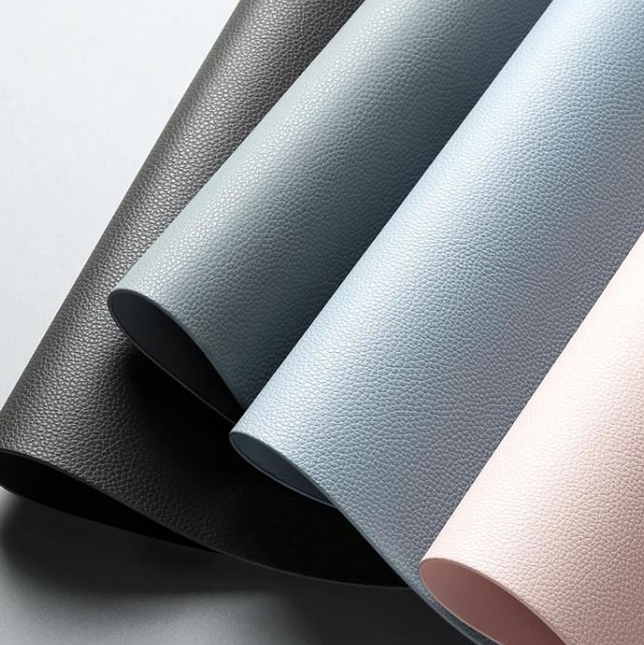
What is Water-Soluble Sea-Island Fiber? Definition and Basic Structure Water-soluble sea-island fiber is a spe...
LEMONTA Technology (ShangHai) Co., Ltd. All Rights Reserved. ALL RESERVED.
 Custom Bio-Based Water-Soluble Polyester Fiber Manufacturers
 英语
英语 中文简体
中文简体