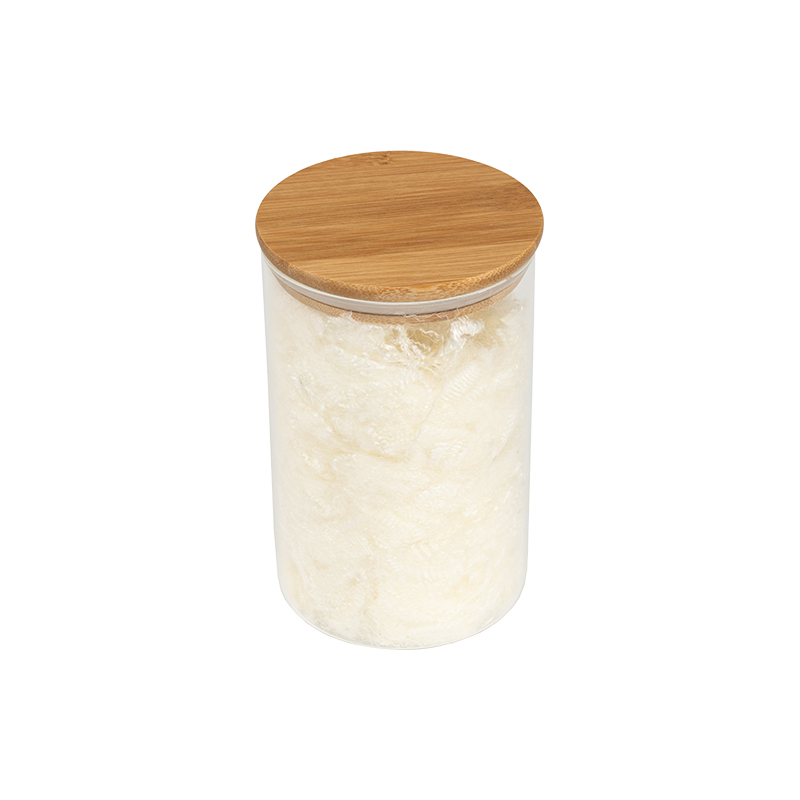
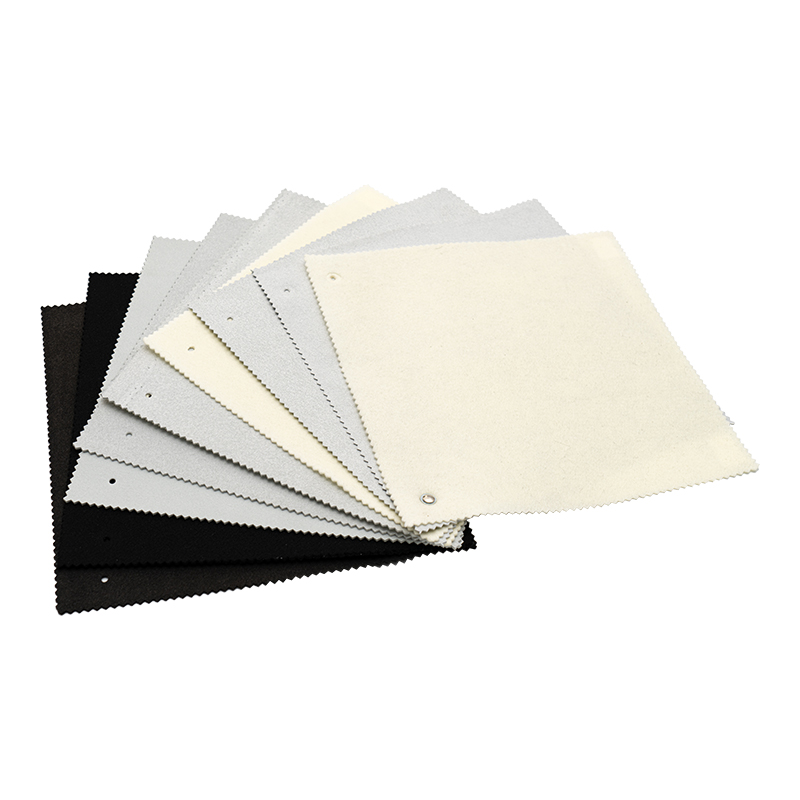
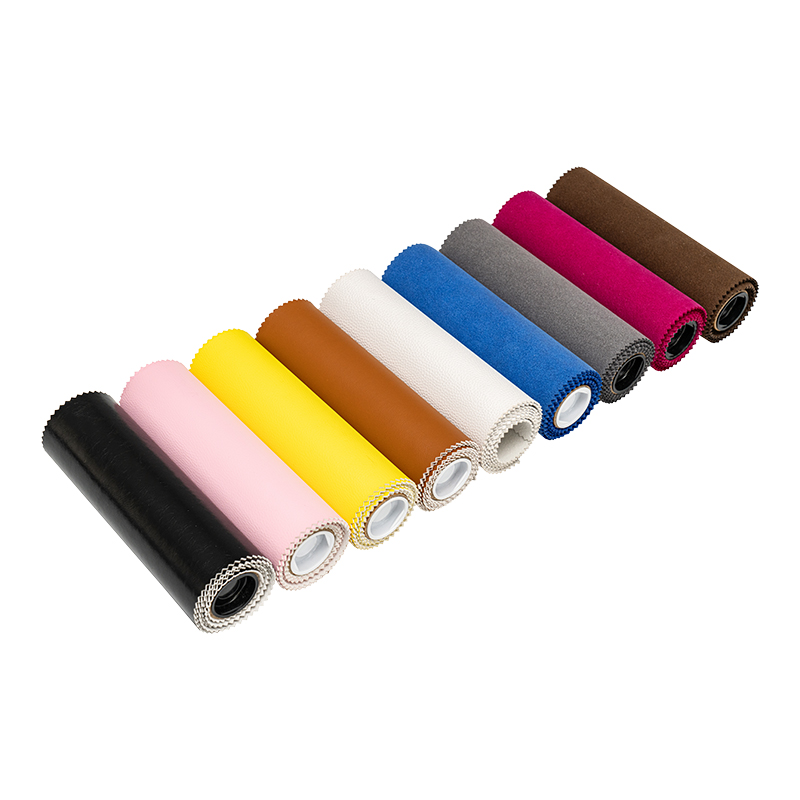
The fundamental reason water-soluble sea-island fiber nonwovens can achieve ultra-fine microfiber structures lies in their unique sea–island bicomponent fiber design. During spinning, the fiber is not made from a single polymer but from two distinct materials: the “island” component, which is the final functional fiber (such as PET, PA6, or PA66), and the “sea” component, which is a water-soluble polymer, most commonly PVA.
Within a single filament cross-section, the island component can be precisely engineered into 16, 32, 64, or even more micro-units, evenly dispersed within the sea matrix. At this stage, the fibers are already “pre-segmented,” but the islands remain temporarily bonded and stabilized by the surrounding sea polymer.
After the nonwoven fabric is fully formed, the sea component is removed through a controlled water-dissolution process. What appears to be a single filament then separates into dozens of independent microfibers. This approach overcomes the limitations of conventional spinning methods, which are restricted by spinneret size and melt stability, allowing final fiber fineness to easily reach 0.1–0.3 dtex or even lower.
Compared with direct spinning of ultra-fine fibers, the sea-island method follows a “coarse-to-fine” manufacturing logic. This significantly improves process feasibility, reduces filament breakage, and lowers production difficulty, making it one of the most reliable and industrially mature technologies for producing highly uniform microfiber structures.
Another key advantage of water-soluble sea-island fiber nonwovens is the highly controllable dissolution process. Unlike mechanical splitting or high-pressure water-jet methods that forcibly divide fibers, the removal of the sea component is a physical dissolution process. Parameters such as water temperature, treatment time, and flow conditions can be precisely controlled.
As a result, the island fibers are released with minimal mechanical stress, avoiding shear damage or tensile breakage. In industrial practice, the dissolution proceeds evenly from the fiber surface inward, ensuring that the sea component is completely removed without residue. This uniform separation is particularly critical for high-end applications such as precision filtration and high-consistency wiping materials.
Moreover, controlled dissolution prevents common defects seen in traditional microfiber processing, such as uneven fiber thickness, surface fibrillation, and fiber agglomeration. The resulting nonwoven fabric exhibits highly consistent fiber diameters, smooth fiber surfaces, and uniform pore size distribution at the microscopic level. This structural uniformity is a key reason why water-soluble sea-island fiber nonwovens are highly competitive in premium markets.
Maintaining structural integrity is one of the biggest challenges in producing ultra-fine fiber materials. As fibers become finer, they are more prone to breakage, entanglement, and web collapse during carding, web formation, and bonding processes. Water-soluble sea-island fiber nonwovens effectively address this issue by adopting a “form first, refine later” strategy.
During nonwoven formation, the sea component remains intact, acting as a temporary structural scaffold that increases overall fiber diameter and rigidity. This makes the fibers well-suited for conventional nonwoven processes such as carding, hydroentanglement, thermal bonding, or hot calendaring. Production lines require no special modification for handling ultra-fine fibers, greatly improving process compatibility and efficiency.
Once the nonwoven structure has been fully stabilized, the sea component is removed through water treatment. Even though the fibers become extremely fine at this stage, they are already mechanically entangled and locked into the fabric structure. This prevents fabric collapse and sudden strength loss, enabling water-soluble sea-island fiber nonwovens to achieve both ultra-fine fiber morphology and excellent dimensional stability.
After dissolution, water-soluble sea-island fiber nonwovens undergo a dramatic transformation at the microstructural level. The number of fibers per unit area increases exponentially, while individual fiber diameters decrease significantly. This leads directly to a substantial increase in fiber density and specific surface area.
For example, a single sea-island filament containing 32 islands effectively becomes 32 independent microfibers after dissolution. This results in finer, more uniform pore structures and greatly enhanced contact between the fabric and liquids, particles, or surfaces. Higher specific surface area translates into stronger adsorption capacity, improved filtration efficiency, and superior cleaning performance.
The table below compares different fiber technologies in terms of fineness and structural characteristics:
| Technology Type | Single-Fiber Fineness | Fiber Uniformity | Specific Surface Area | Industrial Stability |
|---|---|---|---|---|
| Conventional Polyester Nonwovens | ≥1.5 dtex | Medium | Low | High |
| Meltblown Nonwovens | 1–5 μm | Medium | Medium | Medium |
| Electrospun Fibers | <1 μm | High | Extremely High | Low |
| Water-Soluble Sea-Island Fiber Nonwovens | 0.1–0.3 dtex | Very High | High | High |
This comparison clearly shows that water-soluble sea-island fibers achieve an optimal balance between fiber fineness, structural controllability, and industrial scalability.
The ultra-fine microfiber structures achieved through water-soluble sea-island technology lead not only to finer fibers, but also to comprehensive performance enhancements. In filtration applications, reduced fiber diameter directly results in smaller pore sizes, while the increased fiber count maintains good permeability. This allows higher particle capture efficiency at lower pressure drop, making these materials ideal for air and liquid filtration.
In cleaning and wiping applications, ultra-fine fibers significantly enhance capillary action. Finer fibers create more capillary channels per unit volume, improving the absorption and retention of water, oils, and microscopic contaminants. This is why water-soluble sea-island fiber nonwovens are widely used in high-end industrial wipes, electronic cleanroom wipes, and medical cleaning products.
Additionally, ultra-fine fiber structures provide improved softness, drape, and surface conformity. These characteristics are particularly valuable in medical dressings, functional linings, and reinforcement layers for composites. Overall, water-soluble sea-island fiber nonwovens achieve a true performance leap by optimizing material properties at the microstructural level.
From a sustainability perspective, water-soluble sea-island fiber nonwovens offer notable environmental advantages. Traditional microfiber splitting methods often rely on chemical solvents or strong alkaline treatments, which pose safety risks and generate wastewater treatment challenges. In contrast, water-soluble sea-island technology primarily uses water as the processing medium, resulting in a gentler, safer, and more environmentally compliant process.
In terms of process efficiency, this technology is highly compatible with existing nonwoven production equipment, avoiding the need for extreme conditions or complex line modifications. The sea component also protects fibers during early processing stages, leading to higher yields and reduced material waste.
In today’s fast-paced world, maintaining a clean and healthy environment is essential, whether at home or in the office. Traditional cleaning methods often rely heavily on chemical cleaners, which can be harmful to both surfaces and the environment. One innovative solution that has been gaining atte...
READ MORE
Introduction to Water-Soluble Sea-Island Fiber What is Water-Soluble Sea-Island Fiber? Water-soluble sea-islan...
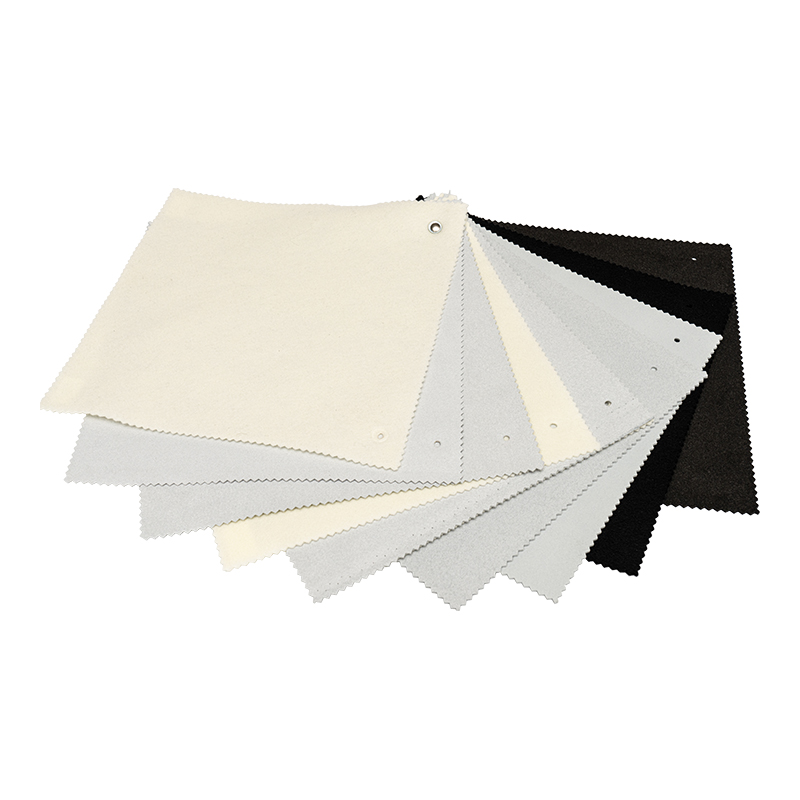
What is Water-Soluble Island-in-the-Sea Fiber? Water-Soluble Sea-Island Fiber is a breakthrough material in th...
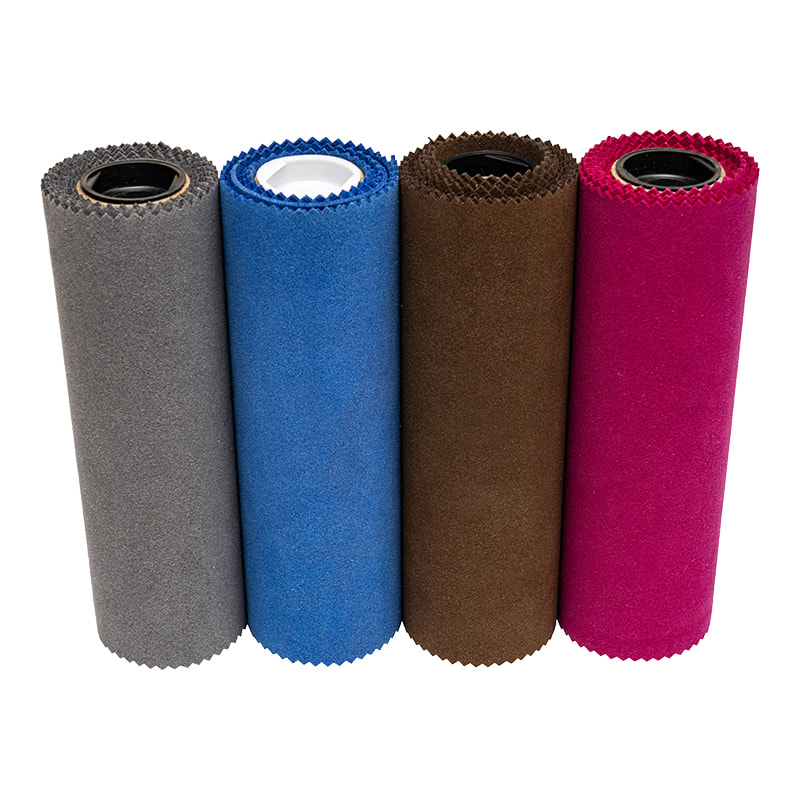
Introduction of Water-Force Microfiber Fabric What is Microfiber Fabric? Microfiber fabric is a type of textil...
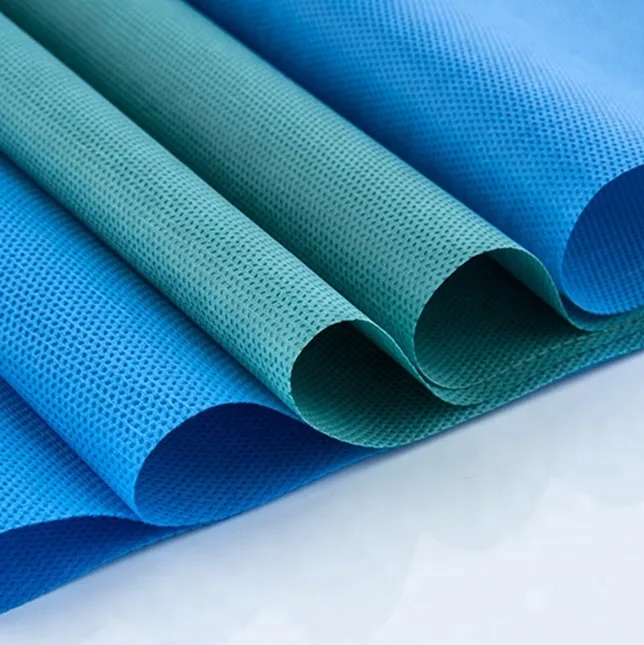
Introduction Water-soluble sea-island fiber nonwoven fabric is a groundbreaking innovation in the textile indu...
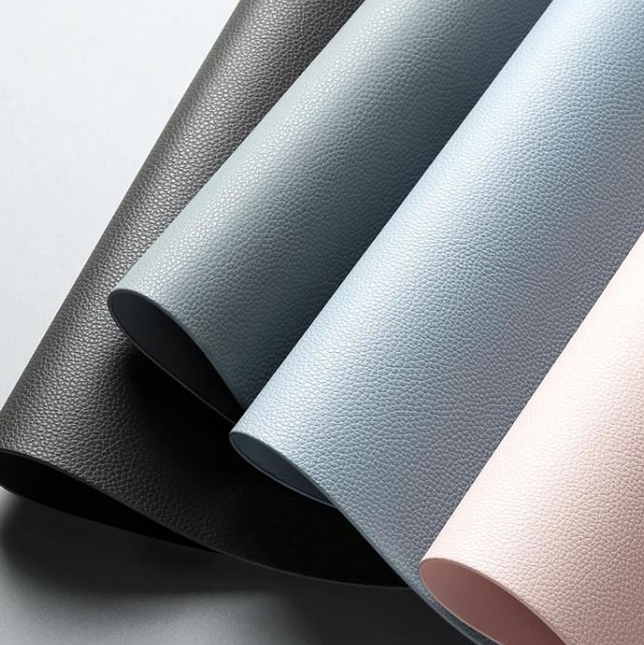
What is Water-Soluble Sea-Island Fiber? Definition and Basic Structure Water-soluble sea-island fiber is a spe...
LEMONTA Technology (ShangHai) Co., Ltd. All Rights Reserved. ALL RESERVED.
 Custom Bio-Based Water-Soluble Polyester Fiber Manufacturers
 英语
英语 中文简体
中文简体