The textile industry is in a constant state of innovation, seeking materials that are not only functional but also sustainable. Water-soluble sea-island fiber, an innovative development in textile technology, has begun to change the way textiles are produced and used. It offers a unique combination of eco-friendliness, versatility, and functionality, which could reshape various applications in the textile industry.
Water-soluble sea-island fiber is a type of fiber that features a core-sheath structure. The core, often made from a strong, durable material, is surrounded by a sheath made from a water-soluble substance. The sheath dissolves when exposed to water, leaving behind the durable core. This innovative structure provides the fiber with a unique set of properties that set it apart from conventional fibers.
The dissolvable sheath allows manufacturers to design fabrics with intricate textures and patterns that are otherwise difficult to achieve. Additionally, this fiber has excellent biodegradability and recyclability, making it an attractive option for environmentally conscious manufacturers. It also performs well in various conditions, providing strength and flexibility before the sheath dissolves.
As concerns about the environmental impact of textiles grow, water-soluble sea-island fibers offer a promising solution. Traditional synthetic fibers, such as polyester and nylon, are known for their non-biodegradability and long decomposition times, contributing to significant environmental waste. Water-soluble sea-island fibers, on the other hand, break down in water, leaving no harmful residues.
Moreover, the fiber is recyclable. The dissolvable sheath is made from biodegradable materials, which means it can be processed into eco-friendly products without causing long-term environmental damage. This process contributes to reducing textile waste and promotes a more sustainable textile industry.
| Property | Water-Soluble Sea-Island Fiber | Traditional Fibers (e.g., Polyester) |
|---|---|---|
| Biodegradability | High | Low |
| Recyclability | High | Moderate to Low |
| Environmental Impact | Low | High |
This table highlights the environmental benefits of water-soluble sea-island fibers compared to traditional fibers.
Water-soluble sea-island fibers have found significant applications in the fashion industry. These fibers are often used to create garments with temporary effects, such as lace or sheer patterns, that disappear after washing. The dissolvable nature of the fiber provides designers with a unique opportunity to create textures that would be impossible to achieve with traditional fibers.
For instance, fashion designers have begun to experiment with water-soluble fibers to create intricate embroidery and decorative elements that vanish after washing, leaving behind a clean, textured garment. This feature not only adds creativity to the design but also reduces waste, as the fiber dissolves after use, minimizing the need for extra processing or disposal.
Water-soluble fibers are also utilized in performance wear and sportswear. Their ability to maintain strength and durability during use while dissolving after a certain period can lead to the development of short-term garments that provide specific functionality without long-term waste. These could include limited-use garments for special events or temporary wear in fashion collections.
Sustainability is a growing trend in the fashion industry, and water-soluble sea-island fibers play a pivotal role in supporting this movement. The dissolvable property of the fiber means that designers and manufacturers can create garments that are more environmentally responsible, as they break down after use, leaving minimal impact on the planet.
Water-soluble fibers are used to create garments that dissolve in water, leaving behind the base material, which can be recycled or used for other purposes. This is particularly useful for creating temporary garments or event-specific clothing, which may only be worn for a limited period. As the fashion industry grapples with the environmental implications of fast fashion, water-soluble fibers provide a way to create more sustainable, low-impact clothing.
The eco-friendly nature of these fibers also appeals to environmentally conscious consumers who are increasingly seeking alternatives to traditional, non-biodegradable textiles. By integrating these fibers into their collections, brands can reduce their carbon footprint and position themselves as leaders in sustainable fashion.
Water-soluble sea-island fibers are increasingly being used in the medical textile industry, where their unique dissolvable property has several practical applications. Medical products such as bandages, sutures, and wound dressings are often designed to degrade or dissolve over time. Water-soluble fibers are particularly well-suited for these applications because they can dissolve safely in the body or after removal.
For example, water-soluble sutures are used in certain surgeries where the suture is designed to dissolve after a set period, eliminating the need for removal. Similarly, medical bandages made from these fibers can dissolve in water, reducing the need for invasive procedures to remove them. This property not only improves patient comfort but also reduces medical waste by making the products biodegradable.
Despite its many advantages, the manufacturing of water-soluble sea-island fibers comes with a few challenges. One of the primary challenges is the cost. The production process for water-soluble fibers is more complex and requires specialized technology. As a result, the production cost is higher than that of traditional fibers, which can limit their widespread adoption.
Moreover, ensuring the quality control of the fiber throughout the production process is crucial. Manufacturers must ensure that the fiber’s dissolvable sheath is uniform and that the core material maintains its integrity before the sheath dissolves. Achieving this balance requires precision engineering and thorough testing.
| Challenge | Water-Soluble Sea-Island Fiber | Traditional Fibers |
|---|---|---|
| Cost | High | Low |
| Manufacturing Complexity | High | Low |
| Production Scalability | Moderate | High |
This table outlines the challenges of manufacturing water-soluble sea-island fibers compared to traditional fibers.
Q1: How does water-soluble sea-island fiber work?
Water-soluble sea-island fiber has a core-sheath structure, where the sheath dissolves in water, leaving behind the durable core. This structure allows the fiber to dissolve after use without harming the environment.
Q2: Can water-soluble sea-island fiber be used for everyday clothing?
Yes, it can be used to create temporary garments or fashion items with dissolvable textures and patterns, making it ideal for limited-use clothing.
Q3: What are the medical applications of water-soluble sea-island fiber?
Water-soluble sea-island fibers are used in medical textiles such as biodegradable sutures, bandages, and wound dressings, offering easier removal and reducing medical waste.
Q4: Is water-soluble sea-island fiber biodegradable?
Yes, the fiber is biodegradable, which makes it an excellent choice for eco-conscious applications, reducing environmental impact.
Q5: What are the challenges of manufacturing water-soluble sea-island fiber?
The challenges include higher production costs, complex manufacturing processes, and ensuring consistent quality control throughout production.
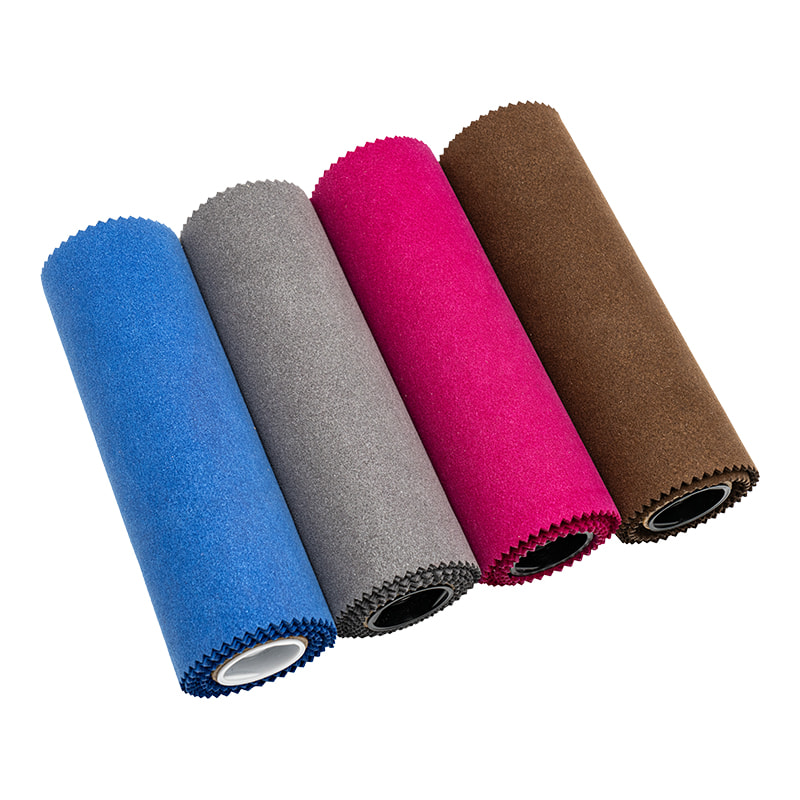
The incorporation of water-force microfiber bases in cleaning products has gained significant attention in recent years due to their environmentally friendly, efficient, and effective cleaning properties. Microfiber cloths, when used with just water, offer an eco-conscious alternative to traditional...
READ MORE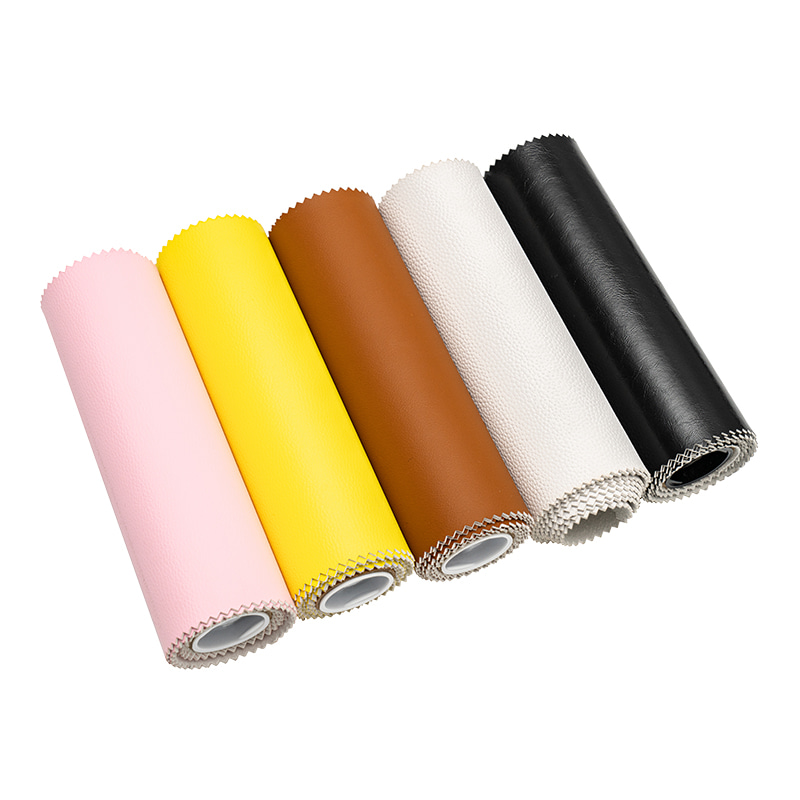
Introduction to Water-Soluble Sea-Island Fiber What is Water-Soluble Sea-Island Fiber? Water-soluble sea-islan...
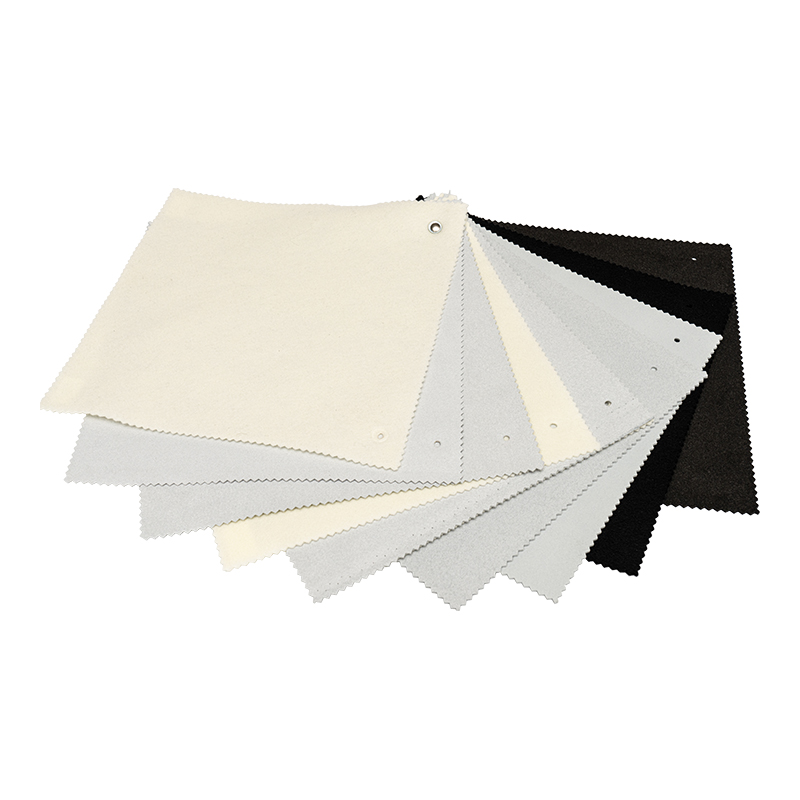
What is Water-Soluble Island-in-the-Sea Fiber? Water-Soluble Sea-Island Fiber is a breakthrough material in th...
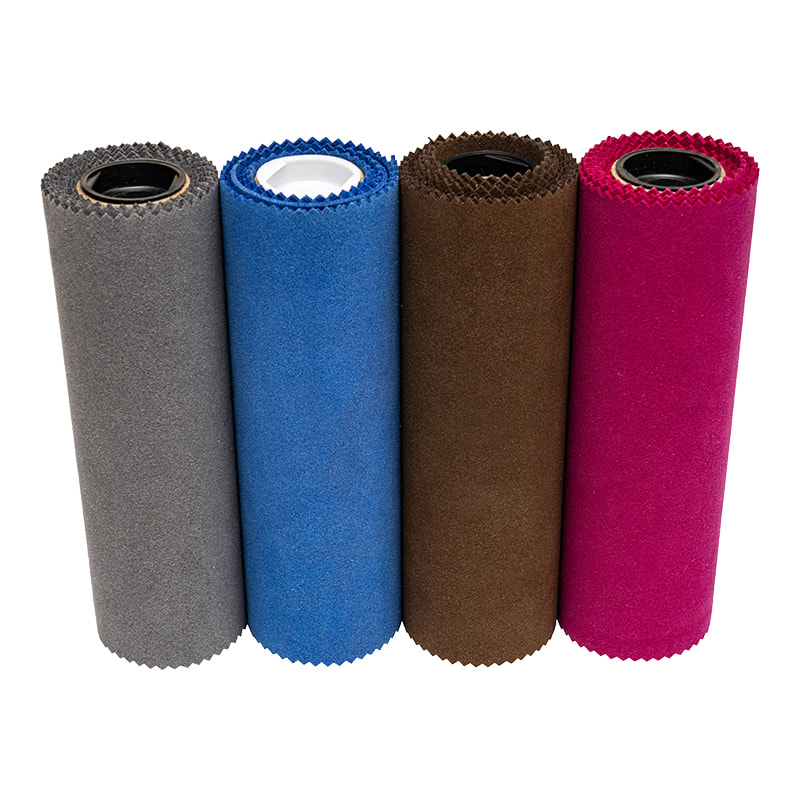
Introduction of Water-Force Microfiber Fabric What is Microfiber Fabric? Microfiber fabric is a type of textil...
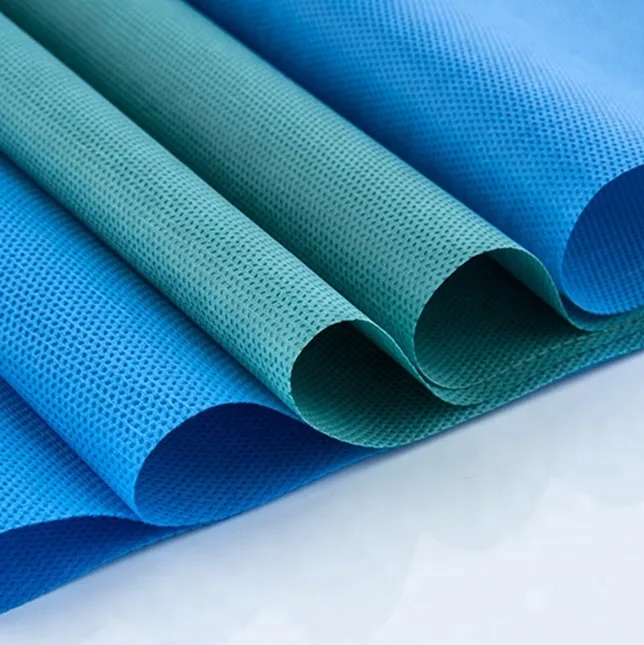
Introduction Water-soluble sea-island fiber nonwoven fabric is a groundbreaking innovation in the textile indu...
What is Water-Soluble Sea-Island Fiber? Definition and Basic Structure Water-soluble sea-island fiber is a spe...
LEMONTA Technology (ShangHai) Co., Ltd. All Rights Reserved. ALL RESERVED.
 Custom Bio-Based Water-Soluble Polyester Fiber Manufacturers
 英语
英语 中文简体
中文简体