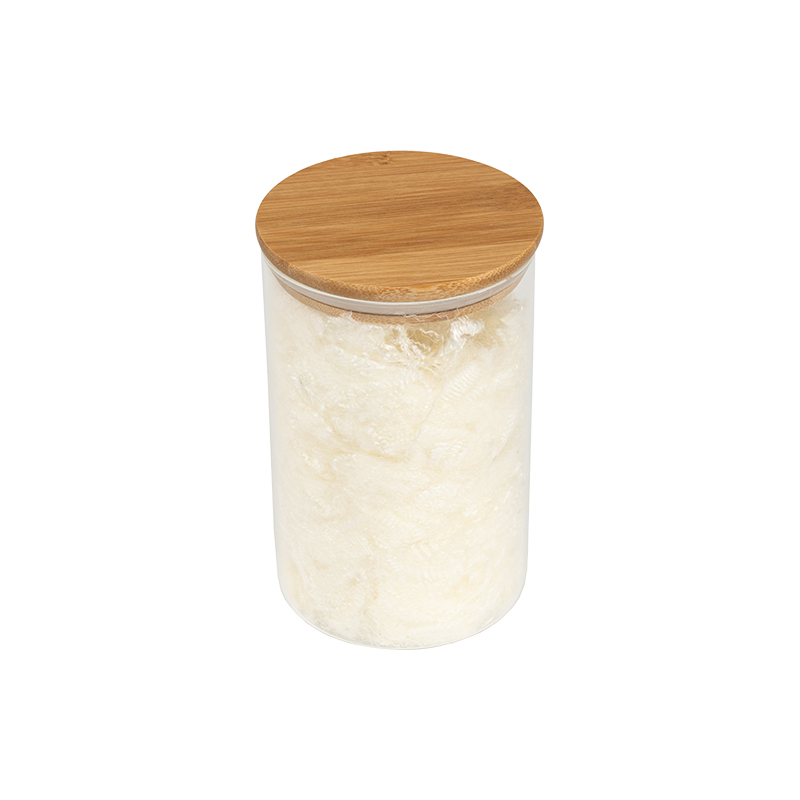
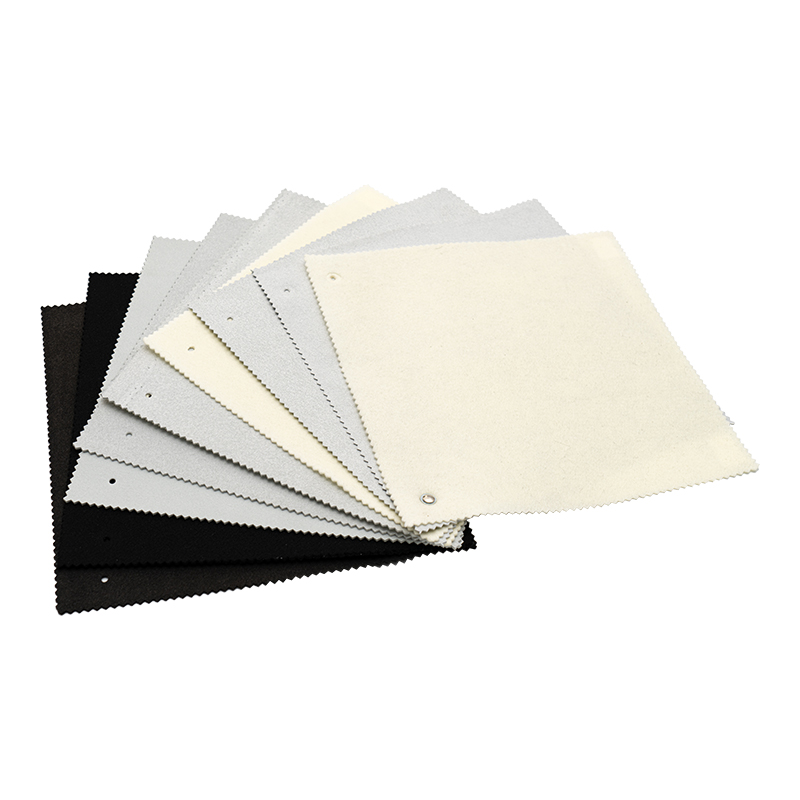
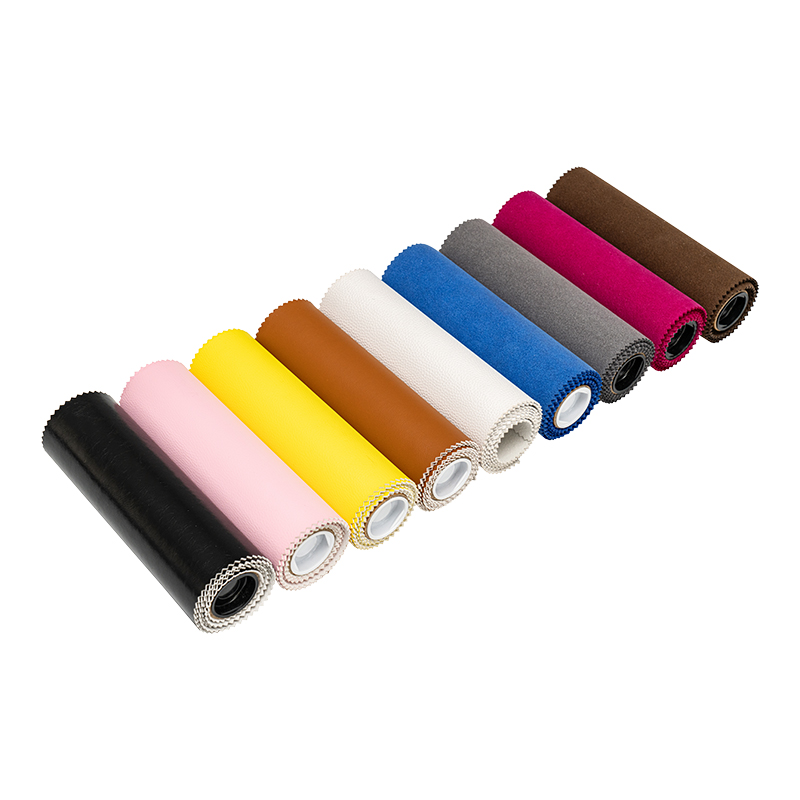
In the pursuit of high-end textiles, fabric fineness and softness have become decisive quality indicators, especially for applications such as ultra-microfiber fabrics, artificial suede, high-performance wiping cloths, and premium apparel. Traditional fibers often face limitations in achieving extreme fineness without compromising strength or process stability. This challenge has driven the widespread adoption of water-soluble sea-island fiber, a composite fiber technology specifically developed to create ultra-fine filaments.
Water-soluble sea-island fiber enables textile manufacturers to produce fabrics with exceptionally delicate hand feel, smooth surface texture, and enhanced drape, while maintaining industrial-scale production efficiency. Its unique structural design and post-processing behavior play a critical role in improving both fineness and softness of the final fabric.
Water-soluble sea-island fiber is a type of bicomponent composite fiber composed of two polymers: one forms the “islands,” and the other forms the “sea.” The island component is typically a high-performance polymer such as polyester or nylon, while the sea component is made from a water-soluble polymer, commonly polyvinyl alcohol (PVA).
During fiber spinning, dozens or even hundreds of ultra-fine island filaments are uniformly embedded within the sea matrix. At this stage, the fiber behaves like a conventional filament, making it easy to spin, weave, and process. The key transformation occurs during finishing, when the fabric is treated with hot water or specific aqueous solutions. The sea component dissolves and is removed, releasing the ultra-fine island fibers.
This structural principle directly enables fabric fineness because:
By engineering fineness at the microstructural level, water-soluble sea-island fiber achieves results that traditional single-component fibers cannot easily replicate.
Fabric fineness depends heavily on the diameter of individual filaments. Conventional spinning methods face physical limits when trying to directly produce extremely fine fibers, as breakage and unevenness become more likely. Water-soluble sea-island fiber overcomes this limitation through a “split-after-processing” mechanism.
Initially, the composite fiber has a relatively larger diameter, which provides sufficient strength and stability during spinning, weaving, and knitting. Once the fabric structure is fully formed, the dissolution of the sea component causes the composite fiber to split into multiple ultra-fine island filaments.
This process offers several advantages for fineness control:
The result is a fabric composed of countless ultra-fine fibers, producing a smooth surface and refined texture that feels significantly finer than fabrics made from conventional filaments.
Fabric softness is closely linked to how fibers interact with the skin and with each other. Ultra-fine fibers created from water-soluble sea-island fiber dramatically increase the number of fiber contact points within the fabric, which directly enhances softness.
Key mechanisms include:
Additionally, the removal of the sea component creates microscopic gaps between island fibers, increasing fabric bulk without adding stiffness. This structure produces a plush, suede-like softness that is highly desirable in premium textiles.
To better understand its impact on fineness and softness, the following table compares water-soluble sea-island fiber with conventional textile fibers:
| Fiber Type | Achievable Fineness | Fabric Softness | Processing Stability |
|---|---|---|---|
| Conventional Polyester | Moderate | Medium | High |
| Nylon Filament | Moderate | Medium-High | High |
| Split Microfiber | High | High | Medium |
| Water-Soluble Sea-Island Fiber | Ultra-High | Very High | High |
This comparison highlights why water-soluble sea-island fiber is often chosen for high-end microfiber applications where both fineness and softness are critical performance requirements.
The dissolution of the sea component is a controlled finishing step that significantly influences final fabric softness. When properly managed, this process removes the binding matrix without damaging the island fibers, preserving their integrity and fineness.
Benefits of controlled dissolution include:
Manufacturers can further fine-tune softness by adjusting dissolution temperature, time, and post-finishing treatments, allowing customization for different textile applications.
Water-soluble sea-island fiber is widely used in applications where superior tactile performance is essential. These include:
In each case, the combination of ultra-fine fiber structure and enhanced softness delivers clear functional and aesthetic advantages.
Q1: Is water-soluble sea-island fiber suitable for mass production?
Yes. Its composite structure ensures stability during processing, making it suitable for large-scale textile manufacturing.
Q2: Does removing the sea component weaken the fabric?
No. The island fibers are designed to provide sufficient strength even after dissolution.
Q3: Can fabric softness be adjusted during production?
Yes. Softness can be tailored by controlling island count, dissolution conditions, and finishing processes.
Q4: Is this fiber compatible with existing textile machinery?
Generally yes. Most standard spinning and weaving equipment can be used with minimal modification.
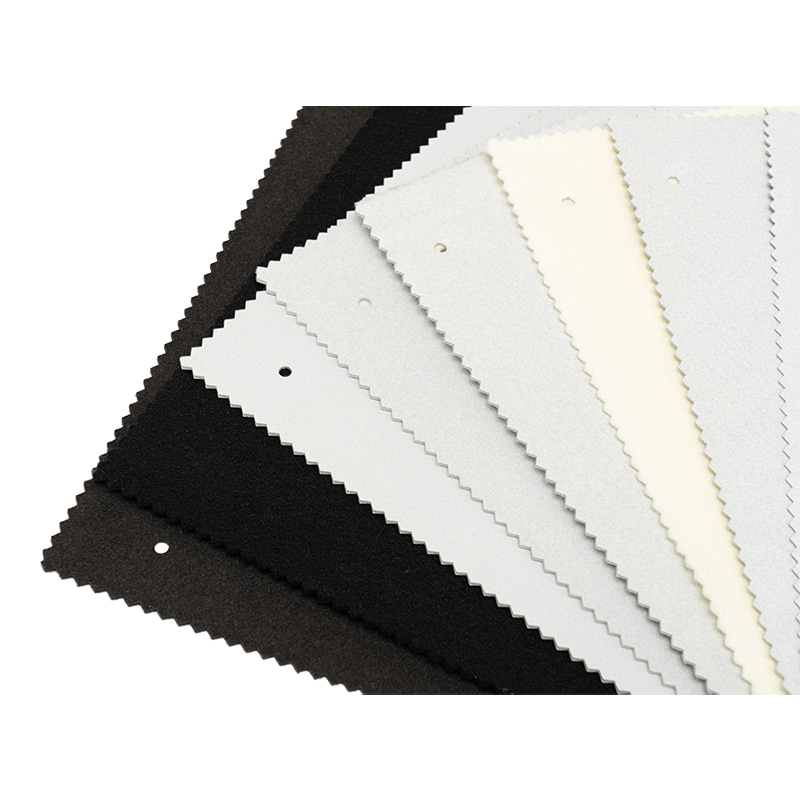
Water-soluble sea-island fiber nonwoven fabric has become a promising material in medical and hygiene applications due to its unique structural and functional properties. The “sea-island” configuration consists of two polymers: the sea component, which is water-soluble, and the island component, whi...
READ MORE
Introduction to Water-Soluble Sea-Island Fiber What is Water-Soluble Sea-Island Fiber? Water-soluble sea-islan...
What is Water-Soluble Island-in-the-Sea Fiber? Water-Soluble Sea-Island Fiber is a breakthrough material in th...
Introduction of Water-Force Microfiber Fabric What is Microfiber Fabric? Microfiber fabric is a type of textil...
Introduction Water-soluble sea-island fiber nonwoven fabric is a groundbreaking innovation in the textile indu...
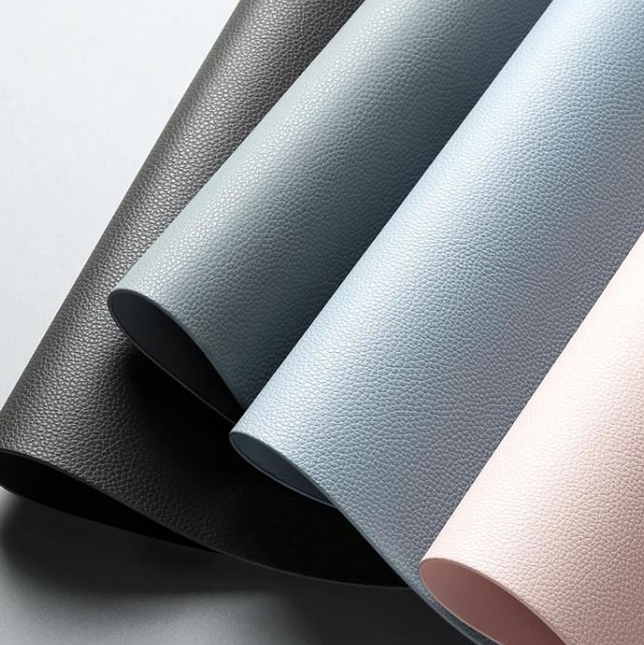
What is Water-Soluble Sea-Island Fiber? Definition and Basic Structure Water-soluble sea-island fiber is a spe...
LEMONTA Technology (ShangHai) Co., Ltd. All Rights Reserved. ALL RESERVED.
 Custom Bio-Based Water-Soluble Polyester Fiber Manufacturers
 英语
英语 中文简体
中文简体