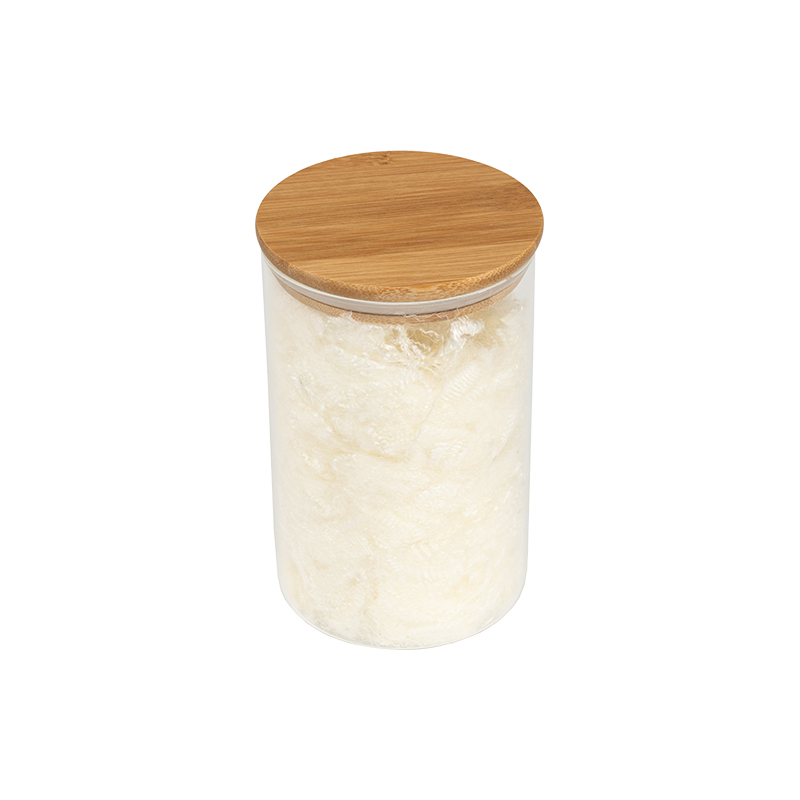
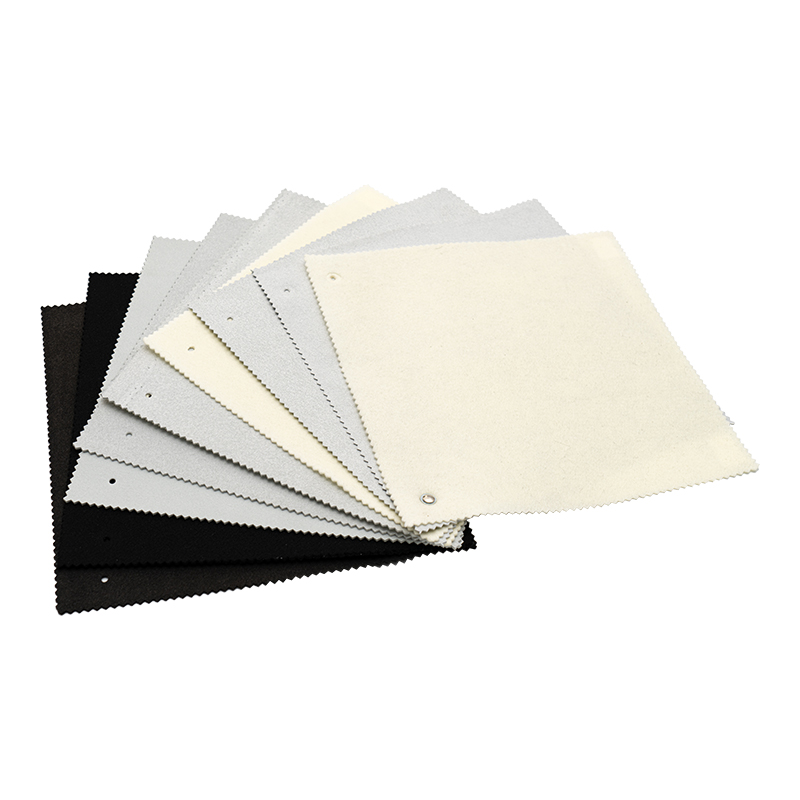
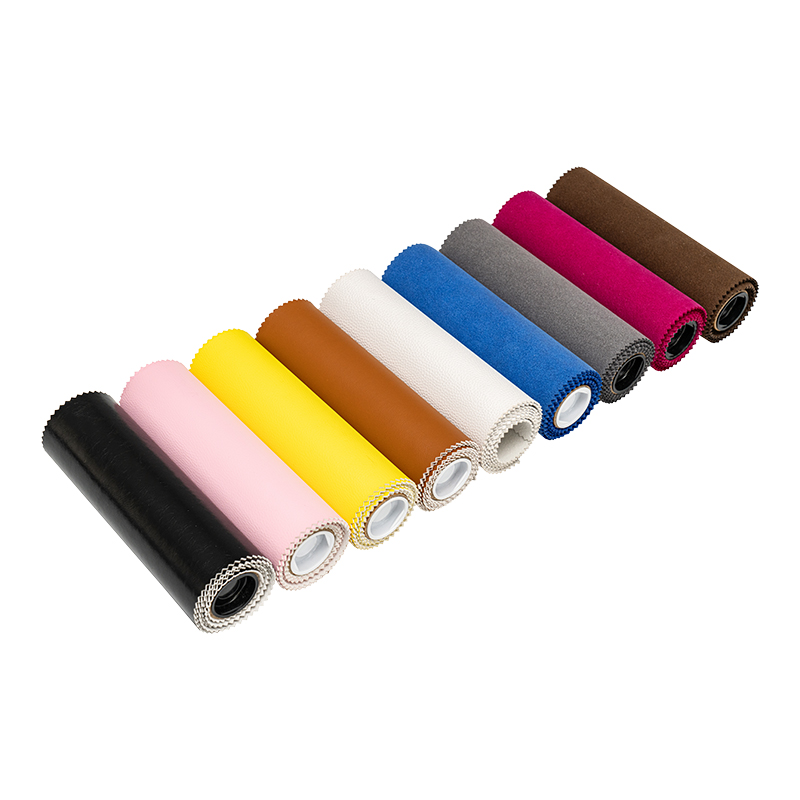
Water-soluble sea island fiber nonwoven fabric is a specialty nonwoven made from bicomponent fibers structured like an "island in a sea" — ultra-fine polymer filaments (the islands) embedded in a water-soluble polymer matrix (the sea). When the fabric is treated with hot water or a specific solvent, the soluble "sea" component dissolves away, leaving behind a bundle of microfibers as fine as 0.01 to 0.3 denier per filament — far finer than what conventional spinning can produce directly. This is why the material matters: it is the manufacturing method behind ultra-fine microfiber fabrics used in synthetic leather, high-end wiping cloths, and specialty filtration media.
The "Sea-Island" Structure Explained
The term "sea island" describes the cross-sectional structure of the bicomponent fiber before dissolution. Under a microscope, the fiber cross-section shows numerous small polymer "islands" — typically polyester (PET) or polyamide (nylon) — surrounded by a continuous water-soluble polymer "sea," usually co-polyester (COPET) or polyvinyl alcohol (PVA).
A single sea-island fiber can contain anywhere from 16 to over 1,000 individual islands, depending on the spinneret design and target application. Once the sea component is dissolved, each island becomes an independent microfiber, meaning one original fiber can yield hundreds of ultra-fine filaments.
Producing water-soluble sea island fiber nonwoven fabric involves several distinct stages, each affecting the final microfiber quality.
Direct spinning of fibers finer than about 0.5 denier is extremely difficult and often uneconomical, since the spinneret holes required would be too small and prone to clogging or breakage. The sea-island approach solves this problem indirectly: fibers are spun at a manageable size, and fineness is achieved afterward by removing the sea component.
This is the core reason the technology matters industrially — it makes ultra-fine microfiber production scalable and cost-effective, rather than dependent on spinning equipment limitations that would otherwise cap fiber fineness.
| Property | Typical Value / Characteristic |
|---|---|
| Filament fineness after dissolution | 0.01–0.3 denier per filament |
| Fabric weight range | 150–600 g/m² depending on application |
| Softness / hand feel | Very soft, suede-like texture |
| Absorbency | High, due to increased surface area of microfibers |
| Density/porosity control | Adjustable via needle punching depth and layer count |
This is the largest application by volume. The ultra-fine, densely packed microfiber structure closely mimics the fiber bundle structure of natural leather collagen, which is why sea-island nonwoven fabric is the base substrate for most high-end synthetic (microfiber) leather used in footwear, automotive interiors, and furniture upholstery.
The high surface area of dissolved microfibers gives the fabric strong absorbency and fine particle capture, making it well suited for lens cleaning cloths, precision electronics wiping, and industrial cleanroom applications.
Because microfiber density can be tuned during production, the fabric is also used in specialty filtration applications where fine particle capture is required without excessive pressure drop across the filter media.
Standard nonwoven fabrics are typically made from single-component fibers in the range of 1 to 6 denier, resulting in coarser texture and lower surface area. Sea-island nonwovens, by contrast, achieve microfiber fineness that single-component spinning cannot reach economically at scale.
The trade-off is cost and process complexity: sea-island fiber production requires specialized bicomponent spinning equipment and an additional dissolution step, making it more expensive per kilogram than conventional nonwoven fabric. This cost is justified in applications — like synthetic leather or precision wiping products — where fiber fineness directly determines product quality and market value.
Water-soluble sea island fiber nonwoven fabric matters because it removes a fundamental manufacturing constraint: the practical limit on how fine a fiber can be spun directly. By shifting fineness control to a post-processing dissolution step, manufacturers gain precise, repeatable control over final microfiber characteristics without depending on increasingly fragile spinning equipment.
For industries where fiber fineness directly drives product performance and perceived quality — synthetic leather, precision cleaning products, and specialty filtration — sea-island technology remains the most reliable and scalable production method available today.

Leather jackets were once synonymous with luxury and high-end style, defining fashion’s golden age toward the end of last century. Would you still buy a leather jacket today? The market is longing for leather-jacket fabrics tailored to modern consumers. Its past glory may have faded, yet genuine mar...
READ MORE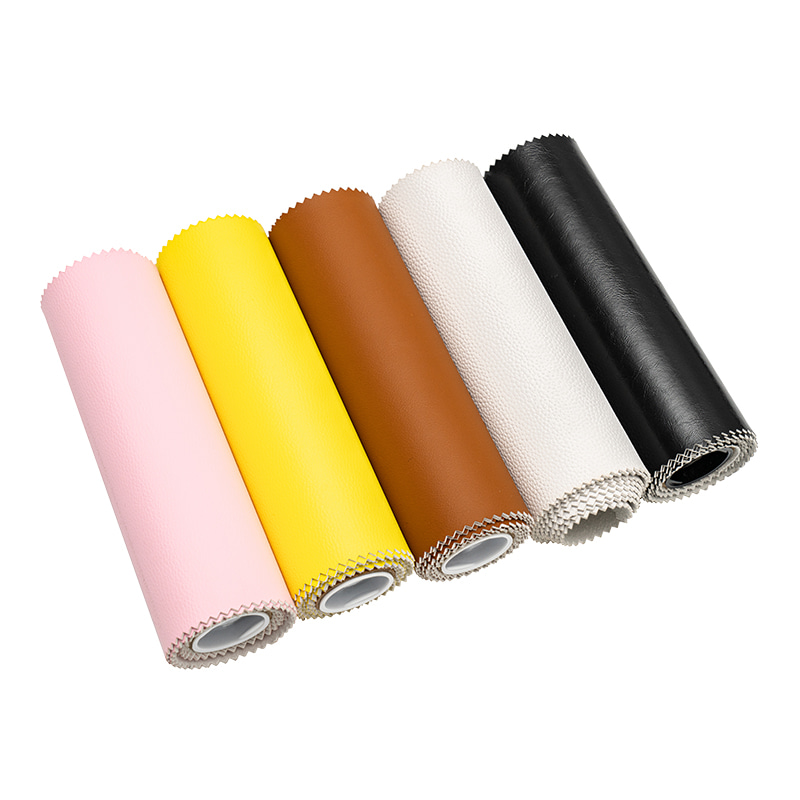
Introduction to Water-Soluble Sea-Island Fiber What is Water-Soluble Sea-Island Fiber? Water-soluble sea-islan...
What is Water-Soluble Island-in-the-Sea Fiber? Water-Soluble Sea-Island Fiber is a breakthrough material in th...
Introduction of Water-Force Microfiber Fabric What is Microfiber Fabric? Microfiber fabric is a type of textil...
Introduction Water-soluble sea-island fiber nonwoven fabric is a groundbreaking innovation in the textile indu...
What is Water-Soluble Sea-Island Fiber? Definition and Basic Structure Water-soluble sea-island fiber is a spe...
LEMONTA Technology (ShangHai) Co., Ltd. All Rights Reserved. ALL RESERVED.
 Custom Bio-Based Water-Soluble Polyester Fiber Manufacturers
 英语
英语 中文简体
中文简体