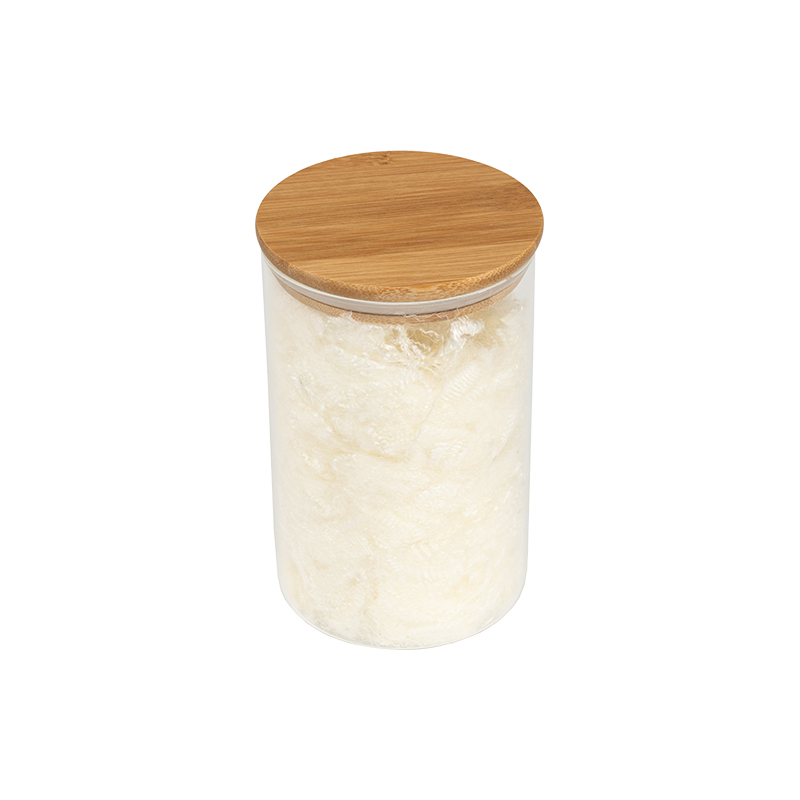
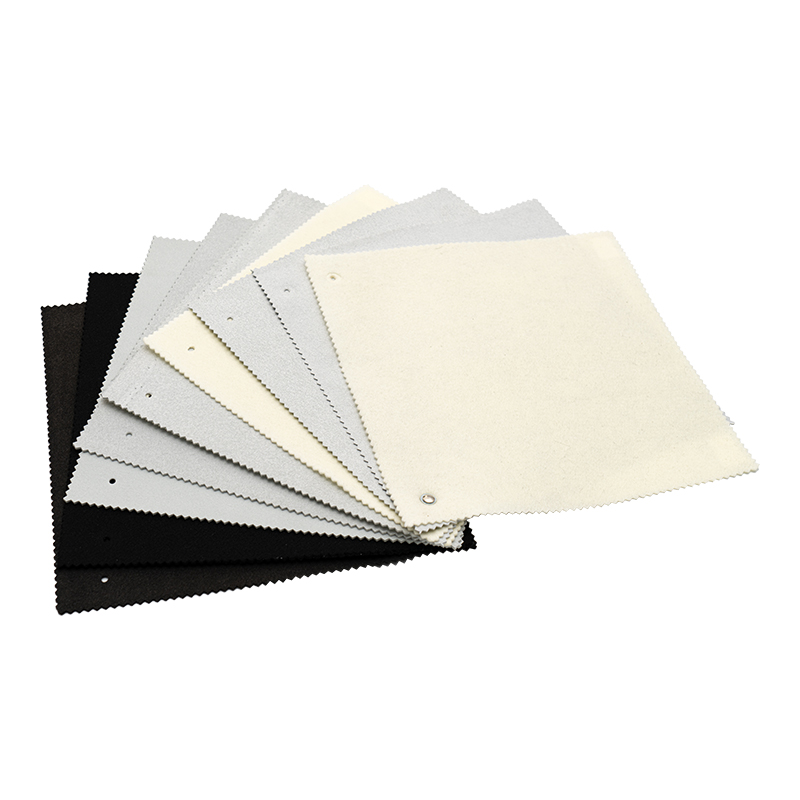
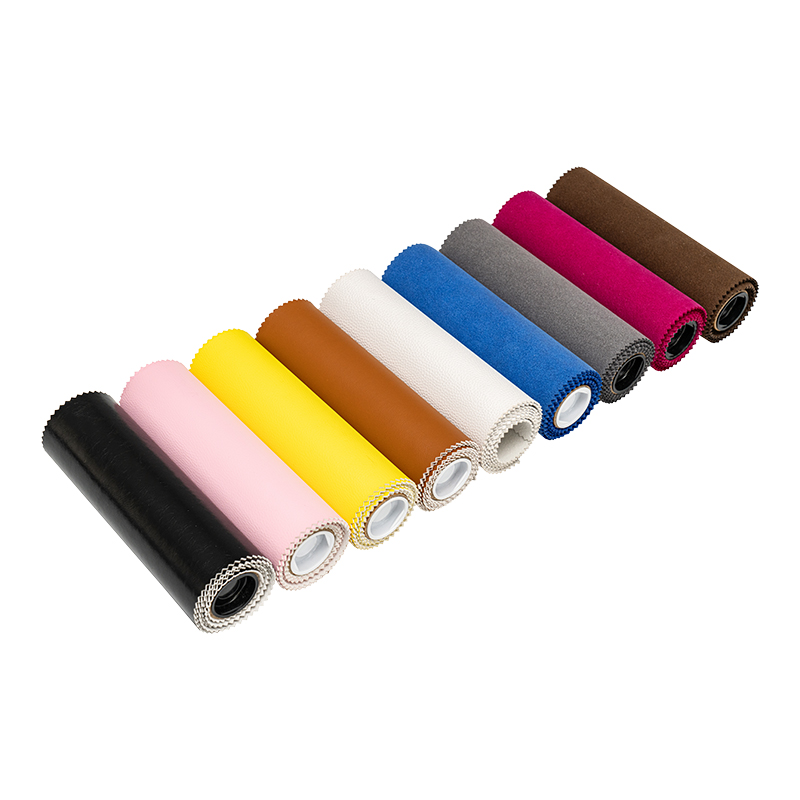
Water-force microfiber fabric — also known as spunlace or hydroentangled microfiber — is bonded using high-pressure water jets instead of needles, heat, or chemical adhesives. This process fires fine water streams at pressures up to 200-400 bar through layers of microfiber web, physically entangling the fibers together to form a cohesive fabric without melting or gluing them. Conventional microfiber fabric, by contrast, is typically produced through warp knitting, weaving, or needle-punching, then split into ultra-fine filaments using heat or chemical treatment.
The practical result: water-force microfiber fabric retains a softer, more natural fiber structure with higher bulk and absorbency, since no heat-bonding or resin is used to hold it together. Conventional knitted or woven microfiber tends to be denser, more durable for repeated mechanical use, and easier to produce in large continuous rolls at lower cost. The sections below break down these differences in manufacturing, performance, and best-use applications.
The bonding method is the single biggest factor separating these two fabric families, and it determines nearly every downstream property — texture, strength, absorbency, and cost.
Loose microfiber webs — often split-type bicomponent fibers — are laid down on a conveyor and passed under rows of fine water jet nozzles. The high-pressure water physically pushes and twists fibers into and around each other, creating mechanical entanglement rather than chemical or thermal bonds. The fabric is then dried, and in many production lines, the splitting of bicomponent fibers into ultra-fine filaments happens simultaneously during this water-jet stage.
Conventional microfiber is most commonly produced by warp knitting or weaving polyester-nylon bicomponent yarns into a fabric structure, followed by alkaline treatment or heat-splitting to separate the bicomponent filaments into fine microfibers. Needle-punched nonwoven microfiber is another common route, where mechanical barbed needles interlock fibers instead of water jets.
| Feature | Water-Force Microfiber | Conventional Microfiber |
|---|---|---|
| Bonding method | High-pressure water jets | Knitting, weaving, or needle-punch |
| Chemical/adhesive use | None required | Often uses resin or heat-bonding |
| Fabric structure | Nonwoven, loose entangled web | Woven or knitted, structured grid |
| Absorbency | Very high (open fiber structure) | Moderate to high |
| Durability under abrasion | Lower, best for single/limited use | Higher, suited to repeated washing |
| Typical cost | Lower per unit area | Higher per unit area |
Choosing between the two isn't about which is "better" overall — it's about matching the bonding method's strengths to the end use.
For buyers evaluating large-volume sourcing, production speed and equipment investment also factor into total cost.
| Factor | Water-Force Microfiber | Conventional Microfiber |
|---|---|---|
| Production speed | Fast, continuous nonwoven line | Slower, especially for knitted fabric |
| Equipment investment | High (hydroentanglement systems) | Moderate (knitting/weaving looms) |
| Water/energy consumption | High water use, lower thermal energy | Lower water use, higher thermal energy |
| Best order volume fit | High-volume disposable goods | Mid-to-high volume durable goods |
Ask these three questions before selecting a supplier or fabric type:
Water-force microfiber fabric and conventional microfiber fabric differ primarily in how the fibers are bonded together — water jets versus knitting, weaving, or needle-punching — and that single difference drives nearly every performance gap between them. Water-force microfiber offers superior softness and absorbency for single-use or limited-use products like wipes and masks, while conventional microfiber offers far greater durability for products meant to be washed and reused hundreds of times. Matching the fabric type to your product's use cycle is the most reliable way to optimize both performance and cost.
Direct Answer: What Water-Soluble Sea Island Fiber Is and Why It Matters Water-soluble sea island fiber is a bicomponent fiber made of two polymers — typically a polyester (sea) component and a water-soluble polymer such as PVA (polyvinyl alcohol) or COPET as the dissolvable "island" or matrix phas...
READ MORE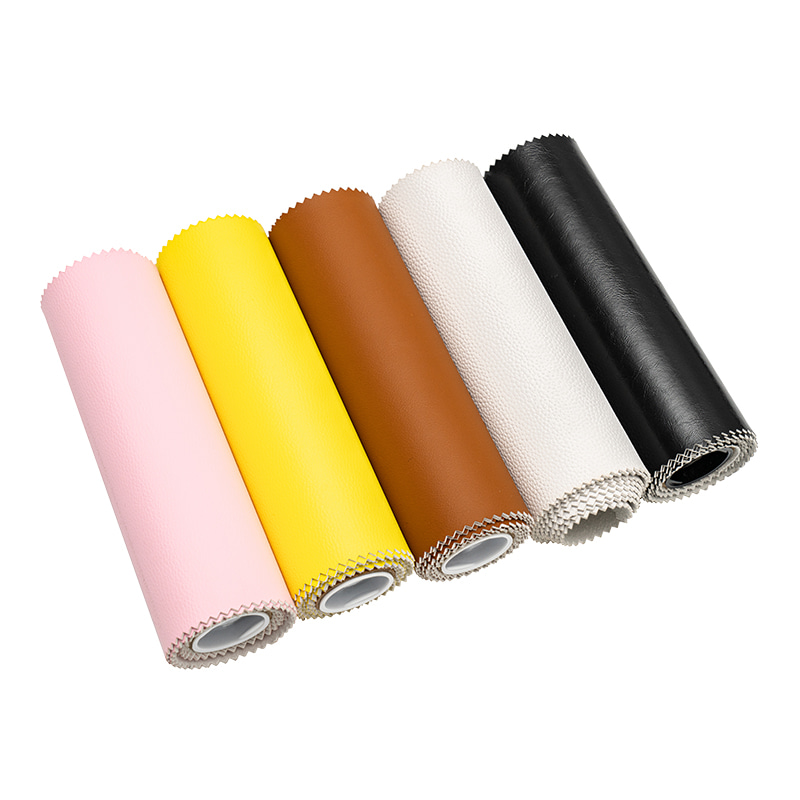
Introduction to Water-Soluble Sea-Island Fiber What is Water-Soluble Sea-Island Fiber? Water-soluble sea-islan...
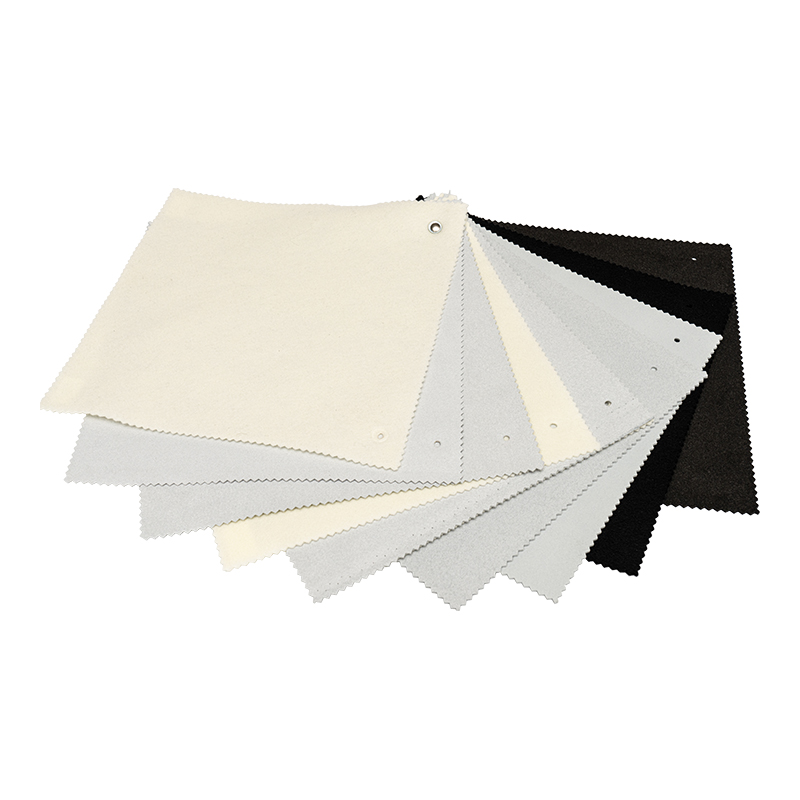
What is Water-Soluble Island-in-the-Sea Fiber? Water-Soluble Sea-Island Fiber is a breakthrough material in th...
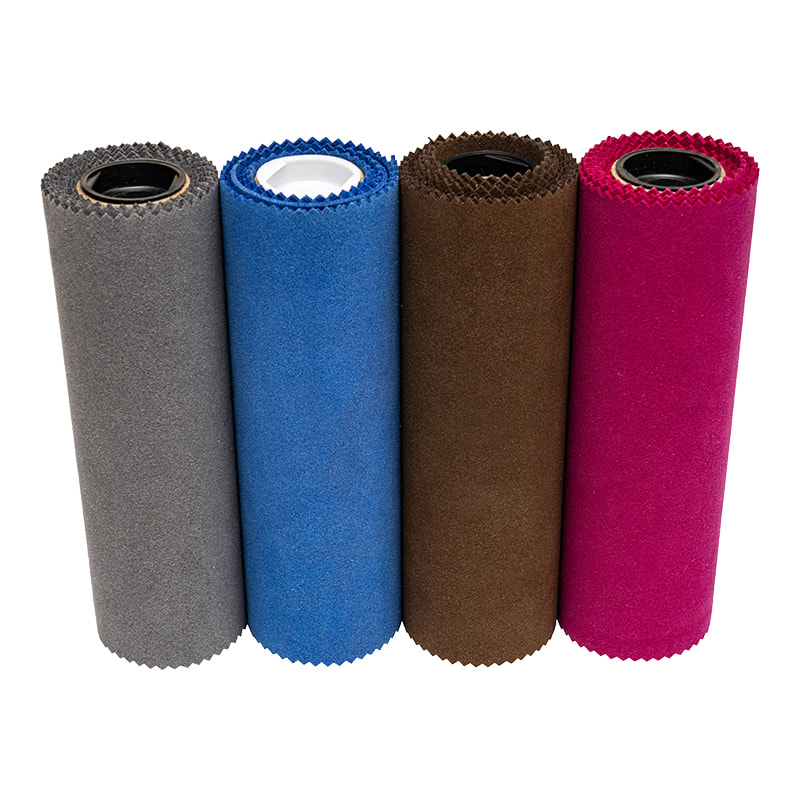
Introduction of Water-Force Microfiber Fabric What is Microfiber Fabric? Microfiber fabric is a type of textil...
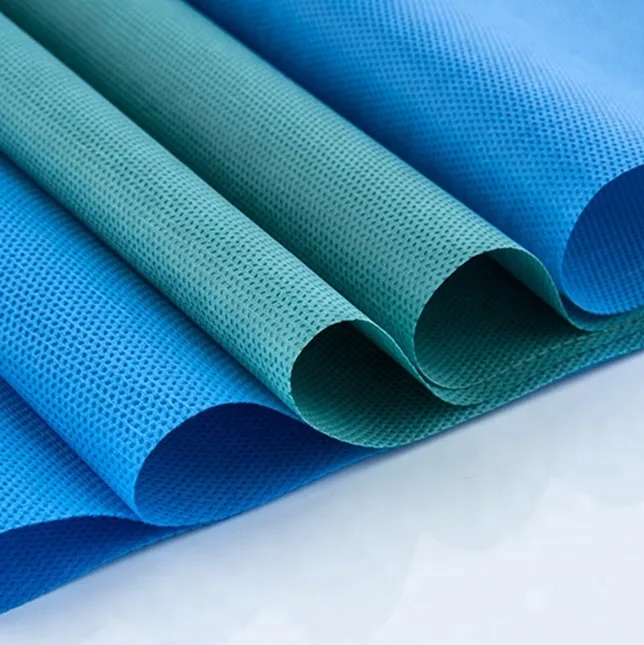
Introduction Water-soluble sea-island fiber nonwoven fabric is a groundbreaking innovation in the textile indu...
What is Water-Soluble Sea-Island Fiber? Definition and Basic Structure Water-soluble sea-island fiber is a spe...
LEMONTA Technology (ShangHai) Co., Ltd. All Rights Reserved. ALL RESERVED.
 Custom Bio-Based Water-Soluble Polyester Fiber Manufacturers
 英语
英语 中文简体
中文简体