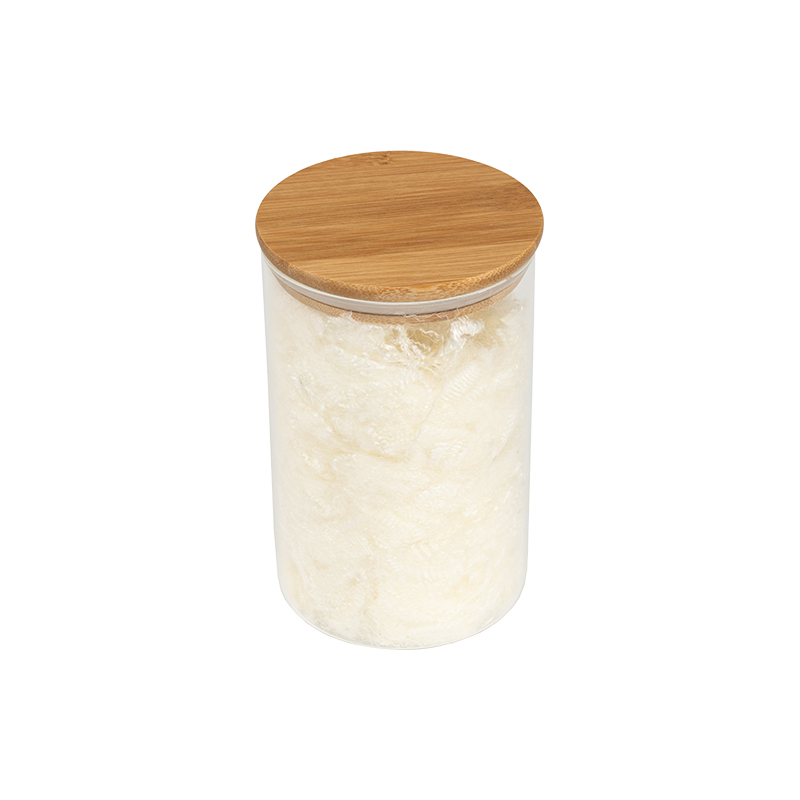
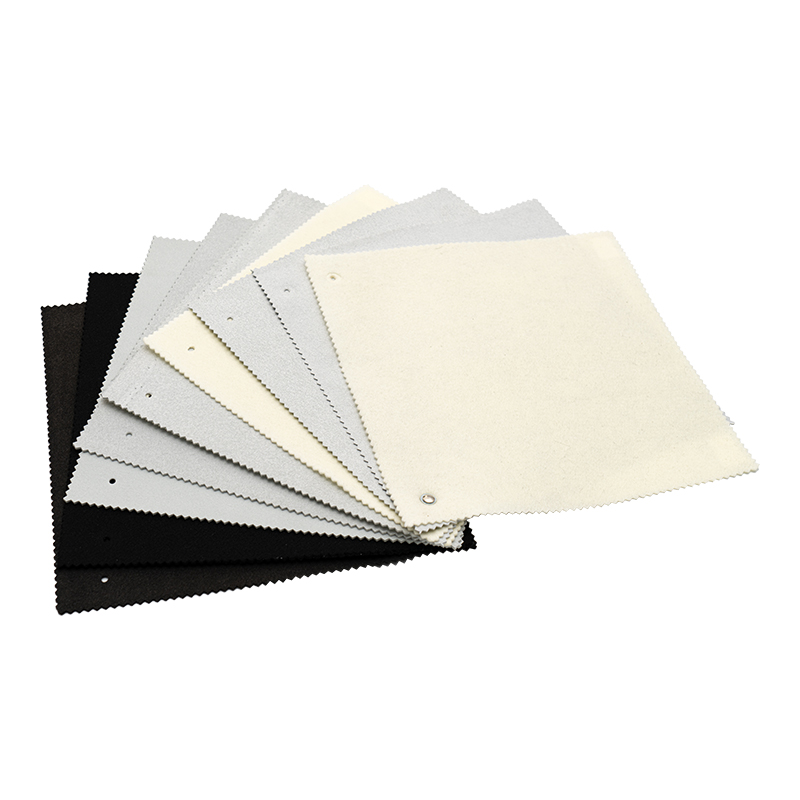
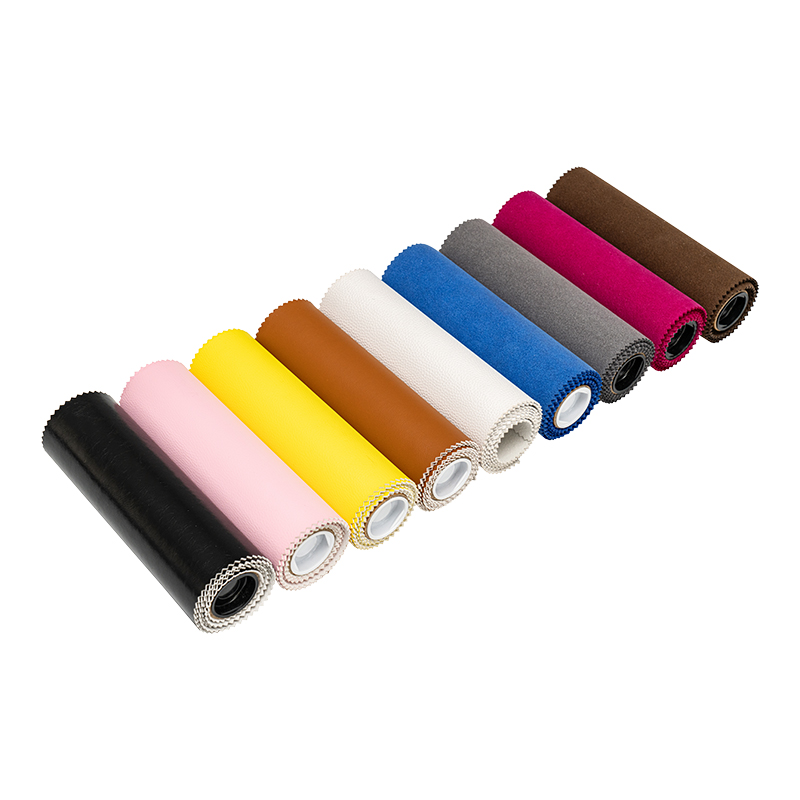
Bio-based water-soluble polyester fiber is gaining ground because it solves two manufacturing problems at once: it dissolves cleanly in water for process efficiency, and it is derived partly or fully from renewable feedstocks rather than petroleum, reducing the carbon footprint of the finished product. Manufacturers adopting this fiber typically report that it can replace conventional petroleum-based water-soluble fibers in existing production lines without major equipment changes, while improving both environmental compliance and end-of-life biodegradability.
What Bio-Based Water-Soluble Polyester Fiber Actually Is
This fiber is a variant of polyvinyl alcohol (PVA) or modified polyester structure engineered to dissolve in water at a specified temperature, typically between 20°C and 90°C depending on the grade. What distinguishes the bio-based version is that a portion of its raw material — often derived from corn, sugarcane, or other plant-based sources — replaces traditional petrochemical inputs during polymerization.
The result is a fiber that behaves nearly identically to conventional water-soluble polyester in processing — spinning, weaving, or nonwoven bonding — but carries a substantially reduced environmental burden across its lifecycle.
Governments and industry bodies across the EU, North America, and parts of Asia have tightened restrictions on synthetic fiber waste and microplastic pollution over the past several years. Textile and hygiene product manufacturers are increasingly required to disclose fiber origin and biodegradability data, and some regions have introduced extended producer responsibility (EPR) fees tied specifically to non-biodegradable synthetic content.
Bio-based water-soluble polyester fiber gives manufacturers a way to reduce exposure to these costs while maintaining the technical performance their processes depend on. This regulatory driver is arguably the single strongest reason the fiber has moved from a niche specialty material to a mainstream sourcing option in the last few years.
Adoption is concentrated in industries where water solubility is a functional requirement, not just an environmental preference. In these applications, switching to a bio-based version is a straightforward substitution rather than a redesign.
| Industry | Typical Use | Why Solubility Matters |
|---|---|---|
| Embroidery & Textiles | Support/backing fabric | Dissolves away after stitching, leaving only the design |
| Hygiene Products | Flushable wipes, nonwovens | Breaks down in water systems, reducing clogging and pollution |
| Agriculture | Seed tapes, biodegradable netting | Dissolves in soil moisture without residue |
| Packaging | Water-soluble laundry pods, dissolvable pouches | Single-use packaging that leaves no plastic waste |
Beyond sustainability credentials, the fiber offers measurable technical benefits that make it attractive on performance grounds alone.
Bio-based water-soluble polyester fiber currently carries a price premium over standard petroleum-based versions, generally in the range of 10% to 25% depending on feedstock source and production scale. This premium has been narrowing as more producers scale up bio-based polymer capacity and feedstock supply chains mature.
For manufacturers selling into markets with strict environmental labeling requirements, the cost premium is often absorbed relatively easily because it opens access to certifications and retail channels that would otherwise be closed.
Consumer demand for verifiably sustainable materials has grown steadily across apparel, hygiene, and household product categories. Brands are under pressure to substantiate sustainability claims with material-level data rather than general marketing language, and bio-based content percentage is one of the more straightforward metrics to report and verify through third-party testing.
This has pushed bio-based water-soluble polyester fiber from a technical specification decision into a brand positioning decision as well, with some manufacturers using bio-based content percentage directly in product packaging and marketing claims.
Despite momentum, the fiber has not fully displaced conventional alternatives, and manufacturers should be aware of the remaining limitations.
As feedstock supply chains mature and more producers scale bio-based polymer capacity, the cost premium for bio-based water-soluble polyester fiber is expected to continue narrowing relative to conventional alternatives. Combined with tightening regulation on synthetic fiber waste and growing brand demand for verifiable sustainability claims, the fiber is positioned to move from a specialty option to a standard input in industries where water solubility is already a functional requirement.
For manufacturers currently using conventional water-soluble polyester fiber, evaluating a bio-based substitution is increasingly a matter of when rather than if, particularly for companies selling into regulated or sustainability-sensitive markets.
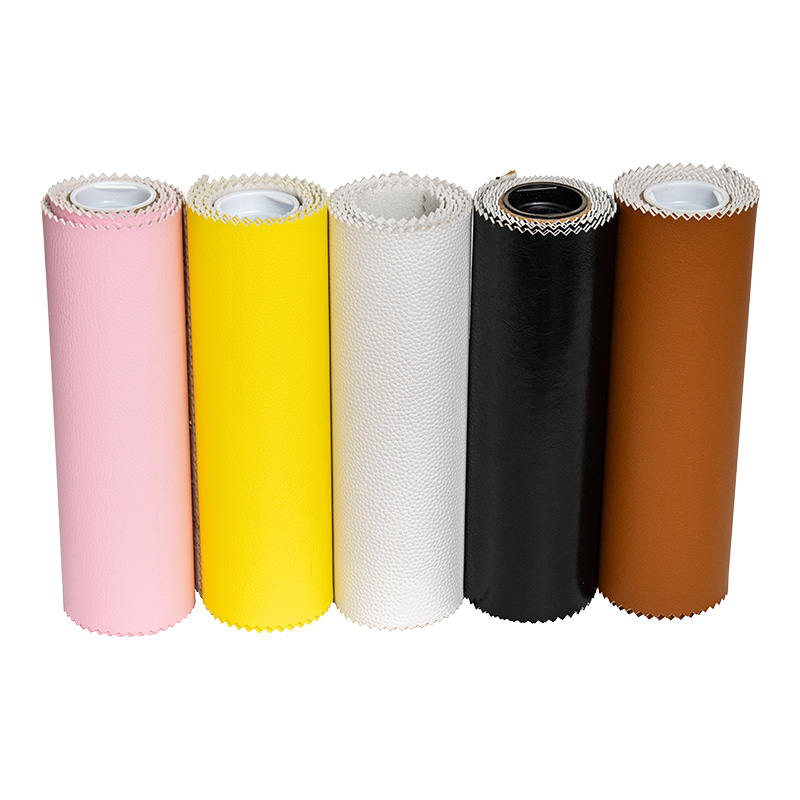
The Direct Answer: What Water-Force Microfiber Fabric Is Water-force microfiber fabric, also known as spunlace or hydroentangled microfiber nonwoven, is a fabric formed by bonding a web of ultra-fine fibers using high-pressure water jets instead of needles, heat, or chemical binders. Water jets ope...
READ MORE
Introduction to Water-Soluble Sea-Island Fiber What is Water-Soluble Sea-Island Fiber? Water-soluble sea-islan...
What is Water-Soluble Island-in-the-Sea Fiber? Water-Soluble Sea-Island Fiber is a breakthrough material in th...
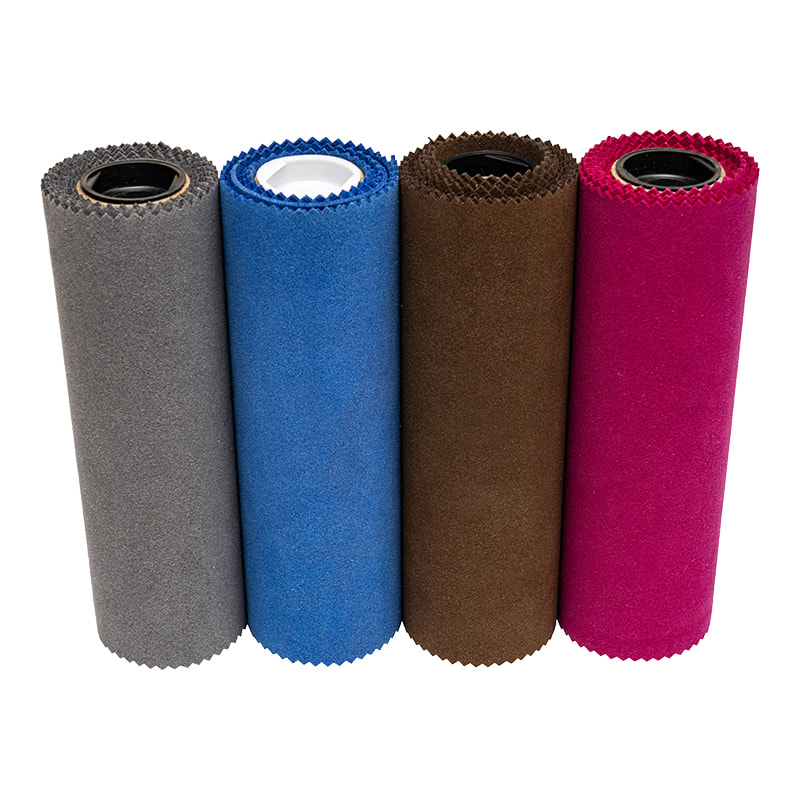
Introduction of Water-Force Microfiber Fabric What is Microfiber Fabric? Microfiber fabric is a type of textil...
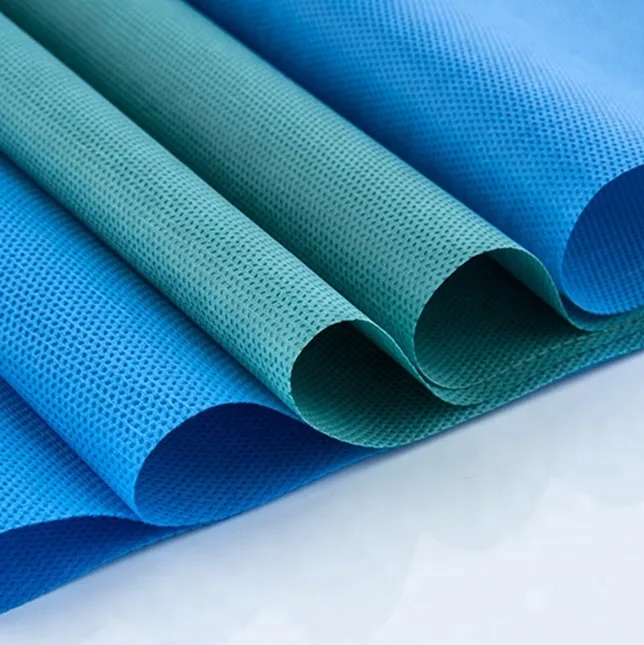
Introduction Water-soluble sea-island fiber nonwoven fabric is a groundbreaking innovation in the textile indu...
What is Water-Soluble Sea-Island Fiber? Definition and Basic Structure Water-soluble sea-island fiber is a spe...
LEMONTA Technology (ShangHai) Co., Ltd. All Rights Reserved. ALL RESERVED.
 Custom Bio-Based Water-Soluble Polyester Fiber Manufacturers
 英语
英语 中文简体
中文简体