As awareness of environmental and health issues increases, more people are paying attention to their choice of cleaning products, especially when selecting cleaning fabrics. The water-force microfiber base has become increasingly popular due to its multiple advantages.
One of the most significant advantages of water-force microfiber is its environmental friendliness. Compared to traditional oil-based microfiber, water-force microfiber generates far less chemical pollution during production and use. Water-force cleaning fabrics do not contain harmful chemicals or petroleum-based components, making them more biodegradable and reducing the release of plastic and chemical pollutants into the environment.
| Environmental Impact | Water-Force Microfiber | Oil-Based Microfiber |
|---|---|---|
| Biodegradable | Yes | No |
| Chemical Content | None | Contains harmful chemicals |
| Microplastic Release | Low | High |
Water-force microfiber is often made from sustainable materials, and its manufacturing process consumes fewer resources and energy. Additionally, using water-force microfiber reduces the need for chemical cleaners, further helping to reduce chemical and water pollution.
Water-force microfiber is more effective at absorbing dirt, dust, and bacteria than traditional cleaning fabrics. Microfibers have an incredibly fine structure that attracts and captures smaller particles. When combined with water, it not only helps loosen dirt but also provides additional lubrication, making cleaning more thorough.
The table below compares the water absorption and cleaning efficiency of water-force microfiber and other common cleaning materials, such as cotton cloth:
| Material Type | Water Absorption (g/m²) | Cleaning Efficiency (%) |
|---|---|---|
| Water-Force Microfiber | 500 | 95% |
| Cotton | 300 | 80% |
| Synthetic Fiber | 350 | 85% |
Because of its superior performance, water-force microfiber is especially suitable for cleaning surfaces that require high-efficiency dirt removal, such as kitchen counters, glass, and mirrors.
Many traditional cleaning fabrics or sponges contain strong chemicals that can damage certain delicate surfaces. Water-force microfiber, however, is different. It contains no harsh acids or alkalis, so it cleans without scratching or damaging surfaces.
For example, water-force microfiber is perfect for cleaning wood floors, glass, and sensitive electronics (such as phone or TV screens), which require gentle care.
| Surface Type | Safety with Water-Force Microfiber | Safety with Other Traditional Cloths |
|---|---|---|
| Wood Floors | Safe | May scratch |
| Glass/Mirrors | Safe | May leave scratches |
| Electronic Screens | Safe | May damage coatings |
Water-force microfiber can easily clean these delicate surfaces while preserving their original condition, without leaving harmful residues or causing physical damage.
Water-force microfiber generally lasts longer than oil-based microfiber. Oil-based cleaning cloths, due to their oily components, gradually break down with frequent use and washing, leading to reduced cleaning effectiveness. Water-force microfiber, which lacks these oily substances, is more resistant to wear and tear, leading to a longer lifespan.
The following table compares the durability of water-force microfiber and oil-based microfiber after repeated use:
| Usage Count | Water-Force Microfiber Durability | Oil-Based Microfiber Durability |
|---|---|---|
| 50 uses | 90% | 70% |
| 100 uses | 85% | 50% |
| 200 uses | 80% | 30% |
As a result, water-force microfiber requires fewer replacements, saving costs in the long run.
Many traditional cleaning fabrics may contain dyes, fragrances, or chemical cleaning agents that can trigger allergic reactions. Water-force microfiber, however, contains no harmful ingredients, making it a safer choice for people with allergies or sensitive skin.
Water-force microfiber is not only ideal for home use but also suitable for places like hospitals, schools, and other public spaces, reducing the presence of allergens and creating a healthier cleaning environment.
Another major benefit of water-force microfiber is that it allows for chemical-free cleaning. You don’t need any additional chemical cleaners; just water is enough to complete most cleaning tasks. This not only reduces harmful chemicals in your home but also minimizes the environmental impact of cleaning products.
By avoiding chemicals, water-force microfiber offers a healthier and more eco-friendly cleaning solution, especially for households with children or pets.
While water-force microfiber cloths may have a slightly higher initial cost compared to traditional cleaning fabrics, their durability and cleaning effectiveness make them cost-effective in the long term. Because they last longer and require fewer replacements, they help you save on overall cleaning costs.
| Item | Water-Force Microfiber | Traditional Cleaning Cloth |
|---|---|---|
| Initial Cost | High | Low |
| Durability | Long | Short |
| Annual Replacement Rate | Low | High |
| Long-Term Cleaning Cost | Low | High |
Therefore, water-force microfiber not only provides higher cleaning efficiency but also reduces overall cleaning expenses in the long run.
Water-force microfiber has high breathability and water absorption, allowing it to dry faster than traditional cloths. This is especially important for cleaning tools used frequently in high-traffic environments, such as hotels or hospitals, where cleaning tools need to be changed often.
Compared to traditional cotton cloths, water-force microfiber dries significantly faster, improving cleaning efficiency—especially in busy commercial settings.
Water-force microfiber is highly versatile and can be used for a wide range of cleaning tasks, from everyday household cleaning to professional applications in industries like automotive, healthcare, and hospitality. It works on kitchen surfaces, bathrooms, glass, electronic devices, and even car interiors, providing exceptional cleaning results.
The non-toxic nature of water-force microfiber makes it a safe option for use around children and pets. You don’t have to worry about harmful chemical residues left behind, ensuring that your family members and pets are safe from exposure to toxic substances.
Water-soluble sea-island fiber is gaining traction as a sustainable textile alternative, offering a range of environmental benefits. Derived from natural sources like cellulose, algae, and other plant-based materials, these fibers are not only biodegradable but also contribute to a more eco-consciou...
READ MORE
Introduction to Water-Soluble Sea-Island Fiber What is Water-Soluble Sea-Island Fiber? Water-soluble sea-islan...
What is Water-Soluble Island-in-the-Sea Fiber? Water-Soluble Sea-Island Fiber is a breakthrough material in th...
Introduction of Water-Force Microfiber Fabric What is Microfiber Fabric? Microfiber fabric is a type of textil...
Introduction Water-soluble sea-island fiber nonwoven fabric is a groundbreaking innovation in the textile indu...
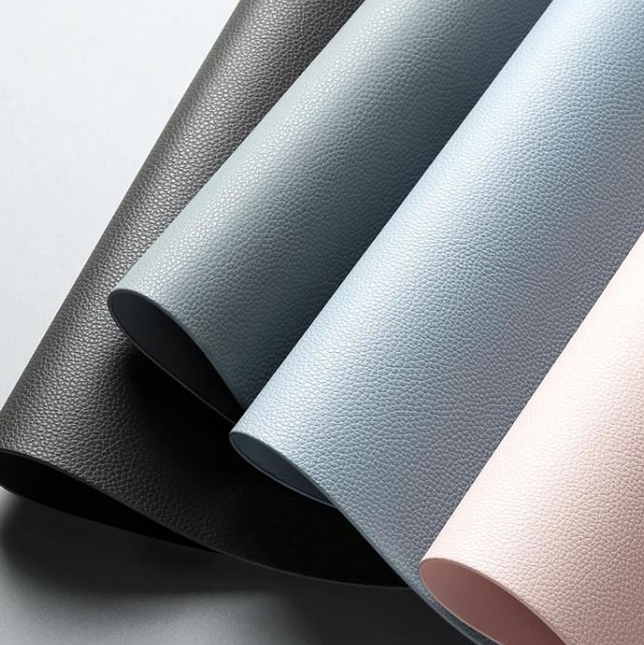
What is Water-Soluble Sea-Island Fiber? Definition and Basic Structure Water-soluble sea-island fiber is a spe...
LEMONTA Technology (ShangHai) Co., Ltd. All Rights Reserved. ALL RESERVED.
 Custom Bio-Based Water-Soluble Polyester Fiber Manufacturers
 英语
英语 中文简体
中文简体