

 英语
英语 中文简体
中文简体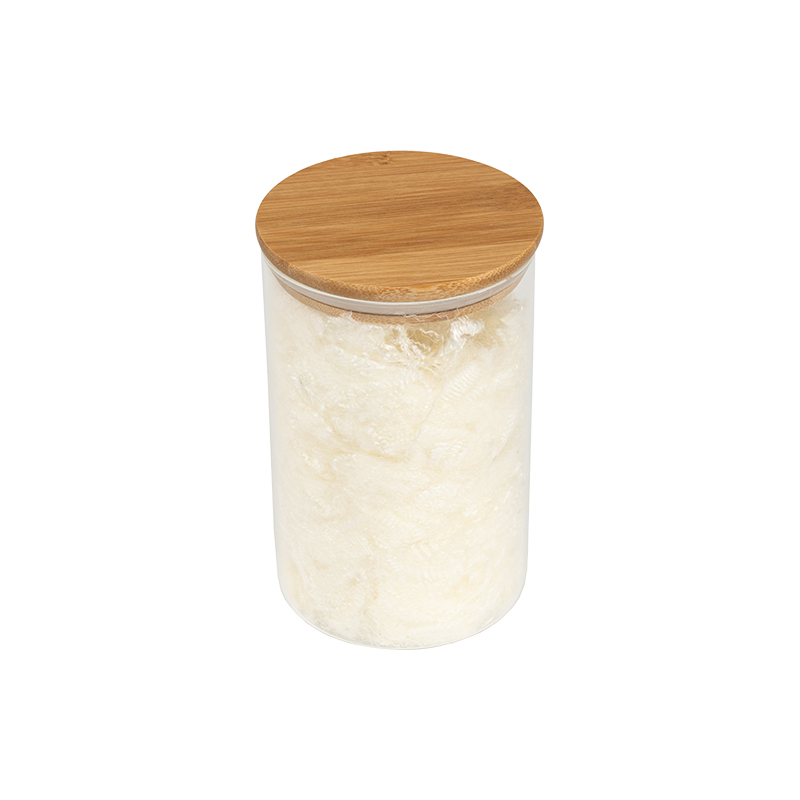
LCA & Carbon Metric Specifications
We provide transparent data regarding the environmental impact of our fibers, supported by ISO 14067 standards for carbon footprinting.
| Sustainability Metric | Reference Standard | Specification / Value |
|---|---|---|
| Global Warming Potential (GWP) | ISO 14067 / GHG Protocol | Reduced by 35% vs Solvent-Based |
| Total Embodied Energy | Cradle-to-Gate Analysis | < 85 MJ/kg |
| Water Consumption | ISO 14046 | Closed-Loop Recycling (90% Reuse) |
| Sea Component Type | Modified PVA | 100% Water Soluble |
| Energy Source | Grid + On-site Solar | 25% Renewable Energy Mix |
| Recycled Content Option | GRS (Global Recycled Std) | Up to 50% rPET/rPA6 available |
| Waste-to-Landfill | Circular Economy Model | < 2% (All scraps recycled) |
| VOC Emission (Manufacturing) | ISO 12219 | 0.0 g/unit |
Our carbon data is verified through annual third-party audits. We utilize a digital energy monitoring system in our Qianwan factory that tracks real-time power consumption, allowing us to pinpoint and eliminate energy waste during the high-speed spinning and needle-punching phases.
Strategic Scenarios & Climate Targets
The Low Carbon Footprint Fiber is the primary material for Corporate Sustainability Programs in the fashion and automotive sectors. Global brands like those in the LVMH or Kering groups, which have committed to science-based targets (SBTi), use our fibers to reduce the carbon load of their accessories and footwear lines. In the Automotive Sector, EV manufacturers use this fiber to create "Climate-Neutral" interiors. Since the cabin of an EV is already marketed as a green solution, using low-carbon upholstery ensures that the vehicle's manufacturing phase aligns with its zero-emission operational phase. This is vital for the brand's overall ESG scoring and investor relations.
Another critical scenario is Government & Institutional Tendering. Many public sectors in Europe and North America now include "Carbon Intensity" as a weighted factor in procurement contracts for office furniture, public transport seating, and uniforms. Our low-carbon fiber gives B2B bidders a decisive advantage in these competitive markets. Furthermore, it is used in Premium Sustainable Packaging. High-end electronics and jewelry brands are replacing plastic-heavy packaging with our low-carbon microfiber suede linings, offering a luxury experience that matches their corporate environmental commitments. By providing a material that is both high-performance and low-impact, we enable our partners to lead the market in the "Decarbonized Economy."
Core Advantages for Carbon-Conscious Brands
- Direct Scope 3 Emission Reduction: Significantly lowers the carbon footprint of your final product, assisting in meeting corporate Net Zero targets.
- Regulatory Future-Proofing: High performance in LCA audits ensures compliance with emerging carbon taxes and environmental disclosure laws.
- Enhanced Brand Equity: Provides a credible, data-backed sustainability story that resonates with eco-conscious consumers and investors.
- Energy Efficiency: The 95°C water-reduction process is inherently less energy-intensive than complex solvent-recovery systems.
- Circular Compatibility: Our fibers are designed to be compatible with mechanical and chemical recycling streams at the end of the product life.
- No Performance Trade-off: Delivers the same luxury hand-feel and durability as traditional microfibers, but with a fraction of the environmental cost.
Trade, Logistics & Carbon Reporting
We supply our Low Carbon Footprint Fiber in standard industrial bales, optimized for shipping efficiency to minimize transport-related emissions. Our location in the Qianwan New Area provides direct access to Ningbo Port, reducing the "inland transit" portion of the carbon footprint. We offer FOB, CIF, and DDP shipping terms. For B2B partners, we provide a "Carbon Statement" with every shipment, detailing the CO2 savings achieved compared to industry-standard materials.
Our payment terms are T/T (30/70) or Irrevocable L/C at sight. For long-term partners who share our sustainability vision, we offer "Green Credit" terms and collaborative R&D opportunities to further reduce product-specific carbon loads. Every roll or bale is traceable through a digital QR code, providing access to the LCA data for your own sustainability reporting. Lead times are typically 14 to 21 days, and we maintain a carbon-neutral warehouse for finished goods to ensure that the material's footprint is minimized until the moment of dispatch.
- Q: How do you verify the carbon footprint of the fiber?
- A: We use an independent third-party agency to conduct a "Cradle-to-Gate" Life Cycle Assessment (LCA) annually, which covers raw material extraction, transport, and manufacturing energy.
- Q: Can I get this fiber with 100% recycled content?
- A: We offer various blends, including 100% recycled PET (rPET) island filaments, which provides the lowest possible carbon footprint for a synthetic microfiber.
- Q: Does the "Low Carbon" process affect the dyeing quality?
- A: Not at all. The quality is maintained or improved because the water-based process is gentler on the fibers than traditional solvent-based methods.