The innovation of microfiber leather mainly focuses on three dimensions: simulation, functionality, and environmental protection. The selection of the process route is the most critical factor determining these three dimensions, as it directly defines the environmental protection grade, production cost, tactile performance, and compliance certification of microfiber products.
This article deeply dissects three mainstream processes: toluene-based microfiber, alkaline microfiber, and water-Force microfiber, making an all-round comparison from underlying principles to core differences, and sorting out the process iteration trend of the microfiber industry.
I. Iteration of Traditional Processes: From High Emission to Lightweight Environmental Protection
The key to the core molding of microfiber products lies in the fiber opening method and the substrate impregnation system. Different combined processes lead to distinctly different environmental performance and product attributes.
1. Toluene-Based Microfiber: The Primary Industry Process
Process Principle: Toluene fiber opening combined with solvent-based impregnation molding.It was a commonly used mass production process in the early days of the industry, with a mature technical system and certain advantages in production cost. However, the production process consumes a large amount of organic solvents, resulting in high carbon emissions, prone to waste gas and wastewater residues, relatively high VOC emissions, and certain hazards to the production environment.
According to incomplete statistics, starting from 2025, China’s microfiber industry volatilizes nearly 15,000 tons of toluene into the environment annually, equivalent to 30,000 tons of carbon dioxide emissions. Meanwhile, nearly 18,000 tons of DMF are emitted each year during microfiber impregnation and subsequent lamination processing. These environmental liabilities are not accounted for in the cost.
2. Alkaline Microfiber: Improved Transitional Process
Process Principle: Upgraded to alkaline fiber opening while retaining the solvent impregnation system.Alkaline microfiber is an improved version of the toluene process, with the core goal of reducing pollution. Compared with the toluene process, it has reduced pollutant emissions and carbon emissions, and improved production safety.
Yet its shortcomings remain prominent: the entire production process still relies on chemical additives and solvent auxiliaries, requiring multiple chemical post-treatment steps, and cannot eliminate pollutant generation at the source. It exists as a transitional process. In addition, strong alkali causes damage to fiber strength and limits the selection of polyurethane, leading to higher overall costs of polyurethane suitable for alkali reduction microfiber.
3. Water-Force Microfiber: Source Innovation
Process Principle: Full water-based system of pure water fiber opening + water-based polyurethane impregnation, completely replacing traditional organic solvents.Water-Force microfiber is a disruptive process innovation in the microfiber industry, completely abandoning toxic chemical raw materials such as toluene and alkaline solvents. The entire process of fiber opening and substrate impregnation molding is completed with pure water as the core medium.
It achieves environmental protection upgrading from the underlying process, with zero organic solvent addition throughout the process. The overall carbon emission is reduced by more than 50% compared with traditional processes, truly realizing low-carbon, clean and green production, and perfectly adapting to global dual-carbon policies and green supply chain standards of high-end brands.
II. Core Comparison of the Three Processes
Many buyers and developers fall into a misunderstanding: believing that environmental protection upgrading must sacrifice product hand feel, leather texture and durability.
However, the core advantage of water-Force microfiber is achieving a perfect balance between environmental protection and product performance.
|
Comparison Dimensions |
Toluene-Based Microfiber |
Alkaline Microfiber |
Water-Force Microfiber |
|
Environmental Protection |
Poor, high pollution and high carbon emission |
Medium, low carbon emission but still chemical pollution |
Excellent, green and clean throughout |
|
VOC Emission |
Wastewater, waste gas, etc. |
Wastewater issues |
Net zero emission |
|
Industry Adaptability |
Basic process, suitable for low-end lamination |
Transitional process, mid-end adaptation, suitable for suede |
Full-scenario adaptation, high cost-performance ratio, preferred choice for high-end supply chains |
In summary, water-force microfiber does not "trade performance for environmental protection". Instead, it leads comprehensively in environmental protection, with hand feel, leather texture and quality comparable to or even better than natural leather processes. It is currently the only microfiber process that balances compliance, product competitiveness and low-carbon attributes.
III. WaterForce、WaterOnly
For the differentiated needs of different end products, two exclusive water-based process routes: WaterForce and WaterOnly.
Water-Force Microfiber Process
A standardized water-based production process that fully replaces traditional solvent-based and alkaline processes. Adaptable to most mid-to-high end microfiber product demands, combining high environmental protection, cost performance and stable performance. It can be mass-produced to meet the basic green supply chain requirements of brands.
WaterOnly Advanced Pure Water Process
As an advanced version of water-force microfiber, it adopts an advanced solution of pure water physical fiber opening + full water-based polyurethane impregnation without any chemical additives. The product features higher fiber bulkiness, more transparent leather texture, finer hand feel, and comprehensively upgraded hydrolysis resistance, aging resistance and air permeability. It is mainly used in top application scenarios such as luxury goods, high-end shoe materials, high-end furniture and automotive interiors.
IV. Conclusion
From the primary toluene-based microfiber process, to the transitional improvement of alkaline microfiber, and then to the green innovation of water-force microfiber, the process iteration logic of the microfiber industry is clear and irreversible: solvent removal, low emission, and high performance.
Under the increasingly strict environmental policies and continuous upgrading of green procurement standards for end brands, WaterForce and WaterOnly completely resolve the industry contradiction between environmental protection and performance.They are not only the optimal choice for avoiding compliance risks and enhancing product competitiveness, but also the core track for the long-term development of the microfiber industry.
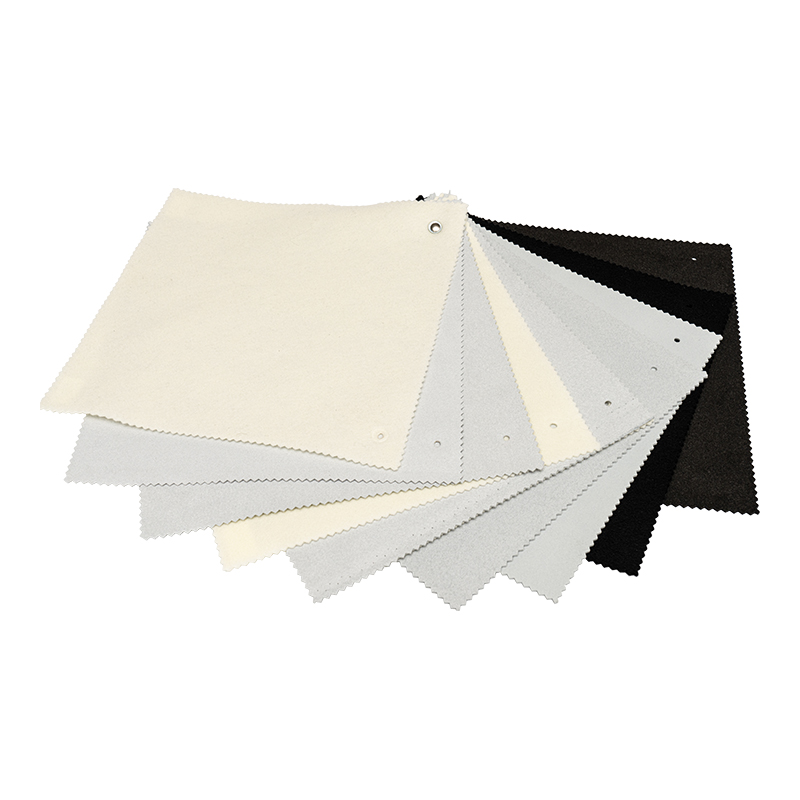
At the Fiber Level, Dissolution Works by Selectively Removing the Water-Soluble Sea Matrix While Leaving the Island Microfibers Structurally Intact — a Process Governed by Polymer Chemistry, Water Temperature, Mechanical Action, and Fiber Cross-Section Geometry The dissolution of water-soluble sea ...
READ MORE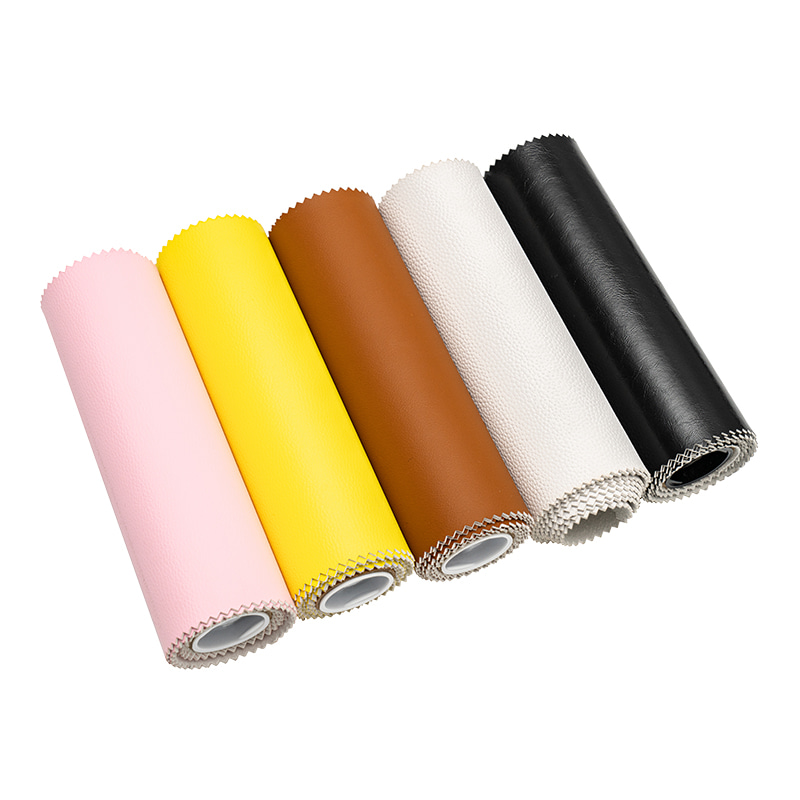
Introduction to Water-Soluble Sea-Island Fiber What is Water-Soluble Sea-Island Fiber? Water-soluble sea-islan...
What is Water-Soluble Island-in-the-Sea Fiber? Water-Soluble Sea-Island Fiber is a breakthrough material in th...
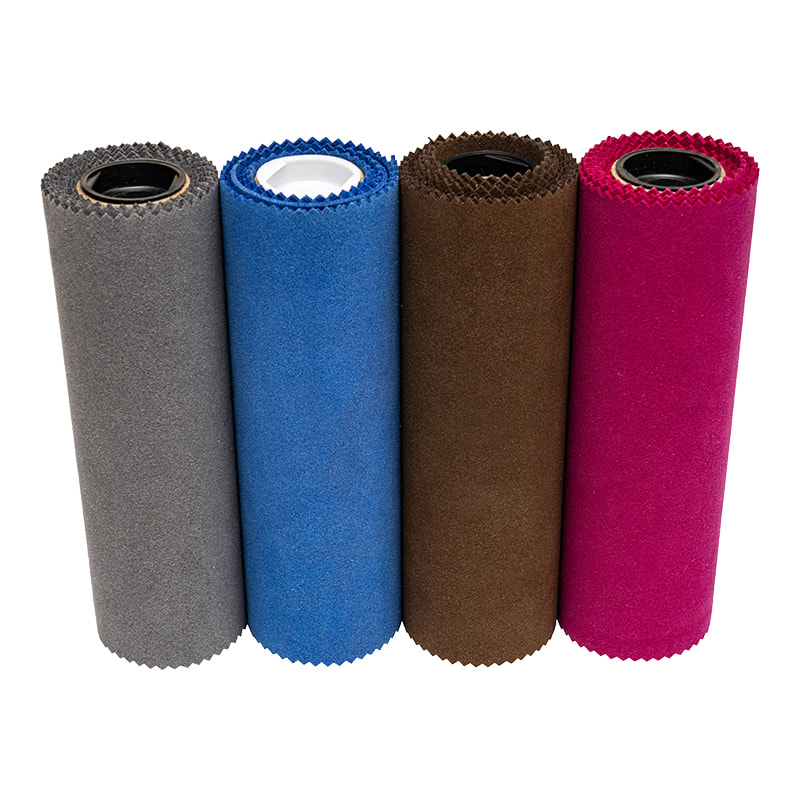
Introduction of Water-Force Microfiber Fabric What is Microfiber Fabric? Microfiber fabric is a type of textil...
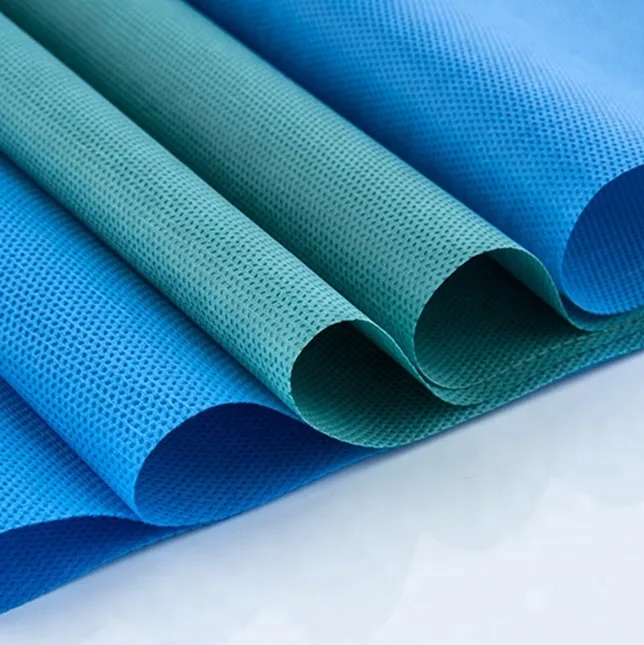
Introduction Water-soluble sea-island fiber nonwoven fabric is a groundbreaking innovation in the textile indu...
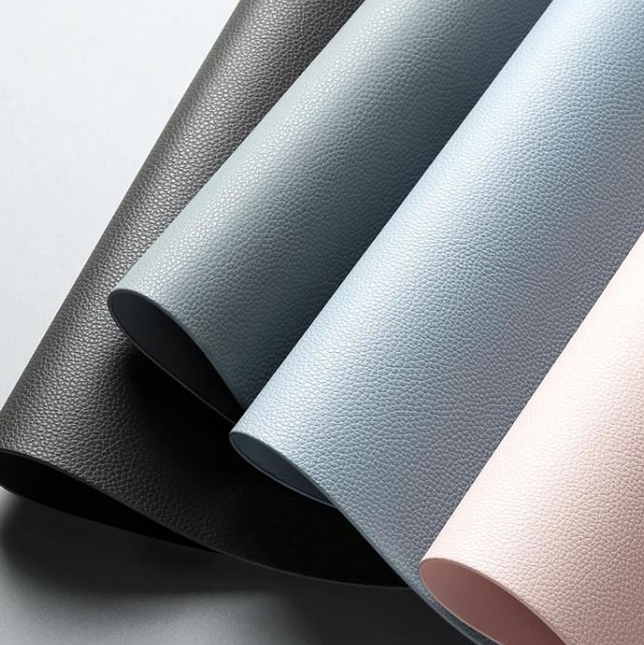
What is Water-Soluble Sea-Island Fiber? Definition and Basic Structure Water-soluble sea-island fiber is a spe...
LEMONTA Technology (ShangHai) Co., Ltd. All Rights Reserved. ALL RESERVED.
 Custom Bio-Based Water-Soluble Polyester Fiber Manufacturers
 英语
英语 中文简体
中文简体