The dissolution of water-soluble sea island fiber nonwoven fabric is not simply a matter of putting fabric in water and waiting. At the fiber level, it is a precisely sequenced physicochemical process where water molecules penetrate the sea polymer matrix, break intermolecular bonds, solvate polymer chains, and carry dissolved material away from the fiber surface — all while the insoluble island filaments remain dimensionally stable and structurally sound. The rate, completeness, and uniformity of this dissolution determine whether the resulting microfiber web is usable or defective. Understanding what happens at the nanometer and micrometer scale inside each bicomponent filament cross-section explains why temperature, agitation, liquor ratio, and fiber architecture parameters are not arbitrary processing variables but direct drivers of dissolution quality and microfiber release.
Polyvinyl alcohol (PVA), the most common sea component, dissolves in water through a well-defined sequence of molecular interactions. Each step must complete before the next can proceed efficiently, which is why dissolution is a rate-limited process rather than an instantaneous event.
When a sea island fiber first contacts water, water molecules penetrate the amorphous regions of the PVA sea phase through diffusion. PVA's hydroxyl groups (-OH) along the polymer backbone form hydrogen bonds with water molecules, causing the amorphous regions to swell. PVA can absorb 15–30% of its own weight in water before visible dimensional change occurs, with swelling concentrated in amorphous zones where polymer chain packing is loose enough to admit water molecules. Crystalline regions of the PVA — where chains are tightly packed in ordered arrays — resist initial water penetration and swell significantly more slowly.
As water molecules diffuse deeper into the sea phase, they compete with and displace the hydrogen bonds that hold adjacent PVA chains together. Each PVA repeat unit contains one hydroxyl group capable of forming hydrogen bonds with neighboring chains; in the dry state these inter-chain bonds provide cohesive strength to the sea matrix. Water molecules, carrying two hydrogen bond donor sites and two acceptor sites per molecule, effectively out-compete the PVA-PVA hydrogen bonds and form PVA-water hydrogen bonds instead. This substitution progressively weakens inter-chain cohesion across the amorphous sea phase.
Once inter-chain hydrogen bonds are sufficiently disrupted, individual PVA chain segments become solvated — surrounded and stabilized by water molecules — and begin to separate from the bulk sea phase. This creates a dissolution front that propagates from the fiber surface inward toward the island filaments. The dissolution front moves at a rate of approximately 0.1–1.0 µm per second at 40°C in still water, accelerating significantly as temperature increases. Since a typical sea phase wall thickness between the fiber outer surface and the nearest island is 1–5 µm, complete sea removal from the outer fiber surface can occur within seconds to minutes depending on conditions.
The crystalline regions of PVA resist dissolution until temperature provides sufficient thermal energy to disrupt the ordered chain packing. PVA crystallites require water temperatures above their hydrated melting point — typically 60–80°C for standard irrigation-grade PVA with 87–89% degree of hydrolysis — before they dissolve at practical rates. Below this threshold, the amorphous sea phase dissolves but crystalline domains remain as insoluble fragments that contaminate the microfiber web and process water. This is the molecular explanation for why dissolution temperature is not merely a rate parameter but a threshold requirement for complete sea removal.
Not all PVA dissolves at the same temperature. The two structural variables that define dissolution behavior — degree of hydrolysis and degree of polymerization — are set during PVA manufacture and directly determine which water temperature is needed to dissolve a given sea island nonwoven fabric.
| PVA Grade | Degree of Hydrolysis | Dissolution Temperature | Crystallinity Level | Typical Application |
|---|---|---|---|---|
| Cold-water soluble | 75–85% | 5–25°C | Low | Embroidery backing, medical substrates |
| Warm-water soluble | 86–89% | 40–60°C | Medium | Textile sacrificial substrates, lace backing |
| Hot-water soluble | 98–99% | 80–95°C | High | Industrial microfiber release, synthetic leather |
The degree of hydrolysis controls the ratio of hydroxyl groups to acetate groups along the PVA backbone. Higher hydrolysis means more hydroxyl groups, which creates stronger inter-chain hydrogen bonding and higher crystallinity — requiring more thermal energy (higher water temperature) to break the crystal lattice and dissolve the polymer. Paradoxically, very low hydrolysis grades (below 75%) also become more difficult to dissolve because residual acetate groups reduce water affinity; the optimal cold-dissolution window sits at 75–85% hydrolysis where crystallinity is low enough to dissolve without elevated temperature.
While the sea phase undergoes the dissolution sequence described above, the island filaments experience a parallel set of physical changes that determine the quality and characteristics of the released microfiber web.
During spinning and web formation, the island filaments are held in precise geometric positions within the sea matrix under mechanical constraint. As the sea phase dissolves, this constraint is progressively removed. Island filaments spring back to their natural equilibrium configuration — a process that causes measurable dimensional changes in the fabric. A sea island nonwoven fabric that measured 100 × 100 cm before dissolution may yield a microfiber web of 95–98 × 95–98 cm after complete sea removal, reflecting the elastic recovery of released island filaments. This shrinkage must be accounted for in applications where final microfiber web dimensions are critical.
Before dissolution, all islands within a single bicomponent filament cross-section are held as a cohesive bundle by the surrounding sea. As sea dissolution proceeds from the fiber surface inward, the outermost ring of island filaments is freed first, followed progressively by interior islands. In a 37-island filament with 2.5 dtex total fineness and 50% sea content, each released island microfiber has an individual fineness of approximately 0.034 dtex — a fiber diameter of roughly 2 µm, placing it firmly in the ultrafine or microfiber category. The sequence of island release from outside-in means that complete bundle separation requires full sea dissolution through the fiber center, not just surface dissolution.
The surface of island filaments that were in direct contact with the sea phase carries residual chemistry from the interface. PET islands released from a PVA sea phase show trace PVA adsorption on their surface — typically 0.1–0.5% by weight — which actually enhances subsequent finishing chemical uptake and dyeability compared to conventionally spun PET microfibers of equivalent fineness. This surface modification is an incidental benefit of the sea dissolution process rather than a designed feature, but it is exploited in synthetic leather and technical textile applications where island surface chemistry affects coating adhesion.
Three process variables — water temperature, mechanical agitation, and liquor ratio — act on the fiber-level dissolution mechanism through distinct physical pathways. Optimizing all three simultaneously achieves complete, uniform sea removal in the shortest possible time.
Temperature acts on dissolution through two simultaneous mechanisms. First, it increases the diffusion coefficient of water molecules into the sea polymer — for every 10°C rise in temperature, the diffusion rate approximately doubles according to Arrhenius kinetics. Second, as described earlier, temperature must exceed the hydrated crystallite melting point to dissolve the crystalline sea phase fraction. The combined effect produces a strongly nonlinear dissolution rate vs. temperature relationship:
When a sea island fiber dissolves in still water, the dissolved PVA chains accumulate in a thin concentration boundary layer immediately surrounding the fiber surface. This boundary layer acts as a diffusion barrier — the local PVA concentration within it rises to near-saturation, reducing the concentration gradient that drives further dissolution. In still water, boundary layer thickness grows over time and dissolution progressively slows even as plenty of bulk water remains available.
Mechanical agitation — whether from paddle motion, jet circulation, ultrasonic action, or tumbling — continuously disrupts and replaces the boundary layer with fresh, PVA-free water. Increasing agitation from still to moderate (0.5 m/s relative fluid velocity at the fiber surface) reduces dissolution time by 40–60% for warm-soluble grades at constant temperature. However, excessive agitation at temperatures near the sea polymer's softened state can physically fragment not-yet-dissolved sea domains before they fully dissolve, generating fine PVA particles that contaminate the process bath rather than dissolving cleanly.
Liquor ratio (the ratio of water volume to fabric weight) determines how quickly the process bath approaches PVA saturation concentration. PVA solubility in water at 80°C is approximately 15–20 g per 100 ml. At a liquor ratio of 5:1 (5 liters of water per kilogram of fabric) processing a nonwoven with 50% sea content by weight, the bath reaches roughly 5–6% PVA concentration after complete dissolution — well below saturation. At a very low liquor ratio of 2:1, the bath may approach saturation before dissolution completes, slowing or halting the process mid-cycle.
Industrial sea dissolution processes use liquor ratios of 10:1 to 30:1 to ensure the bath remains far from saturation throughout the process cycle. In jet dyeing machines used for synthetic leather substrate processing, liquor ratios of 15:1 to 20:1 are standard, combined with bath temperatures of 80–95°C and jet velocities of 200–400 m/min to simultaneously address all three rate-limiting factors.
The geometric arrangement of islands within the sea matrix — determined at the spinneret design stage — directly controls how uniformly and completely dissolution proceeds through the fiber cross-section.
The sea wall thickness — the distance between adjacent island surfaces or between an island and the fiber outer boundary — determines the maximum path length that the dissolution front must travel to fully liberate each island. Thicker sea walls require longer dissolution times and are more prone to leaving undissolved sea residues in the fiber interior, particularly if process water temperature is marginally below the crystallite dissolution threshold.
Higher island counts at constant sea percentage mean thinner sea walls and more island-sea interfacial area per unit fiber volume. A 64-island filament dissolves its sea phase approximately 30–40% faster than a 16-island filament of identical total fineness and sea ratio under equivalent process conditions, because the greater interfacial area provides more sites for simultaneous dissolution front initiation and the thinner sea walls shorten the diffusion path to each island center.
Incomplete or non-uniform dissolution produces specific fiber-level defects in the released microfiber web. Identifying these defects under microscopy reveals the root cause and guides process correction.
| Defect | Appearance at Fiber Level | Root Cause | Correction |
|---|---|---|---|
| Partial splitting | Outer islands free, inner islands still encased in sea residue | Temperature below crystallite melting point; excessive sea wall thickness | Increase temperature above threshold; extend dissolution time |
| Sea fragments | Insoluble PVA particles adhering to island surfaces | Excessive agitation fragmenting partially dissolved crystallites | Reduce agitation intensity; increase temperature to fully melt crystallites before agitation |
| Island fusion | Adjacent island microfibers bonded together at contact points | Temperature above island polymer softening point during dissolution | Reduce dissolution temperature; use sea polymer with wider temperature gap to island softening point |
| Non-uniform release | Some fiber cross-sections fully split, others unsplit in same fabric area | Uneven sea wall thickness from spinneret pressure imbalance | Inspect and recalibrate spinneret distribution plate pressure balance |
| Bath saturation arrest | Islands partially exposed, sea swollen but not dissolved | Liquor ratio too low; bath PVA concentration approaching saturation | Increase liquor ratio to minimum 10:1; use fresh water rinse cycle |
After complete and uniform sea dissolution, the remaining microfiber web is a three-dimensional network of ultrafine filaments — typically 0.05–0.3 dtex individual fineness — held together only by the mechanical entanglement created during web formation and bonding. The web is dramatically changed from the original fabric in both structure and properties:
Every fiber-level dissolution parameter — temperature relative to crystallite melting threshold, boundary layer management through agitation, bath saturation prevention through liquor ratio control, and cross-section geometry through spinneret design — ultimately determines whether the released microfiber web achieves the specific surface area, uniformity, and mechanical properties that make sea island nonwoven technology superior to any alternative method of producing ultrafine fiber webs at industrial scale.
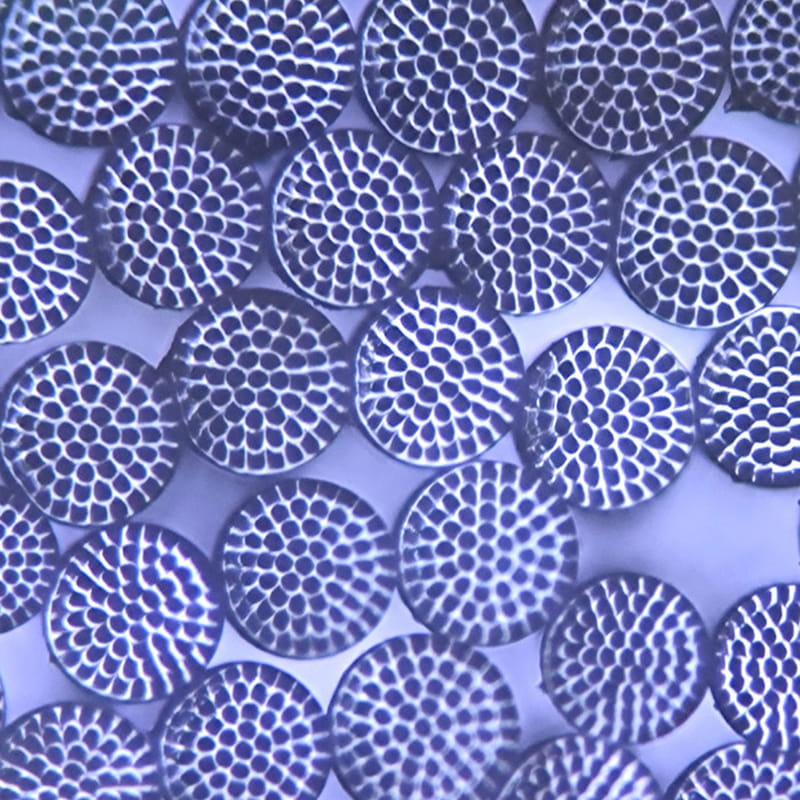
If microfiber is a top performer in bionic leather technology, then sea-island fiber technology is the "genetic code" that determines its performance limit. In the previous issue, we unlocked the birth and evolution of microfiber. This issue focuses on its core technology — sea-island fiber. 1、The "...
READ MORE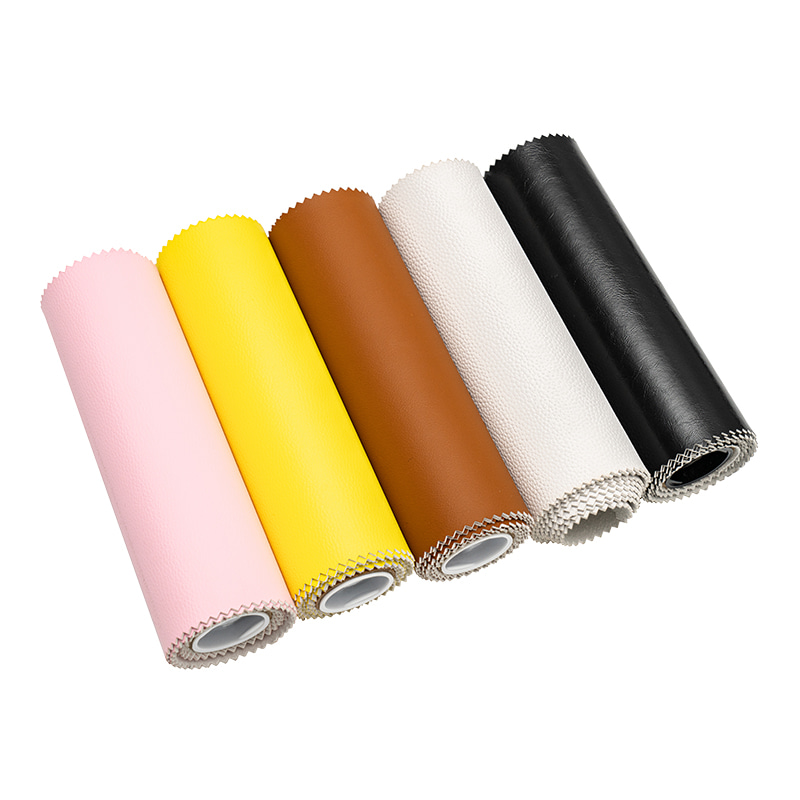
Introduction to Water-Soluble Sea-Island Fiber What is Water-Soluble Sea-Island Fiber? Water-soluble sea-islan...
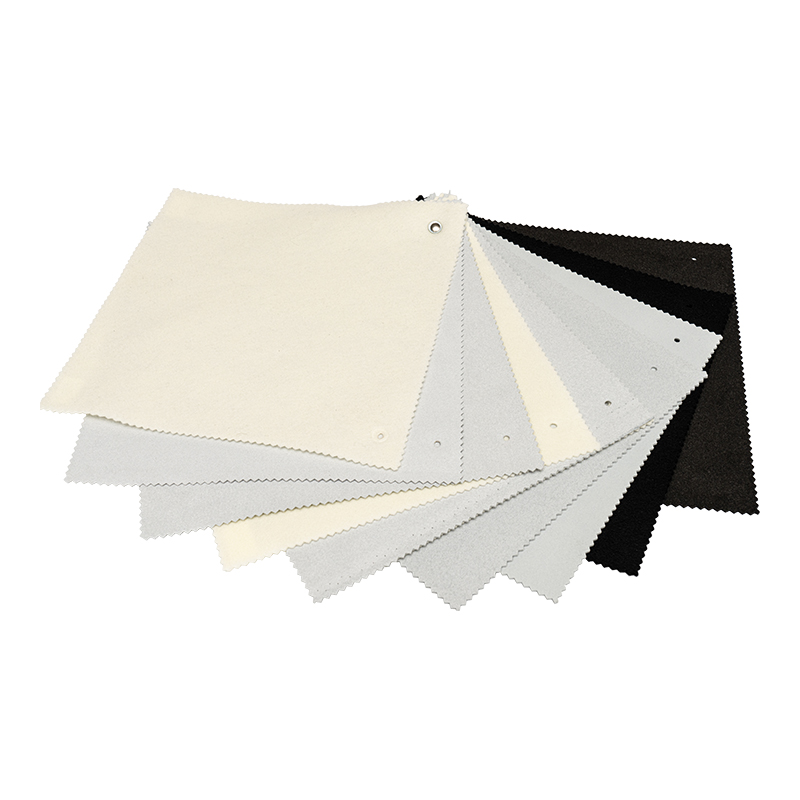
What is Water-Soluble Island-in-the-Sea Fiber? Water-Soluble Sea-Island Fiber is a breakthrough material in th...
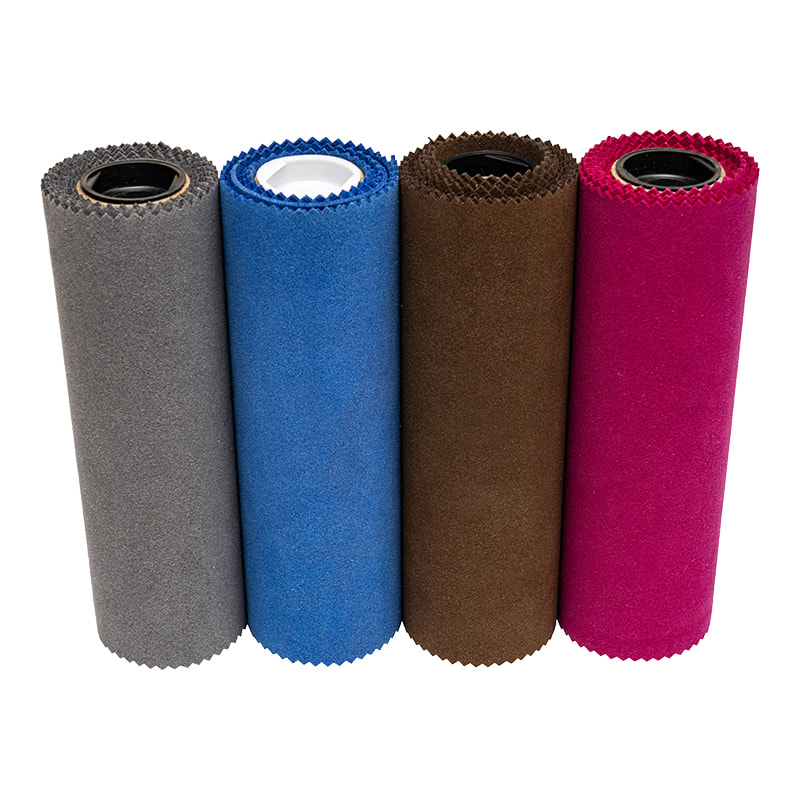
Introduction of Water-Force Microfiber Fabric What is Microfiber Fabric? Microfiber fabric is a type of textil...
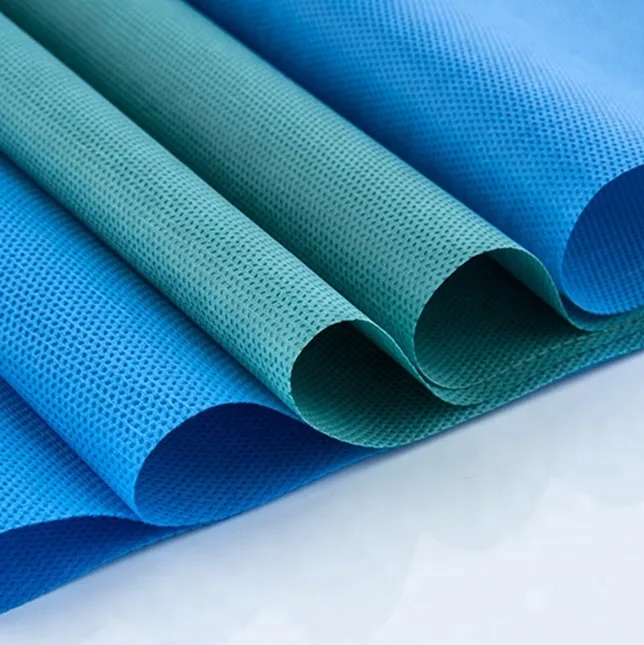
Introduction Water-soluble sea-island fiber nonwoven fabric is a groundbreaking innovation in the textile indu...
What is Water-Soluble Sea-Island Fiber? Definition and Basic Structure Water-soluble sea-island fiber is a spe...
LEMONTA Technology (ShangHai) Co., Ltd. All Rights Reserved. ALL RESERVED.
 Custom Bio-Based Water-Soluble Polyester Fiber Manufacturers
 英语
英语 中文简体
中文简体