A bonded fabric can look flawless on a sample board and still fail after repeated flexing. The weak point is rarely the face fabric. More often, it is the adhesive layer or the nonwoven base that was not engineered for the intended end use. For anyone buying bonded fabrics for footwear, upholstery, bags, or automotive interiors, the decision should start with two questions: how the layers are joined, and what the base layer is made of.
Bonded fabric is not a single material. It is a family of constructions in which two or more layers of fabric, fiber web, or film are joined by an adhesive, heat, or mechanical entanglement. The layers can be different in fiber type, density, and thickness. What makes a bonded fabric work is the continuity and flexibility of the bond between them.
Nonwoven bonding is the most relevant category for microfiber and synthetic leather. In needle punching, barbed needles push fibers through a web and lock them together. In hydroentanglement, fine water jets wrap fibers around each other without chemical binders. In thermal bonding, a low-melt fiber softens and welds the web. Each method changes the stiffness, porosity, and peel resistance of the final material.
The table below summarizes common bonding methods.
| Bonding method | How it works | Typical role in bonded fabrics |
|---|---|---|
| Adhesive lamination | Hot-melt or water-based adhesive joins two or more layers | Lining, outer shell, automotive trim |
| Thermal bonding | Heat and pressure fuse low-melt fibers into a web | Nonwoven filters, interlinings, insulation |
| Hydroentanglement | High-pressure water jets entangle fibers physically | Microfiber and wipes bases, synthetic leather |
| Needle punching | Barbed needles mechanically tangle fibers | Heavy bases for footwear and upholstery |
When a face fabric is later laminated to this base, the same physical principles apply. A bond that is too hard creates a stiff board. A bond that is too weak separates at the edges after washing or wear. The correct bond has to match the stretch and recovery of each layer.
In a bonded structure, the base layer controls how much adhesive is absorbed, how evenly the stress is distributed, and how the material feels after curing. A coarse, open base can consume adhesive and still leave a rough surface. A dense microfiber base creates a fine, uniform surface but needs a bond that can penetrate without becoming a plastic film.
This is where water-soluble island fibers add value. A nonwoven made from nylon-island fibers can be split after bonding into ultra-fine filaments, giving the surface a large number of fine contact points for the adhesive. The result is a higher peel strength without excessive stiffness.
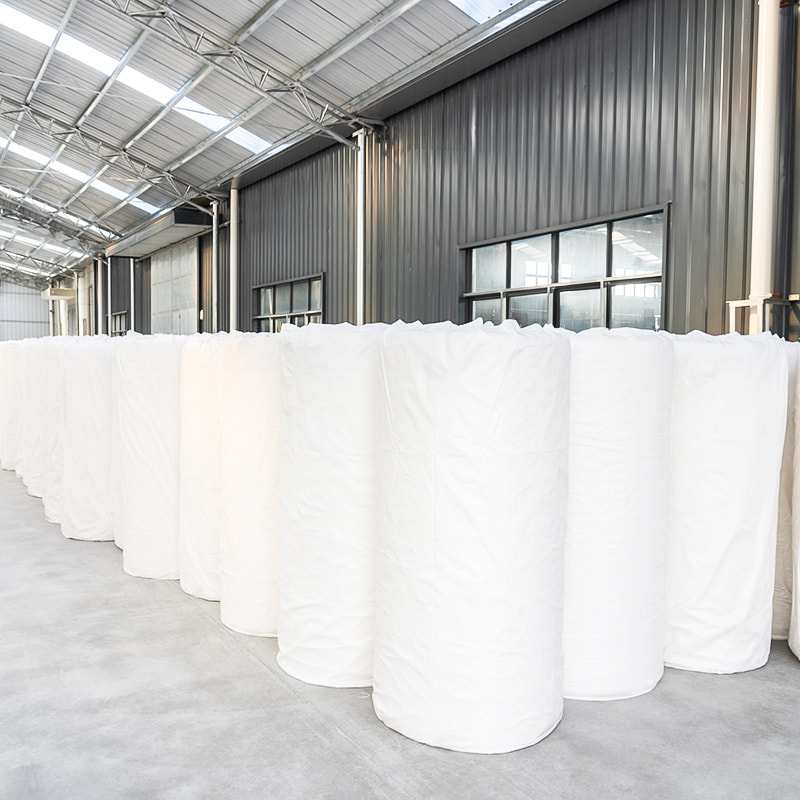 Water-Soluble Nylon Island Fiber Nonwoven FabricThis water-reduced needle-punched nonwoven splits into ultra-fine nylon filaments, increasing adhesive contact points for higher peel strength without stiffness, making it a practical base for bonding applications.View Product →
In practice, the choice between nylon and polyester islands also changes the final performance. Nylon islands bring abrasion resistance and toughness; polyester islands bring dimensional stability and a cleaner feel under resin finishing. The nonwoven structure should therefore be selected together with the intended top coat and final use.
Bonded fabrics are often confused with laminated fabrics, but the distinction is important. A laminated fabric uses a membrane or film as an intermediate layer to block moisture, wind, or water. A bonded fabric joins layers directly, without a membrane. That direct connection leaves more air pathways and generally makes the material more breathable.
However, breathability is not automatic. If an adhesive is applied as a continuous film, it can seal the fabric as effectively as a laminate. A discontinuous adhesive pattern, such as dots, grids, or a porous coating, preserves airflow and softness. This is why buyers should ask for the bonding pattern as part of the specification, not just the total thickness.
Water-based adhesives tend to form a less dense film than solvent-based systems, which helps breathability and reduces odor. For microfiber base materials, a water-based route also avoids carrying solvent residue into the next conversion step.
Instead of judging a bonded fabric by surface appearance alone, use a short checklist that reflects the risks in production and use.
For the technical mechanism behind fiber fineness, our review of high-performance fabrics made from water-soluble sea-island fiber explains how base components and island count control final fineness.
When you need a bonded or bondable base that already contains microfiber structure, a water-based microfiber fabric is a practical starting point because it can be bonded against a face layer with less resin and lower total weight.
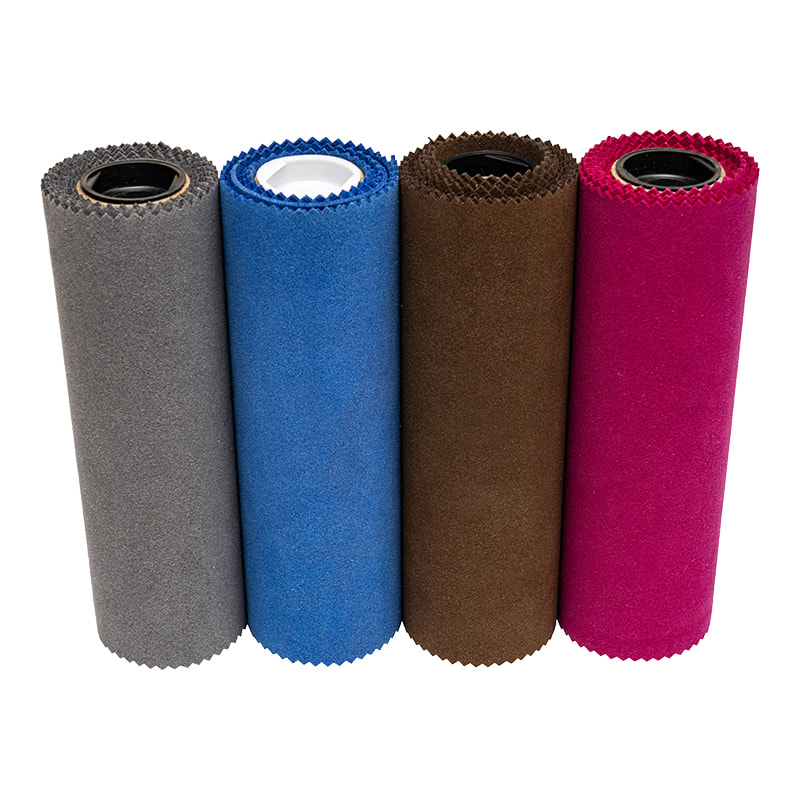 Water-Force Microfiber FabricA water-based microfiber base that already contains microfiber structure, allowing bonding with less resin and weight. Ideal for footwear, upholstery, and automotive uses where environmental performance and durability matter.View Product →
The right bond specification depends on the end use. A dress lining and a car-seat cover both use bonded fabrics, but they fail in different ways. Dress linings need softness and drape; car-seat covers need dimensional stability, heat resistance, and low fogging. Footwear uppers need repeated flexing without delamination. Upholstery needs abrasion resistance and edge tear strength.
When the same base structure is used for multiple markets, the bonding formula has to be adjusted for adhesive type, coating weight, and lamination pressure. This is why generic answers such as "we offer bonded fabrics" are not enough. The useful specification includes the base layer weight, the bond pattern, and the target peel strength.
The supply chain for a bonded microfiber material often starts before the fabric is formed. Water-soluble sea-island fiber is made with a sea component that can be dissolved away and islands that become the final microfibers. These fibers are formed into a nonwoven, usually by needle punching or hydroentanglement, and then the sea phase is removed. The remaining microfiber network becomes the base for a synthetic leather or a bonded composite.
For applications where a polyester island system is preferred, for example when the final material needs high shape retention and resistance to hydrolysis, the polyester sea-island nonwoven offers a more stable base for adhesive coating and lamination.
Water-Soluble Polyester Sea-Island Fiber Nonwoven FabricA polyester island system offering shape retention and hydrolysis resistance, well-suited for adhesive coating and lamination. Its PVA sea phase dissolves in hot water, providing an eco-friendly alternative to traditional processing.View Product →
From this point, the base can be bonded to a film, a woven face layer, or another nonwoven. The final material is no longer just a fabric; it is an engineered composite where the bond line, the substrate, and the finishing chemistry work together.
Bonded fabrics fail when they are treated as a simple combination of layers. The bond method, base fiber, and nonwoven construction have to be selected as one system. By starting with a fiber and nonwoven designed for splitting and clean bonding, a supplier can deliver a bonded structure with better hand-feel, stronger peel resistance, and a cleaner manufacturing footprint.
If you are comparing bonded base materials for a new project, contact our materials team with the application, required durability, and finish specification.
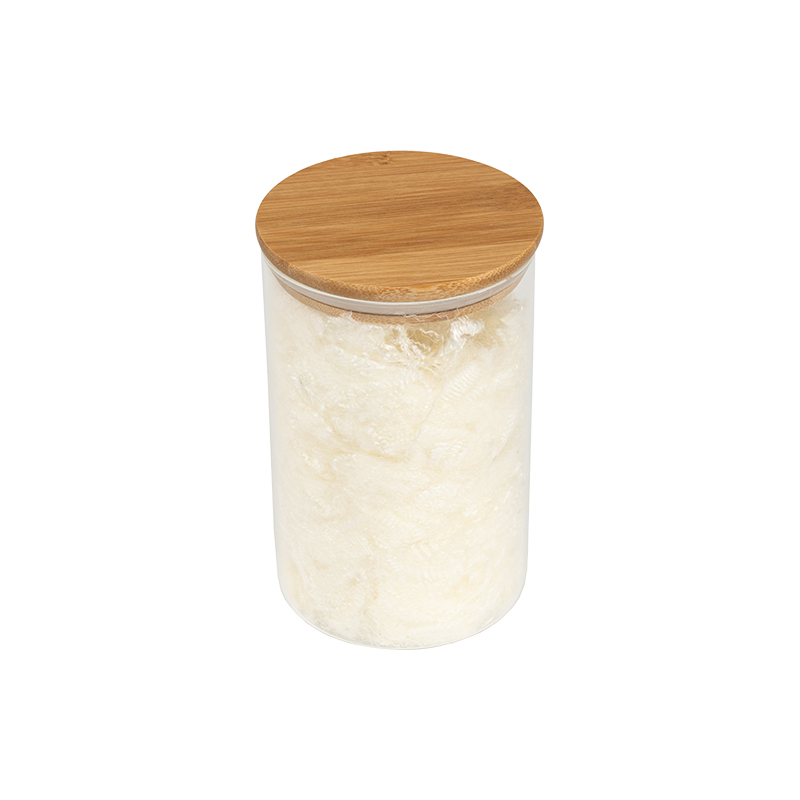
When you are selecting a nonwoven substrate for upholstery, automotive trimming, or synthetic leather, the core performance questions usually come down to the same handful of felt fabric properties: density, thickness, tensile strength, abrasion resistance, and recovery. Traditional wool felt answe...
READ MORE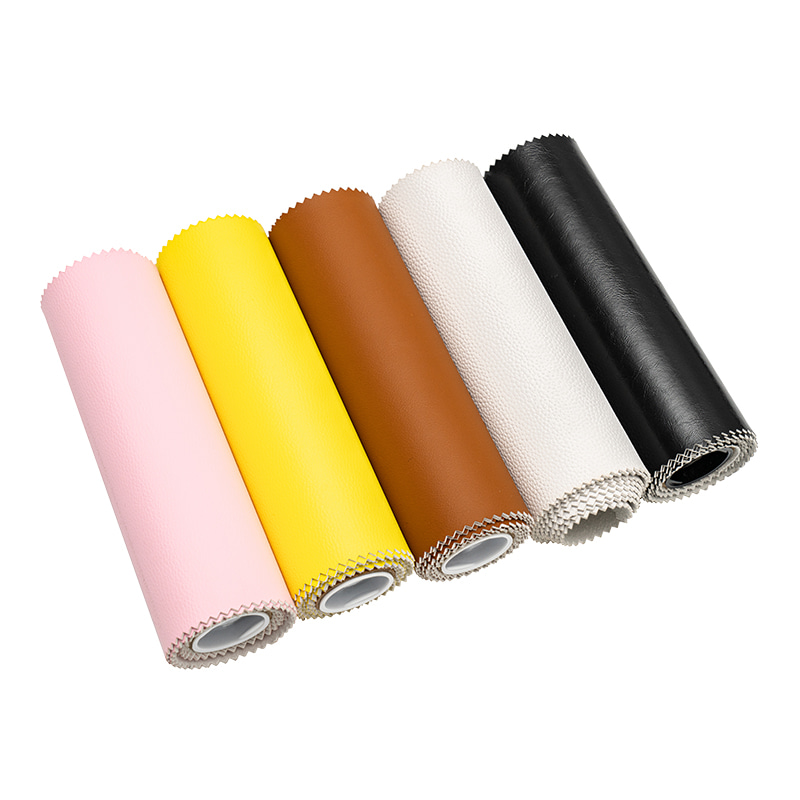
Introduction to Water-Soluble Sea-Island Fiber What is Water-Soluble Sea-Island Fiber? Water-soluble sea-islan...
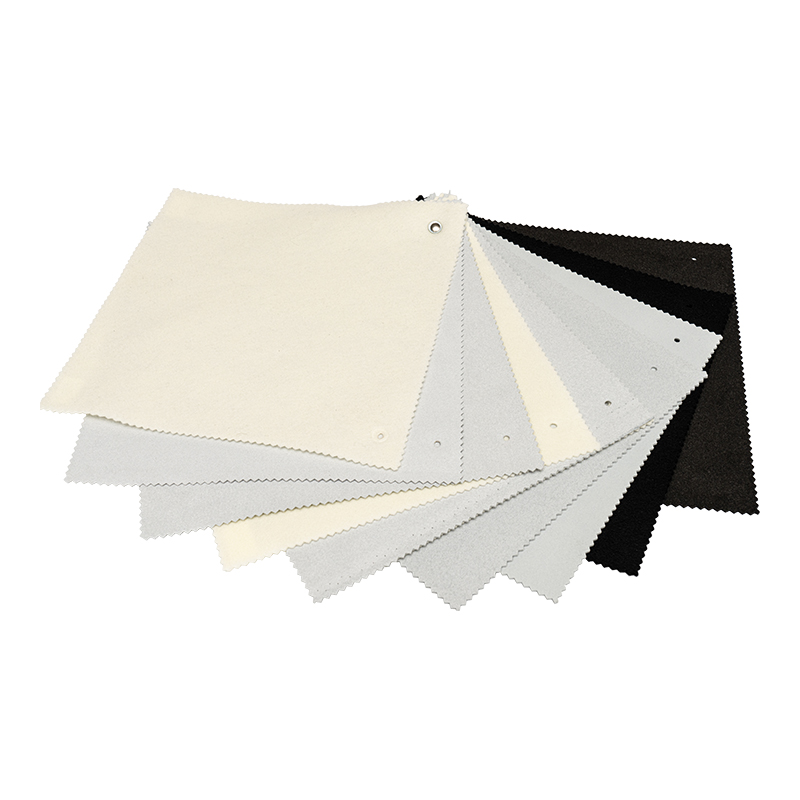
What is Water-Soluble Island-in-the-Sea Fiber? Water-Soluble Sea-Island Fiber is a breakthrough material in th...

Introduction of Water-Force Microfiber Fabric What is Microfiber Fabric? Microfiber fabric is a type of textil...
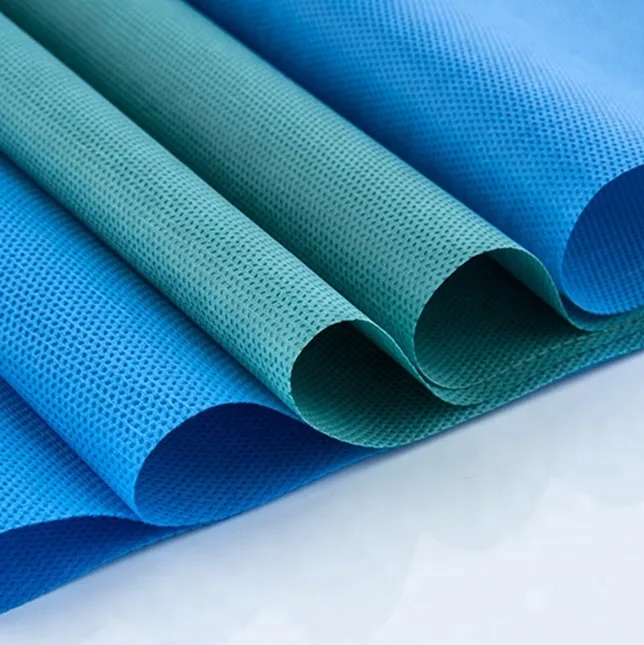
Introduction Water-soluble sea-island fiber nonwoven fabric is a groundbreaking innovation in the textile indu...
What is Water-Soluble Sea-Island Fiber? Definition and Basic Structure Water-soluble sea-island fiber is a spe...
LEMONTA Technology (ShangHai) Co., Ltd. All Rights Reserved. ALL RESERVED.
 Custom Bio-Based Water-Soluble Polyester Fiber Manufacturers
 英语
英语 中文简体
中文简体