When you are selecting a nonwoven substrate for upholstery, automotive trimming, or synthetic leather, the core performance questions usually come down to the same handful of felt fabric properties: density, thickness, tensile strength, abrasion resistance, and recovery. Traditional wool felt answers many of those questions, but it also brings seasonal fiber sourcing, shrinkage risk, and occasional solvent-based finishing steps that complicate compliance. A more predictable path now exists through water-soluble island fiber, which splits into ultrafine filaments to create a microfiber material with a similar hand feel and a more consistent set of engineering properties.
Felt is not a woven or knitted fabric. It is a matted web of fibres held together through entanglement, compression, and, in some methods, the application of heat or moisture. That structure gives felt certain physical and mechanical traits that engineers and product developers look for when specifying a porous sheet material.
These properties are not independent. Increasing density usually raises strength and thermal insulation, but it also lowers porosity and adds weight. That trade-off is exactly why specifying a felt-like material requires a clear understanding of the end use.
Wet felting uses hot water, soap, and friction to mat wool fibres together. The scales on wool fibres open up under heat and moisture, and repeated agitation forces the fibres to lock into a dense web. This method is energy intensive and requires careful control of fibre alignment, water temperature, and pH.
Needle felting uses barbed needles to push fibres through a base web, mechanically entangling them without added heat or water. It is a faster process and works on a wider range of fibres, but it is not always suitable for extremely fine filaments. The resulting fabric can be less dense than wet felt, and its surface texture often needs additional finishing.
Traditional felt has real limits. Wool prices fluctuate with climate and supply, and wool felt tends to shrink when exposed to moisture. For industrial buyers, the bigger issue is that conventional felt production may rely on chlorinated or solvent-based treatments for shaping and finishing. That creates emissions and waste challenges that are increasingly difficult to resolve under tighter environmental rules.
Water-soluble island fiber is a sea-island bicomponent fiber with a water-soluble PVA sea and a finer polymer island, commonly nylon or polyester. After the fiber is formed into a nonwoven or fabric, the sea component is dissolved with pure water in a process called water splitting or water-opening. What remains is a bundle of ultrafine filaments that give the material a soft, dense, and durable structure very similar to felt.
One of the most useful forms is a water-soluble nylon island fiber. The nylon islands create a microfiber matrix that is lightweight yet tough, and the PVA sea can be recovered and reused. This approach avoids the use of toluene, DMF, strong caustics, and other harsh solvents that are common in traditional microfiber production.
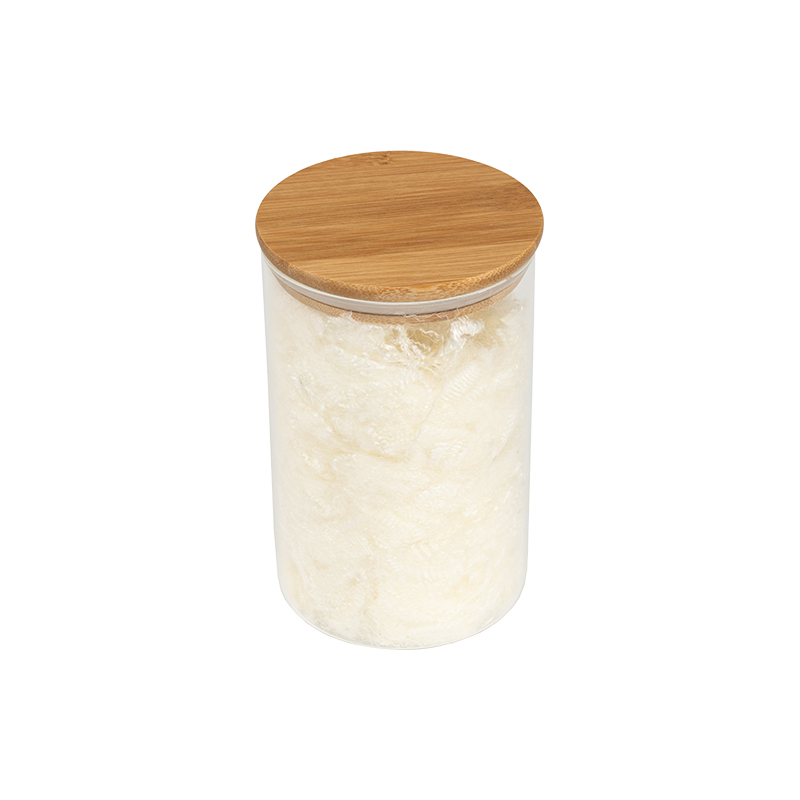
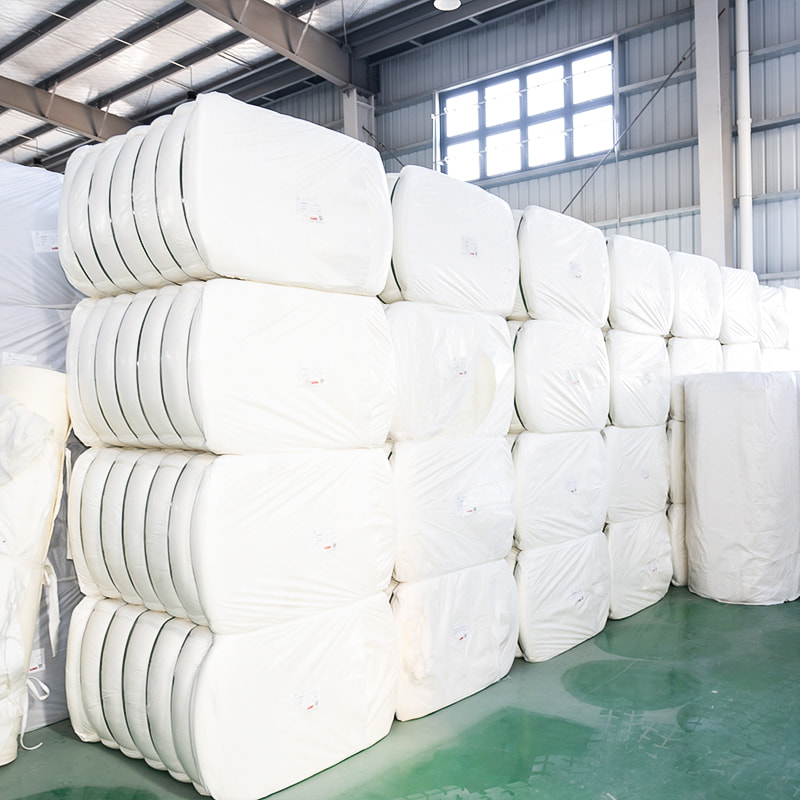 Water-Soluble Island-In-Sea Nylon Fiber for Eco-Friendly Microfiber ProductionThis water-soluble island-in-sea nylon fiber dissolves in hot water without harsh solvents, enabling the production of ultrafine fibers while allowing PVA recovery and reuse. It offers bright colors and high color fastness, making it a sustainable choice.View Product →
The resulting split fiber has a high specific surface area and a fine denier that contributes to its felt-like hand feel. At the same time, the controlled island ratio in each filament means you can adjust the density and thickness of the final mat to match a particular requirement.
When you put a traditional wool felt next to a water-based microfiber base made from water-soluble island fiber, the differences become clear in the finished sheet properties. The table below highlights the most important comparisons for buyers deciding between the two material families.
| Property | Traditional wool felt | Water-based microfiber base |
|---|---|---|
| Density control | Dependent on wool grade and felting pressure | Controlled by island ratio and base weight |
| Fiber fineness | Wool fibers are typically 20 to 35 microns | Split to sub-denier filaments |
| Dimensional stability | Can shrink or felt further in moisture | PVA removal leaves a dimensionally stable matrix |
| Solvent exposure | Often needs surface treatment or solvent-based finishing | Pure water splitting, no organic solvents |
| Wastewater challenge | High COD and chemical loads from finishing | PVA recovery up to 98%, COD around 50 mg/L |
For many upholstery and synthetic leather applications, the water-based microfiber base offers the same visual and tactile warmth of felt while giving the material a more controlled porosity and a stronger backbone for subsequent coating or embossing steps. This makes it a practical alternative when the buyer needs the performance of felt but cannot accept the variability of natural fiber supply.
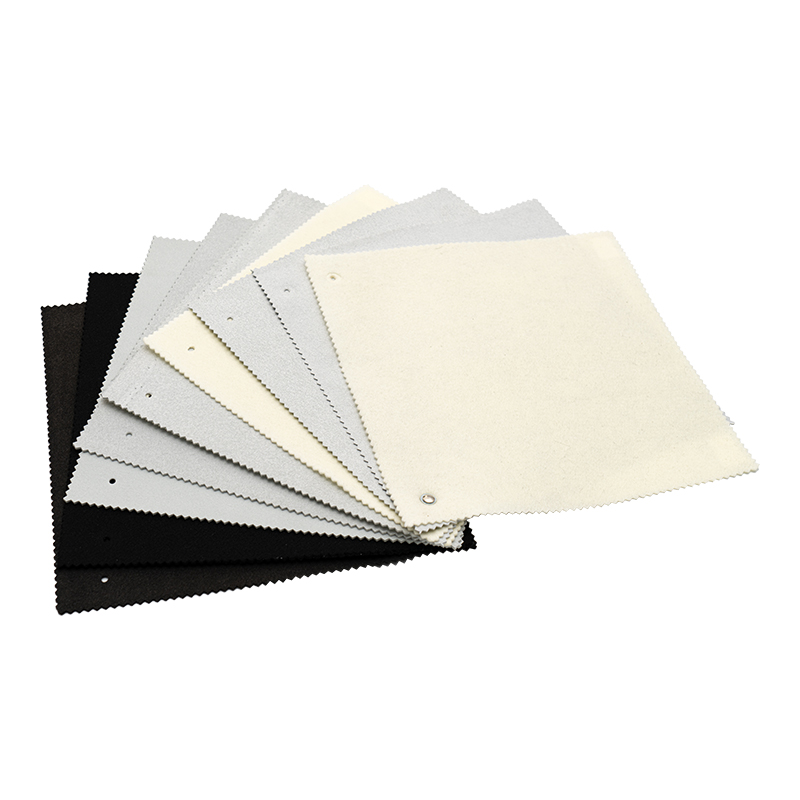
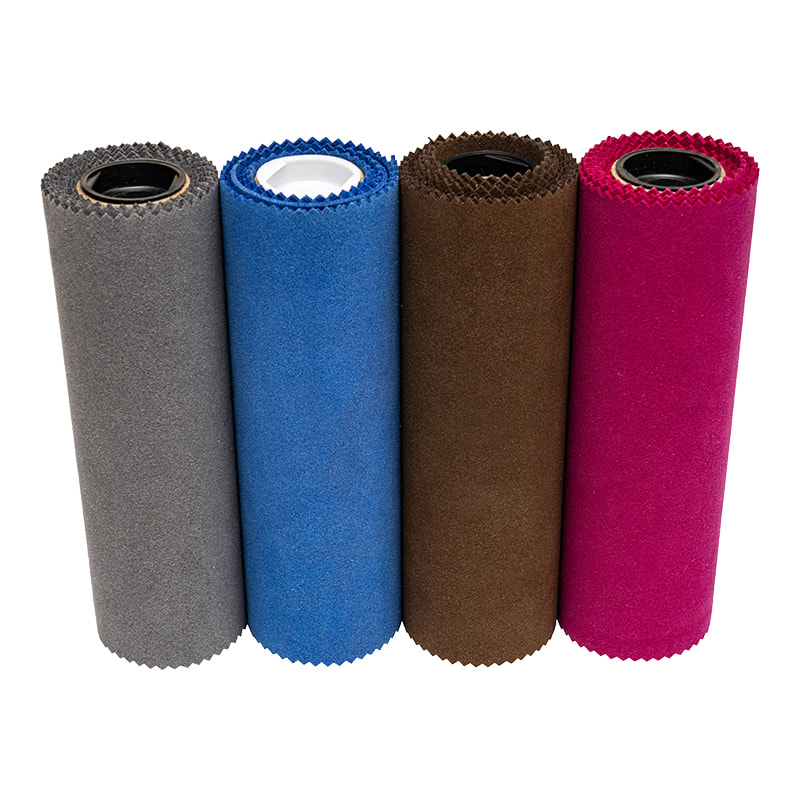 Water-Force Microfiber Fabric for Sustainable Synthetic Leather and UpholsteryThis water-based microfiber fabric provides a controlled porosity and strong backbone for coating or embossing, while offering the tactile warmth of felt. Its production supports environmental compliance and reduces variability compared to natural fiber supply.View Product →
Choosing between felt and a microfiber substrate is not just a matter of physical properties. It is also a purchasing decision that touches on batch consistency, environmental compliance, and supplier capability.
One of the most important felt fabric properties in an industrial setting is uniformity. If the fibre distribution changes between batches, the density, thickness, and tensile strength of the finished sheet will drift. In water-soluble island fiber production, balanced spinning technology helps maintain a consistent island ratio and fiber fineness, which leads to a more predictable final material. The result is a microfiber base that behaves the same from one roll to the next, a critical factor for automated cutting, coating, and lamination lines.
Water splitting eliminates organic solvents from the fiber-opening step, and the dissolved PVA is recovered through a concentration and drying process. This not only reduces the VOC load inside the workshop but also cuts the carbon footprint of the later manufacturing stages. If your factory is under pressure to lower effluent loads, a substrate that uses water splitting instead of chemical splitting can simplify your compliance path. An added benefit is that the recovered PVA can be reused, which supports a lower overall cost per square meter. More detail on the water-saving loop is covered in our article on the environmental benefits of water-soluble sea-island fiber.
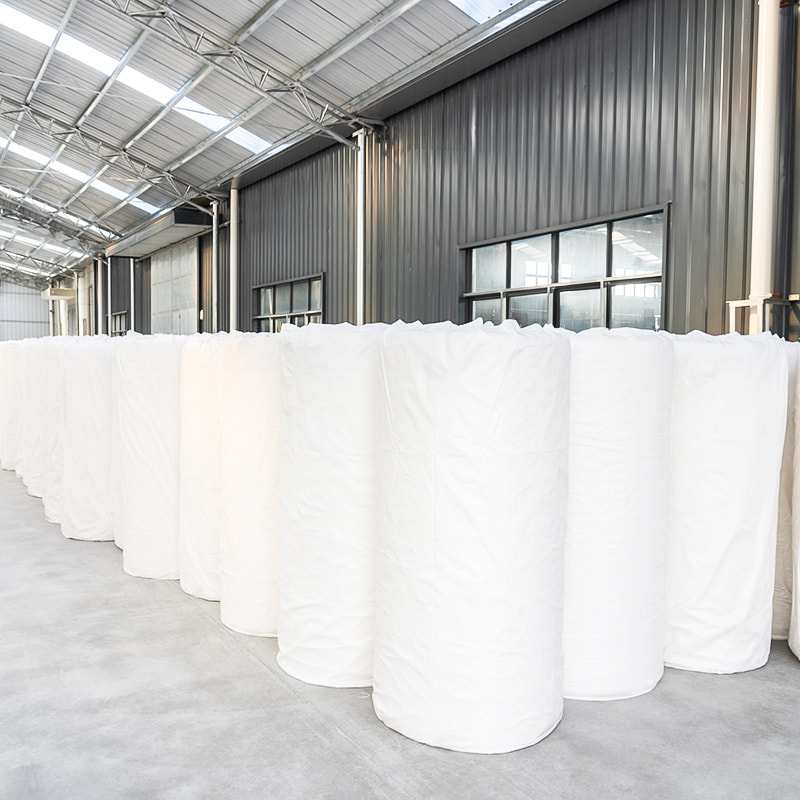 Water-Soluble Nylon Island Fiber Nonwoven Fabric for Filtration and Green ManufacturingThis needle-punched nonwoven fabric uses water-soluble sea island fibers that dissolve in hot water, creating a porous microfiber structure with high filtration efficiency. It avoids chemical solvents, supports PVA recovery, and helps lower effluent loads.View Product →
Finally, when evaluating any supplier, ask about the flexibility of the product range. A manufacturer that can supply both staple fiber and nonwoven fabric enables you to prototype quickly and then scale up without changing your material source. That is the kind of flexibility that a traditional wool felt supplier often cannot offer.
Felt fabric properties have served designers and engineers well for a very long time. But the constraints of wool supply, dimensional stability, and solvent-based finishing make traditional felt an imperfect fit for many modern manufacturing lines. Water-soluble island fiber gives you a way to keep the tactile character of felt while upgrading control over density, thickness, and environmental impact. By starting with a precisely engineered fiber and then splitting it with water, you get a microfiber substrate that behaves consistently and supports cleaner production. If those are the properties your product needs, it is worth looking beyond the wool felt stand.
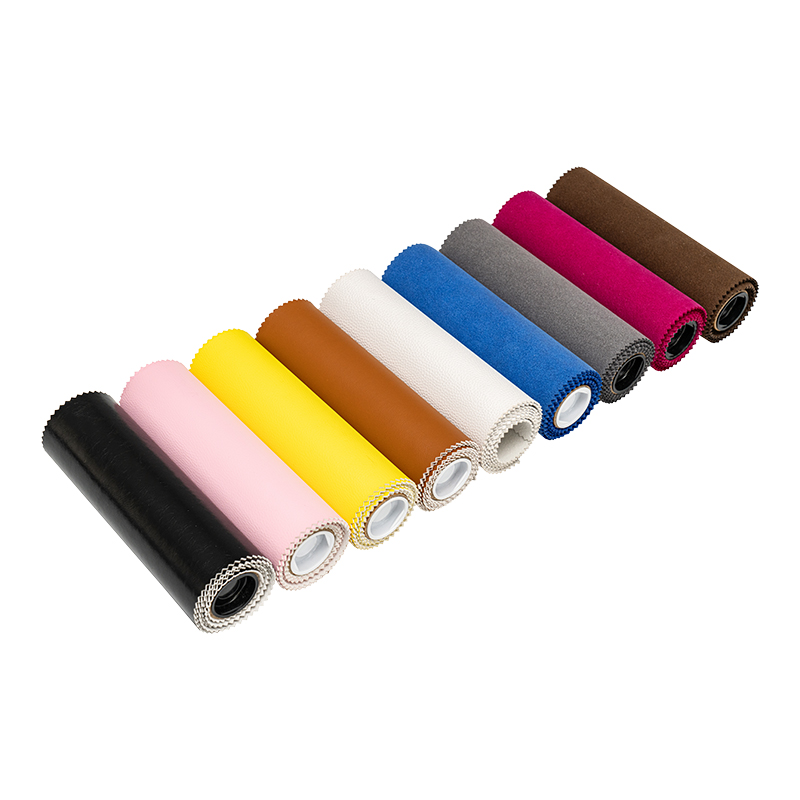
If you are comparing microfiber substrates for a new product line, the first thing that usually stops the conversation is the fiber itself. A standard polyester or nylon filament can be spun and drawn very well, but it will not split into ultra-fine denier without a chemical bath. Engineered synthe...
READ MORE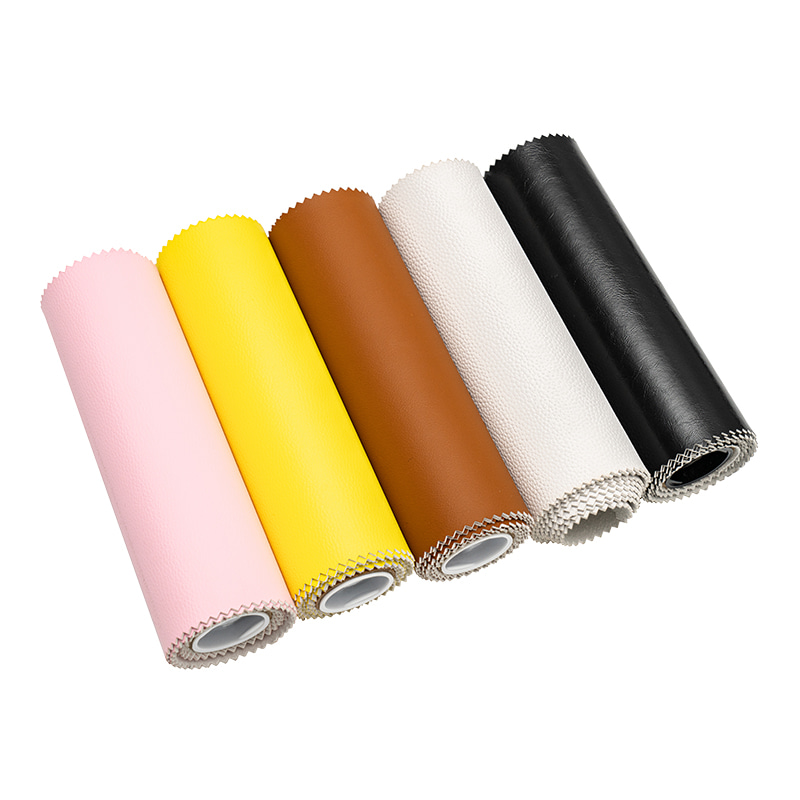
Introduction to Water-Soluble Sea-Island Fiber What is Water-Soluble Sea-Island Fiber? Water-soluble sea-islan...
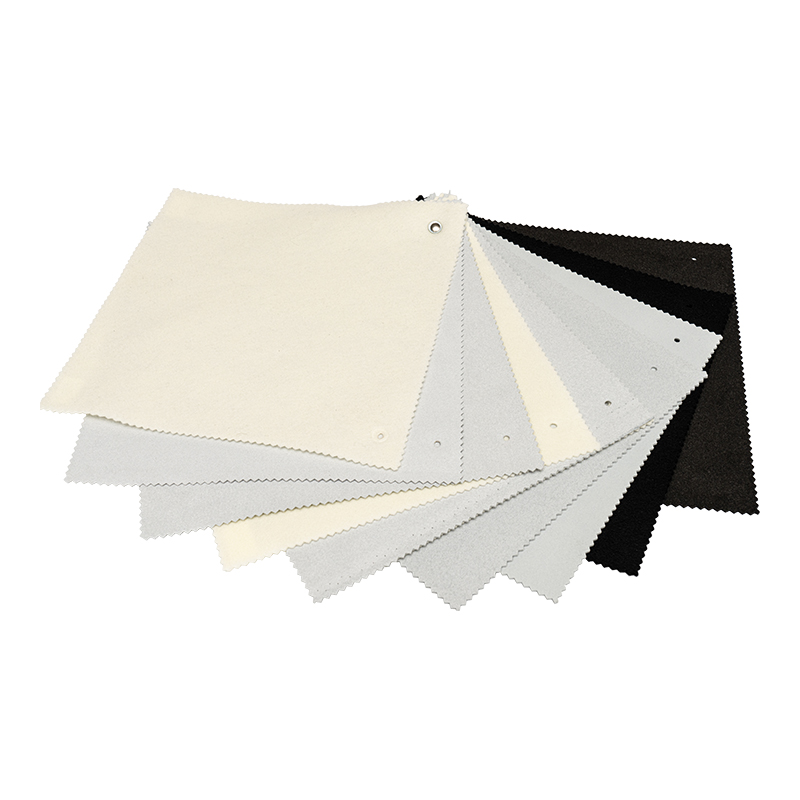
What is Water-Soluble Island-in-the-Sea Fiber? Water-Soluble Sea-Island Fiber is a breakthrough material in th...

Introduction of Water-Force Microfiber Fabric What is Microfiber Fabric? Microfiber fabric is a type of textil...
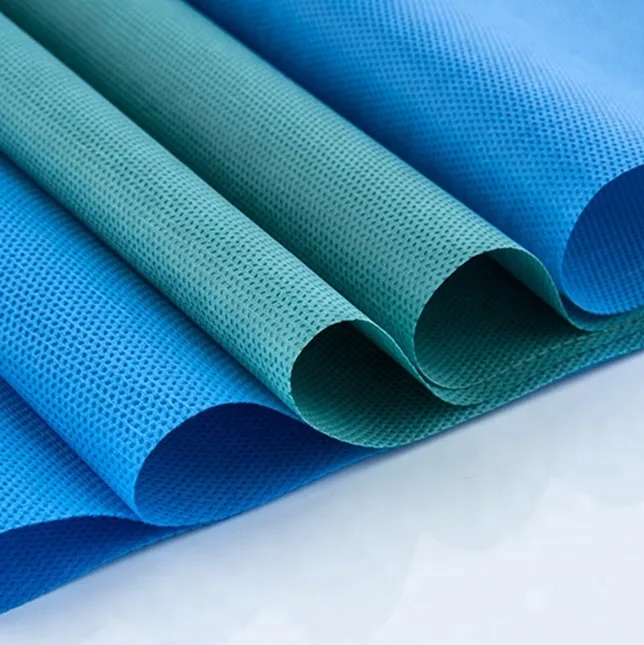
Introduction Water-soluble sea-island fiber nonwoven fabric is a groundbreaking innovation in the textile indu...
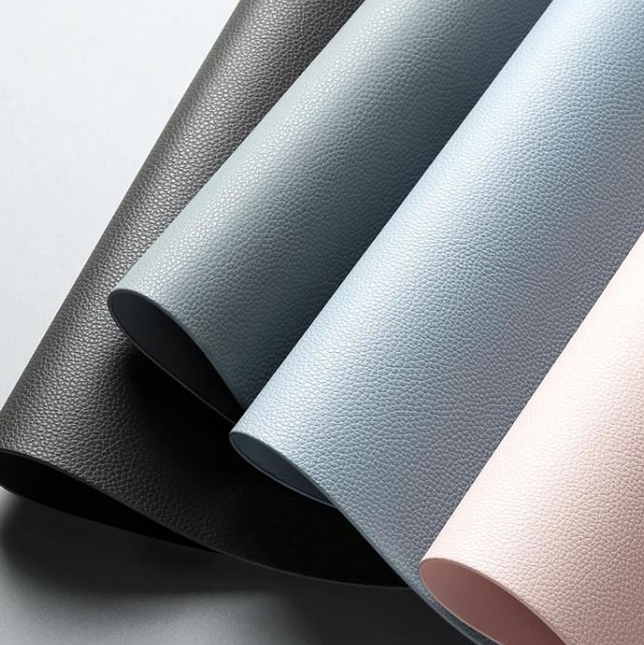
What is Water-Soluble Sea-Island Fiber? Definition and Basic Structure Water-soluble sea-island fiber is a spe...
LEMONTA Technology (ShangHai) Co., Ltd. All Rights Reserved. ALL RESERVED.
 Custom Bio-Based Water-Soluble Polyester Fiber Manufacturers
 英语
英语 中文简体
中文简体