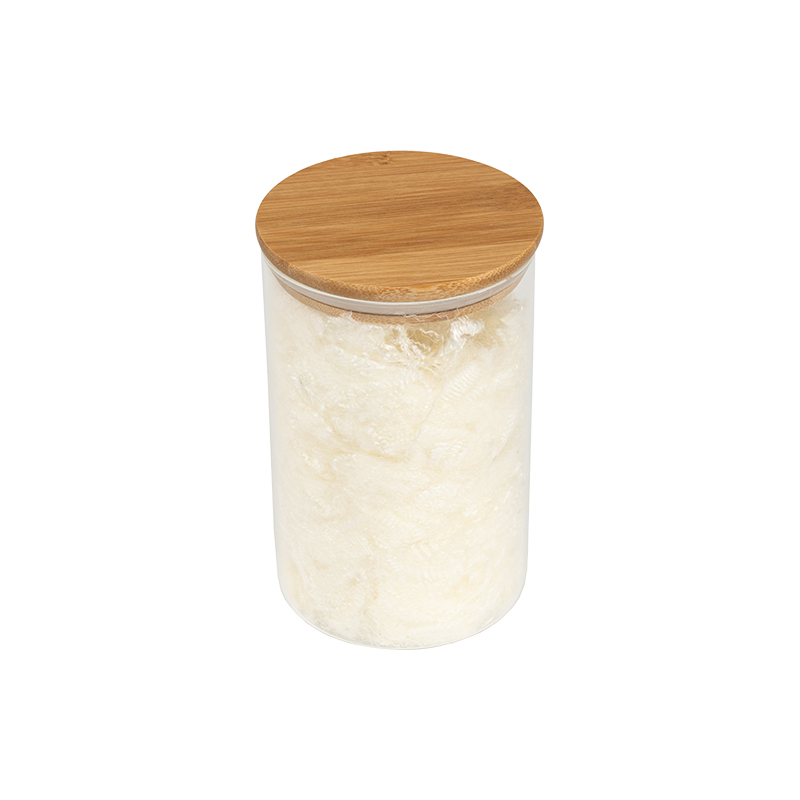
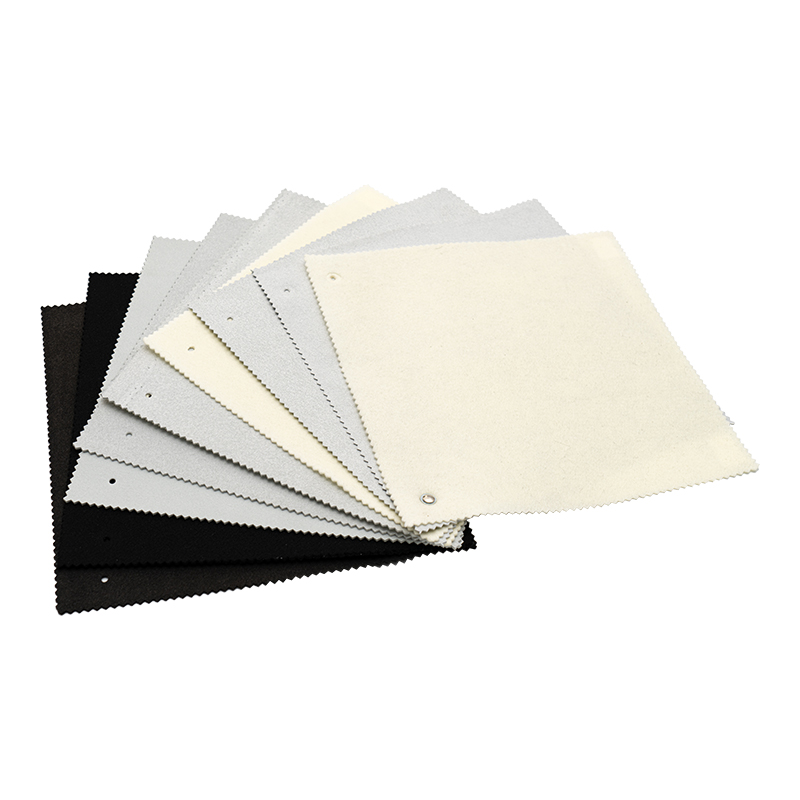
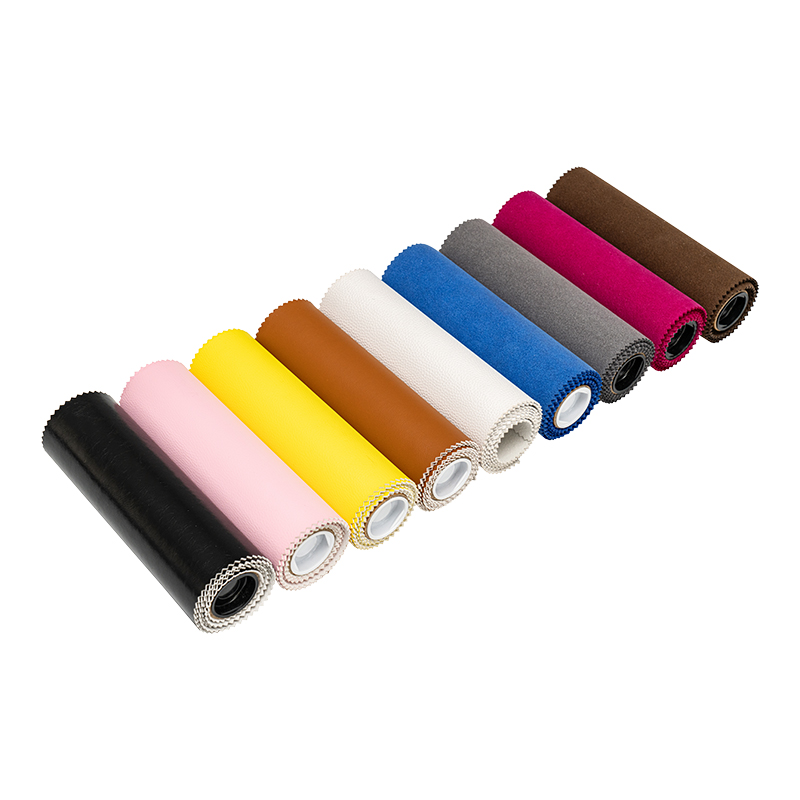
The medical industry is constantly seeking materials that offer superior absorption, breathability, and structural integrity. Water-Soluble Sea-Island Fiber Nonwoven Fabric is emerging as a strong candidate to meet these demands. While traditionally associated with high-end synthetic leathers, its unique “island-in-sea” morphology offers a pathway to a new generation of high-performance medical textiles.
By leveraging the transition from a composite fiber to an ultra-fine microfiber network, this material provides properties that conventional nonwovens simply cannot match.
Sea-island fibers are multicomponent fibers where one polymer (the “islands”) is embedded within another polymer (the “sea”). In the case of Water-Soluble Sea-Island Fiber Nonwoven Fabric, the “sea” component is typically a water-soluble polymer like PVA (Polyvinyl Alcohol) or modified polyester.
When the nonwoven fabric is treated with water (usually at specific temperatures), the “sea” component dissolves completely, leaving behind only the “islands.” These islands are incredibly fine—often less than 0.1 denier. The result is an ultra-high-density microfiber network with a significantly increased surface area, which is a critical requirement for advanced medical dressings.
One of the primary goals of a medical dressing is to manage wound exudate. The ultra-fine microfibers produced after the dissolution of the “sea” component create a dense capillary network. This allows the fabric to wick away fluids much faster than standard cotton or polyester nonwovens. The increased surface area also enhances the evaporation rate, keeping the wound environment at an optimal moisture level.
Because the individual fibers are so thin (micro-scale), the resulting fabric is exceptionally soft and drapable. In a medical context, this means the dressing can conform to irregular body contours—such as joints or digits—without causing mechanical irritation to the healing tissue.
The high surface-area-to-volume ratio makes Water-Soluble Sea-Island Fiber Nonwoven Fabric an ideal scaffold for drug loading. Antibacterial agents, silver ions, or growth factors can be embedded within the microfiber matrix. As the “sea” component dissolves or as the wound stays moist, these active ingredients can be released in a controlled manner directly onto the wound bed.
The following table highlights why researchers are looking toward sea-island technology to set new standards in healthcare.
| Feature | Standard Nonwoven (PP/PET) | Cotton Gauze | Sea-Island Microfiber Nonwoven |
|---|---|---|---|
| Fiber Diameter | 10 - 50 microns | 15 - 25 microns | 0.5 - 5 microns |
| Surface Area | Low | Moderate | Extremely High |
| Fluid Retention | Moderate | High (but leaks) | Very High (locked in capillaries) |
| Linting/Fibers in Wound | High Risk | High Risk | Minimal (continuous filaments) |
| Softness/Drapability | Stiff | Moderate | Superior |
Currently, the production of Water-Soluble Sea-Island Fiber Nonwoven Fabric is more expensive than standard needle-punched or spunbond fabrics due to the complex extrusion and dissolution steps. However, for chronic wound care (such as diabetic ulcers), the reduction in healing time and fewer dressing changes can lead to a lower “Total Cost of Care.”
The dissolution of the “sea” component requires large amounts of water. Industry leaders are currently focusing on developing closed-loop systems where the dissolved water-soluble polymer can be recovered and recycled, making the “revolution” in medical standards a sustainable one as well.
Does Water-Soluble Sea-Island Fiber Nonwoven Fabric have the potential to revolutionize medical dressing standards? The technical evidence suggests a resounding yes. Its ability to combine ultra-fine fiber density with high absorption and soft-tissue compatibility addresses the most common failures of traditional dressings. As manufacturing costs decrease and “green” dissolution processes become standard, we can expect this material to move from specialized surgical applications to the everyday first-aid kit.
Q1: Is the “water-soluble” part of the fabric left on the wound?
A: No. In the manufacturing process, the sea component is dissolved and washed away before the fabric is converted into the final medical dressing. The “water-soluble” name refers to the production technique used to achieve the ultra-fine microfibers.
Q2: Can these microfibers stick to the wound?
A: Actually, because the fibers are so fine and the fabric density is so high, there is less “fiber migration” compared to traditional gauze, which significantly reduces the risk of the dressing adhering to the scab or new granulation tissue.
Q3: Is this material used in surgical masks?
A: While it could be used for high-efficiency filtration, its cost and specific properties make it better suited for direct skin contact dressings and high-end cosmetic facial masks rather than disposable PPE.
In the evolving world of industrial and household textiles, the shift toward sustainability and high-performance engineering has reached a critical tipping point. Among the most significant innovations is the development of the Water-Force Microfiber Base, a revolutionary material that challenges th...
READ MORE
Introduction to Water-Soluble Sea-Island Fiber What is Water-Soluble Sea-Island Fiber? Water-soluble sea-islan...
What is Water-Soluble Island-in-the-Sea Fiber? Water-Soluble Sea-Island Fiber is a breakthrough material in th...
Introduction of Water-Force Microfiber Fabric What is Microfiber Fabric? Microfiber fabric is a type of textil...
Introduction Water-soluble sea-island fiber nonwoven fabric is a groundbreaking innovation in the textile indu...
What is Water-Soluble Sea-Island Fiber? Definition and Basic Structure Water-soluble sea-island fiber is a spe...
LEMONTA Technology (ShangHai) Co., Ltd. All Rights Reserved. ALL RESERVED.
 Custom Bio-Based Water-Soluble Polyester Fiber Manufacturers
 英语
英语 中文简体
中文简体