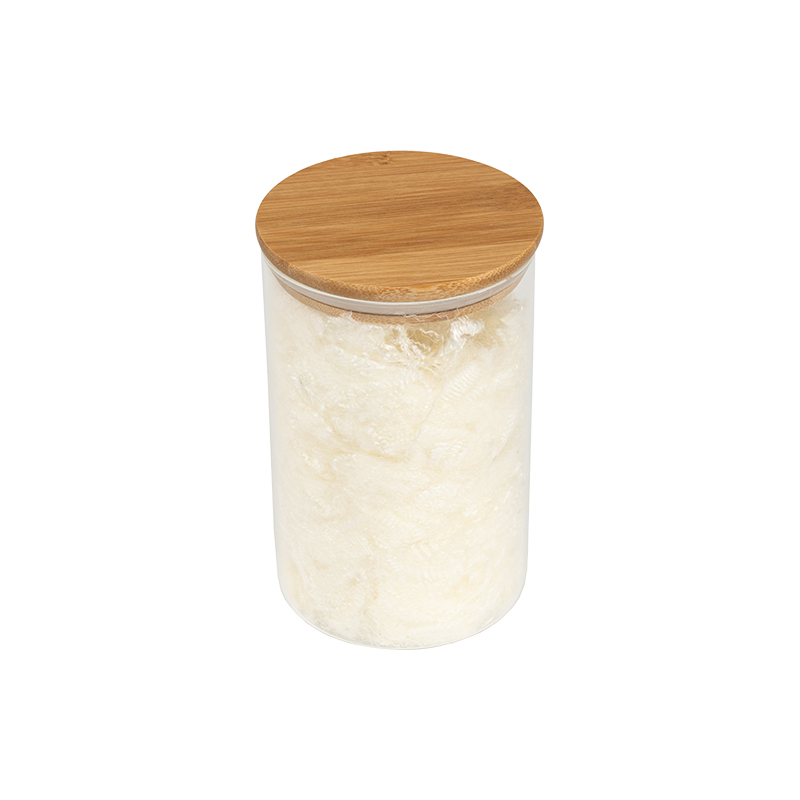
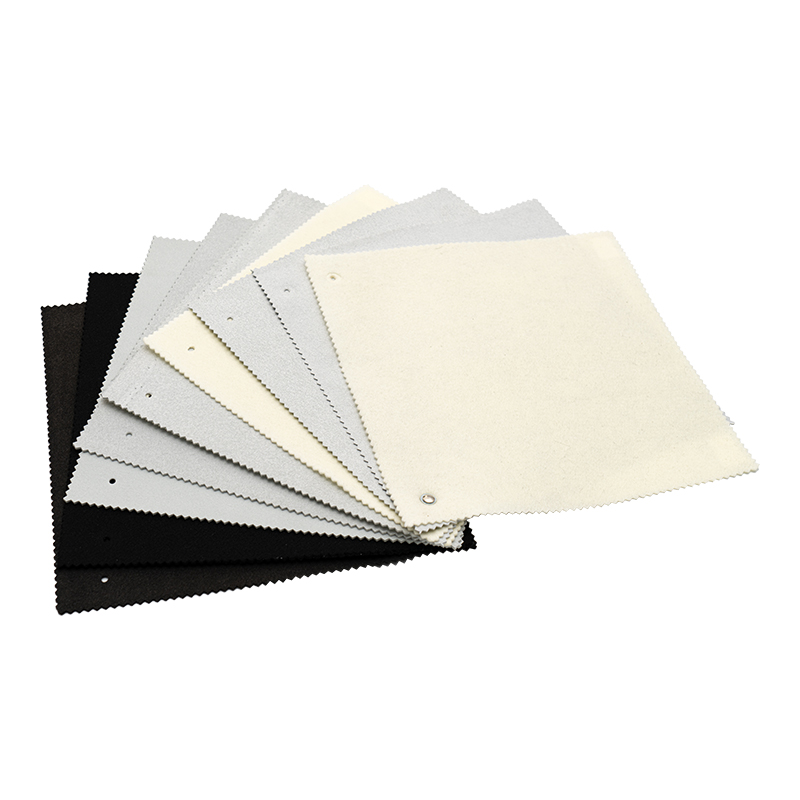
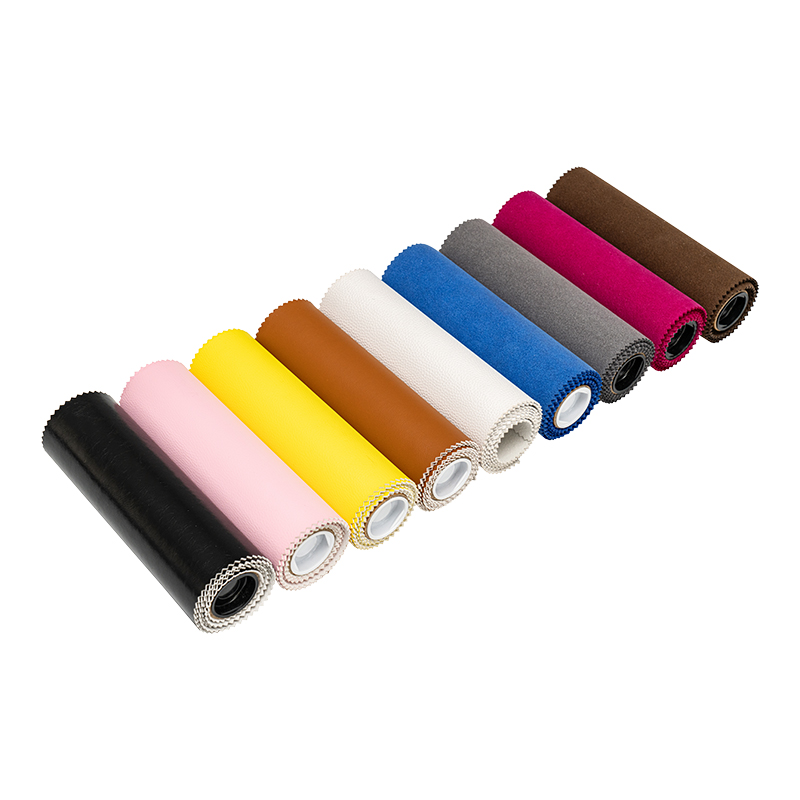
In the evolving world of industrial and household textiles, the shift toward sustainability and high-performance engineering has reached a critical tipping point. Among the most significant innovations is the development of the Water-Force Microfiber Base, a revolutionary material that challenges the traditional solvent-heavy manufacturing processes of the past. For professional cleaning services, automotive detailers, and eco-conscious manufacturers, selecting the right microfiber is no longer just about the “thread count” or the soft touch; it is about the structural integrity of the material and its environmental footprint. A water-force base offers a solvent-free, breathable, and highly absorbent foundation that outperforms traditional synthetic leathers and fabrics in both durability and tactile feedback. Understanding how this specific technology integrates into your cleaning arsenal is essential for achieving operational excellence while meeting modern ESG (Environmental, Social, and Governance) standards.
The performance of any microfiber product—whether it is a polishing cloth or a high-end synthetic leather substitute—is dictated by its “Base.” Traditionally, microfiber bases were manufactured using DMF (Dimethylformamide) or other harsh solvents to bind the fibers together. However, the modern Water-Force Microfiber Base utilizes an eco-friendly aqueous polyurethane dispersion. This shift in chemistry does not just benefit the planet; it fundamentally alters the physical properties of the material, making it superior for high-intensity cleaning applications where chemical resistance and moisture management are paramount.
The most significant technical advantage of a water-force microfiber base is its porous structure. Because the manufacturing process avoids aggressive solvents, the resulting material retains a high degree of micro-porosity. This allows the fabric to “breathe” while maintaining a high density of ultra-fine fibers. For cleaning applications, this means the material can trap microscopic dust particles and bacteria more effectively than non-porous synthetic alternatives. Furthermore, water-force bases are free from residual VOCs (Volatile Organic Compounds), ensuring that the material does not leave chemical streaks or “fogging” on sensitive surfaces like optical glass, high-gloss automotive paints, or medical-grade stainless steel.
Microfiber’s cleaning power comes from capillary action—the ability to pull liquids and oils into the gaps between fibers. A water-force base enhances this effect because the aqueous bonding process creates a more uniform fiber distribution. In high-performance cleaning, this translates to a material that can hold up to seven times its weight in water while remaining easy to wring out. For industrial settings where oils and grease are prevalent, a water-force microfiber base provides a “high-friction” surface that grabs contaminants at a molecular level, reducing the need for aggressive chemical detergents and shortening the overall cleaning cycle time.
Choosing the right microfiber is an exercise in matching the material’s technical specifications—such as GSM (Grams per Square Meter), thickness, and surface coating—to the specific cleaning environment. A water-force microfiber base provides a versatile platform that can be engineered into various formats, from ultra-soft suede-like textures to rugged, high-durability synthetic leathers. Operational excellence is achieved when the user understands how these physical variations impact the ROI and the quality of the finish.
The weight of the microfiber, measured in GSM, is the primary indicator of its capacity and durability.
For precision tasks, such as cleaning electronic components or luxury automotive interiors, tactile feedback is essential. A water-force microfiber base is notoriously softer and more “pliable” than its solvent-based counterparts. This softness is not just for comfort; it is a protective feature. Because the base is more elastic, it distributes pressure more evenly across the surface being cleaned, significantly reducing the risk of “point-pressure scratches.” Manufacturers looking for long-term value should prioritize water-force microfibers for their high Peel Strength and resistance to hydrolysis (the breakdown of material due to moisture), ensuring the cloth maintains its professional appearance through hundreds of industrial wash cycles.
Use this table to evaluate the performance metrics of these two material technologies for your procurement needs.
| Performance Metric | Water-Force Microfiber Base | Solvent-Based (DMF) Microfiber |
|---|---|---|
| Environmental Impact | Eco-friendly / Solvent-free | High VOC / Chemical intensive |
| Breathability | High (Micro-porous) | Low (Dense) |
| Odor Profile | Odorless | Potential chemical scent |
| Durability (Hydrolysis) | Excellent (5-10 years) | Moderate (3-5 years) |
| Absorbency Rate | Superior (Uniform fibers) | Standard |
| Skin Friendliness | Hypoallergenic | Potential for irritation |
| Best Application | High-end detailing, Healthcare | Disposable / Low-cost industrial |
While the initial manufacturing cost of water-force technology is slightly higher due to advanced aqueous processing, the “Total Cost of Ownership” is lower. The material’s resistance to aging and hydrolysis means it lasts significantly longer in professional environments, providing a better long-term ROI.
Yes. However, to maintain the integrity of the water-force polyurethane base, it is recommended to avoid fabric softeners and high-heat drying, which can clog the micro-pores and reduce the material’s natural capillary action.
Actually, it leaves less. The water-force bonding process is more stable, meaning the ultra-fine fibers are more securely anchored to the base, minimizing shedding and linting on high-gloss surfaces.
In the pursuit of high-end textiles, fabric fineness and softness have become decisive quality indicators, especially for applications such as ultra-microfiber fabrics, artificial suede, high-performance wiping cloths, and premium apparel. Traditional fibers often face limitations in achieving extre...
READ MORE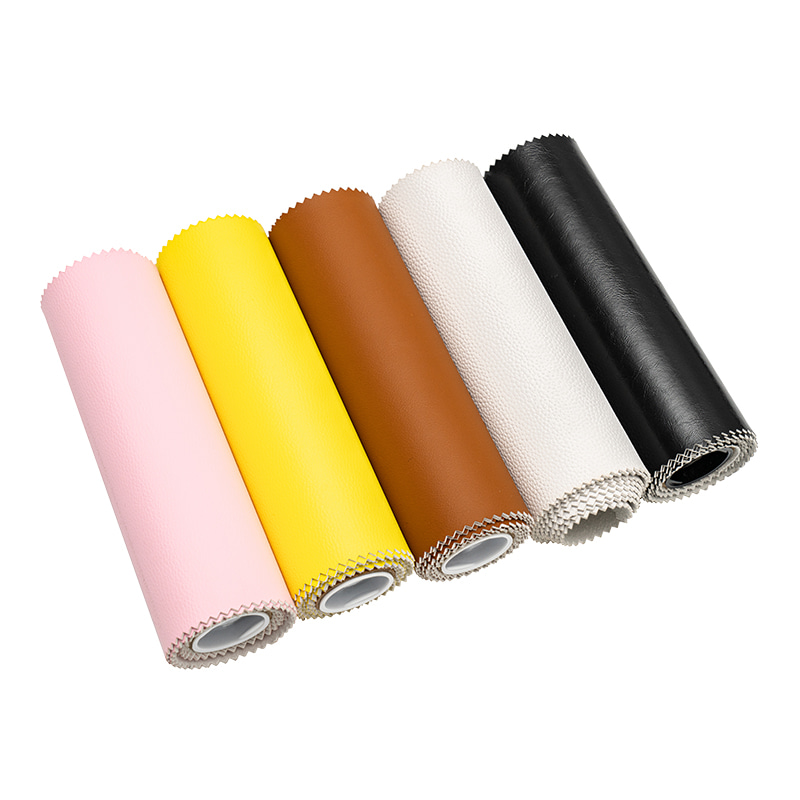
Introduction to Water-Soluble Sea-Island Fiber What is Water-Soluble Sea-Island Fiber? Water-soluble sea-islan...
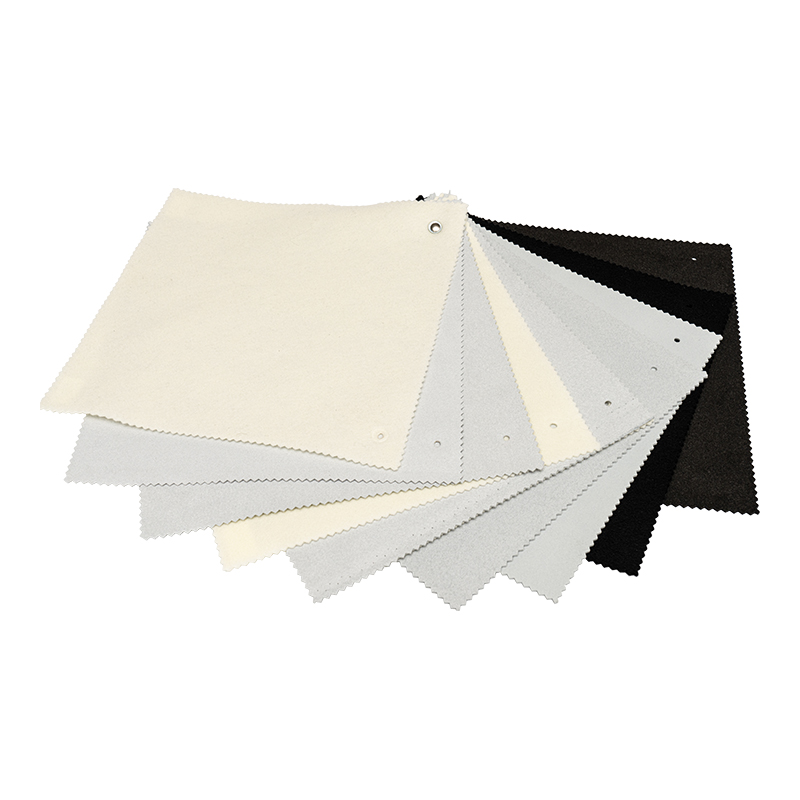
What is Water-Soluble Island-in-the-Sea Fiber? Water-Soluble Sea-Island Fiber is a breakthrough material in th...
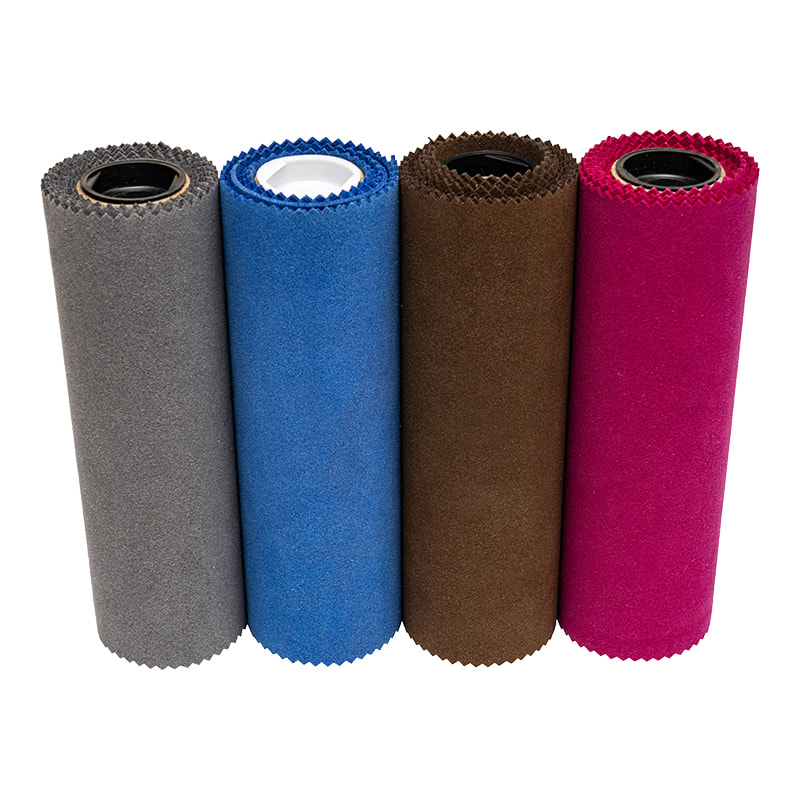
Introduction of Water-Force Microfiber Fabric What is Microfiber Fabric? Microfiber fabric is a type of textil...
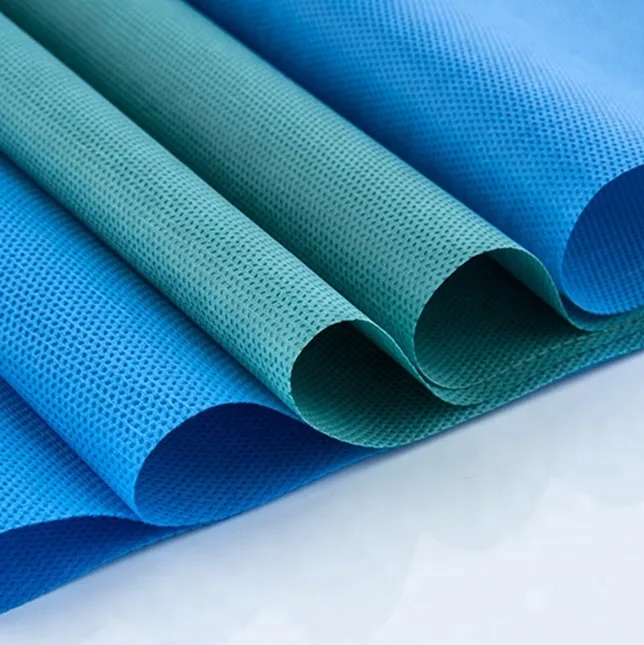
Introduction Water-soluble sea-island fiber nonwoven fabric is a groundbreaking innovation in the textile indu...
What is Water-Soluble Sea-Island Fiber? Definition and Basic Structure Water-soluble sea-island fiber is a spe...
LEMONTA Technology (ShangHai) Co., Ltd. All Rights Reserved. ALL RESERVED.
 Custom Bio-Based Water-Soluble Polyester Fiber Manufacturers
 英语
英语 中文简体
中文简体