—— Eight Core Superiorities of Water-Force Microfiber vs. Natural Leather
As the global fashion industry embraces an animal-free shift and the EU REACH Regulation imposes strict restrictions on toluene and DMF solvents, leather bionic technology addresses a critical question: what defines premium leather? Featuring disruptive WaterOnly solvent-free manufacturing,Water-Force microfiber delivers a cutting-edge technical solution. Far beyond a mere substitute for natural hide, it represents a systemic industrial revolution spanning molecular design to full industrial ecology.
I. Ultra-Realistic Leather Simulation: Bionic Structure from Visual to Textural Authenticity
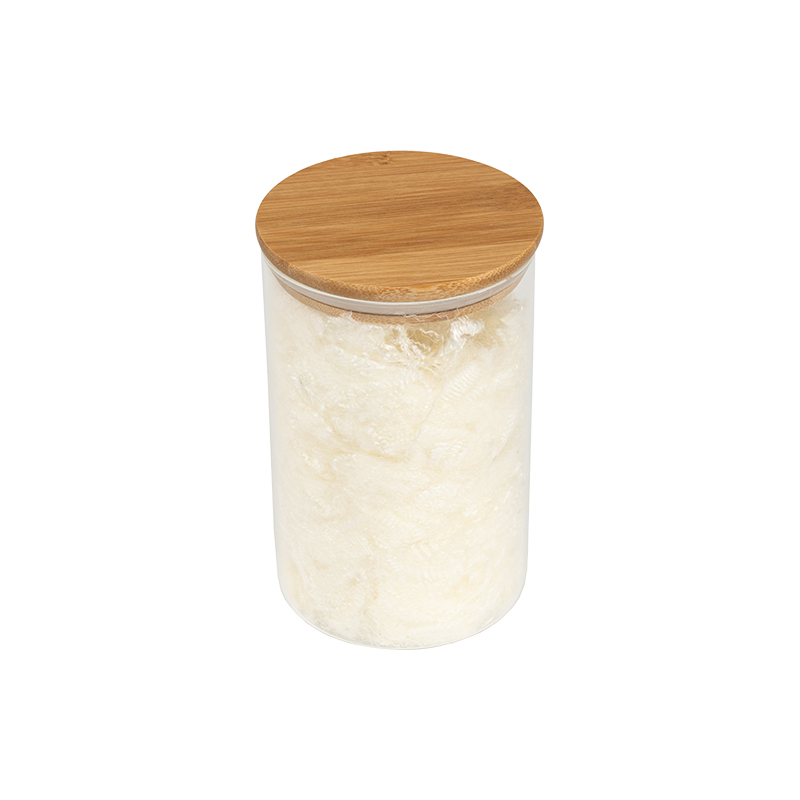
The superior performance of natural leather stems from its hierarchical collagen fiber architecture, ranging from nanofibrils and microscale fiber bundles to a three-dimensional interwoven millimeter-scale gradient structure. Adopting island-in-sea conjugate spinning technology, Water-Force microfiber disperses PET/PA6 ultra-filaments (finer than 1/100 of human hair, below 0.1 dtex) within soluble PVA sea-phase components. After needling into a 3D nonwoven fabric, the substrate is fully impregnated with waterborne polyurethane via an all-water process.
II. Exceptional Mechanical Strength: Outperforming Natural Leather in Physical Properties
Conventional PU leather features a simple sandwich structure of coating bonded to base fabric with adhesives, resulting in poor peel resistance. In contrast,Water-Force microfiber builds an interpenetrating polymer network (IPN): countless microfibers function like steel rebars in reinforced concrete, interlocked with the waterborne PU matrix. Through combined multi-layer and structural crosslinking, waterborne polyurethane forms a dense 3D network with markedly higher crosslink density than solvent-based PU alternatives.
III. Outstanding Weather Resistance: Stable Molecular Structure Under Harsh Conditions
A material’s weatherability hinges on molecular chain stability and crosslink compactness.Water-Force microfiber gains dual protection: its polycarbonate or aliphatic isocyanate-modified waterborne PU backbone delivers exceptional UV and hydrolysis resistance; its tightly crosslinked network blocks penetration of moisture, chemicals and ultraviolet rays. Compared with toluene and caustic soda splitting methods, warm-water splitting prevents fiber and polyurethane degradation during production, securing long-term structural stability of finished products.
IV. Superior Air & Moisture Permeability: Breathable Micropores from 3D Fibrous Network
A core advantage distinguishing Water-Force microfiber from conventional PU and PVC leather. Its breathability follows a dual-channel mechanism:
1、Physical channels: the precisely controllable porous 3D network formed after fiber splitting enables free air circulation.
2、Chemical channels: abundant hydrophilic groups (-COOH, -OH, -NH₂) on waterborne PU chains act as molecular steps, transporting water molecules via hydrogen bonding through adsorption, diffusion, transmission and desorption.
V. Excellent Dyeing Performance: Uniform Molecular Structure Enables Consistent Coloring
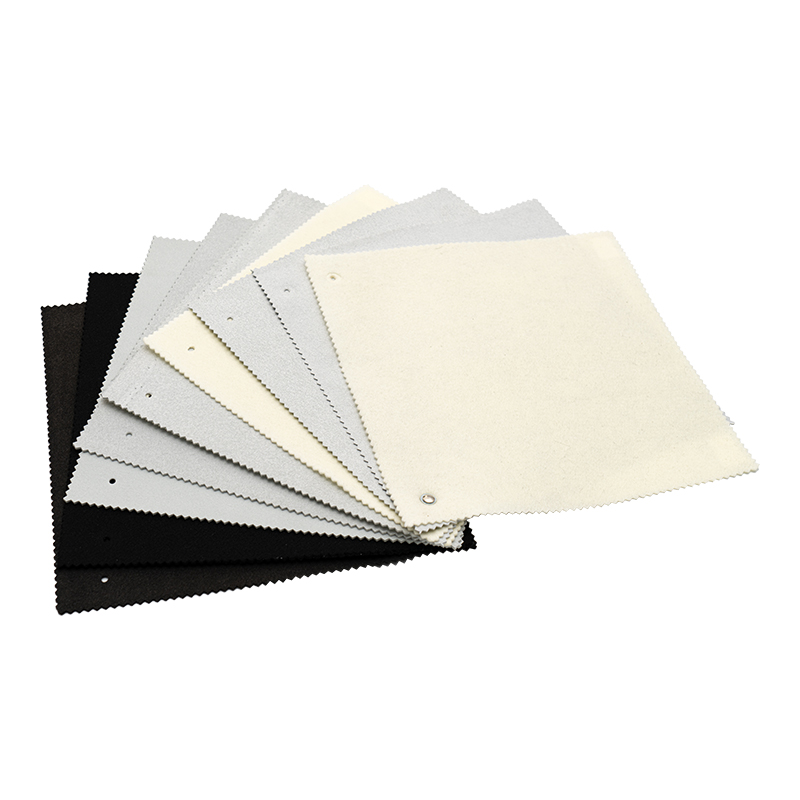
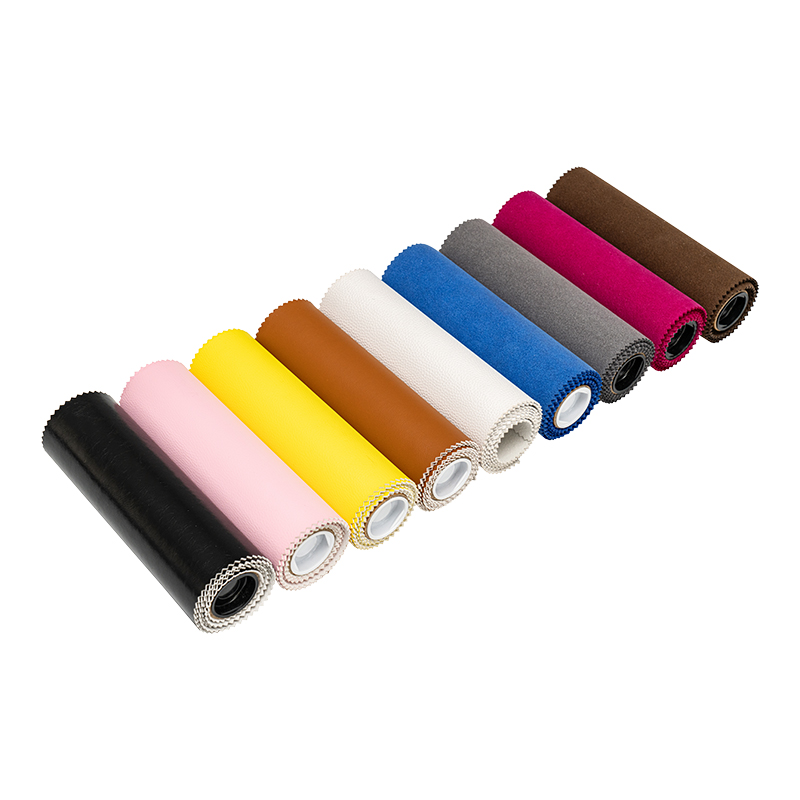
Natural leather dyeing relies on active groups on uneven collagen fibers, leading to inevitable color variation and low color fastness due to inconsistent fiber thickness and anatomical differences across animal hides. Island-in-sea fibers for Water-Force microfiber feature uniform fineness, length and cross-section after splitting. With high-temperature high-pressure disperse dyeing, dye molecules evenly adsorb and diffuse inside amorphous fiber regions for uniform coloring.
VI. Consistent Product Quality: Industrial Precision Eliminates Natural Defects
Natural leather suffers from inherent inconsistencies: dense hide from animal hindquarters versus loose belly skin, plus natural flaws including insect bites, scratch marks and growth creases, restricting its utilization rate to merely 50~60%. Full industrialized production of Water-Force microfiber enables precise control over melt-spinning temperature, needling density, impregnation viscosity and processing speed for uniform finished goods.
VII. Eco-Friendly & Sustainable: Zero-Solvent Breakthrough via WaterOnly Technology
This stands as the most transformative advantage of Water-Force microfiber. Traditional solvent-borne microfiber production requires DMF to dissolve PU resin and toluene/caustic soda for fiber splitting, discharging massive VOCs and toxic wastewater. The WaterOnly solvent-free route realizes two core replacements: waterborne PU replaces solvent-based resin to eliminate VOC emissions; hot water (80–100℃) dissolves PVA sea components instead of toxic organic solvents or alkaline liquor for fiber separation.
Field application data of Ultracover® Water-Force microfiber: zero wastewater discharge, DMF-free and full-process VOC-free production; 70% less water consumption, 65% lower carbon emissions and 100% elimination of organic solvent usage.
VIII. Rising Cost Competitiveness: Inflection Point for Large-Scale Popularization
Cost reduction of Water-Force microfiber unfolds in three phases: process optimization cuts costs by phasing out costly toluene-based production; expanded continuous production lines drive economies of scale; full-lifecycle savings come from higher material yield, improved downstream processing pass rate and slashed environmental compliance spending (no need for DMF/toluene recycling or hazardous waste disposal facilities).
Industry experts predict Water-Force microfiber will outcompete natural cowhide across numerous application sectors within two years.
IX.WaterForce、WaterOnly
Water-Force microfiber is neither a cheap imitation of genuine leather nor a basic upgrade of ordinary PU leather. It comprehensively reshapes leather – a material used by humanity for millennia – through four pillars: customized molecular design (ultra-fine fiber + waterborne PU), innovative WaterOnly solvent-free processing, all-round superior physical performance and eco-friendly low-carbon manufacturing (65% carbon reduction).
Water-Force microfiber proves: made with water, crafted into extraordinary leather.
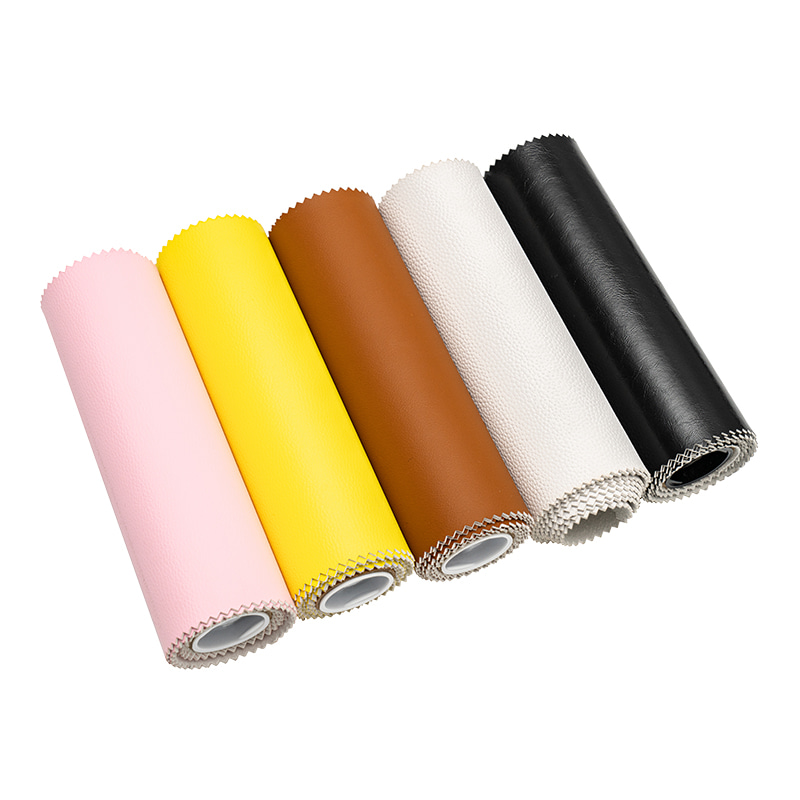
Choosing the right Water-Force microfiber fabric comes down to three core specifications: GSM (grams per square meter), polyester-to-polyamide fiber ratio, and split fiber count. These three numbers determine how much water the fabric absorbs, how effectively it traps particles, how long it lasts un...
READ MORE
Introduction to Water-Soluble Sea-Island Fiber What is Water-Soluble Sea-Island Fiber? Water-soluble sea-islan...
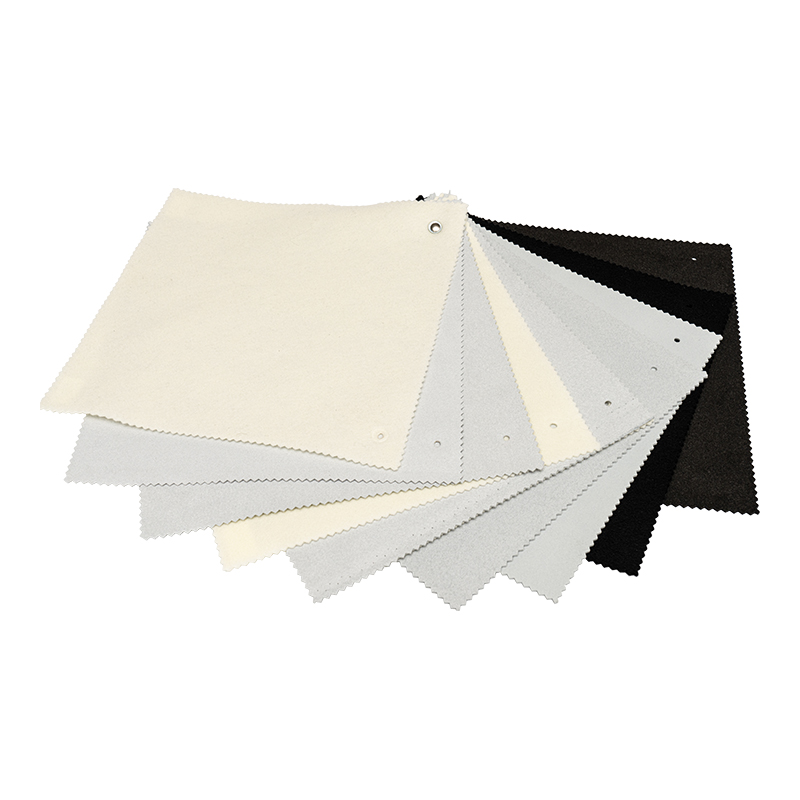
What is Water-Soluble Island-in-the-Sea Fiber? Water-Soluble Sea-Island Fiber is a breakthrough material in th...
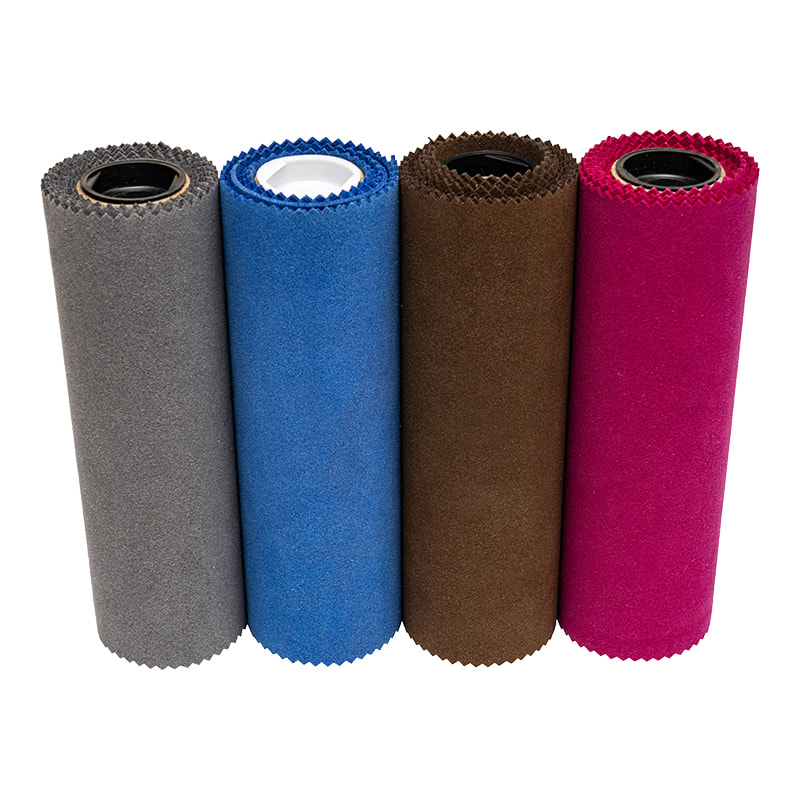
Introduction of Water-Force Microfiber Fabric What is Microfiber Fabric? Microfiber fabric is a type of textil...
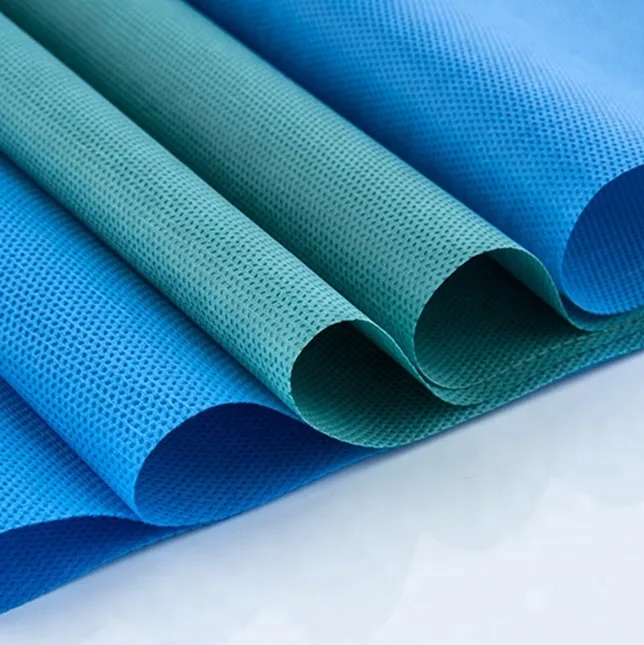
Introduction Water-soluble sea-island fiber nonwoven fabric is a groundbreaking innovation in the textile indu...
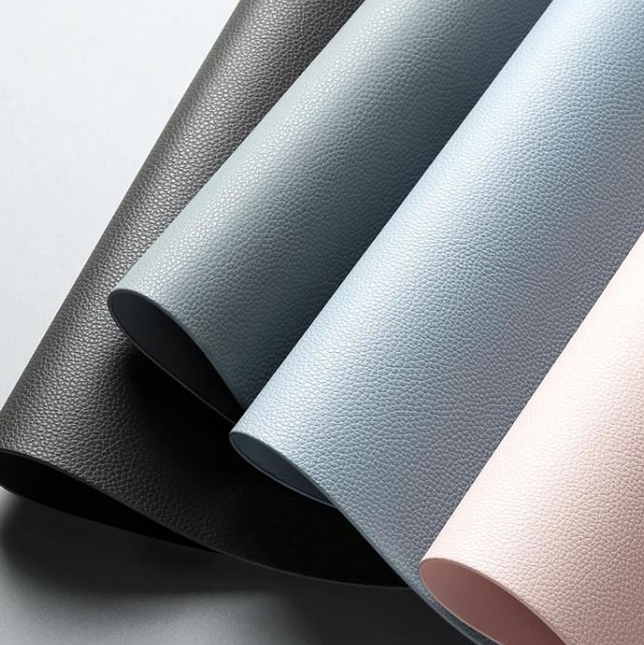
What is Water-Soluble Sea-Island Fiber? Definition and Basic Structure Water-soluble sea-island fiber is a spe...
LEMONTA Technology (ShangHai) Co., Ltd. All Rights Reserved. ALL RESERVED.
 Custom Bio-Based Water-Soluble Polyester Fiber Manufacturers
 英语
英语 中文简体
中文简体