Choosing the right Water-Force microfiber fabric comes down to three core specifications: GSM (grams per square meter), polyester-to-polyamide fiber ratio, and split fiber count. These three numbers determine how much water the fabric absorbs, how effectively it traps particles, how long it lasts under repeated washing, and whether it is suitable for delicate surfaces or heavy-duty industrial use. This guide explains every key spec in plain terms so you can match fabric grade to application without guesswork.
Standard microfiber is defined as any synthetic fiber finer than 1 denier (approximately 10 micrometers in diameter) — roughly one-fifth the diameter of a human hair. Water-Force microfiber takes this further by combining an engineered split-fiber structure with a hydrophilic surface treatment that actively draws water into the fiber matrix rather than simply absorbing it passively.
The practical result is a measurably faster wicking rate. In standardized vertical wicking tests, Water-Force microfiber fabric reaches 8–12 cm of wicking height in 60 seconds, compared to 3–5 cm for untreated standard microfiber of equivalent GSM. This difference is significant in applications like sports apparel, high-speed automotive drying, and medical-grade wiping where moisture transfer speed directly affects performance.
The split-fiber structure also creates a dramatically larger surface area per gram of fabric. A single gram of properly split Water-Force microfiber exposes approximately 40,000–50,000 meters of fiber length, giving the fabric its characteristic ability to trap particles as small as 0.5 micrometers — well below the threshold of bacterial cell size.
GSM (grams per square meter) describes the weight and density of the fabric. It is the fastest way to gauge the thickness, absorbency, and intended use of any microfiber product. Higher GSM means more fiber per unit area — greater absorbency and softness, but also higher cost, slower drying time, and reduced suitability for lightweight or high-speed applications.
| GSM Range | Fabric Feel | Absorbency | Primary Application |
|---|---|---|---|
| 150–200 GSM | Thin, lightweight | Low–Medium | Sports apparel, lens cleaning, screen wiping |
| 200–300 GSM | Medium weight | Medium | General household cleaning, light automotive wiping |
| 300–450 GSM | Dense, plush | High | Automotive detailing, bathroom towels, gym towels |
| 450–600 GSM | Very thick, plush | Very High | Premium car drying, hotel towels, spa products |
| 600+ GSM | Ultra-plush | Maximum | Premium detailing, paint-safe drying, professional salon |
A common misconception is that doubling the GSM doubles absorbency. In practice, Water-Force microfiber at 400 GSM absorbs approximately 7–8× its own weight in water, while a 200 GSM fabric of the same fiber composition absorbs 5–6×. The improvement is real but not linear — the hydrophilic surface treatment and split-fiber structure contribute more to the absorption rate than fabric weight alone.
Water-Force microfiber fabric is a blend of two fiber types: polyester (PET) provides the structural backbone and scrubbing texture, while polyamide (nylon) contributes softness, absorbency, and the electrostatic charge that attracts fine dust and particles. The ratio between these two materials is one of the most important — and most frequently misunderstood — specifications on the product label.
Be cautious of products labelled simply as "microfiber" without specifying the fiber ratio. In many budget products, polyamide content as low as 10–15% is used to reduce cost while maintaining the appearance of a microfiber product. These fabrics behave much closer to standard synthetic textile than true high-performance microfiber.
Fiber fineness is measured in denier — the weight in grams of 9,000 meters of a single fiber. A lower denier means a finer, thinner fiber. The splitting process that creates microfiber takes a bicomponent fiber (typically 2–4 denier before splitting) and mechanically or chemically divides it into 16, 32, or 64 individual micro-filaments.
| Split Count | Resulting Fiber Denier | Particle Capture (min. size) | Typical Use |
|---|---|---|---|
| 16-split | 0.13–0.20 denier | ~3–5 micrometers | General cleaning, budget wiping cloths |
| 32-split | 0.06–0.10 denier | ~1–2 micrometers | Automotive detailing, professional cleaning |
| 64-split | 0.03–0.05 denier | ~0.5 micrometers | Medical, optical, semiconductor cleanroom wiping |
For most Water-Force applications — automotive drying, sports towels, and commercial cleaning — 32-split fiber at 0.06–0.10 denier provides the optimal balance of particle capture, softness, and cost. The jump to 64-split is only justified for cleanroom, medical, or precision optical applications where sub-micron contamination control is a requirement.
A simple field test: press a dry microfiber cloth firmly against the back of your hand and drag slowly. A properly split Water-Force microfiber will create a noticeable gripping sensation as the fine fibers catch the microscopic texture of skin. A fabric that slides smoothly without any drag has not been properly split — its fibers remain fused and the cleaning and absorption performance will be significantly below specification.
The weave structure determines pile height, surface texture, lint production, and suitability for different surface types. Water-Force microfiber fabric is produced in several distinct constructions, each optimized for specific tasks.
The most common structure for drying towels and general cleaning cloths. Loop pile height typically ranges from 3 to 8 mm. The loops create a large surface area and hold absorbed water within the pile, making terry weave the highest-absorbency option for Water-Force fabrics. Higher pile heights (6–8 mm) are used in premium automotive drying towels rated for paint-safe use.
A textured flat weave with a grid pattern of raised squares separated by recessed channels. The channels act as water collection reservoirs, making waffle weave fabrics 20–30% faster at releasing absorbed water when wrung out compared to terry weave at equivalent GSM. Preferred for gym towels, travel towels, and applications where rapid wringing and re-use is important.
A short-pile or pileless construction with a smooth, suede-like surface. Flat weave Water-Force fabrics produce near-zero lint and are the correct choice for glass cleaning, screen wiping, optical lens cleaning, and any application where fiber transfer to the surface is unacceptable. Absorbency is lower than terry weave — approximately 3–5× fabric weight — but the streak-free finish is unmatched.
A tighter, more durable flat weave with a distinctive pearl-like surface texture. Commonly used in martial arts and sports training apparel due to its resistance to abrasion and hooking. In cleaning applications, pearl weave provides a light scrubbing action suitable for removing dried residue from hard surfaces without scratching.
Reputable Water-Force microfiber suppliers provide test data from standardized laboratory methods. Understanding what each test measures helps you assess whether claimed performance figures are meaningful.
The service life of Water-Force microfiber depends almost entirely on washing practice. The fabric's performance can be destroyed in a single wash cycle if done incorrectly.
Combining all specifications into a practical selection guide simplifies the buying decision for the most common Water-Force microfiber applications.
| Application | Recommended GSM | Fiber Ratio | Weave Type | Split Count |
|---|---|---|---|---|
| Glass / screen cleaning | 150–220 GSM | 70/30 | Flat / suede | 32–64 split |
| Sports / gym towel | 280–350 GSM | 70/30 | Waffle or terry | 32 split |
| Automotive paint drying | 500–800 GSM | 55/45 or 70/30 | Long-pile terry | 32 split |
| General household cleaning | 280–350 GSM | 80/20 or 75/25 | Terry | 16–32 split |
| Medical / cleanroom wiping | 150–200 GSM | 70/30 or 55/45 | Flat / suede | 64 split |
| Industrial floor mopping | 350–500 GSM | 80/20 | Terry or loop | 16 split |
The microfiber market includes a wide range of product quality. These warning signs indicate a product or supplier that may not deliver the performance its labelling implies.
Confirm each of the following before placing an order for Water-Force microfiber fabric:
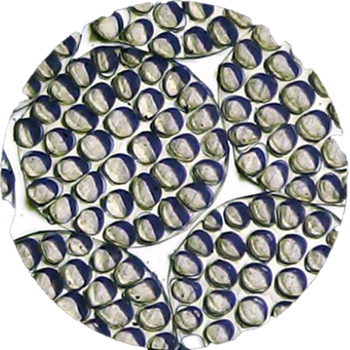
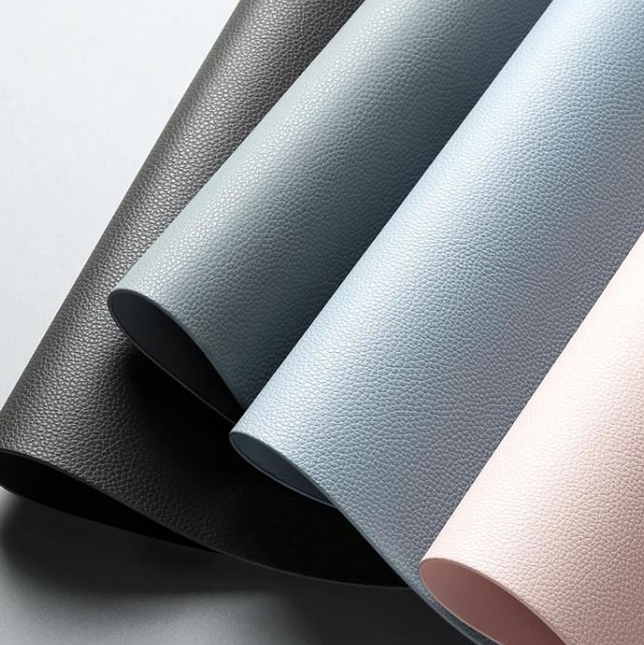
The innovation of microfiber leather mainly focuses on three dimensions: simulation, functionality, and environmental protection. The selection of the process route is the most critical factor determining these three dimensions, as it directly defines the environmental protection grade, production c...
READ MORE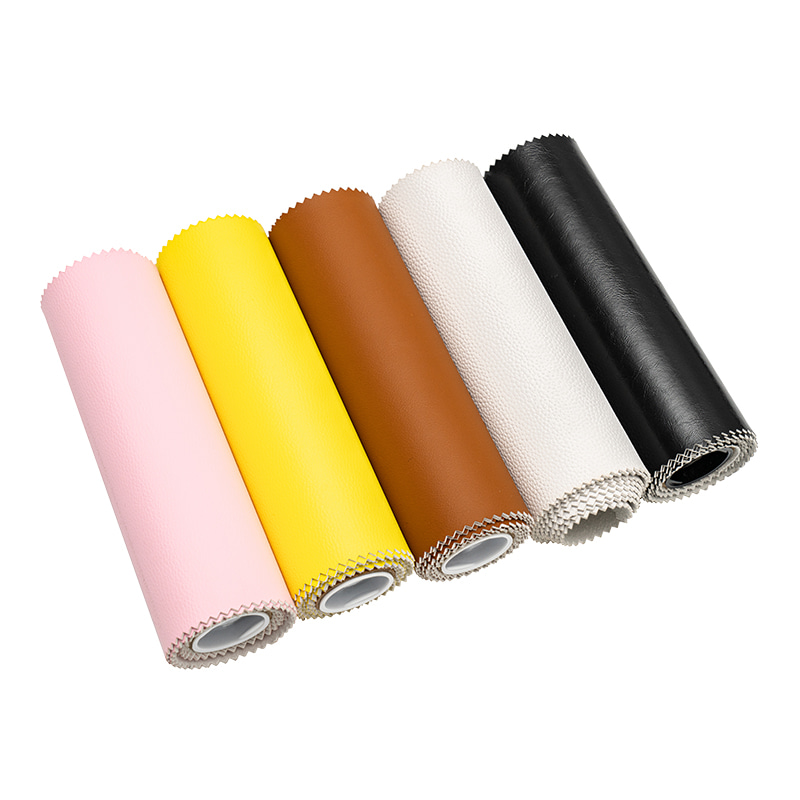
Introduction to Water-Soluble Sea-Island Fiber What is Water-Soluble Sea-Island Fiber? Water-soluble sea-islan...
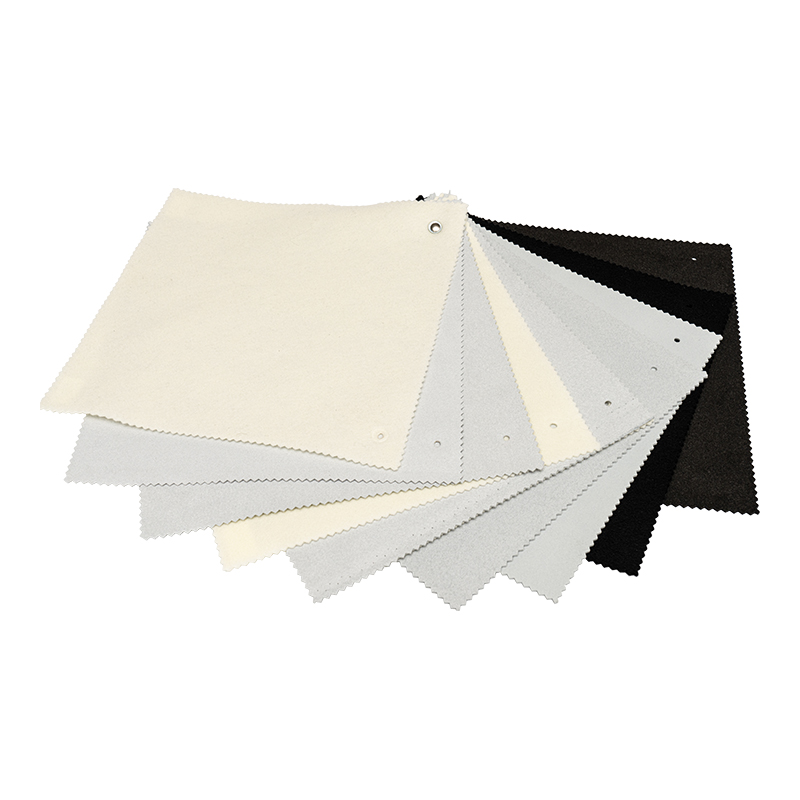
What is Water-Soluble Island-in-the-Sea Fiber? Water-Soluble Sea-Island Fiber is a breakthrough material in th...
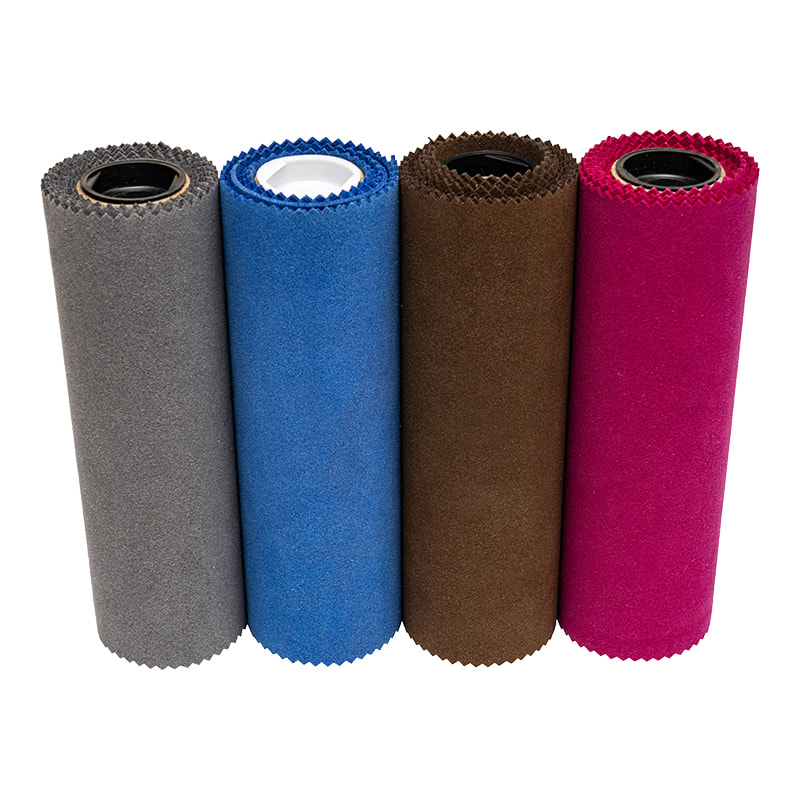
Introduction of Water-Force Microfiber Fabric What is Microfiber Fabric? Microfiber fabric is a type of textil...
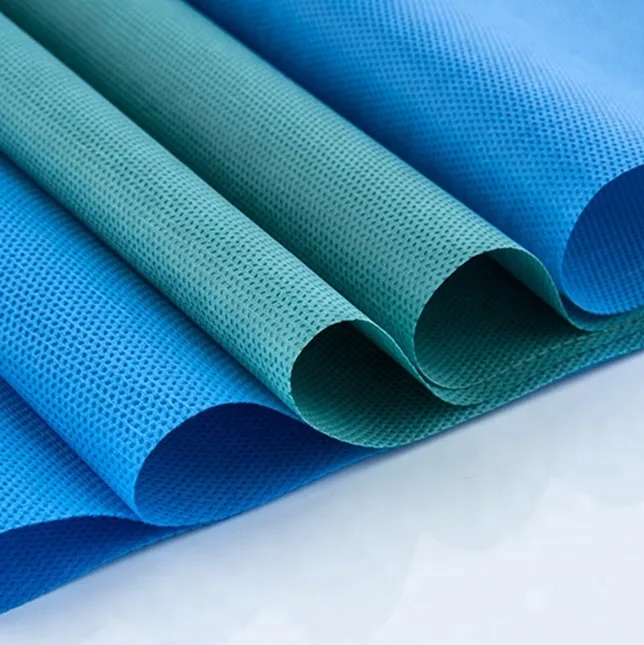
Introduction Water-soluble sea-island fiber nonwoven fabric is a groundbreaking innovation in the textile indu...
What is Water-Soluble Sea-Island Fiber? Definition and Basic Structure Water-soluble sea-island fiber is a spe...
LEMONTA Technology (ShangHai) Co., Ltd. All Rights Reserved. ALL RESERVED.
 Custom Bio-Based Water-Soluble Polyester Fiber Manufacturers
 英语
英语 中文简体
中文简体