If you are comparing microfiber substrates for a new product line, the first thing that usually stops the conversation is the fiber itself. A standard polyester or nylon filament can be spun and drawn very well, but it will not split into ultra-fine denier without a chemical bath. Engineered synthetic fibers solve that problem by building the splitting mechanism into the fiber structure. In practice, a water-soluble island-in-sea fiber can be processed with plain water, giving you a pathway to fine microfibers without the solvent inventory, wastewater treatment cost, or compliance paperwork.
“Engineered” is not a marketing filler. It means the fiber’s cross-section, polymer arrangement, and solubility profile are designed before the filament is extruded. A classic synthetic fiber is a single polymer extruded and drawn; an engineered version typically uses two or more polymers in a controlled geometry. Water-soluble island-in-sea fiber is the clearest example. The sea component is polyvinyl alcohol (PVA), which dissolves in water at a specific temperature range, while the island component is nylon or polyester. The ratio, island count, and island spacing are controlled during spinning to produce consistent splitting once the PVA is removed.
That design control matters because the target microfiber denier depends on how many islands are in the bundle. A 16-island construction yields thicker microfibers than a 36-island construction. If a supplier cannot control island count and distribution, you will see variability in fiber fineness after splitting. The better the engineering, the more predictable your final microfiber fabric becomes.
Most conventional microfiber leather production uses solvent-based splitting. The sea component is removed with dimethylformamide or toluene, which requires recovery systems, high energy input, and careful effluent treatment. The process works, but it is expensive. DMF recovery units add capital cost, and the ventilation and storage requirements add operational overhead. Wastewater treatment becomes an ongoing liability, especially in regions with tightening discharge limits. In addition, traditional solvent recovery systems need constant monitoring, because even small leaks can trigger regulatory penalties.
Engineered water-soluble island fibers take a different route. The PVA sea phase is removed by hot water, so the splitting step does not need organic solvents. Water consumption drops, and the wastewater contains PVA rather than aromatics. In one documented process, the unit water consumption is claimed to be reduced by 83%, carbon footprint by 65%, and COD of the effluent can be controlled to about 50 mg/L. Those figures are not universal, but they show what is achievable when the chemistry of the fiber is aligned with the splitting process.
The practical consequence is that a factory can install a simpler and safer microfiber line. You avoid DMF storage, reduce ventilation requirements, and shorten the time between fiber feed and finished base.
The island polymer determines what happens after the sea component is dissolved. Nylon island fibers give a softer, more flexible microfiber with excellent abrasion resistance, which makes them a common choice for upholstery and shoe upper materials. Polyester island fibers provide higher tensile strength and better dimensional stability, which is useful for technical textiles and industrial applications.
Nylon island fiber splits into microfibers that resist pilling and hold color well. In a shoe upper or automotive seat material, this translates to a finer, more even suede-like surface after buffing. The main processing note is that nylon requires a controlled water temperature for complete PVA removal, because the polymer pair has different swelling characteristics.
Polyester island fiber offers higher modulus and moisture resistance, which helps dimensional stability during repeated washing. It also tends to be more cost-consistent than nylon. For filtration media and high-wear technical fabrics, polyester microfibers provide a durable backbone after splitting.
| Island component | Key benefits | Typical use after splitting | Processing remarks |
|---|---|---|---|
| Nylon (PA6) | Flexibility, abrasion resistance, softer hand feel | Apparel, automotive upholstery, premium microfiber leather | Requires controlled water temperature for complete PVA removal |
| Polyester (PET) | High tensile strength, heat resistance, cost stability | Industrial textiles, filtration, durable microfiber base | Slightly higher crystallinity; slower water penetration |
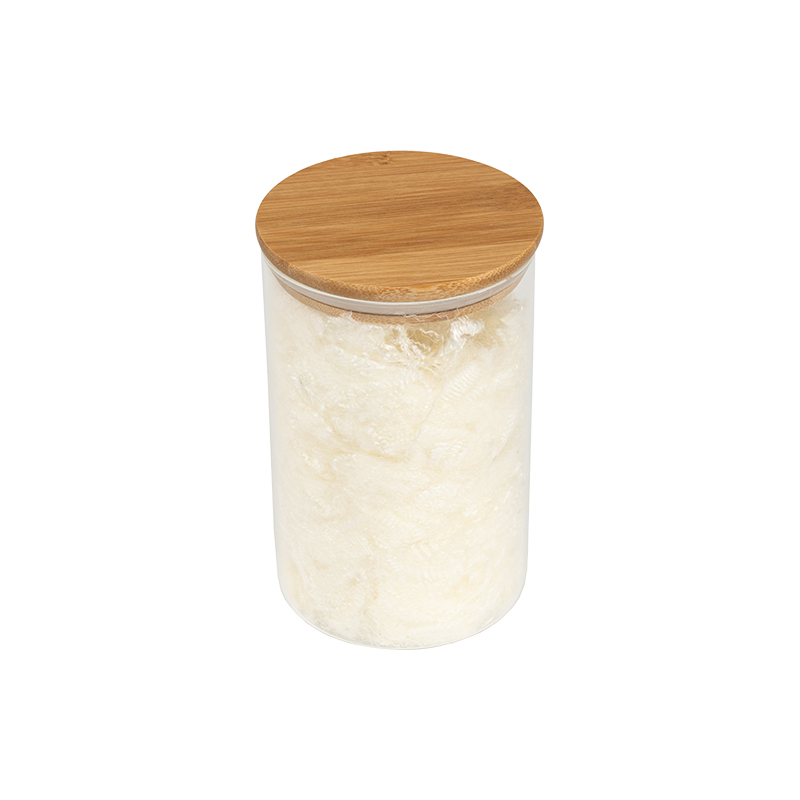
 Water-Soluble Nylon Sea-Island Fiber for Eco-Friendly Microfiber ProductionThis nylon-based sea-island fiber uses a water-soluble PVA sea phase, eliminating chemical reduction. It enables bright colors and supports applications like regenerated leather and wool blends while allowing PVA recovery.View Product → Water-Soluble Polyester Sea-Island Fiber for Ultra-Fine FilamentsA polyester island fiber with water-soluble sea phase, achieving single-filament fineness down to 0.09D. It suits high-end filtration, leather regeneration, and blending in wool or cotton spinning without chemical solvents.View Product →
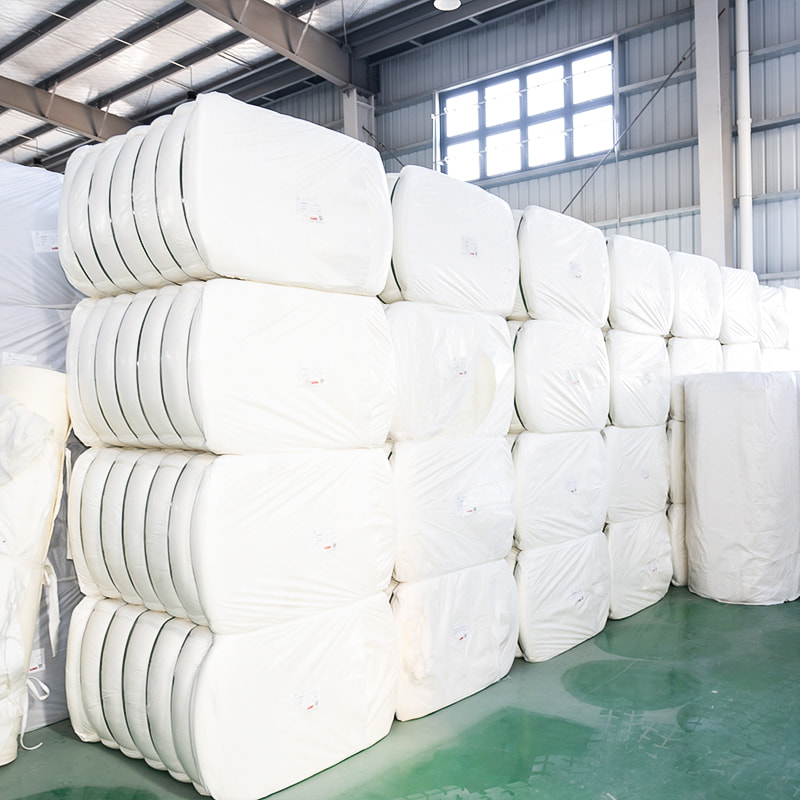
The same engineering logic carries through the whole supply chain. Water-soluble island fiber can be used directly as a raw material for weaving or knitting, but many buyers prefer a nonwoven form. The nonwoven keeps the islands in place and gives the later microfiber fabric a structure that is easier to handle.
Once the nonwoven has been split and the PVA removed, the resulting ultra-fine fiber web can be further needle-punched and finished into a water-based microfiber base. This base is the actual substrate that gets coated with resins to become microfiber leather. Each stage requires careful control of fiber length, denier, and web density. Selecting the right intermediate product means you can skip difficult processing steps and focus on the final finish and coating.
The transition from fiber to nonwoven also matters for operator handling. A carded web made from island fiber is easier to pass through a needling machine than loose filament, and the web structure helps prevent fiber clustering during splitting.
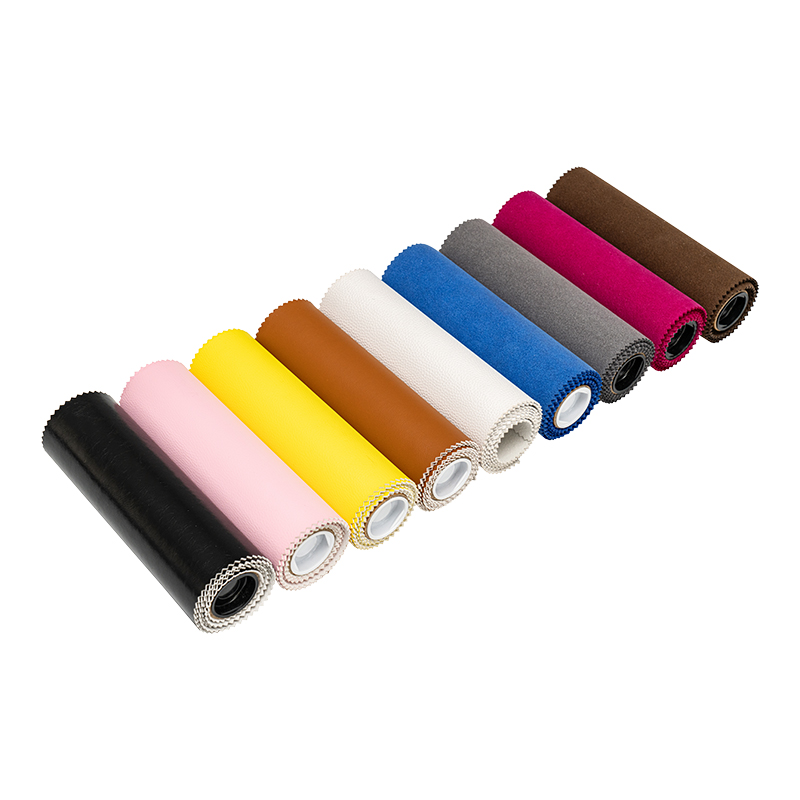
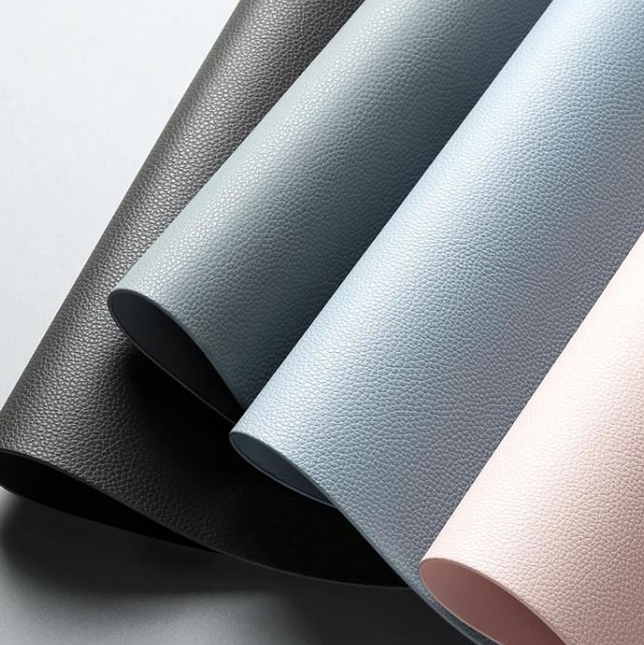
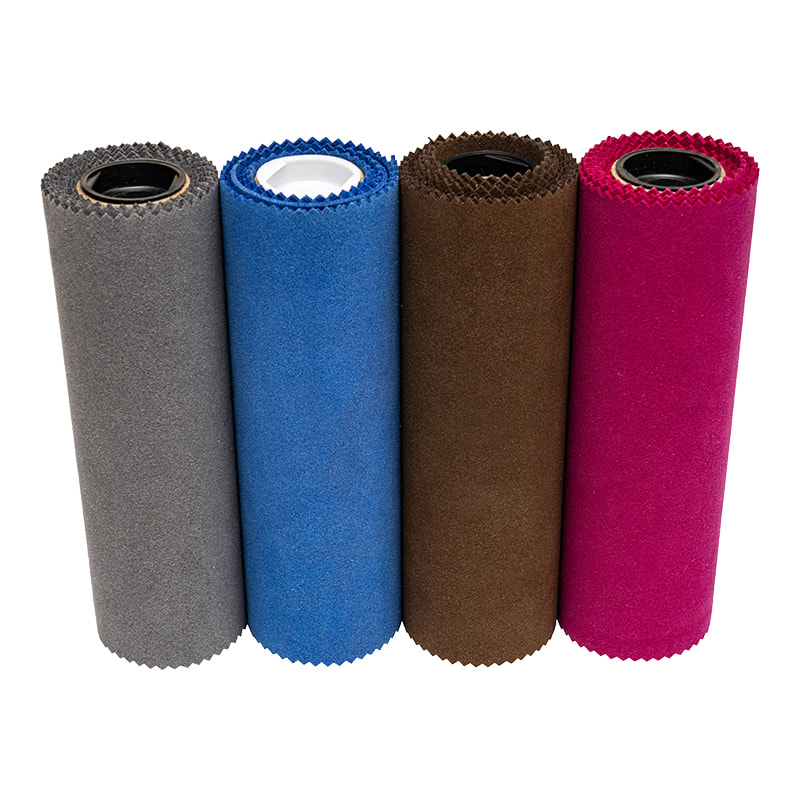 Water-Force Microfiber Fabric from Water-Soluble Sea-Island NonwovenThis fabric is made from water-soluble sea-island fiber nonwoven impregnated with water-based polyurethane. It offers a green, low-carbon base for footwear, furniture, automotive interiors, and luggage, with high environmental performance.View Product →
When you are evaluating engineered synthetic fiber suppliers, ask for batch-to-batch data on island count and fiber uniformity. A good supplier will be able to show you how the ratio of sea to island components is controlled during spinning. If the ratio drifts, the microfiber denier after splitting will drift too, and that affects the final hand feel and density of your product.
Also ask about supply chain control. A partner that runs the full chain from resin to fiber to nonwoven usually points to better supply security and more consistent quality. For a deeper look at why the nonwoven form matters, see why water-soluble island fiber is key to ultrafine microfiber production.
Before you sign a contract, make sure the supplier can supply test samples made from the same production line that will handle your commercial volume. Laboratory samples are often produced on a pilot line, and the island count can vary slightly when the process moves to a wider spinneret.
Engineered synthetic fibers are not a single product category; they are a way of solving processing problems before they reach your production floor. Water-soluble island fiber combines the performance of nylon or polyester with a solvent-free splitting mechanism, which reduces waste and simplifies the route to ultra-fine microfibers. When you choose a supplier, focus on fiber uniformity, scale, and the documented environmental profile. That will give you a reliable basis for a cleaner, more efficient microfiber line.
Anyone comparing fiber suppliers for a nonwoven production line in 2026 will run into conflicting numbers about the bicomponent fiber market. One forecast sees global volume reaching 1.19 million metric tons by 2031. Another predicts value crossing USD 3 billion by 2029. A third expects growth abov...
READ MORE
Introduction to Water-Soluble Sea-Island Fiber What is Water-Soluble Sea-Island Fiber? Water-soluble sea-islan...
What is Water-Soluble Island-in-the-Sea Fiber? Water-Soluble Sea-Island Fiber is a breakthrough material in th...

Introduction of Water-Force Microfiber Fabric What is Microfiber Fabric? Microfiber fabric is a type of textil...
Introduction Water-soluble sea-island fiber nonwoven fabric is a groundbreaking innovation in the textile indu...
What is Water-Soluble Sea-Island Fiber? Definition and Basic Structure Water-soluble sea-island fiber is a spe...
LEMONTA Technology (ShangHai) Co., Ltd. All Rights Reserved. ALL RESERVED.
 Custom Bio-Based Water-Soluble Polyester Fiber Manufacturers
 英语
英语 中文简体
中文简体