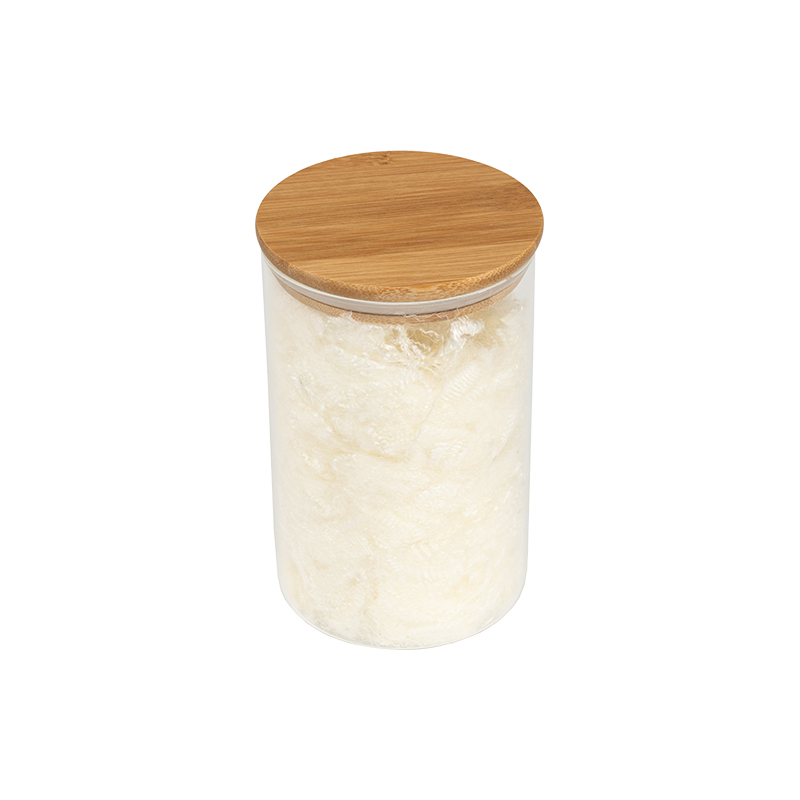
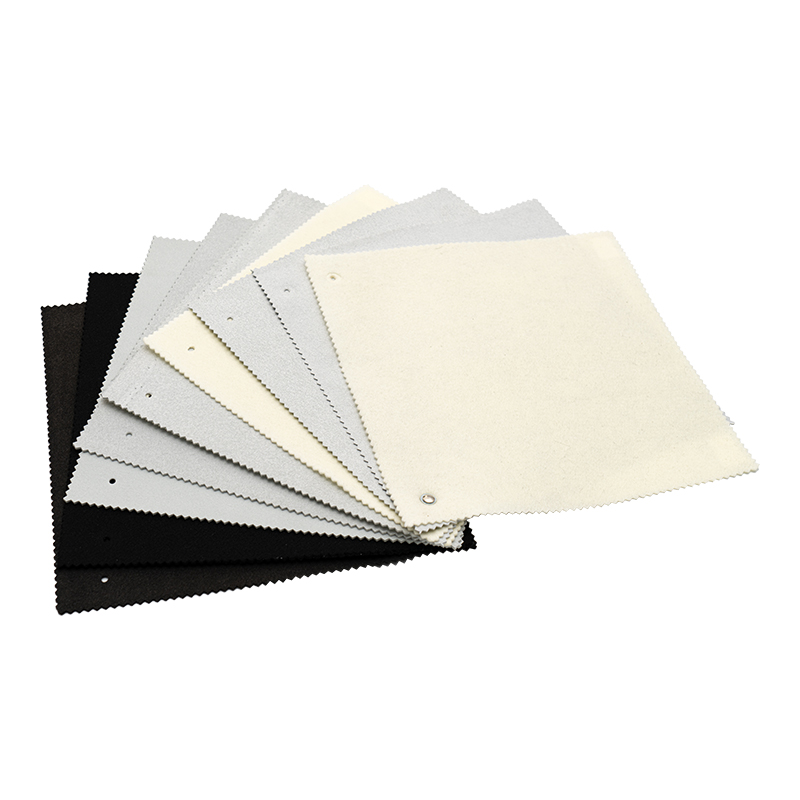
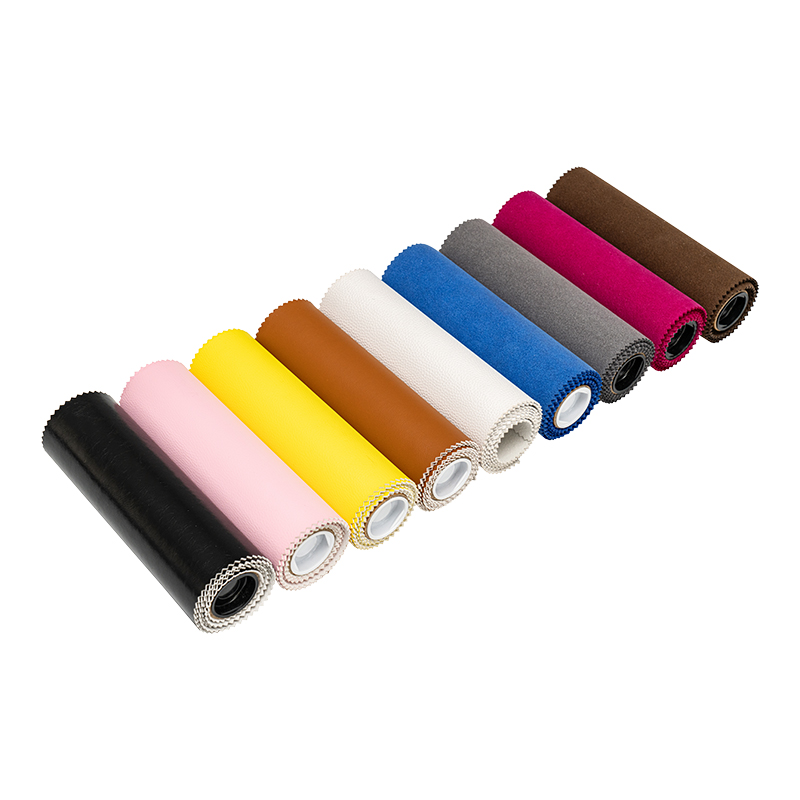
Water-soluble sea island fiber uses a dissolvable polymer—typically polyvinyl alcohol (PVA) or copolyester (COPET)—as the "sea" component surrounding hundreds of ultra-fine "island" filaments made of nylon or polyester. When the composite fiber is woven or nonwoven into fabric and then treated in a hot water or alkaline bath, the sea polymer dissolves completely, leaving behind a bundle of microfilaments as fine as 0.01–0.1 denier per filament. This dissolution process is what creates the soft hand-feel, dense fiber packing, and napped surface characteristic of suede-like fabrics used in apparel, upholstery, and cleaning textiles.
Sea island fiber gets its name from its cross-sectional structure: numerous "island" filaments of a durable polymer are embedded within a continuous "sea" matrix of a different, more soluble polymer. A single sea island filament can contain 16 to over 1,000 individual islands, depending on the spinneret design and target application.
The islands are usually made from polyester (PET) or nylon (PA6), chosen for their mechanical strength, dye affinity, and resistance to abrasion. These become the final microfibers that give suede-like fabric its texture once the sea is removed.
The sea polymer must satisfy two competing requirements: it needs enough mechanical integrity to survive spinning, weaving, and finishing processes, yet it must dissolve cleanly and completely when exposed to the removal treatment. This is where water-soluble polymers, particularly PVA, have become the industry standard over older solvent-based alternatives.
Earlier generations of sea island fiber relied on polystyrene as the sea component, which required toluene or trichloroethylene for removal. These solvents posed serious environmental and worker safety concerns, prompting the textile industry to shift toward water-soluble alternatives.
| Factor | Solvent-Based (Polystyrene) | Water-Soluble (PVA/COPET) |
|---|---|---|
| Removal Medium | Toluene, trichloroethylene | Hot water (60-95°C) or mild alkali |
| Environmental Impact | High VOC emissions, hazardous waste | Biodegradable byproducts, low toxicity |
| Worker Safety | Requires ventilation, PPE | Minimal exposure risk |
| Processing Cost | Higher (solvent recovery systems) | Lower (standard water treatment) |
Beyond safety, water-soluble systems also simplify factory infrastructure. Manufacturers no longer need closed-loop solvent recovery equipment, which reduces capital investment by an estimated 15-25% compared to solvent-based dissolution lines.
Producing suede-like fabric from water-soluble sea island fiber involves a sequence of precise steps, each affecting the final fabric's hand-feel and durability.
Island and sea polymers are melted separately and extruded through a specially designed spinneret that arranges the island polymer as discrete channels within the continuous sea matrix. This produces a composite filament with the sea-to-island ratio typically set between 40:60 and 30:70 by weight.
The composite fiber is processed into woven, knitted, or nonwoven fabric depending on the target product. Nonwoven needle-punched constructions are especially common for synthetic suede, as the dense fiber entanglement helps create the fabric's characteristic loft after dissolution.
The fabric is passed through a hot water or dilute alkaline bath, where the PVA or COPET sea component dissolves and washes away, leaving only the island microfilaments intact. This step must be tightly controlled—incomplete dissolution leaves residual sea polymer that stiffens the fabric, while excessive treatment time can degrade the island filaments.
Once the sea is removed, the fabric surface is buffed or sanded to raise the microfiber ends, producing the characteristic soft, velvety nap of suede. Dyeing typically occurs after dissolution, since the exposed microfilaments absorb color more evenly and produce deeper, more uniform shades than pre-dyed composite fiber.
Several fiber and process parameters directly determine the quality and performance of the finished suede-like fabric.
Higher island counts produce finer individual microfilaments, resulting in a softer hand-feel and denser nap. Fabrics intended for high-end apparel often use fiber with over 100 islands per filament, while industrial wiping cloths may use lower island counts for cost efficiency.
Residual sea polymer content should be reduced to below 1% of original weight to achieve proper softness and drape. Manufacturers verify this through weight-loss testing before and after the dissolution bath.
Suede-like fabrics for apparel typically range from 150 to 300 grams per square meter (gsm), while heavier upholstery-grade fabrics can exceed 400 gsm for improved durability and abrasion resistance.
The fine, dense microfiber structure achieved through water-soluble sea island technology makes it suitable for a wide range of end uses beyond fashion.
Despite its advantages, working with water-soluble sea island fiber requires careful process control to avoid common production issues.
Because PVA is inherently hygroscopic, raw sea island fiber must be stored in controlled-humidity environments. Excess moisture absorption prior to spinning can cause uneven filament formation and increased breakage rates on production lines.
PVA dissolution rate is highly temperature-dependent. Baths typically operate between 70°C and 95°C, and inconsistent temperature across the fabric width can cause uneven dissolution, resulting in visible streaking or inconsistent fabric hand-feel.
While far less hazardous than solvent-based processes, dissolved PVA still requires proper wastewater treatment, as high concentrations can increase biochemical oxygen demand (BOD) in discharge water if not managed through standard treatment protocols.
When sourcing water-soluble sea island fiber or finished suede-like fabric, the following criteria help ensure the material matches your production capabilities and end-product requirements.
Water-soluble sea island fiber represents a significant advancement in sustainable microfiber manufacturing, eliminating hazardous solvents while enabling the ultra-fine filament structures that make suede-like fabrics look and feel authentic. As environmental regulations continue tightening across the textile industry, this technology is increasingly positioned as the standard approach rather than an alternative one.
What Is Water-Force Microfiber Fabric? Water-force microfiber fabric is a nonwoven textile made by bonding ultra-fine synthetic fibers (typically polyester and polyamide blends under 1 denier) using high-pressure water jets instead of chemical adhesives, needles, or heat. This process is formally c...
READ MORE
Introduction to Water-Soluble Sea-Island Fiber What is Water-Soluble Sea-Island Fiber? Water-soluble sea-islan...
What is Water-Soluble Island-in-the-Sea Fiber? Water-Soluble Sea-Island Fiber is a breakthrough material in th...
Introduction of Water-Force Microfiber Fabric What is Microfiber Fabric? Microfiber fabric is a type of textil...
Introduction Water-soluble sea-island fiber nonwoven fabric is a groundbreaking innovation in the textile indu...
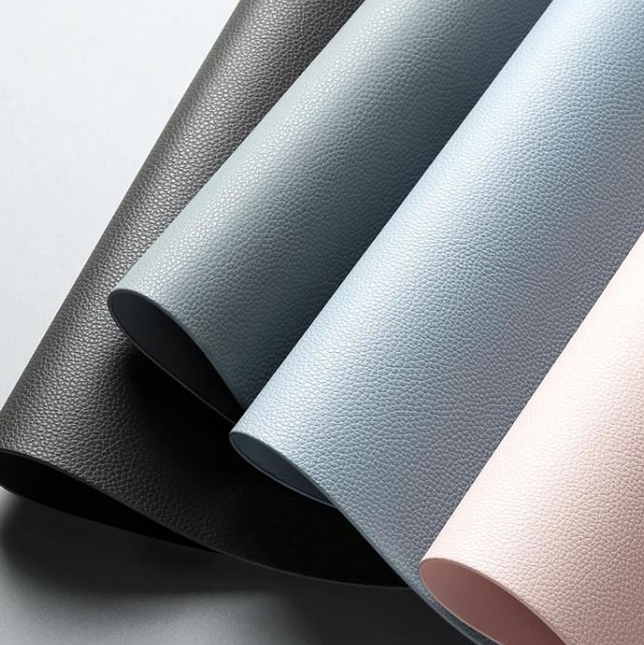
What is Water-Soluble Sea-Island Fiber? Definition and Basic Structure Water-soluble sea-island fiber is a spe...
LEMONTA Technology (ShangHai) Co., Ltd. All Rights Reserved. ALL RESERVED.
 Custom Bio-Based Water-Soluble Polyester Fiber Manufacturers
 英语
英语 中文简体
中文简体