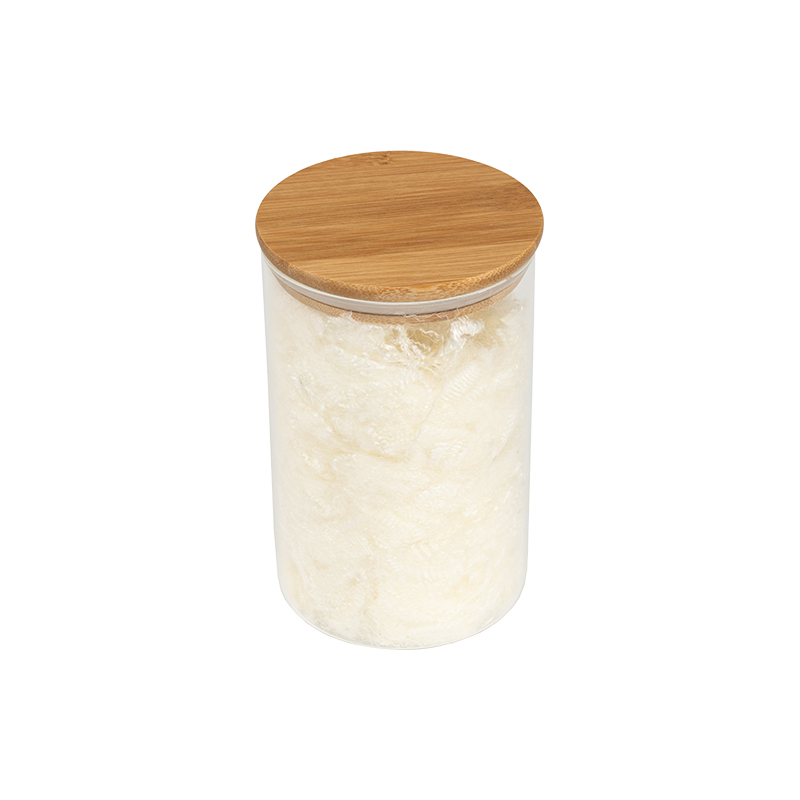
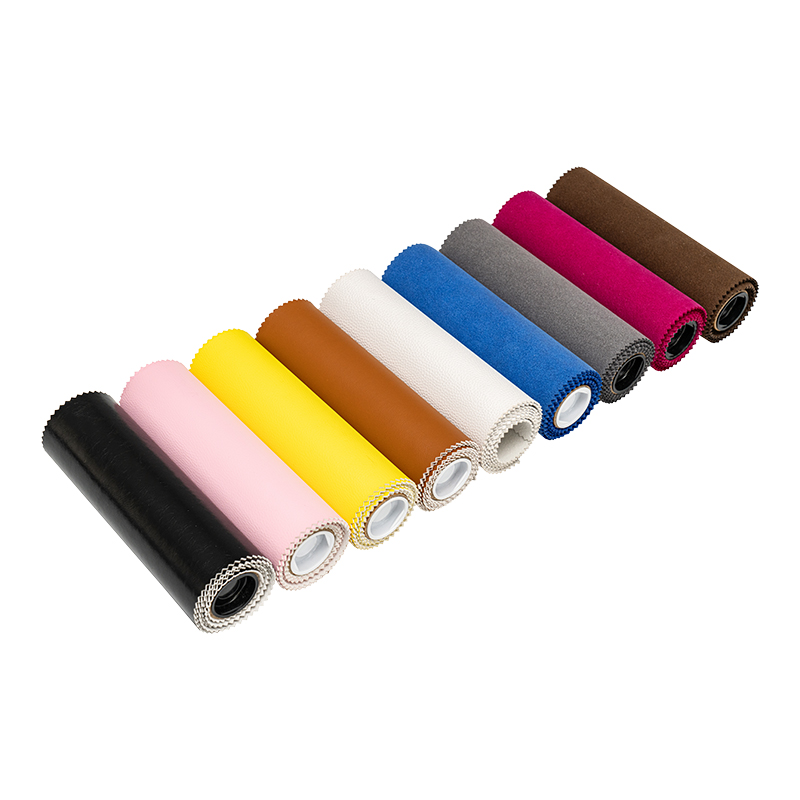
Water-force microfiber fabric is a nonwoven textile made by bonding ultra-fine synthetic fibers (typically polyester and polyamide blends under 1 denier) using high-pressure water jets instead of chemical adhesives, needles, or heat. This process is formally called hydroentanglement, or spunlace. The result is a soft, absorbent, lint-free material that combines the strength of woven fabric with the softness of a nonwoven, and it is widely used in cleaning cloths, medical wipes, filtration media, and industrial applications.
How the Hydroentanglement Process Works
Unlike woven or knitted microfiber, which requires yarn spinning and looming, water-force fabric starts as a loose web of fibers laid down on a conveyor belt. This web then passes under rows of fine nozzles that fire water at pressures ranging from 50 to 250 bar. The force physically tangles the fibers together at a microscopic level, creating a coherent sheet without any binding chemicals.
Because no adhesives are used, the fabric remains breathable and free of the stiffness that resin-bonded nonwovens often have.
Water-force microfiber fabric is valued mainly for three measurable properties: absorbency, tensile strength, and particle-trapping ability.
Because hydroentangled microfiber can hold up to 7 times its own weight in liquid, it outperforms cotton terry, which typically absorbs 3 to 4 times its weight. This makes it a preferred material for spill cleanup and food-service wipes.
The tangled fiber structure gives the fabric a wet tensile strength comparable to woven textiles, and commercial-grade rolls can typically withstand over 200 industrial wash cycles before performance degrades, depending on fiber composition and finishing treatment.
Split microfiber strands as fine as 0.13 denier create a large surface area that can trap particles down to the sub-micron range, which is why this fabric is common in air and liquid filtration layers as well as cleanroom wipes.
The combination of softness, strength, and absorbency makes this fabric practical across several industries.
| Industry | Typical Product | Key Benefit |
|---|---|---|
| Household cleaning | Kitchen and glass wipes | Streak-free, lint-free surface cleaning |
| Medical and hygiene | Surgical wipes, disinfectant cloths | Sterile, low-linting, chemical-resistant |
| Automotive | Detailing and polishing cloths | Scratch-free paint and glass cleaning |
| Filtration | Air and liquid filter media | High particle capture, low pressure drop |
| Industrial | Oil and solvent absorbent mats | High liquid uptake, tear resistance |
Nonwoven fabrics can be bonded in several ways, and each method produces a distinct hand-feel and performance profile.
| Bonding Method | Softness | Strength | Chemical-Free |
|---|---|---|---|
| Hydroentangled (water-force) | High | High | Yes |
| Needle-punched | Low | Moderate | Yes |
| Chemical-bonded | Moderate | Low to moderate | No |
| Thermal-bonded | Low | Moderate | Yes |
Because it avoids resins and adhesives entirely, hydroentangled fabric is generally considered a more skin-friendly and environmentally cleaner option than chemically bonded nonwovens.
Not all hydroentangled microfiber is made equal. When evaluating a product, focus on the following specifications.
To preserve absorbency and fiber structure, wash reusable hydroentangled microfiber items in warm water below 60°C (140°F) and avoid fabric softeners, which coat the fibers and reduce their ability to attract dust and moisture. Air-drying or low-heat tumble drying helps maintain the open fiber structure that gives the fabric its cleaning performance over hundreds of use cycles.
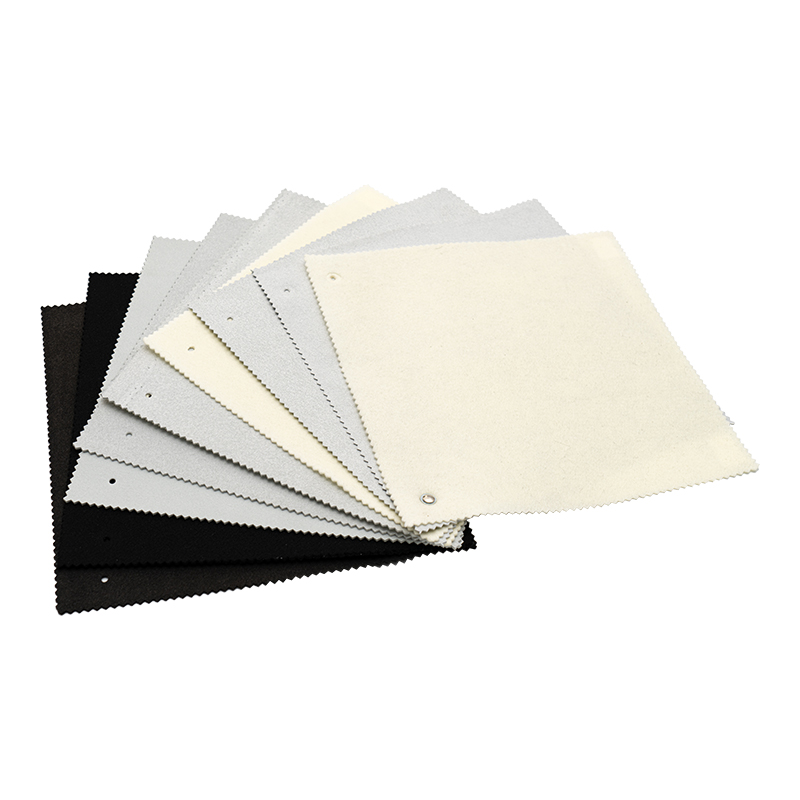
Quick Answer: What This Material Does Water-soluble sea island fiber nonwoven fabric is a specialty nonwoven made from bicomponent fibers structured like an "island in a sea" — ultra-fine polymer filaments (the islands) embedded in a water-soluble polymer matrix (the sea). When the fabric is treate...
READ MORE
Introduction to Water-Soluble Sea-Island Fiber What is Water-Soluble Sea-Island Fiber? Water-soluble sea-islan...
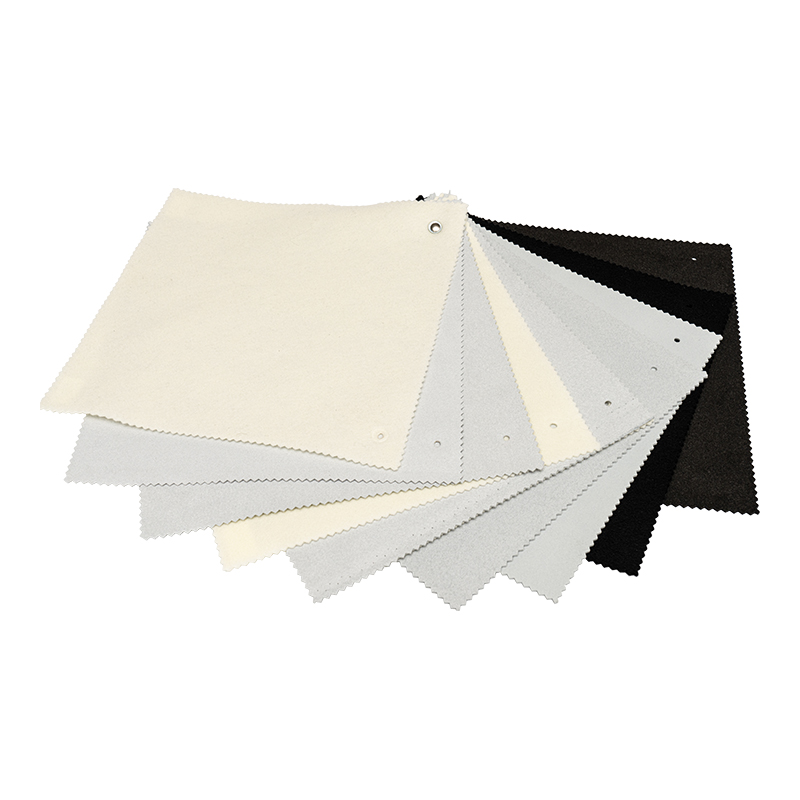
What is Water-Soluble Island-in-the-Sea Fiber? Water-Soluble Sea-Island Fiber is a breakthrough material in th...
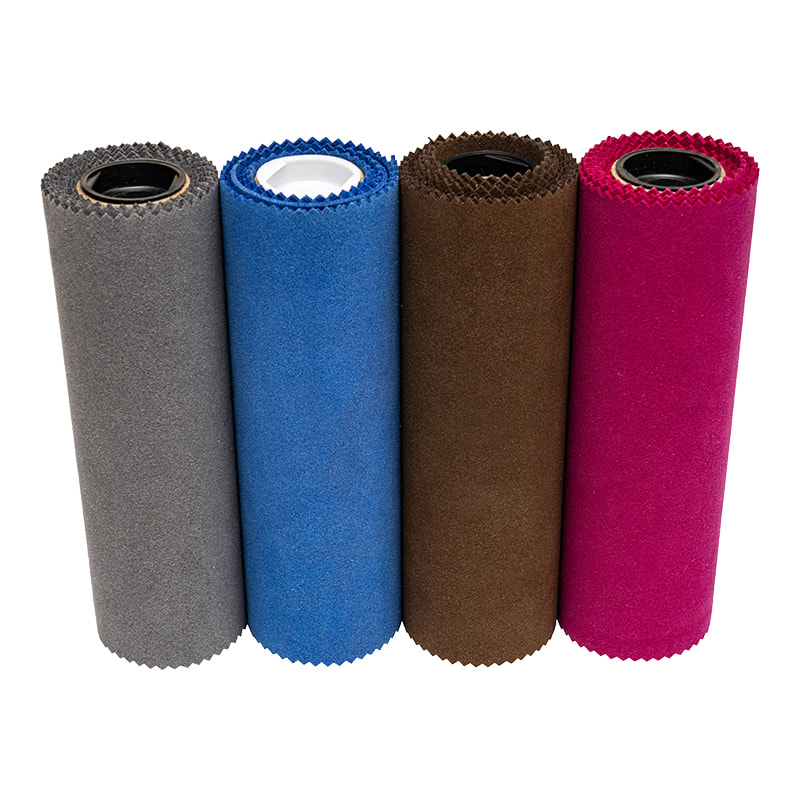
Introduction of Water-Force Microfiber Fabric What is Microfiber Fabric? Microfiber fabric is a type of textil...
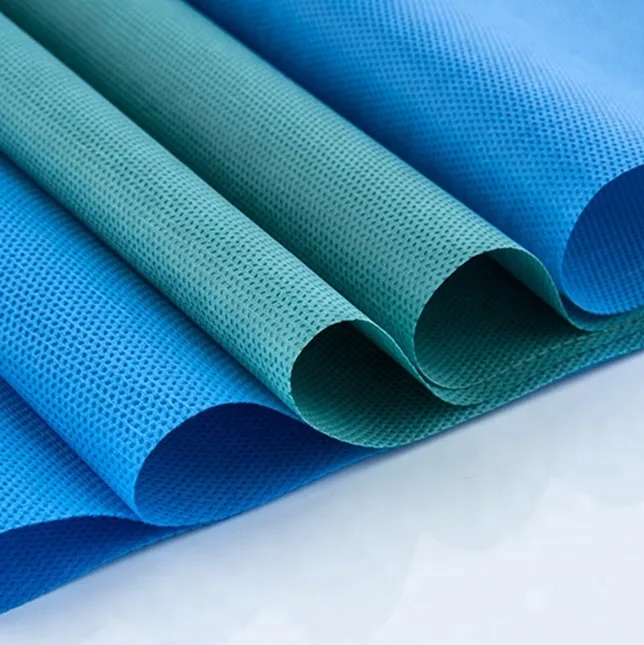
Introduction Water-soluble sea-island fiber nonwoven fabric is a groundbreaking innovation in the textile indu...
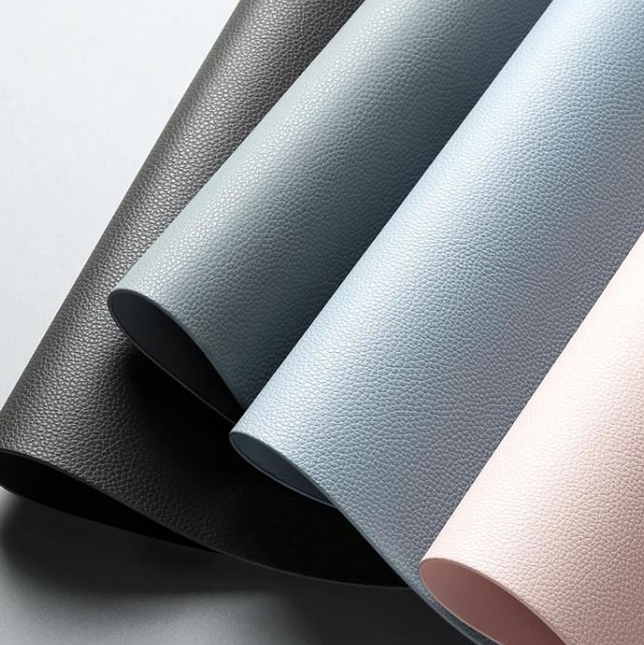
What is Water-Soluble Sea-Island Fiber? Definition and Basic Structure Water-soluble sea-island fiber is a spe...
LEMONTA Technology (ShangHai) Co., Ltd. All Rights Reserved. ALL RESERVED.
 Custom Bio-Based Water-Soluble Polyester Fiber Manufacturers
 英语
英语 中文简体
中文简体