If your product carries a recycled-content claim, someone downstream will eventually ask you to prove it. The Global Recycled Standard is one of the most widely recognised answers to that question.
The Global Recycled Standard, usually shortened to GRS, is a voluntary international certification for products that contain recycled material. It is owned and maintained by Textile Exchange, a non-profit organisation, and it is delivered through accredited third-party certification bodies rather than by the standard owner itself. What separates GRS from a simple recycled-content label is its scope. It verifies the percentage of recycled material in a product, tracks that material through every stage of processing, and at the same time sets requirements for social responsibility, environmental management and restricted chemicals.
That combination matters more every year. A brand can no longer build a credible sustainability story on recycled content alone; retailers, regulators and consumers increasingly want evidence that the material is genuinely recycled, that the people who handled it were treated fairly, and that processing did not simply move the environmental problem somewhere else in the chain.
Recycled material has been part of textile manufacturing for decades, but for a long time there was no shared way to prove it. A mill could buy recycled polyester chip, spin it into yarn and print a recycling symbol on the packaging, and nobody upstream or downstream could verify the actual percentage or its origin. That ambiguity is exactly what the standard was built to remove.
Recycled polyester fleece, recycled cotton and recycled wool all existed in real volume, but every buyer defined recycled differently. There was no chain-of-custody system connecting a bale of bottles or a bag of textile waste to a finished product, so purchasing decisions rested on trust and paperwork.
Textile Exchange introduced the Global Recycled Standard as a voluntary certification with independent third-party verification. For the first time, a production site could hold a certificate naming the recycled content of specific product categories, and a buyer could follow that claim backwards through the chain.
Subsequent revisions widened the standard well beyond content. Labour practices, chemical restrictions, wastewater treatment and waste handling were added, which is why GRS is now described as a full product standard rather than a recycled-content claim with a logo attached.
GRS certification is common across apparel, home textiles, footwear, accessories, bags, packaging and industrial textiles. For many brands it has moved from a nice-to-have to a purchasing precondition, and for suppliers it is often the quickest route onto an approved vendor list.
Regulation is catching up with voluntary standards. Rules on green claims, product environmental information and digital product passports all point the same way: claims must be specific, substantiated and traceable. Systems that already generate auditable records are better placed than declarations built on goodwill.
When people talk about GRS, they usually focus on the recycled percentage. In practice the standard rests on six connected requirements, and a facility has to satisfy all of them.
Every certified product must contain at least 20 percent recycled material by weight, and that figure has to be supported by purchase records, production data and sales documents rather than a self-declaration.
Material is tracked from the recycling stage through every processing, manufacturing and trading step, with documentation at each transfer.
Requirements cover child labour, forced labour, working hours, wages, health and safety, freedom of association and harassment.
Processing sites must manage wastewater, sludge, air emissions and solid waste, with treatment and discharge limits in place.
A restricted substances list applies to inputs and processes, with documented controls on what enters the facility.
The audit is largely a documentation exercise: invoices, stock records, production logs and shipping documents must tell one consistent story.
Percentages under GRS are calculated by weight of the final product, and different thresholds unlock different rights. The bars below compare the levels most often discussed in sourcing conversations.
Two practical consequences follow. First, a product below 20 percent recycled content cannot be certified to GRS at all, no matter how well the factory performs on social and environmental criteria. Second, the certification threshold and the logo threshold are not the same thing: a product can be GRS certified at 20 percent yet be unable to carry the GRS logo until it reaches 50 percent, which is why wording such as "made with 30 percent recycled content" appears instead of an emblem.
The Recycled Claim Standard (RCS) comes from the same standard owner and uses a similar chain-of-custody logic, but its requirements are narrower. The table below summarises the differences that matter most when you are deciding which route to take.
| Requirement | Global Recycled Standard | Recycled Claim Standard |
|---|---|---|
| Minimum recycled content | 20 percent | 5 percent |
| Chain of custody | Required | Required |
| Social criteria | Included | Not included |
| Environmental criteria | Included | Not included |
| Chemical restrictions | Included | Not included |
| Product logo | From 50 percent recycled content | Subject to label rules |
| Verification | Third-party audit | Third-party audit |
| Typical use | Full production standard for verified content plus responsible processing | Simpler verification of recycled content only |
If a customer simply wants recycled content confirmed, RCS can be sufficient and lighter to maintain. If the customer is making a public claim, publishing a sustainability report or preparing for regulated disclosure, GRS is normally the expectation, because it also covers the conditions under which the material was processed.
Chain of custody is the backbone of the standard. It answers a deceptively simple question: can you demonstrate, with documents, that the recycled material you sold is the recycled material you bought? In a typical textile chain the journey looks like this.
Two documents carry the weight. A scope certificate is issued to a site and lists the product categories and processes that site is certified for; it is generally valid for around a year and is renewed after a further audit. A transaction certificate is issued for a specific shipment, confirming the product, quantity and recycled content that moved between a seller and a buyer. A scope certificate does not travel with the goods, which is why a single missing transaction certificate can break an otherwise perfect chain.
Recycled content is usually decided at the polymer stage, long before anyone talks about fabric. For microfiber materials built on sea-island fibre, the recycled input normally sits in the island component, which can be recycled polyester or recycled nylon, while the sea component is a water-soluble polymer that is later removed. That structure gives a fibre producer a genuine role in a certified chain rather than a supporting one.
From a documentation point of view, the fibre stage is where the recycled claim either becomes traceable or falls apart. Recycled chips must be purchased against a valid scope certificate, quantities must reconcile with what is spun and shipped, and each outgoing lot needs a transaction certificate if the buyer intends to pass the claim further downstream.
Our own route into this conversation is water-soluble sea-island fibre, produced with recycled polyester or recycled nylon as the island component. Because the sea component dissolves in water, the fibre can be split into ultrafine filaments using water rather than solvents, which keeps a large part of the chemical management discussion simple when a processing site is preparing for audit.
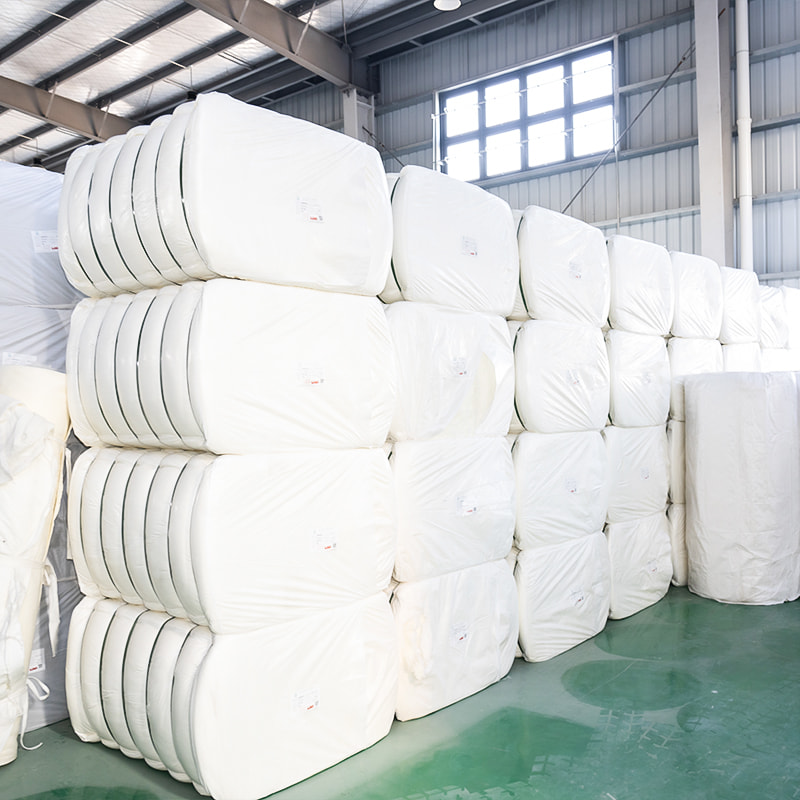 Water-Soluble Sea-Island Polyester Fiber for Solvent-Free Microfiber ProductionComposite ultrafine fiber with a water-soluble sea phase, split in hot water without solvents; relevant for recycled-content audits and lower-impact microfiber processing.View Product →
The environmental criteria in GRS are not limited to recycled percentages; they also look at how a site uses water, treats effluent and handles waste. We have written in more detail about the environmental benefits of water-soluble sea-island fiber for readers who want the process-level view. Our own internal measurements indicate substantially lower water consumption, a smaller carbon footprint and low chemical oxygen demand in effluent compared with conventional solvent-based routes, although these are our own figures rather than third-party audited results.
A certified claim rarely survives on fibre alone. In microfiber leather production, the material passes through at least two more processing stages before it becomes something a brand can sell, and each stage needs its own scope certificate and its own records. This is where supply chains most often lose their paperwork.
The first of those stages is nonwoven formation. Sea-island fibre is carded, needled or otherwise bonded into a nonwoven structure that will eventually form the skeleton of the microfiber material. For a GRS chain, what matters here is that certified fibre goes in and certified fabric comes out, with the input quantity of recycled content carried forward accurately.
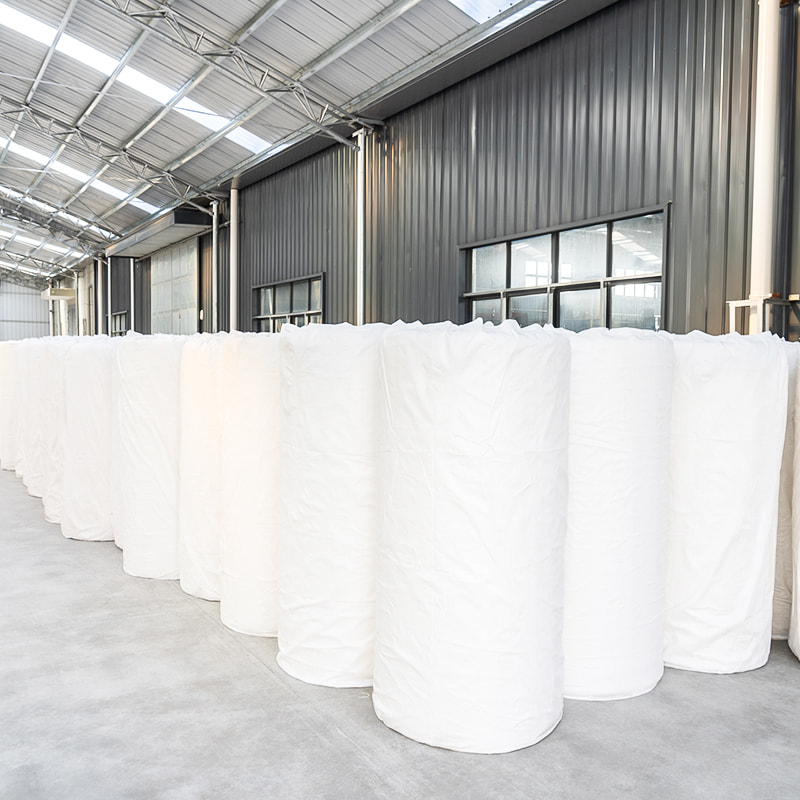 Water-Soluble Polyester Sea-Island Fiber Nonwoven FabricPVA-sea nonwoven base for microfiber materials, offered at 280–800 g/m2 and 1.6–1.75 m width; suited to bonding and finishing stages.View Product →
The second stage is the base material itself. A water-based microfiber base is designed to be finished and composited further, so it usually sits at the boundary between a textile supply chain and a coating or lamination operation. When the finishing step introduces additional chemistry, that operation also has to satisfy the chemical and environmental criteria of the standard if the final claim is to stay intact.
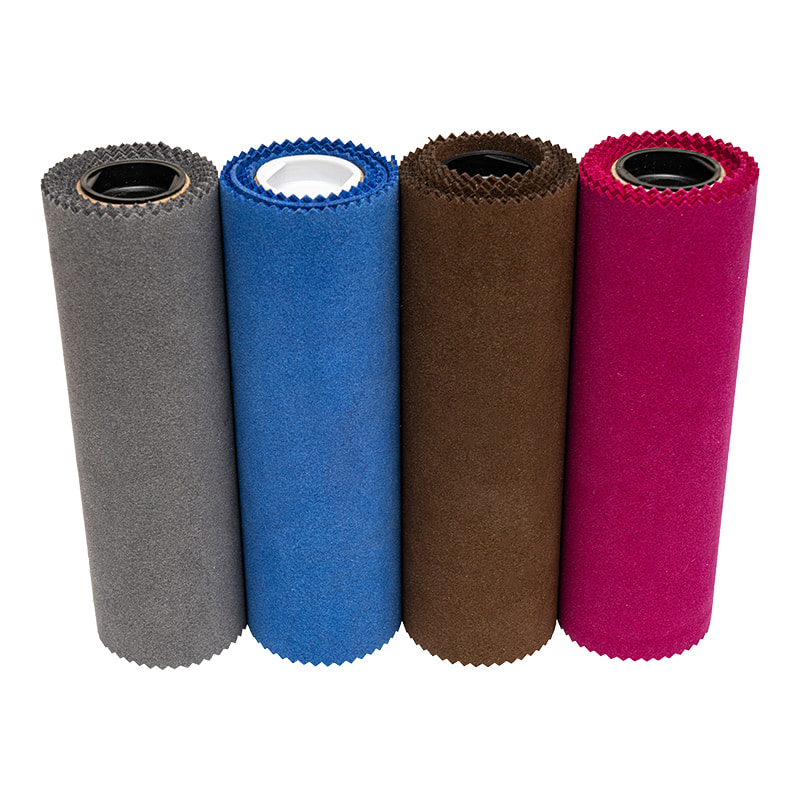 Water-Force Microfiber Fabric for Footwear, Furniture, and Automotive InteriorsWater-force polyurethane-impregnated microfiber fabric made from water-soluble sea-island nonwoven; suitable for high-end footwear, upholstery, and automotive leather applications.View Product →
Working with a fibre producer who understands this sequence saves a remarkable amount of time later. Knowing which documents accompany each lot, how recycled content is carried through splitting and bonding, and where a certificate is required helps a mill plan its audit instead of discovering gaps in the week before one.
Verification is a shared responsibility. Even if you are buying finished material rather than raw fibre, a few straightforward checks will tell you whether a claim is likely to hold up.
For a mill, converter or fibre producer preparing for the first time, the process is more straightforward than it looks, provided the groundwork is done in order.
Physical separation is one option, mass balance is another, but whichever model applies, it has to be documented and applied consistently across the whole site. Ad hoc mixing with retrospective notes rarely survives scrutiny.
Figures on the sales invoice must match the purchase records and the production data. Small rounding differences are manageable; unexplained gaps are not.
The recycled content is only one part of the standard. Sites that ignore labour, chemical or wastewater requirements often find themselves with corrective actions that delay certification by months.
Each production site needs its own scope certificate. A group certificate held by one facility does not automatically authorise shipments from another.
Transaction certificates require review and approval. Building them into the shipping routine keeps materials moving and keeps customers informed.
No. It is a voluntary standard. In practice, however, many brands and retailers require it as a condition of supply, and regulation on environmental claims is steadily raising the bar for what counts as adequate evidence.
Twenty percent by weight of the product. A product must reach that level to be certified, while the GRS logo can only be applied from fifty percent recycled content upward.
Much of the timeline is set by how ready a facility is rather than by the audit itself. Sites with clean records and established chemical and wastewater controls move through document review, audit and corrective actions faster than those starting from scratch.
The standard is designed around textile products, and microfiber leather is built on a textile substrate. Fibre, yarn, nonwoven and base fabric stages can all sit inside a certified chain of custody, while coating or compositing steps are assessed according to how they are classified in the standard's product scope.
Fees vary with site size, the number of processes and the certification body. Budget for the application and audit fee, an annual fee, and the internal cost of record keeping and any corrective actions. The recurring workload of maintaining the system is often the larger consideration.
Scope certificates are typically valid for about a year and are renewed following a surveillance audit, so certification is a continuous commitment rather than a one-off project.
The Global Recycled Standard works because it treats a recycled claim as a supply chain fact rather than a marketing statement. Whether you are spinning fibre, bonding nonwoven, coating a base material or sourcing a finished product, the same three things decide whether your claim holds: verified content, documented custody and a processing operation that meets the standard's social, environmental and chemical expectations.
If you are mapping recycled content into a sea-island fibre programme or preparing documentation for a downstream customer, our team is happy to walk through the fibre-to-base sequence with you. Feel free to talk to our technical team about your specification, volumes and certification timeline.
Fiber mixing is one of those terms that changes meaning with the material. In concrete, it usually means adding steel, glass, or synthetic fibers to a mixer without creating balls or reducing workability. In water-soluble sea-island fiber production, fiber mixing is more about how two polymers, the...
READ MORE
Introduction to Water-Soluble Sea-Island Fiber What is Water-Soluble Sea-Island Fiber? Water-soluble sea-islan...
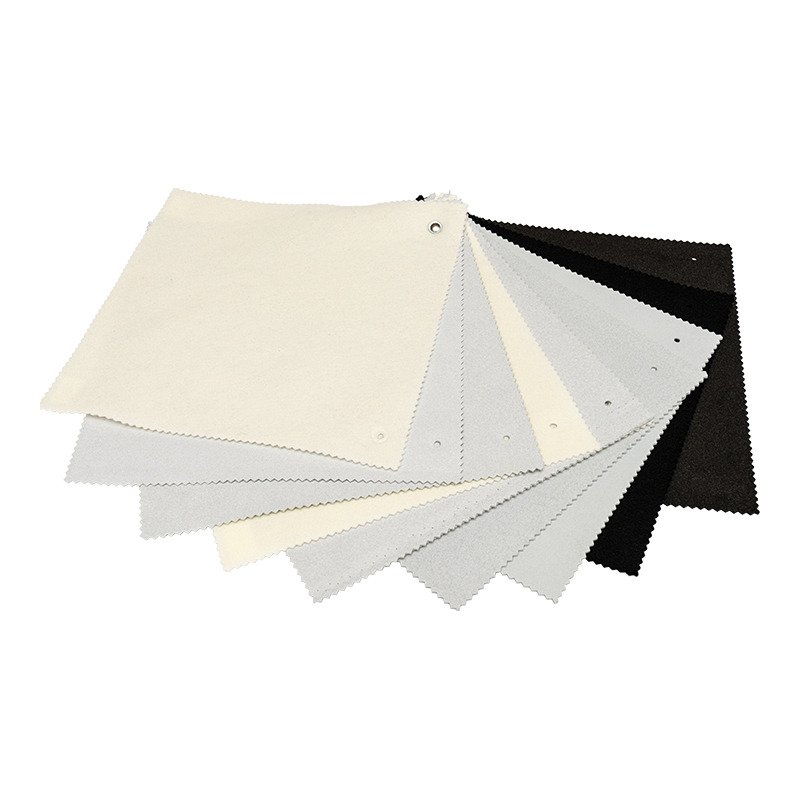
What is Water-Soluble Island-in-the-Sea Fiber? Water-Soluble Sea-Island Fiber is a breakthrough material in th...
Introduction of Water-Force Microfiber Fabric What is Microfiber Fabric? Microfiber fabric is a type of textil...
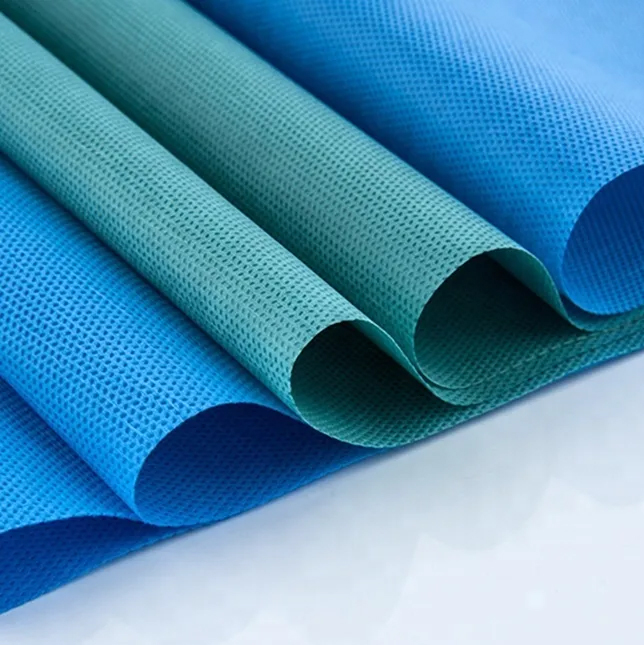
Introduction Water-soluble sea-island fiber nonwoven fabric is a groundbreaking innovation in the textile indu...
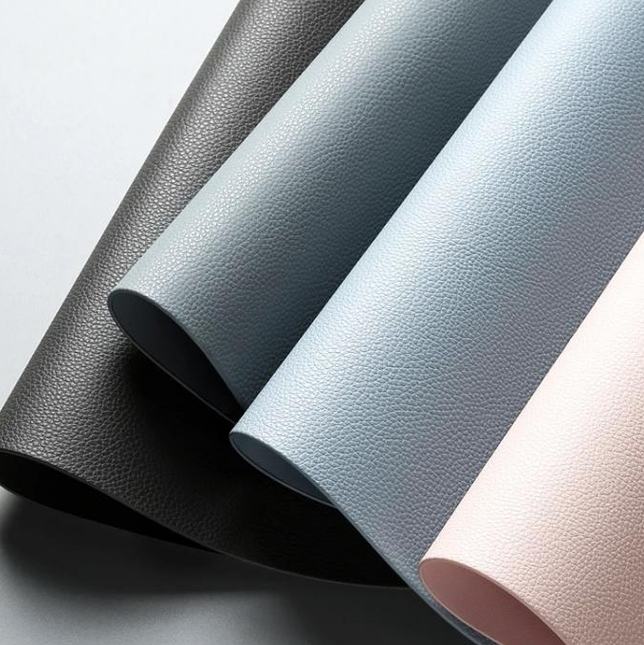
What is Water-Soluble Sea-Island Fiber? Definition and Basic Structure Water-soluble sea-island fiber is a spe...
LEMONTA Technology (ShangHai) Co., Ltd. All Rights Reserved. ALL RESERVED.
 Custom Bio-Based Water-Soluble Polyester Fiber Manufacturers
 英语
 中文简体