Fiber mixing is one of those terms that changes meaning with the material. In concrete, it usually means adding steel, glass, or synthetic fibers to a mixer without creating balls or reducing workability. In water-soluble sea-island fiber production, fiber mixing is more about how two polymers, the water-soluble sea and the island-forming nylon or polyester, are combined at the spinneret, then how those fibers are blended, carded, or dispersed before water-jet splitting. Both worlds care about the same fundamentals: even distribution, controlled dosage, and repeatable results. The difference is that microfiber manufacturing pushes those fundamentals to a much finer scale.
Our team has spent more than a decade working with PVA water-soluble sea-island fibers and water-jet splitting. This guide shares practical ways to think about fiber mixing when the goal is a clean, uniform microfiber web rather than a structural concrete slab.
In a sea-island fiber, the mix is engineered into the cross-section. The sea component is water-soluble PVA; the islands are nylon or polyester. The ratio between them determines how many islands are formed, how fine they can become, and how much PVA must be removed later. If that ratio drifts, water-jet splitting changes with it.
Mixing does not end at the spinneret. Once fibers are cut and baled, they are blended with other fibers or with themselves to create a uniform web. A stable line treats both stages as one connected process.
| Mixing Variable | What to Control | Downstream Effect |
|---|---|---|
| Sea/island ratio | PVA percentage and island count | Splitting speed, microfiber fineness, residual PVA |
| Polymer viscosity | Nylon or polyester melt flow | Island shape, draw stability, broken filaments |
| Spin pack pressure | Filtration and flow distribution | Filament diameter consistency, pack life |
| Quench and draw | Cooling and stretching profile | Molecular orientation, later fibrillation |
| Fiber blending ratio | Nylon versus polyester versus PVA content | Web strength, hand feel, shrinkage |
| Water-jet pressure | Energy per unit width | Fiber opening, surface uniformity, energy use |
Water-jet splitting depends on the PVA sea dissolving and the islands separating cleanly. If the islands are unevenly distributed, some zones open quickly while others remain bundled. The result is streaking, uneven surface appearance, or weak spots that only show up after finishing.
More shear or higher pressure is not always better. Over-mixing can break filaments, create fines, or drive PVA into the island surface. A balanced spinning recipe and stable drawing are usually more effective than simply increasing energy at the water-jet station. We explain more about how water-soluble island fiber nonwovens can help achieve finer microfibers in a separate technical note.
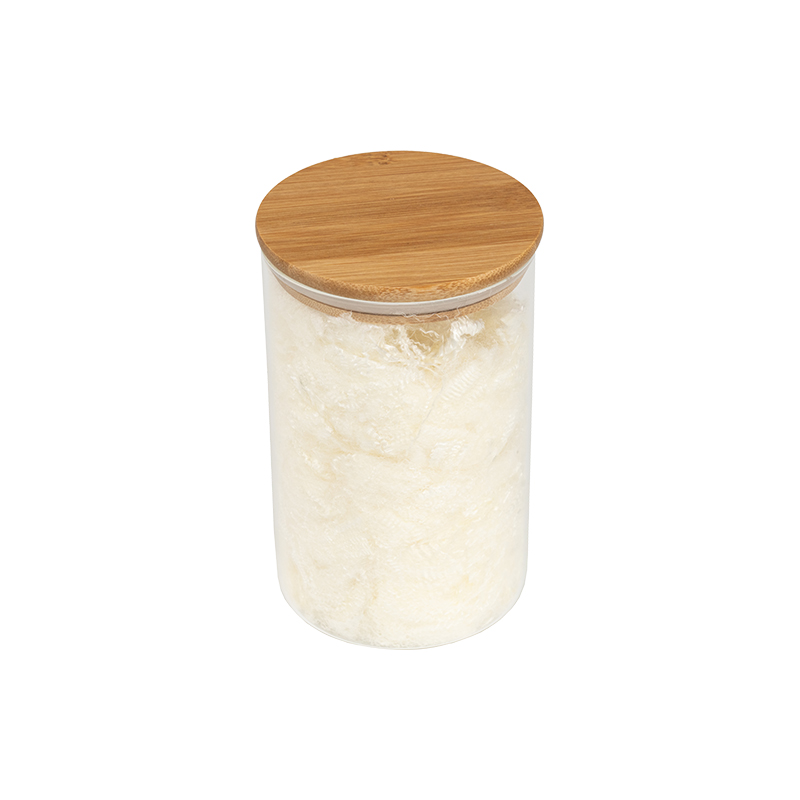
For lines that need a nylon island component, our water-soluble nylon island-in-sea fiber is built for controlled island distribution and consistent splitting behavior.
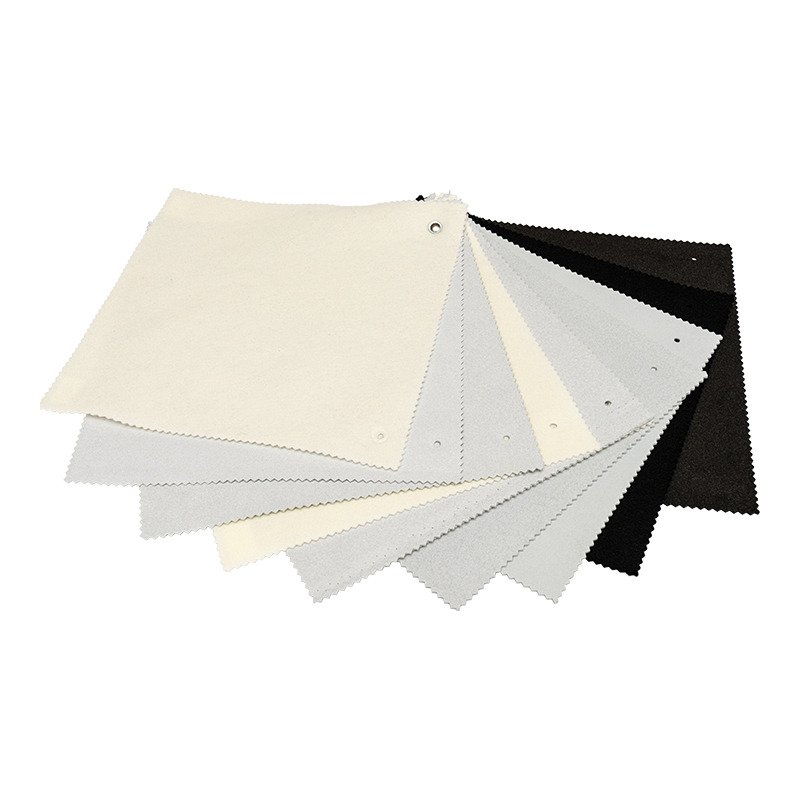
 Water-Soluble Island-In-Sea Nylon Fiber5.0D×51mm 36 islands 30% sea phase 70% island phase White Gray BlackView Product →
When sea-island fibers become nonwoven fabric, mixing shifts to web formation. Dry-laid lines blend fibers by weight; wet-laid lines disperse fibers in water; air-laid lines use air to carry and deposit them. Each method has its own risk: static, clumping, settling, or segregation.
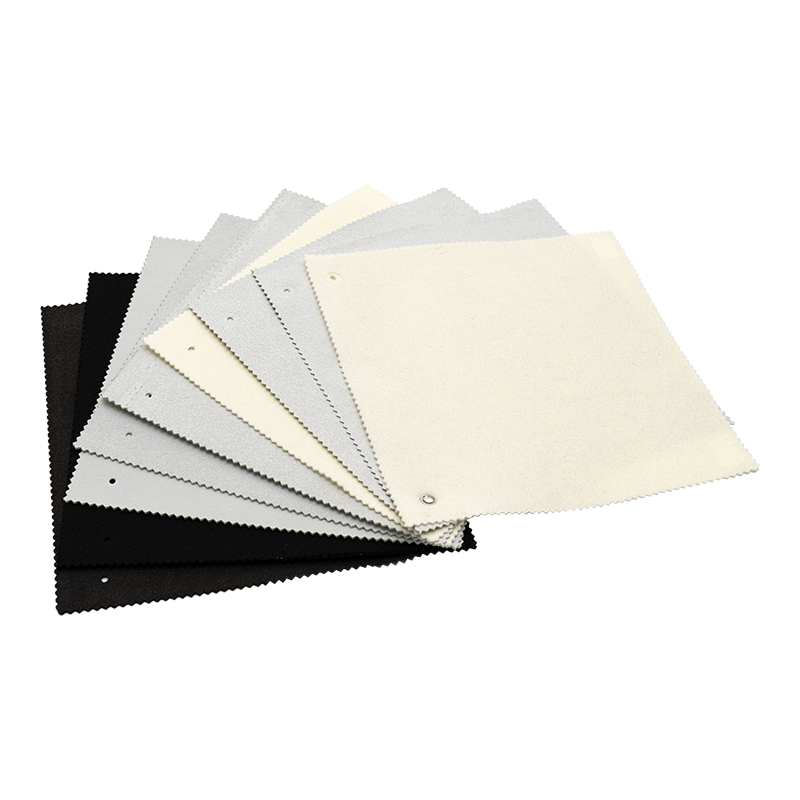
For a polyester island system, our water-soluble polyester sea-island nonwoven fabric is made for consistent web formation before splitting.
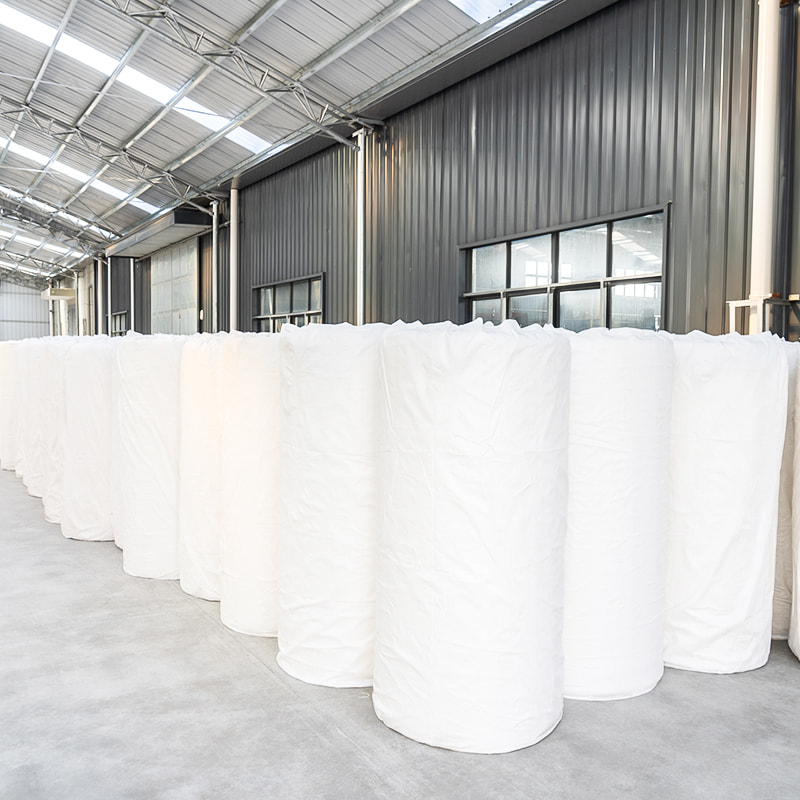 Water-Soluble Polyester Sea-Island Fiber Nonwoven FabricThis PVA sea-island nonwoven supports consistent web formation before splitting and suits water-based microfiber base production.View Product →
In water-based microfiber base production, fiber mixing can also mean combining a microfiber web with a water-based resin or binder. This is not a dry blend; it is wet impregnation, coating, or foam application. The goal is to penetrate the web without collapsing its porous structure.
Key controls include solids content, viscosity, surface tension, wet pick-up, and drying curve. If the resin mixes unevenly, you may see blotchy hand feel, poor abrasion resistance, or delamination. Our water-based microfiber base is designed for this stage, where fiber and chemistry must work together.
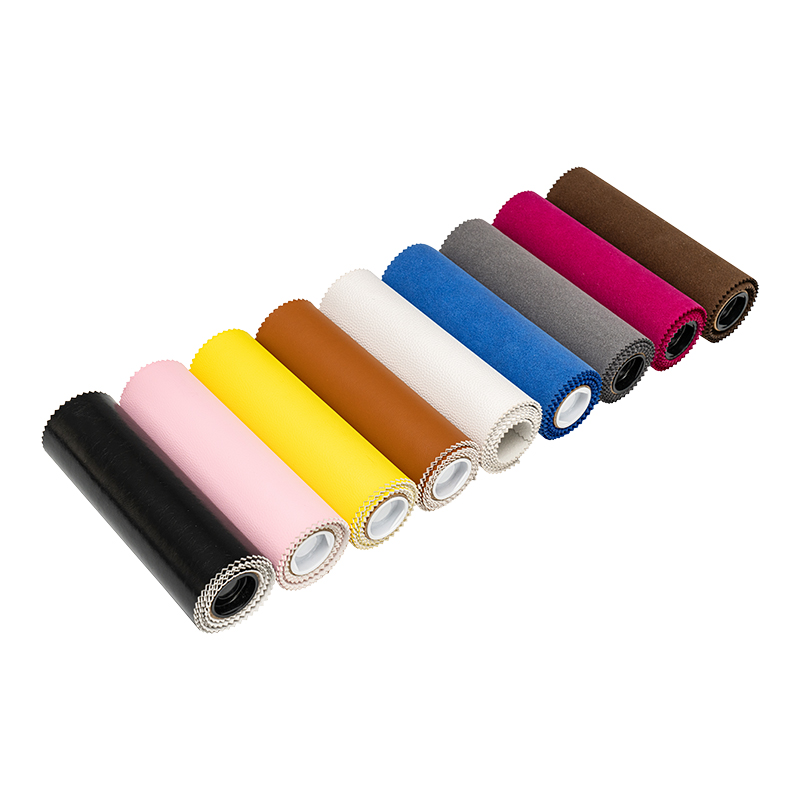
For a finished base fabric, see our water-based microfiber fabric.
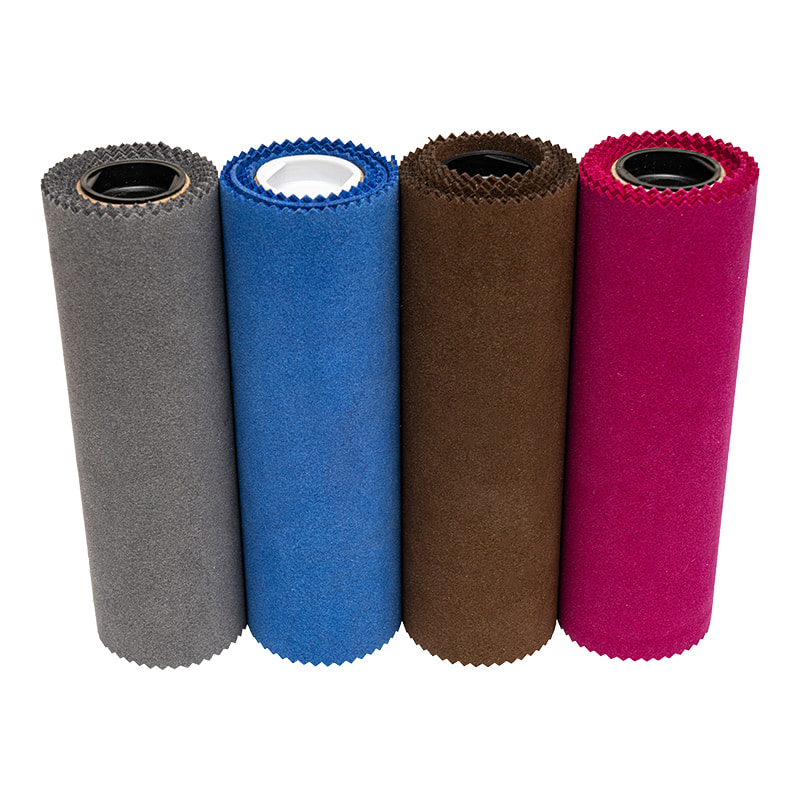 Water-Force Microfiber Fabric for Veneer and Suede BasesA water-reduced sea-island microfiber base impregnated with water-force polyurethane, suited to downstream veneer, suede, and microfiber processing checks.View Product →
Most fiber mixing defects show up later as web defects or splitting defects. The following symptoms are worth checking early.
A short checklist can keep a fiber mixing campaign repeatable.
Scaling fiber mixing from lab to line is less about a single recipe and more about window control. Small changes in polymer lot, humidity, or water quality can shift splitting behavior. That is why we focus on PVA recovery, balanced spinning, and water-jet process integration. Our technology group holds five invention patents and three utility patents, and our PVA concentration and drying recovery can reach 98 percent. These are internal targets, but they show why mixing discipline matters.
If you are evaluating a switch from solvent-based microfiber to water-jet splitting, start with a fiber sample and a clear specification. We can help review island type, nonwoven formation, and base fabric needs.
Fiber mixing is not glamorous, but it decides whether a microfiber line runs with stability or fights you every shift. Whether you are blending fibers for a nonwoven web or mixing a water-based resin into a microfiber base, the winning approach is the same: control the inputs, measure the blend, and keep the process window narrow.
If you want to talk through your fiber mixing challenge, our team is happy to help.
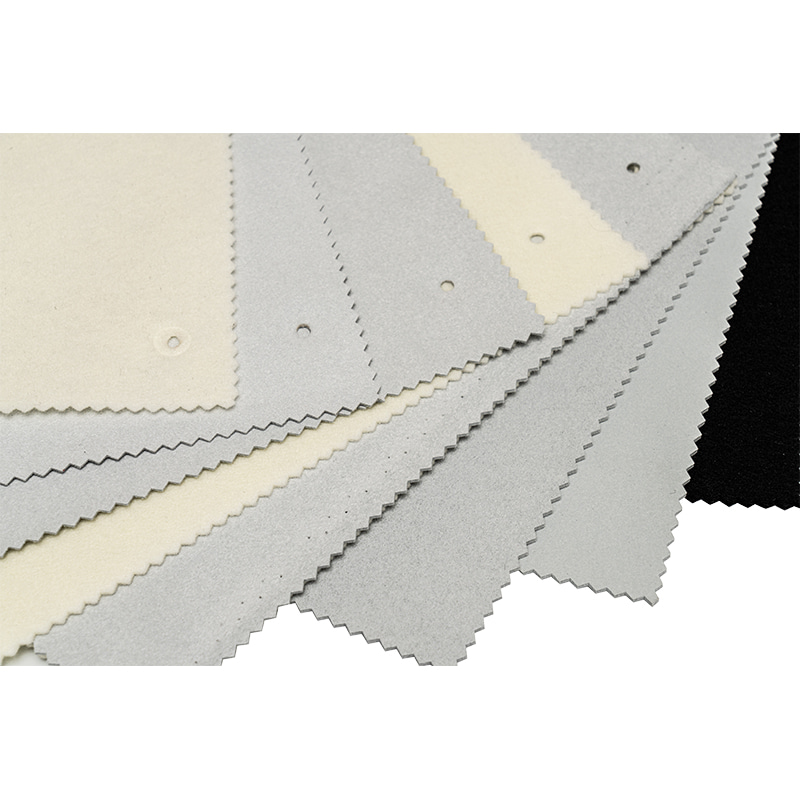
"Fiber basics" is a phrase that splits in two directions depending on who is asking. In telecommunications it points to hair-thin strands of glass carrying pulses of light. In textiles it points to the filaments that are spun, bonded or needled into fabric, from a shirt lining to the suede-like sur...
READ MORE
Introduction to Water-Soluble Sea-Island Fiber What is Water-Soluble Sea-Island Fiber? Water-soluble sea-islan...
What is Water-Soluble Island-in-the-Sea Fiber? Water-Soluble Sea-Island Fiber is a breakthrough material in th...
Introduction of Water-Force Microfiber Fabric What is Microfiber Fabric? Microfiber fabric is a type of textil...
Introduction Water-soluble sea-island fiber nonwoven fabric is a groundbreaking innovation in the textile indu...
What is Water-Soluble Sea-Island Fiber? Definition and Basic Structure Water-soluble sea-island fiber is a spe...
LEMONTA Technology (ShangHai) Co., Ltd. All Rights Reserved. ALL RESERVED.
 Custom Bio-Based Water-Soluble Polyester Fiber Manufacturers
 英语
 中文简体