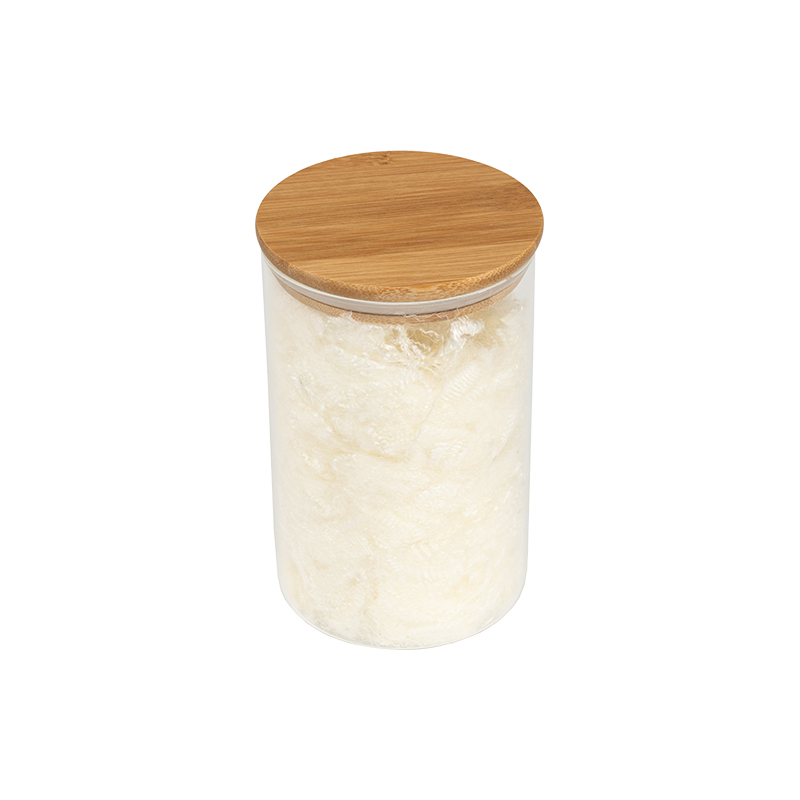
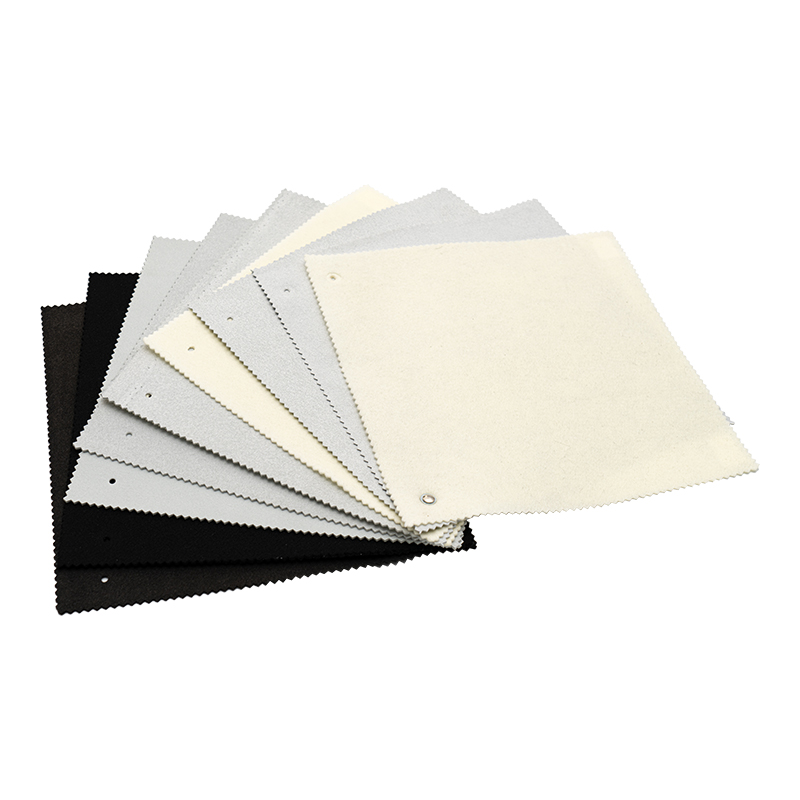
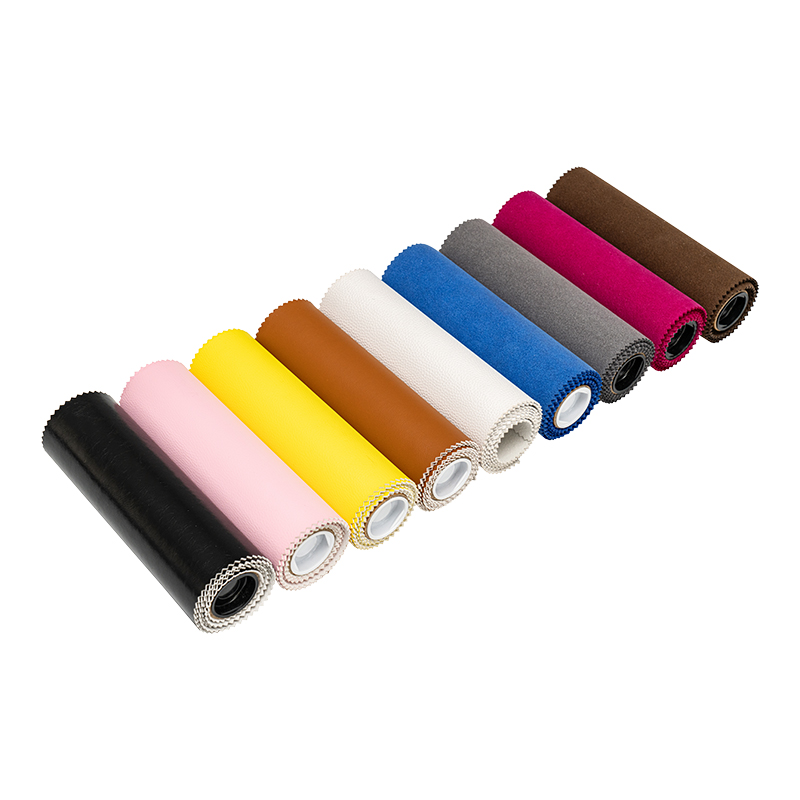
Water-Soluble Sea-Island Fiber is a state-of-the-art textile innovation designed to enhance the quality, softness, and texture of modern fabrics. This fiber is structured with ultra-fine “island” fibers embedded in a “sea” matrix that dissolves in water during processing. Once the sea component is removed, the remaining island fibers form a dense, fine microfiber network that dramatically improves hand feel and drape. This unique structure allows for fabrics that feel softer and more luxurious compared to traditional cotton, polyester, or blended fabrics.
In textile manufacturing, the Water-Soluble Sea-Island Fiber has become increasingly popular due to its ability to produce fabrics with high thread counts, excellent uniformity, and premium softness. Industries including high-end apparel, luxury home textiles, bedding, and functional fabrics have widely adopted this fiber. The versatility of this fiber allows for seamless integration into both woven and knitted fabrics, expanding its applications beyond apparel to products such as towels, microfiber cleaning cloths, and industrial textiles.
Moreover, this fiber innovation aligns with industry demands for environmentally friendly solutions. The water-soluble component is safely dissolved during finishing, minimizing chemical residues and improving the overall sustainability of textile production. Manufacturers benefit from reduced defect rates, improved process efficiency, and the ability to meet growing consumer demand for high-quality, soft, and durable fabrics.
The primary advantage of Water-Soluble Sea-Island Fiber lies in its ability to create ultra-fine microfibers. When the sea component dissolves in water, the remaining island fibers form an extremely fine, dense network on the fabric surface. This microfiber network enhances surface smoothness and increases the contact points with the skin, resulting in exceptional softness and comfort. Unlike conventional fibers, which may feel coarse or stiff, fabrics incorporating this fiber provide a silky touch while maintaining structural integrity.
This ultra-fine microfiber effect is particularly advantageous for high-end garments, luxury bedding, and baby clothing where tactile quality is critical. The increased surface area also contributes to improved thermal regulation, making garments more breathable and comfortable for long-term wear. Additionally, the finer fiber distribution improves fabric drape and resilience, ensuring that garments maintain their shape and softness after repeated washing cycles.
Another key benefit of Water-Soluble Sea-Island Fiber is the improvement of fabric surface uniformity. The removal of the water-soluble matrix eliminates inconsistencies and uneven fiber clusters, producing a smooth, consistent surface. This uniformity not only enhances aesthetic appeal but also supports advanced finishing processes, such as dyeing, printing, and coating, ensuring color uniformity and vibrant results.
Fabrics with improved surface uniformity are less prone to pilling, snagging, or rough patches. This is particularly important in luxury textiles, high-thread-count bed linens, and towels, where surface appearance directly affects perceived value. By maintaining a smooth, even fiber distribution, manufacturers can produce textiles that consistently meet premium quality standards while reducing defects and production waste.
Water-Soluble Sea-Island Fiber significantly enhances the comfort and hand feel of fabrics. The dense microfiber structure provides a soft, silky touch that improves the overall wearing experience. Fabrics feel lighter, more breathable, and more luxurious against the skin. This is particularly advantageous for garments worn close to the body, such as undergarments, sleepwear, and loungewear, where tactile sensation is a critical performance metric.
Beyond garments, home textiles like high-thread-count sheets, towels, and pillowcases benefit from this improved hand feel. Consumers increasingly seek soft, smooth, and comfortable fabrics, making Water-Soluble Sea-Island Fiber an ideal solution for premium products that satisfy modern expectations for quality and comfort.
Despite the ultra-fine structure, fabrics made with Water-Soluble Sea-Island Fiber exhibit excellent durability. The densely packed island fibers create a reinforced fabric matrix that resists tearing, pilling, and deformation. This makes the fiber suitable for both delicate fabrics and products requiring long-lasting performance, including luxury garments, home textiles, and industrial applications.
Durability is further supported by the ability of the microfiber network to maintain its integrity after repeated washing and mechanical stress. This ensures that premium fabrics retain their softness, smoothness, and aesthetic appeal over time, which is particularly important for high-end textile products where longevity is a key selling point.
Water-Soluble Sea-Island Fiber blends seamlessly with natural fibers like cotton or silk, as well as synthetic fibers like polyester. By incorporating this fiber, manufacturers can upgrade standard fabrics to achieve premium softness and texture without significant changes to existing production processes.
Blended fabrics gain the benefits of the ultra-fine microfiber structure, including improved surface uniformity, enhanced comfort, and superior drape. This versatility makes Water-Soluble Sea-Island Fiber an ideal choice for both fashion and functional textiles, enabling the creation of innovative products that meet consumer demands for comfort, quality, and aesthetic appeal.
| Fiber Type | Softness | Surface Smoothness | Durability | Common Applications |
|---|---|---|---|---|
| Standard Cotton | Medium | Moderate | Good | T-shirts, Casual Wear |
| Polyester Blend | Low-Medium | Moderate | High | Sportswear, Industrial Textiles |
| Water-Soluble Sea-Island Fiber | High | High | High | Luxury Apparel, High-Thread-Count Bedding, Premium Towels, Baby Clothing |
A: The water-soluble “sea” component dissolves, leaving ultra-fine “island” fibers. These microfibers increase surface contact and density, providing exceptional softness and a silky hand feel.
A: Yes, it can be blended with cotton, polyester, silk, and other fibers, enhancing softness and texture while maintaining existing production processes.
A: Luxury apparel, high-thread-count bed linens, premium towels, baby clothing, and loungewear gain the most from the improved softness and smooth surface.
A: Yes, fabrics maintain their softness and smooth texture after repeated laundering, provided proper finishing techniques are applied.
A: The water-soluble sea component dissolves safely during finishing, reducing chemical waste and contributing to environmentally friendly textile production.
The Evolution of Superfine Fibers in a Green Economy In the highly competitive global textile industry, the pursuit of “Superfine Fibers” has revolutionized fabric softness, durability, and functional performance. However, traditional methods of creating these micro-denier fibers—essential for high-...
READ MORE
Introduction to Water-Soluble Sea-Island Fiber What is Water-Soluble Sea-Island Fiber? Water-soluble sea-islan...
What is Water-Soluble Island-in-the-Sea Fiber? Water-Soluble Sea-Island Fiber is a breakthrough material in th...
Introduction of Water-Force Microfiber Fabric What is Microfiber Fabric? Microfiber fabric is a type of textil...
Introduction Water-soluble sea-island fiber nonwoven fabric is a groundbreaking innovation in the textile indu...
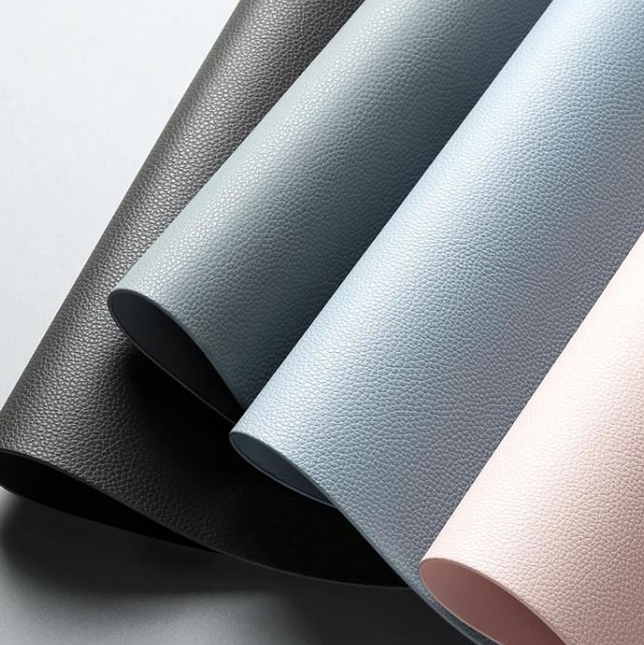
What is Water-Soluble Sea-Island Fiber? Definition and Basic Structure Water-soluble sea-island fiber is a spe...
LEMONTA Technology (ShangHai) Co., Ltd. All Rights Reserved. ALL RESERVED.
 Custom Bio-Based Water-Soluble Polyester Fiber Manufacturers
 英语
英语 中文简体
中文简体