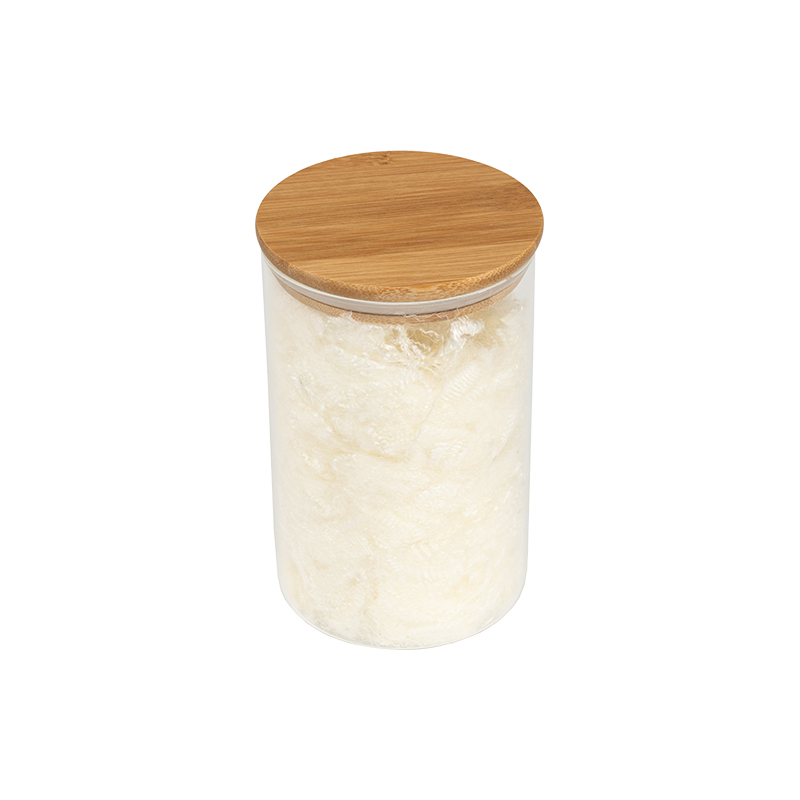
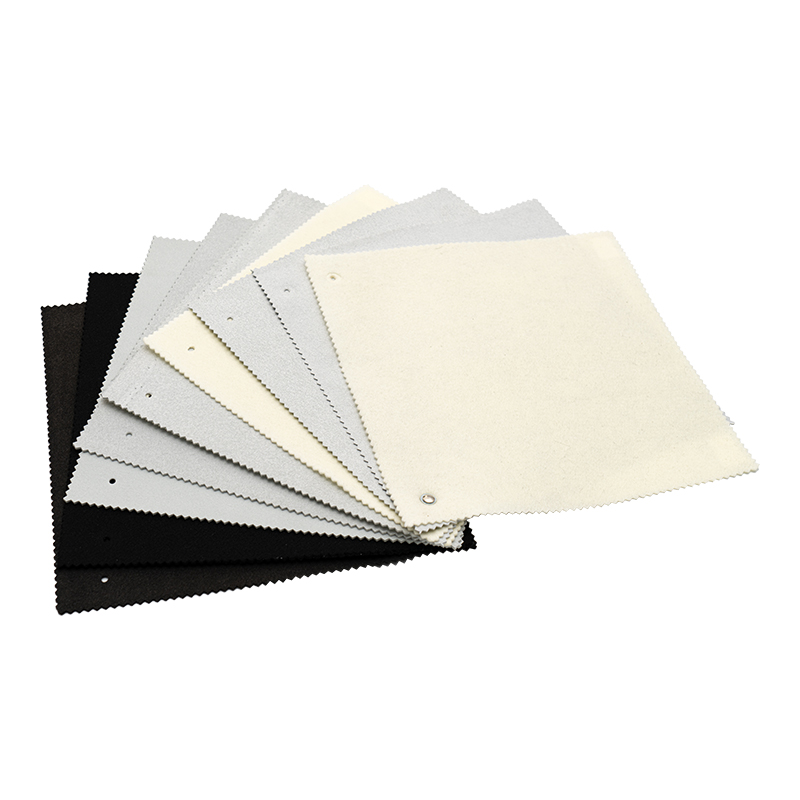
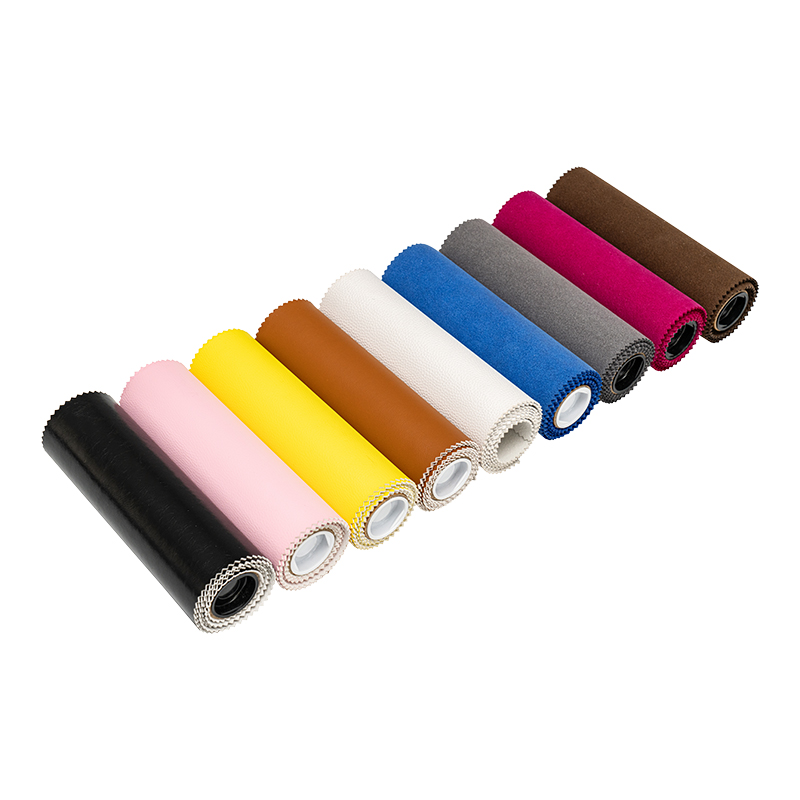
In the highly competitive global textile industry, the pursuit of “Superfine Fibers” has revolutionized fabric softness, durability, and functional performance. However, traditional methods of creating these micro-denier fibers—essential for high-end synthetic leathers and precision wipes—often relied on harsh chemical solvents like toluene, which pose significant environmental and health risks. The emergence of Water-Soluble Sea-Island Fiber Nonwoven Fabric represents a critical paradigm shift toward “Green Chemistry” in manufacturing. This innovative material utilizes a bicomponent spinning technology where the “sea” component is dissolved in simple hot water rather than toxic organic solvents.
To appreciate the sustainability of this fabric, one must first understand its unique internal architecture. The “Sea-Island” fiber consists of two distinct polymers: the “Island” (the ultrafine filaments that remain) and the “Sea” (the matrix that encapsulates and protects them during the spinning and nonwoven formation process).
The legacy production of microfiber synthetic leather has long been under fire from environmental regulators due to its heavy reliance on “Toluene stripping.” Toluene is a potent, hazardous solvent that requires massive investment in recovery towers and poses chronic health risks to factory workers. The transition to Water-Soluble Sea-Island Fiber Nonwoven Fabric removes this chemical hazard entirely from the fiber-reduction stage of production.
By adopting a water-soluble process, textile mills can virtually eliminate VOC emissions associated with traditional “island” stripping. This shift creates a fundamentally safer workplace, reducing the risk of fire and long-term respiratory issues for employees.
Manufacturers using water-soluble technology find it significantly easier to achieve prestigious international certifications such as OEKO-TEX® Standard 100, Bluesign®, and GRS (Global Recycled Standard).
While the process consumes water to dissolve the “sea” component, modern “Green Factories” employ closed-loop filtration and evaporation systems. The dissolved modified polyester can often be recovered as a byproduct or treated in standard industrial wastewater facilities far more effectively than toxic chemical waste. This makes the “water-soluble” approach the preferred lifecycle choice for high-volume, eco-conscious production lines.
| Technical Feature | Water-Soluble Sea-Island Fabric | Traditional Solvent-Based Fabric |
|---|---|---|
| Stripping Agent | Hot Water ($90^{\circ}\text{C} - 95^{\circ}\text{C}$) | Toluene / Benzene Solvents |
| VOC Emissions | Negligible / Zero | High (Requires Recovery) |
| Fiber Fineness | $0.01 - 0.05$ Denier | $0.1 - 0.3$ Denier |
| Resulting Texture | Ultra-Soft / Suede-like | Standard Microfiber |
| Health Risks | None | High (Neurotoxic/Carcinogenic) |
| Application | Premium Automotive / Eco-Fashion | General Industrial Goods |
Sustainability in the textile world isn’t just about the “start” of the manufacturing process; it is equally about the “endurance” of the final product. Water-Soluble Sea-Island Fiber Nonwoven Fabric produces a substrate that is exceptionally durable, directly supporting the “Slow Fashion” movement by reducing the frequency of replacement.
Because the island fibers are released so uniformly in the water-dissolving process, the resulting nonwoven fabric possesses a much higher density and surface area than traditional materials. This leads to several high-value characteristics:
As global demand for animal-free alternatives skyrockets, water-soluble sea-island nonwovens provide the perfect technical base. They offer the structural “breathability” and moisture-wicking properties that cheap PVC or basic PU leathers lack. By utilizing a sustainable reduction process, brands can market a “Vegan” product that is truly eco-friendly from the inside out, rather than a product that is animal-free but chemically intensive. This level of transparency is exactly what modern Gen-Z and Millennial consumers demand from their luxury brands.
A common hurdle for procurement managers is the “Green Premium”—the higher cost often associated with eco-friendly materials. However, Water-Soluble Sea-Island Fiber Nonwoven Fabric offers distinct long-term economic advantages that offset the initial material price, creating a compelling business case for its adoption.
Traditional toluene-based lines are notoriously expensive to operate. They require massive investments in explosion-proof machinery, solvent distillation towers, and specialized hazardous waste management teams.
Consumers are increasingly searching for keywords like “solvent-free,” “non-toxic,” and “eco-friendly microfiber.” By integrating sea-island technology, brands can justify premium pricing and foster deep brand loyalty. In the B2B sector, being a “Tier 1 Sustainable Supplier” provides a significant competitive edge when bidding for contracts with global giants like IKEA, Apple, or Tesla, all of whom have aggressive net-zero and chemical-reduction goals for 2030.
Looking toward the future of 2026 and beyond, the next frontier for Water-Soluble Sea-Island Fiber Nonwoven Fabric is full circularity. R&D teams are currently perfecting the use of Recycled PET (rPET) for the “island” components, effectively turning plastic ocean waste into luxury suede.
As organizations like the Sustainable Apparel Coalition (SAC) demand more transparency via the Higg Index, the use of water-soluble fibers provides a quantifiable boost to a product’s sustainability score. This technology is no longer a niche luxury; it is becoming the benchmark for what “high-performance, low-impact” manufacturing looks like in a resource-constrained world. Investing in this technology today ensures that your company is not just keeping up with regulations, but leading the sustainable supply chain of tomorrow.
Is the final fabric itself water-soluble?
No. Only the “sea” component used during the manufacturing stage is water-soluble. The final fabric—consisting of the “islands”—is usually made of durable, high-tenacity polyester or nylon that is completely water-resistant and long-lasting.
Does the water-soluble process affect the fabric’s strength?
Actually, it tends to improve it. Because the fibers are so fine and can be packed into a much denser matrix, the resulting nonwoven fabric has superior tensile and tear strength compared to traditional coarse-fiber fabrics.
Can this fabric be used for medical or hygienic applications?
Yes. Since the process is solvent-free, there are no chemical residues (like toluene) left in the fabric. This makes it ideal for medical wipes, clean-room cloths, and high-end facial masks where skin sensitivity is a priority.
What is the difference between Sea-Island fiber and standard Microfiber?
Standard microfiber is usually made by splitting fibers mechanically. Sea-Island fiber is much finer (Superfine) because it is made by dissolving a matrix, allowing for a denier as low as $0.01$, resulting in a much softer and more premium texture.
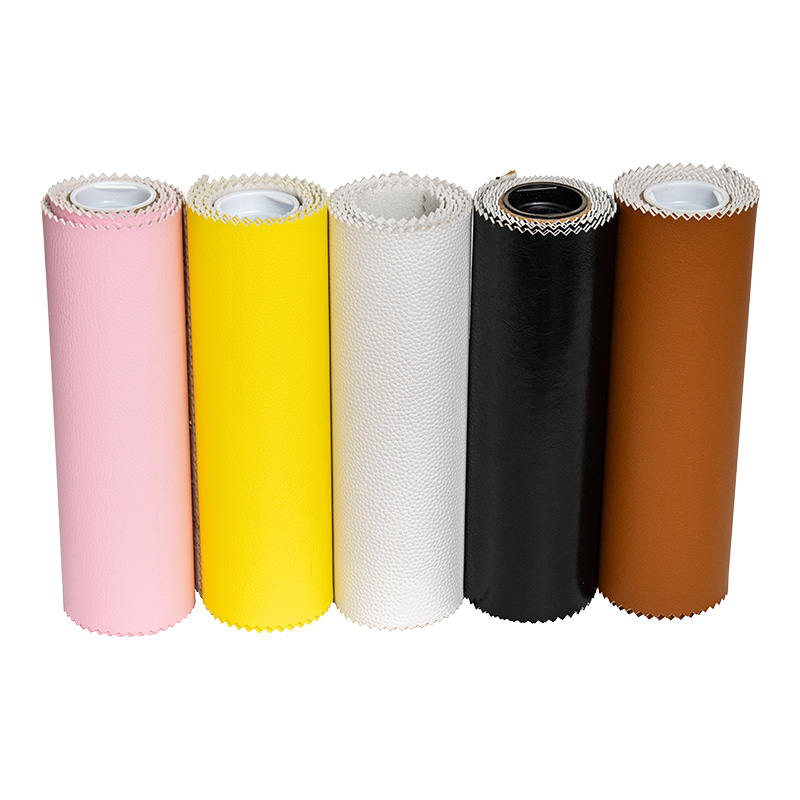
1. Understanding the Composition and Material Science of Water-Force Microfiber Base To clean and maintain this advanced material effectively, one must first understand its unique “green” DNA. A Water-Force Microfiber Base represents the pinnacle of sustainable synthetic leather technology. Unlike t...
READ MORE
Introduction to Water-Soluble Sea-Island Fiber What is Water-Soluble Sea-Island Fiber? Water-soluble sea-islan...
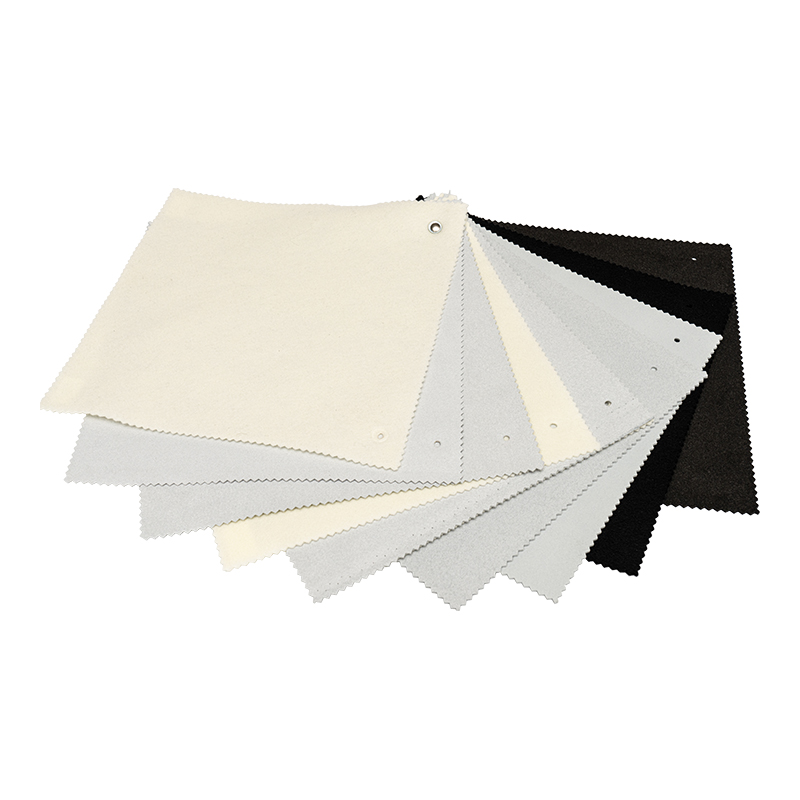
What is Water-Soluble Island-in-the-Sea Fiber? Water-Soluble Sea-Island Fiber is a breakthrough material in th...
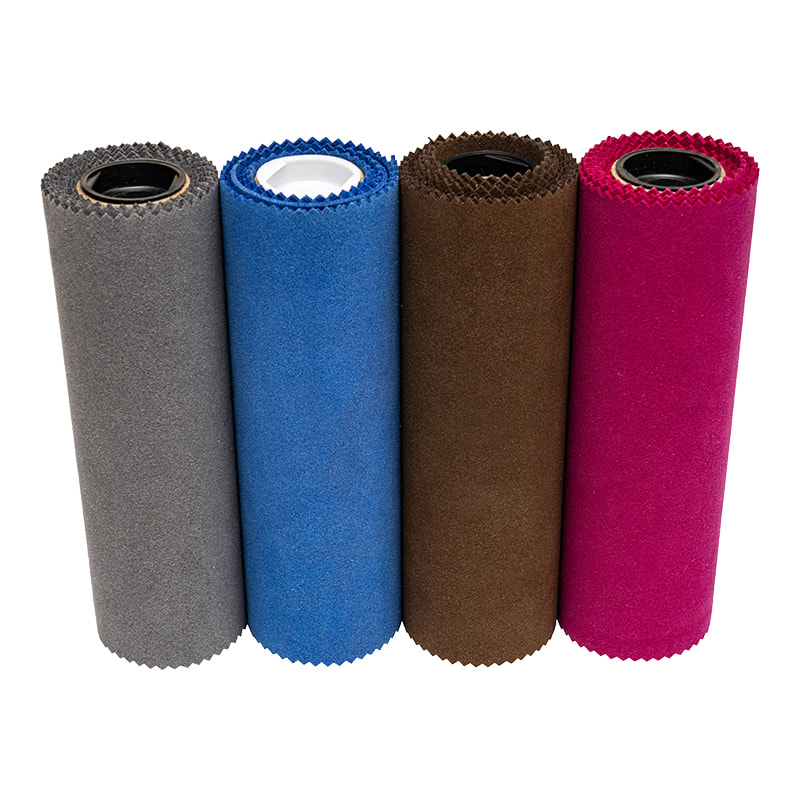
Introduction of Water-Force Microfiber Fabric What is Microfiber Fabric? Microfiber fabric is a type of textil...
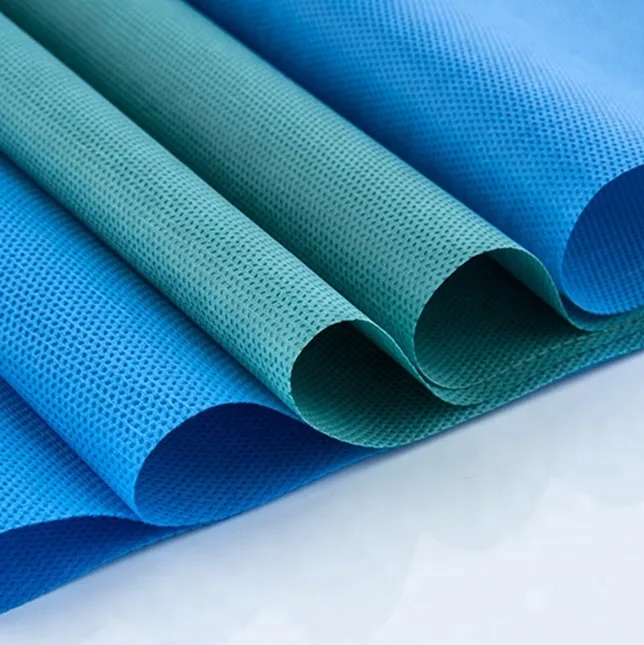
Introduction Water-soluble sea-island fiber nonwoven fabric is a groundbreaking innovation in the textile indu...
What is Water-Soluble Sea-Island Fiber? Definition and Basic Structure Water-soluble sea-island fiber is a spe...
LEMONTA Technology (ShangHai) Co., Ltd. All Rights Reserved. ALL RESERVED.
 Custom Bio-Based Water-Soluble Polyester Fiber Manufacturers
 英语
英语 中文简体
中文简体