Sea Island fiber (extra-long staple cotton, Gossypium barbadense) dissolves readily in specific solvent systems, and its dissolution behavior is critically sensitive to both temperature and pH. In alkaline aqueous systems (pH 12–14) combined with elevated temperatures (60–90°C), dissolution efficiency can increase by over 300% compared to neutral conditions at room temperature. Understanding these two variables is essential for textile processing, fiber recycling, and quality control.
Temperature accelerates dissolution by increasing molecular kinetic energy, weakening hydrogen bonds between cellulose chains, and enhancing solvent penetration into the fiber's crystalline regions. Sea Island cotton has a higher degree of polymerization (DP ≈ 8,000–12,000) and crystallinity (~70%) than ordinary cotton, making temperature elevation especially impactful.
In NaOH/urea aqueous systems, for example, pre-cooling to −12°C followed by rapid warming to 60°C creates a freeze-thaw dissolution mechanism that achieves near-complete dissolution within 2–5 minutes for Sea Island fiber samples under 0.5 g.
pH directly affects the ionization of hydroxyl groups (–OH) on cellulose chains. At high pH, alkali ions penetrate the fiber lattice, disrupt inter-chain hydrogen bonding, and cause progressive swelling — the prerequisite for dissolution.
| pH Range | Effect on Sea Island Fiber | Practical Outcome |
|---|---|---|
| 4–6 (Acidic) | Partial hydrolysis of glycosidic bonds; DP reduction | Fiber weakening, not clean dissolution; degradation risk |
| 7 (Neutral) | Negligible swelling; structure intact | Essentially insoluble in water alone |
| 8–10 (Mildly Alkaline) | Surface swelling; mercerization-like effect | Increased dye uptake, no dissolution |
| 12–13 (Strongly Alkaline) | Significant inter-chain disruption; amorphous zones dissolve | Partial to full dissolution (temperature-dependent) |
| ≥14 (Extreme Alkaline) | Rapid dissolution but also cellulose degradation | High dissolution rate; risk of chain degradation above 80°C |
In a 7–9.5 wt% NaOH solution (pH ≈ 13.5), Sea Island fiber reaches maximum swelling ratio (~160%) at 25°C before chain separation begins. Below pH 12, swelling remains below 30% regardless of temperature.
Temperature and pH do not act independently — they amplify each other. The interaction defines three practical dissolution regimes:
A landmark parameter: in 8 wt% NaOH / 12 wt% urea aqueous solution at pH 13.2 and 60°C, dissolution of Sea Island fiber (1 wt% concentration) is typically complete within 8–12 minutes, yielding a transparent cellulose solution suitable for spinning or film casting.
Sea Island fiber's superior molecular regularity makes it both more resistant to dissolution at low pH/temperature and more efficiently dissolved at optimal conditions compared to standard upland cotton (G. hirsutum).
| Parameter | Sea Island Cotton | Upland Cotton |
|---|---|---|
| Crystallinity | ~70% | ~60–65% |
| DP (degree of polymerization) | 8,000–12,000 | 5,000–8,000 |
| Dissolution time (pH 13, 60°C) | 8–12 min | 12–20 min |
| Solution clarity post-dissolution | High (fewer impurities) | Moderate |
| Sensitivity to pH drop (<10) | High resistance | Moderate resistance |
Based on the temperature–pH interaction data, the following guidelines apply for Sea Island fiber dissolution:
The controlled dissolution of Sea Island fiber at defined temperature–pH conditions underpins emerging closed-loop textile recycling processes. Using pH 13 / 65°C NaOH-urea systems, researchers have demonstrated recovery of regenerated cellulose fibers with tensile strength retention of 85–92% relative to virgin Lyocell, making this pathway commercially viable for luxury textile brands.
Temperature and pH control also allows selective dissolution — at pH 10–11 and 50°C, synthetic fiber blends (polyester, nylon) remain intact while Sea Island cotton dissolves preferentially, enabling blend separation efficiencies above 95% in cotton/polyester fabrics without mechanical fiber damage to the synthetic fraction.
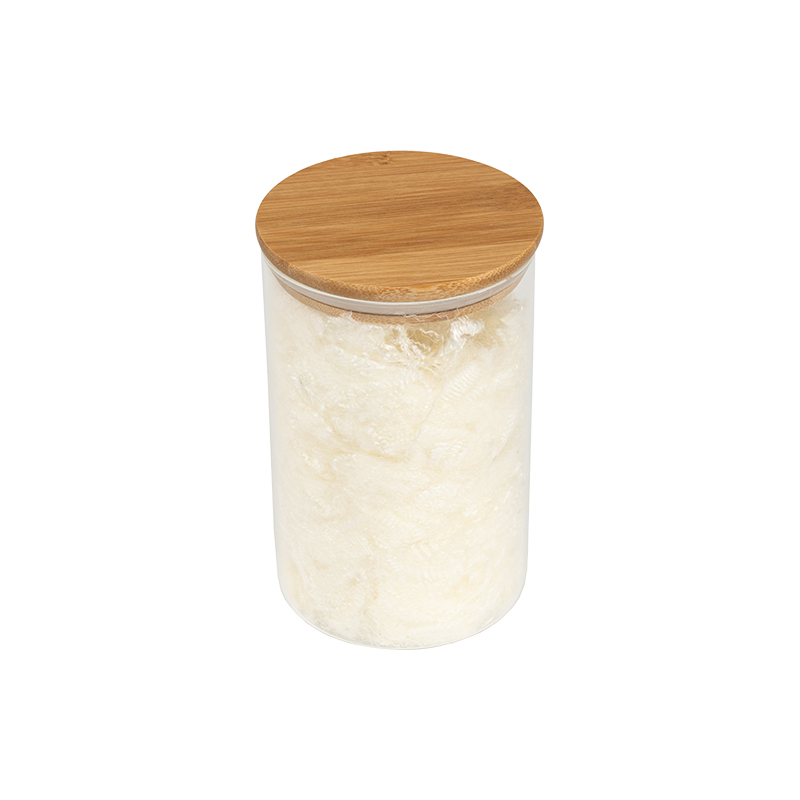
Water-soluble sea island fiber (also called "sea-island" or Seaisland composite fiber) is widely regarded as the gold standard for producing ultra-fine microfibers because it uniquely enables fibers as thin as 0.001–0.1 dtex — far beyond the reach of conventional splitting or mechanical processes —...
READ MORE
Introduction to Water-Soluble Sea-Island Fiber What is Water-Soluble Sea-Island Fiber? Water-soluble sea-islan...
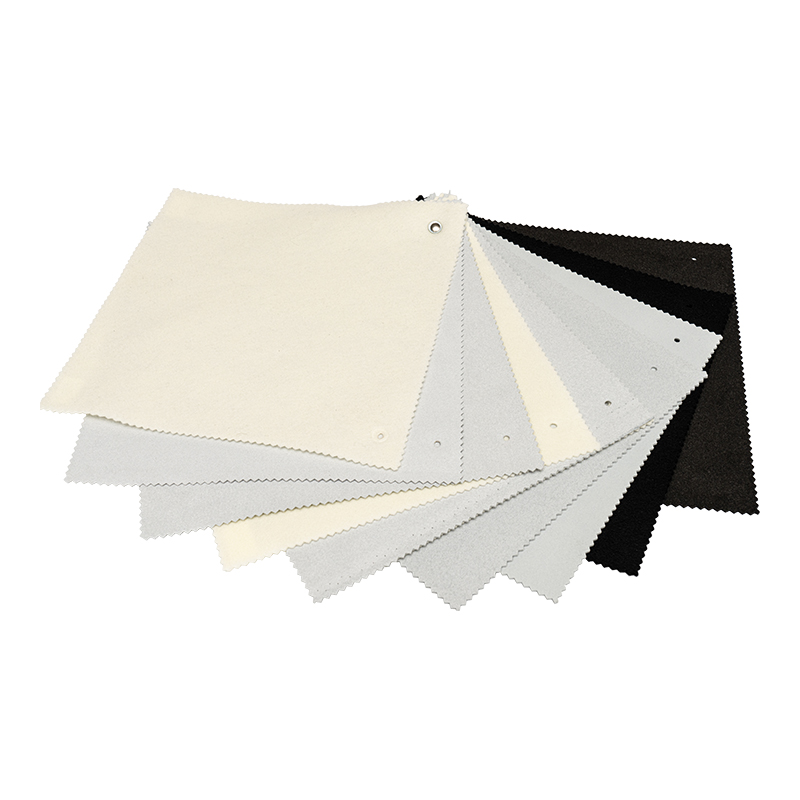
What is Water-Soluble Island-in-the-Sea Fiber? Water-Soluble Sea-Island Fiber is a breakthrough material in th...
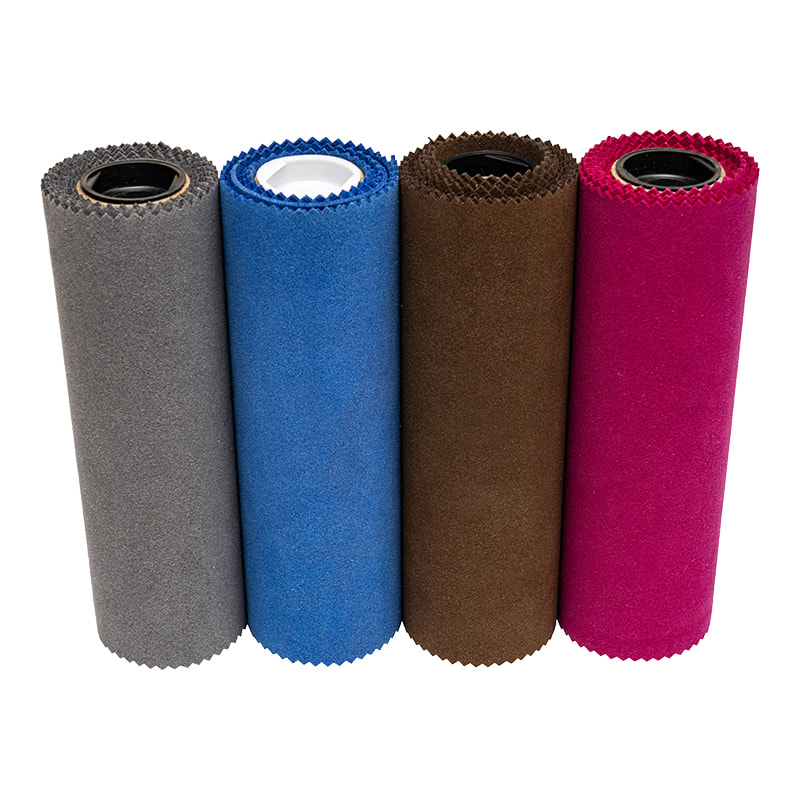
Introduction of Water-Force Microfiber Fabric What is Microfiber Fabric? Microfiber fabric is a type of textil...
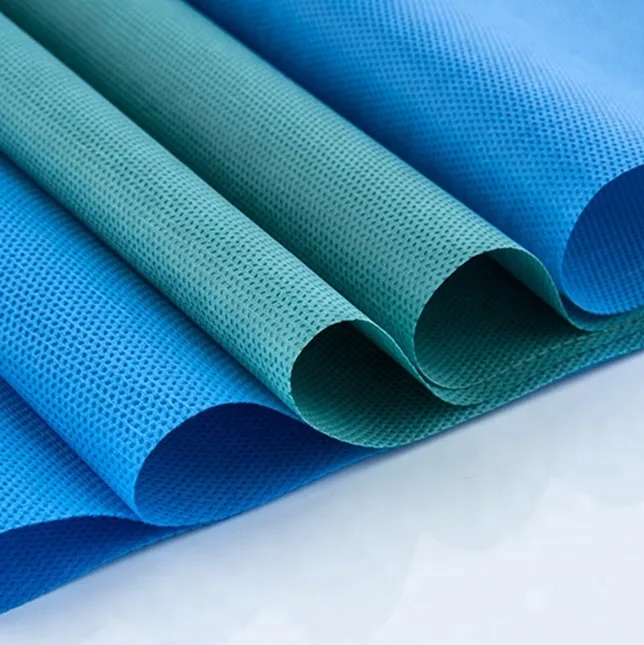
Introduction Water-soluble sea-island fiber nonwoven fabric is a groundbreaking innovation in the textile indu...
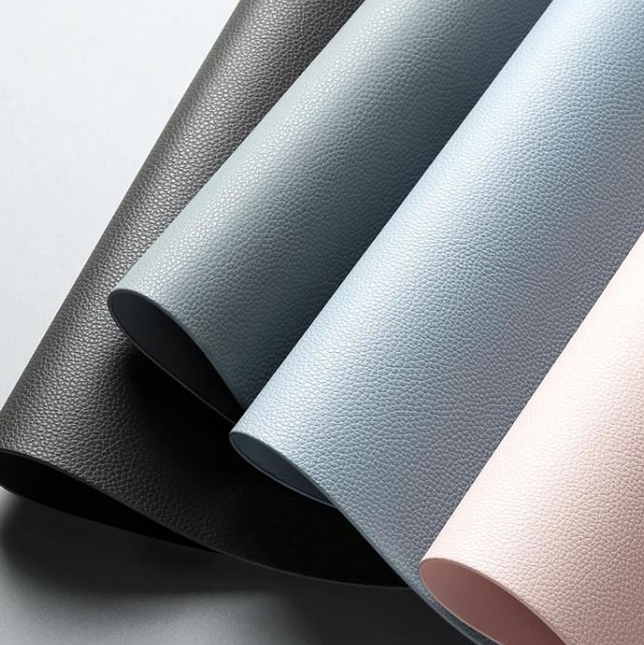
What is Water-Soluble Sea-Island Fiber? Definition and Basic Structure Water-soluble sea-island fiber is a spe...
LEMONTA Technology (ShangHai) Co., Ltd. All Rights Reserved. ALL RESERVED.
 Custom Bio-Based Water-Soluble Polyester Fiber Manufacturers
 英语
英语 中文简体
中文简体