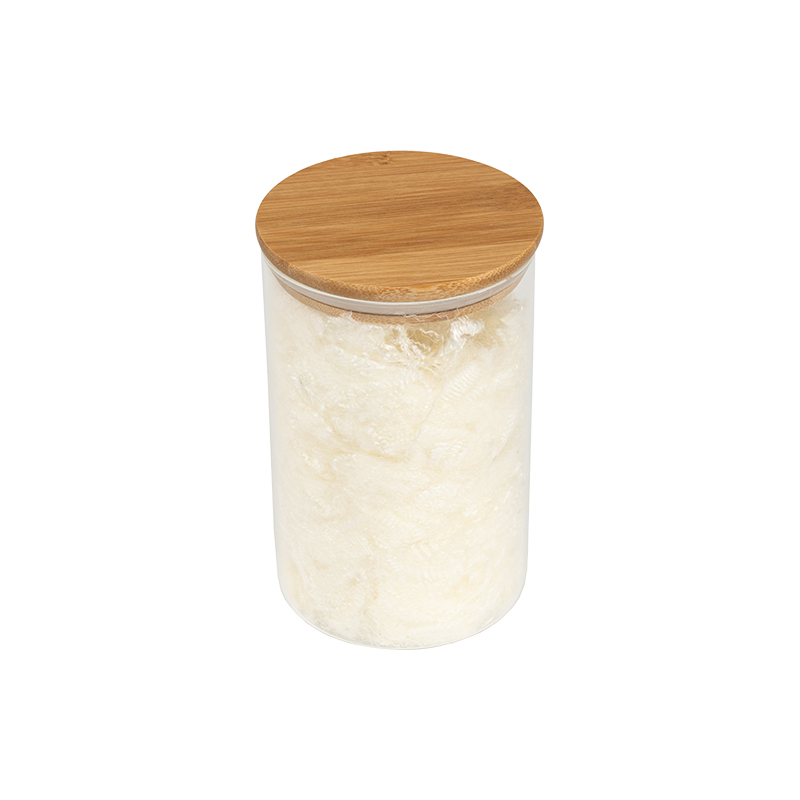
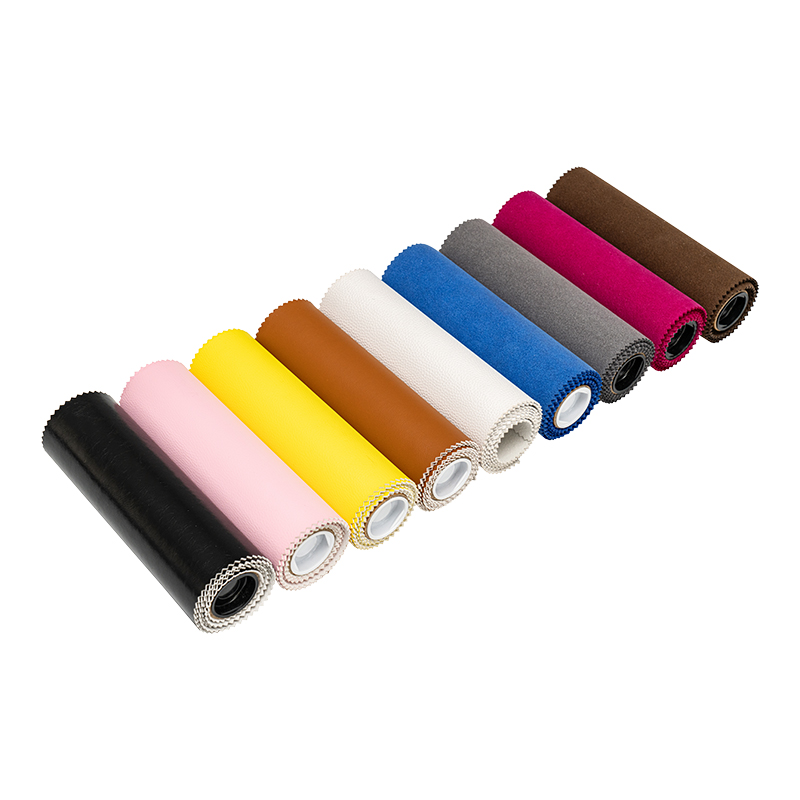
Water-soluble sea island fiber (also called "sea-island" or Seaisland composite fiber) is widely regarded as the gold standard for producing ultra-fine microfibers because it uniquely enables fibers as thin as 0.001–0.1 dtex — far beyond the reach of conventional splitting or mechanical processes — while maintaining precise diameter control, structural integrity, and scalability. The water-soluble component (typically polyvinyl alcohol, or PVA) dissolves cleanly in warm water, leaving behind ultra-fine "island" filaments of polyester or nylon with no chemical residue.
The sea island structure consists of many ultra-fine "island" fibers (the target microfiber) embedded within a "sea" matrix (the water-soluble binder). During spinning, islands and sea components are co-extruded simultaneously, with the island count ranging from 16 to over 1,000 islands per filament depending on the application.
Once the composite fiber is processed into fabric or nonwoven, it is immersed in hot water (typically 80–100°C), which dissolves the PVA sea component completely. What remains are bundles of ultra-fine filaments whose individual fineness is determined by the island count and the overall fiber diameter.
| Fiber Type / Method | Typical Fineness (dtex) | Diameter (approx. μm) | Primary Limitation |
|---|---|---|---|
| Conventional polyester | 1.0 – 3.0 | 10 – 20 | Spinneret hole size limits |
| Mechanical splitting (bicomponent) | 0.1 – 0.5 | 3 – 8 | Fiber damage, non-uniform split |
| Alkali-dissolution sea island | 0.01 – 0.1 | 1 – 3 | Chemical waste, island degradation risk |
| Water-soluble sea island (PVA sea) | 0.001 – 0.1 | 0.3 – 3 | Higher raw material cost |
| Electrospinning (lab-scale) | < 0.001 | 0.05 – 1 | Not scalable for mass production |
In earlier sea island technologies, the sea component was dissolved using alkaline solutions (e.g., NaOH at high concentration), which risked partial hydrolysis of the island fibers themselves — reducing tenacity by up to 15–20% in some polyester grades. The shift to water-soluble PVA sea eliminates this problem entirely.
The ultra-fine filaments produced via water-soluble sea island technology exhibit a constellation of properties unachievable by other mass-production methods. Because the islands are formed during co-extrusion rather than post-process separation, their cross-sections are highly consistent — typically within ±5% diameter variation across a production run.
The combination of achievable fineness, process cleanliness, and scalability has established water-soluble sea island fiber as the material of choice across several high-value sectors.
| Application Sector | Target Fineness (dtex) | Key Performance Requirement | Example Product |
|---|---|---|---|
| Synthetic suede / luxury fashion | 0.05 – 0.1 | Softness, drape, color depth | Ultrasuede®, Alcantara® |
| Optics / semiconductor cleaning | 0.01 – 0.03 | Particle capture, no scratching | Lens wipes, wafer polishing pads |
| Industrial filtration | 0.005 – 0.05 | Sub-micron pore size, durability | Air / liquid filter media |
| Medical / wound care textiles | 0.01 – 0.1 | Biocompatibility, fluid absorption | Wound dressings, surgical drapes |
| High-performance sportswear | 0.05 – 0.2 | Moisture wicking, lightweight | Running shirts, compression gear |
One underappreciated aspect of the water-soluble sea island process is its relatively favorable environmental profile compared to alternative microfiber production routes. While the raw material cost of PVA is higher than standard co-polyesters used as alkali-soluble sea components, the overall process economics shift favorably when total effluent treatment costs are included.
Despite its advantages, water-soluble sea island fiber is not universally applicable. Understanding its constraints is essential for proper material selection.
Water-soluble sea island fiber earns its gold standard designation through a combination of factors no competing method currently matches at industrial scale: sub-0.01 dtex capability, damage-free filament liberation, chemical-free dissolution, and consistent cross-sectional uniformity. For applications demanding the finest, most uniform synthetic filaments — from semiconductor wipes to luxury suede — it represents the only mature, scalable route to fibers thinner than 1 μm in diameter.
As spinneret fabrication technology improves and PVA recovery systems become more cost-effective, the economic constraints that limit broader adoption are gradually narrowing — making the technology increasingly accessible beyond premium-tier applications.
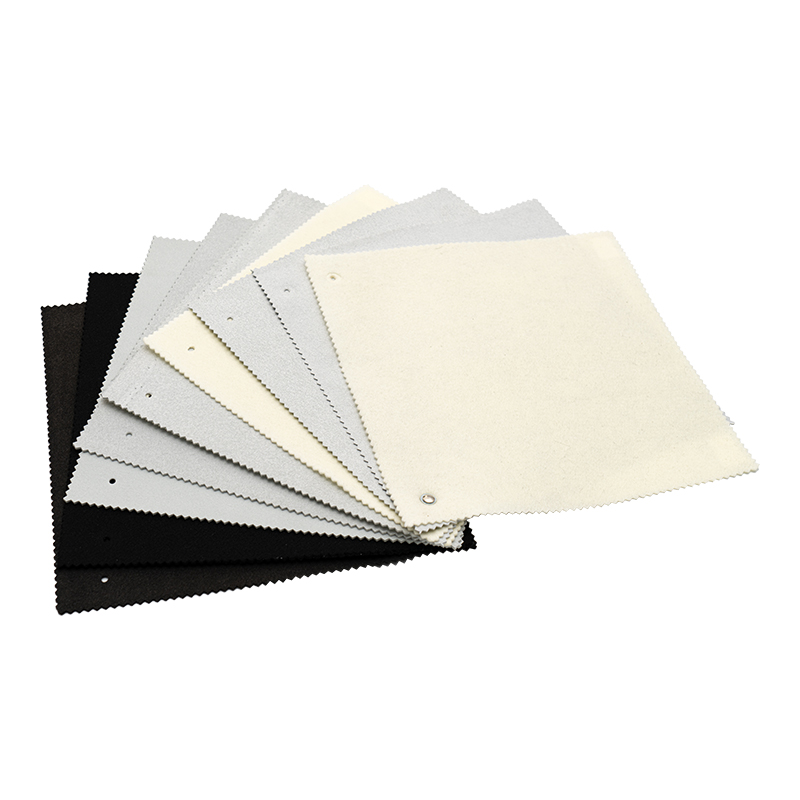
Water-soluble sea island fiber nonwoven fabric dissolves through a controlled hydrolysis process triggered primarily by water temperature. The "sea" component — typically polyvinyl alcohol (PVA) — begins to dissolve when immersed in water above a specific threshold temperature, usually between 20°C...
READ MORE
Introduction to Water-Soluble Sea-Island Fiber What is Water-Soluble Sea-Island Fiber? Water-soluble sea-islan...
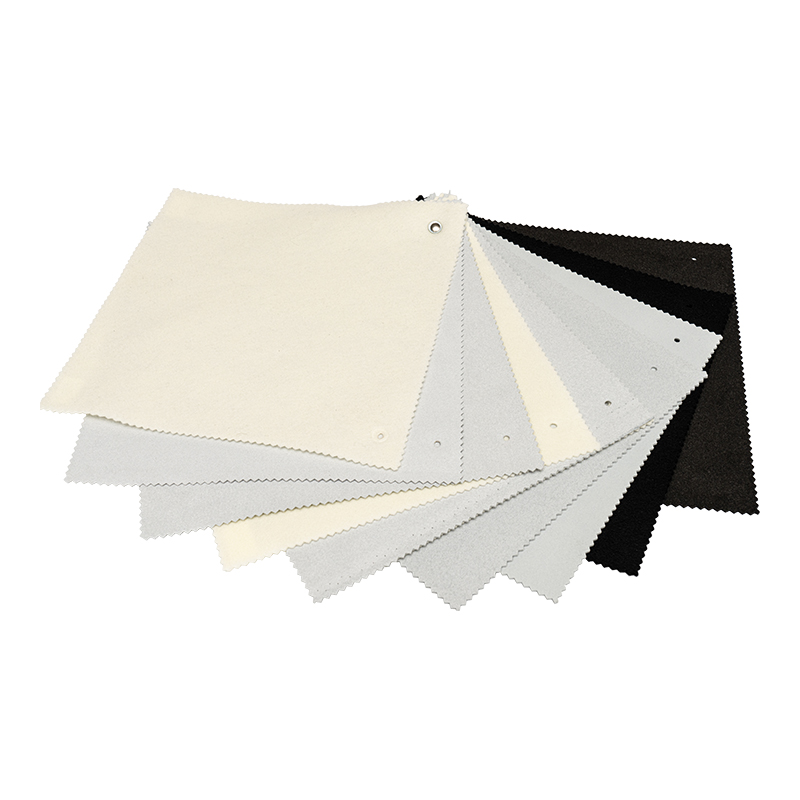
What is Water-Soluble Island-in-the-Sea Fiber? Water-Soluble Sea-Island Fiber is a breakthrough material in th...
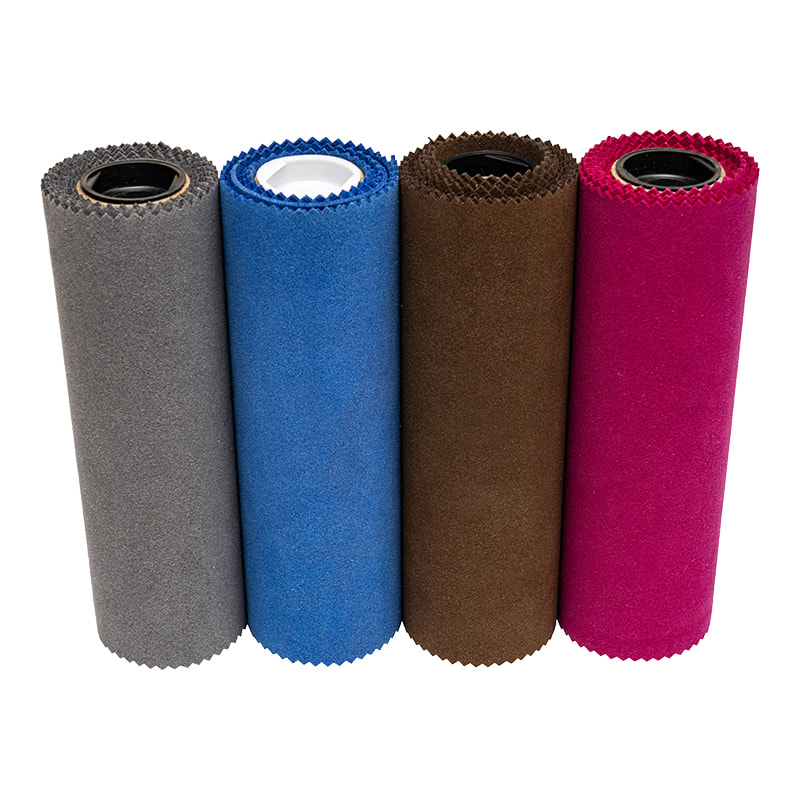
Introduction of Water-Force Microfiber Fabric What is Microfiber Fabric? Microfiber fabric is a type of textil...
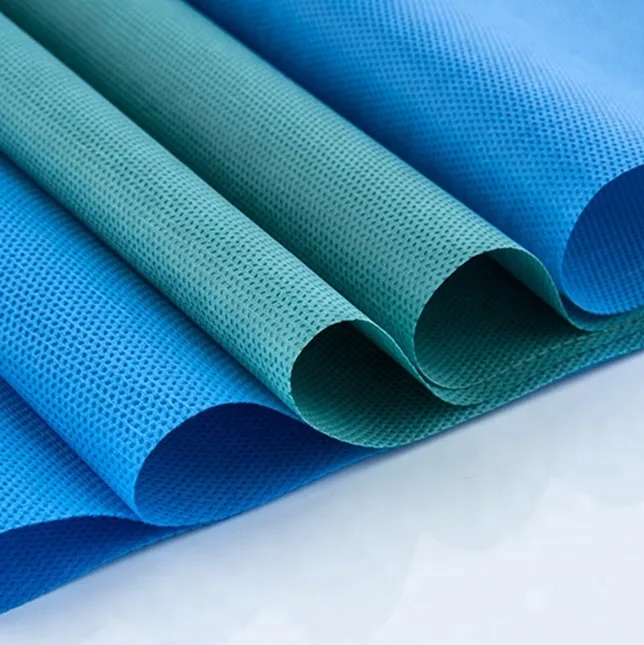
Introduction Water-soluble sea-island fiber nonwoven fabric is a groundbreaking innovation in the textile indu...
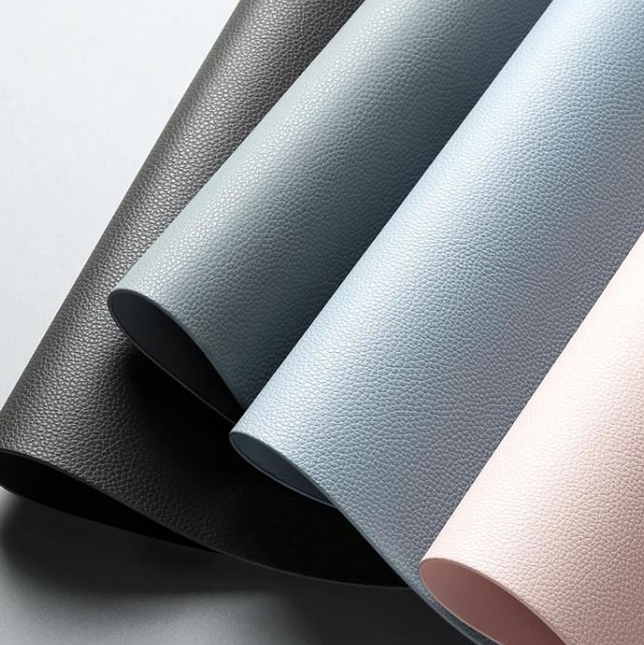
What is Water-Soluble Sea-Island Fiber? Definition and Basic Structure Water-soluble sea-island fiber is a spe...
LEMONTA Technology (ShangHai) Co., Ltd. All Rights Reserved. ALL RESERVED.
 Custom Bio-Based Water-Soluble Polyester Fiber Manufacturers
 英语
英语 中文简体
中文简体