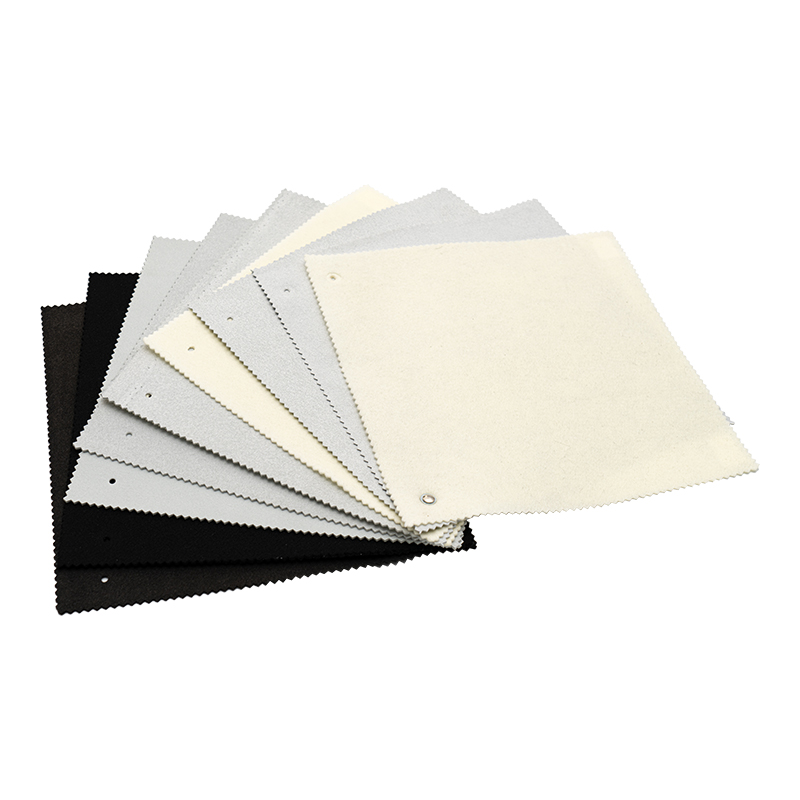
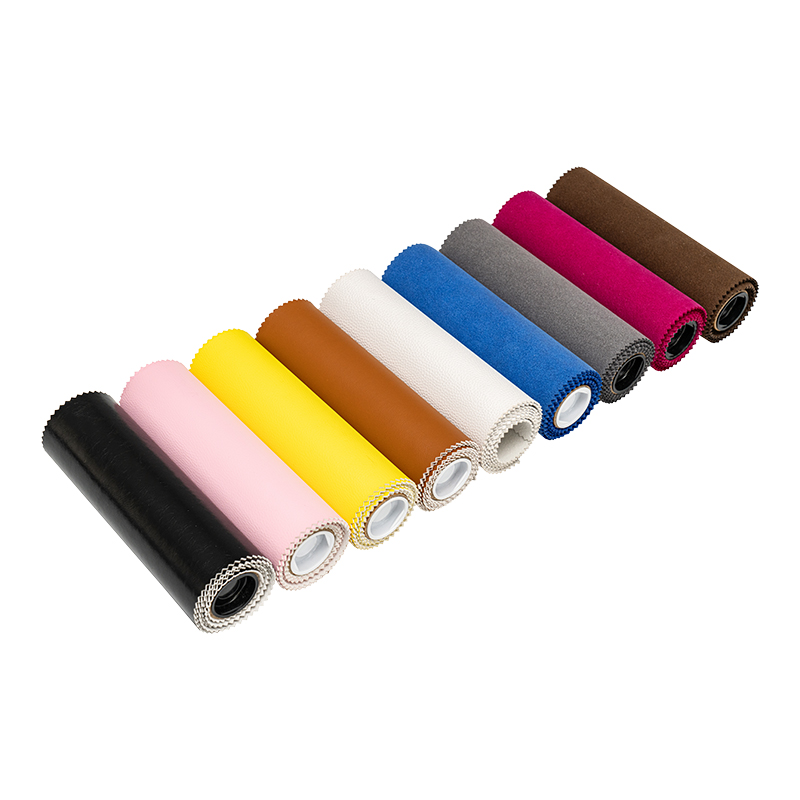
Microfiber fabrics have transformed the textile industry due to their softness, durability, and functional versatility. In recent years, environmental awareness and consumer demand for sustainable textiles have led to the emergence of water-force microfiber fabrics as an eco-friendly alternative to traditional microfiber materials. Traditional microfiber is often produced using organic solvents, which can release volatile organic compounds (VOCs) into the environment, posing health and environmental risks. In contrast, water-force microfiber fabric uses water as the primary medium in production, significantly reducing the environmental footprint.
The differences between water-force and traditional microfiber fabrics are not limited to environmental impact. Water-force microfiber can offer enhanced fiber uniformity, increased softness, and superior moisture absorption, making it ideal for applications ranging from apparel to cleaning cloths. Traditional microfiber, while durable and functional, may retain residues from solvent-based processing, which can slightly affect fabric feel and performance. This distinction has made water-force microfiber increasingly popular in industries that prioritize both performance and sustainability.
In terms of durability, water-force microfiber fabrics maintain structural integrity even under repeated washing and mechanical stress. Their fine fiber structure allows for better moisture management, improved thermal comfort, and superior wear resistance. As consumers and manufacturers focus more on eco-friendly materials, water-force microfiber represents a promising solution that balances performance, comfort, and sustainability.
Water-force microfiber fabrics are produced using aqueous spinning techniques, where polymer solutions are dispersed in water before being extruded through fine spinnerets to create ultra-fine fibers. This process eliminates the need for toxic organic solvents, significantly reducing VOC emissions and improving safety for workers and consumers. After extrusion, the fibers are washed, dried, and finished to achieve the desired softness, durability, and texture.
The aqueous medium allows manufacturers to precisely control fiber diameter and density, resulting in a fabric that can be tailored for specific performance needs. For example, cleaning cloths benefit from ultra-fine fibers that enhance dirt and moisture absorption, while apparel fabrics can be designed for softness, breathability, and comfort. Water-force microfiber production also generates fewer hazardous byproducts, making it a more sustainable choice compared to traditional methods.
Traditional microfiber fabrics are generally produced through solvent-based spinning, where polymers such as polyester or polyamide are dissolved in organic solvents. These solvents facilitate fiber formation and stability during extrusion but pose environmental and health risks due to VOC emissions. Once extruded, fibers undergo heat setting, finishing, and chemical treatments to enhance mechanical properties and texture.
While traditional microfiber fabrics are durable, their production is energy-intensive and less environmentally friendly. Residual chemicals from solvent-based processes may slightly impact softness, absorbency, and safety for sensitive applications, such as baby clothing or bedding. Consequently, industries are increasingly considering water-force microfiber as a greener alternative.
Both water-force and traditional microfiber fabrics are celebrated for their soft and luxurious feel, making them suitable for a wide range of textiles. However, water-force microfiber often achieves superior smoothness due to precise fiber diameter control during production. This makes it particularly desirable for products with direct skin contact, including bedding, towels, and apparel. Traditional microfiber provides good softness but may feel slightly less consistent due to chemical residues from solvent-based manufacturing.
Water-force microfiber fabrics exhibit enhanced absorbency. The fine, densely packed fibers can absorb liquids faster and retain more moisture than traditional microfiber, making them ideal for cleaning cloths, sportswear, and personal care textiles. Traditional microfiber, while absorbent, may be less effective in applications where rapid moisture uptake is crucial.
Additionally, water-force microfiber fabrics manage moisture more efficiently, reducing drying times and preventing the growth of mold or bacteria in products like towels and athletic apparel. This performance advantage enhances both hygiene and convenience for end-users.
Water-force microfiber fabrics are highly durable, maintaining structural integrity and softness over many washing cycles. They resist shrinking, warping, and pilling, making them low-maintenance and cost-effective in the long term. Traditional microfiber fabrics are also durable but may experience stiffness or reduced softness after repeated laundering. The lower chemical residue in water-force microfiber contributes to a longer-lasting, consistently high-quality fabric.
The environmental advantages of water-force microfiber fabrics are substantial. By eliminating organic solvents, water-force production reduces VOC emissions, water contamination, and energy consumption. This aligns with global sustainability goals and increasingly strict environmental regulations in the textile industry.
Traditional microfiber production, while effective, contributes to higher carbon footprints and chemical waste. Solvent-based methods require energy-intensive processes and strict handling protocols to minimize environmental damage. Water-force microfiber provides a viable eco-friendly alternative without compromising on fabric performance, offering manufacturers a path to more sustainable operations.
Comparison Table: Water-Force vs. Traditional Microfiber
| Feature | Water-Force Microfiber | Traditional Microfiber |
|---|---|---|
| Production Medium | Water | Organic Solvent |
| Environmental Impact | Low, eco-friendly | Higher, VOC emissions |
| Softness | Very soft, smooth | Soft, slightly less smooth |
| Absorbency | High, fast moisture uptake | Moderate, slower absorption |
| Chemical Residue | Minimal | Possible residues |
| Durability | High, retains softness | High, may stiffen over time |
Q1: What is the main difference between water-force and traditional microfiber fabrics?
Water-force microfiber uses water as the production medium, reducing environmental impact and chemical residues, whereas traditional microfiber relies on organic solvents.
Q2: Are water-force microfibers as durable as traditional microfibers?
Yes. Water-force microfibers are highly durable and maintain softness and shape better over multiple washes.
Q3: Which applications benefit most from water-force microfiber?
Products requiring skin comfort, high absorbency, and hygiene—such as sportswear, towels, cleaning cloths, and bedding—benefit most.
Q4: Is water-force microfiber more expensive?
Production costs may be slightly higher due to aqueous spinning, but the environmental benefits and superior performance often justify the investment.
Q5: Are water-force microfibers environmentally sustainable?
Yes. They reduce VOC emissions, chemical residue, and energy consumption, making them a more eco-friendly textile option.
References:
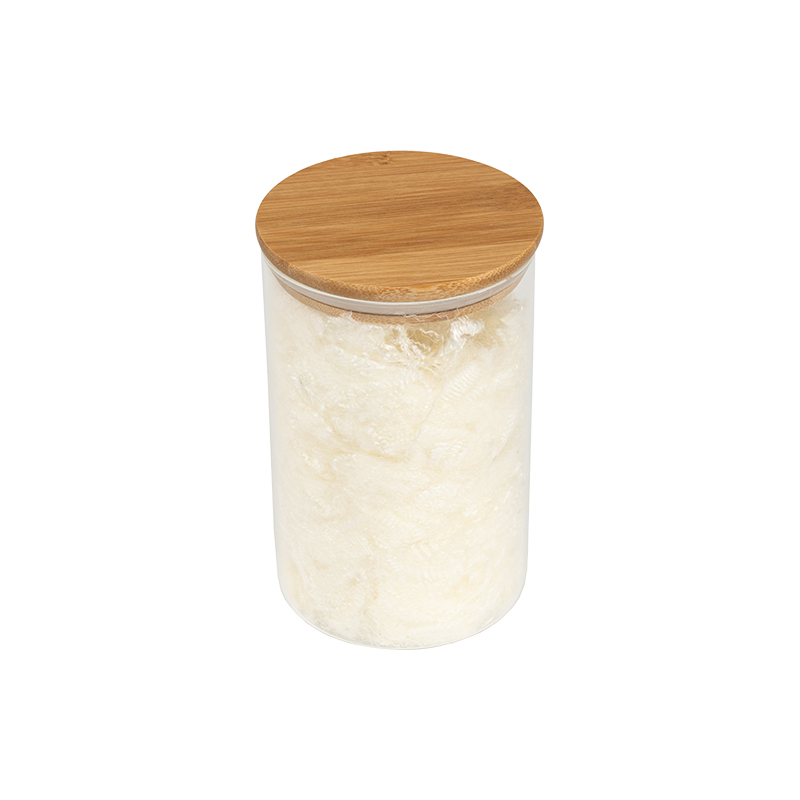
Definition and Basic Concept Understanding the Sea-Island Structure Water-Soluble Sea-Island Fiber is an advanced composite fiber designed through innovations in polymer science and modern textile engineering. The fiber is composed of two polymer phases: a continuous “sea” phase that is water-solubl...
READ MORE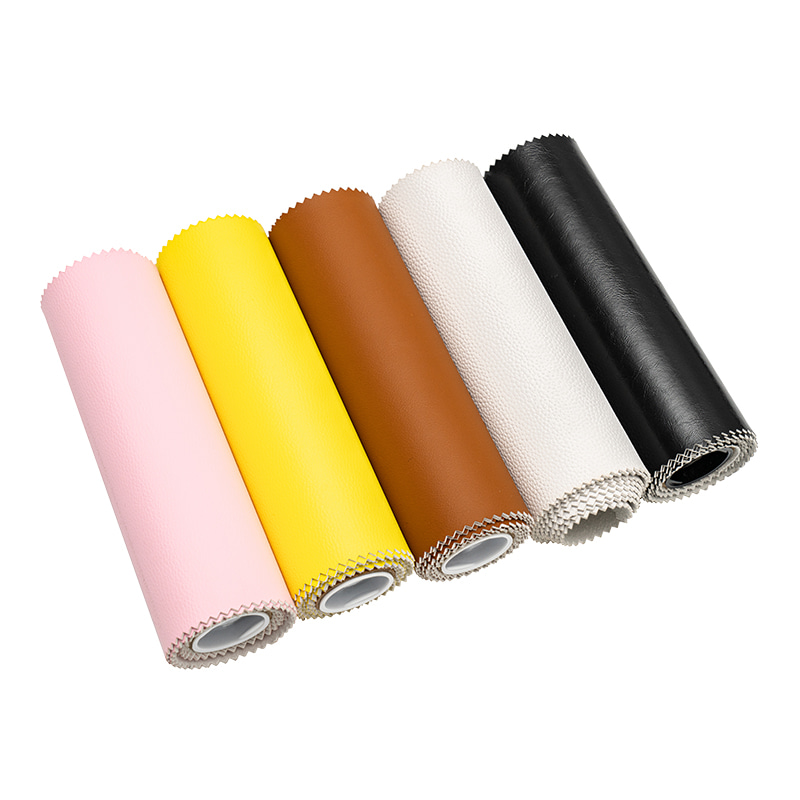
Introduction to Water-Soluble Sea-Island Fiber What is Water-Soluble Sea-Island Fiber? Water-soluble sea-islan...
What is Water-Soluble Island-in-the-Sea Fiber? Water-Soluble Sea-Island Fiber is a breakthrough material in th...
Introduction of Water-Force Microfiber Fabric What is Microfiber Fabric? Microfiber fabric is a type of textil...
Introduction Water-soluble sea-island fiber nonwoven fabric is a groundbreaking innovation in the textile indu...
What is Water-Soluble Sea-Island Fiber? Definition and Basic Structure Water-soluble sea-island fiber is a spe...
LEMONTA Technology (ShangHai) Co., Ltd. All Rights Reserved. ALL RESERVED.
 Custom Bio-Based Water-Soluble Polyester Fiber Manufacturers
 英语
英语 中文简体
中文简体