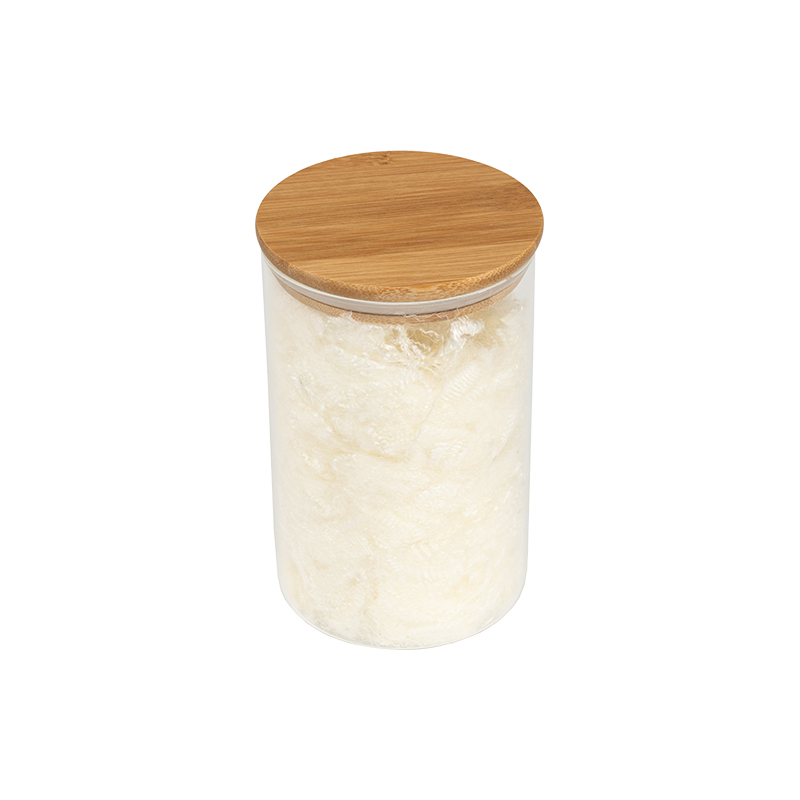
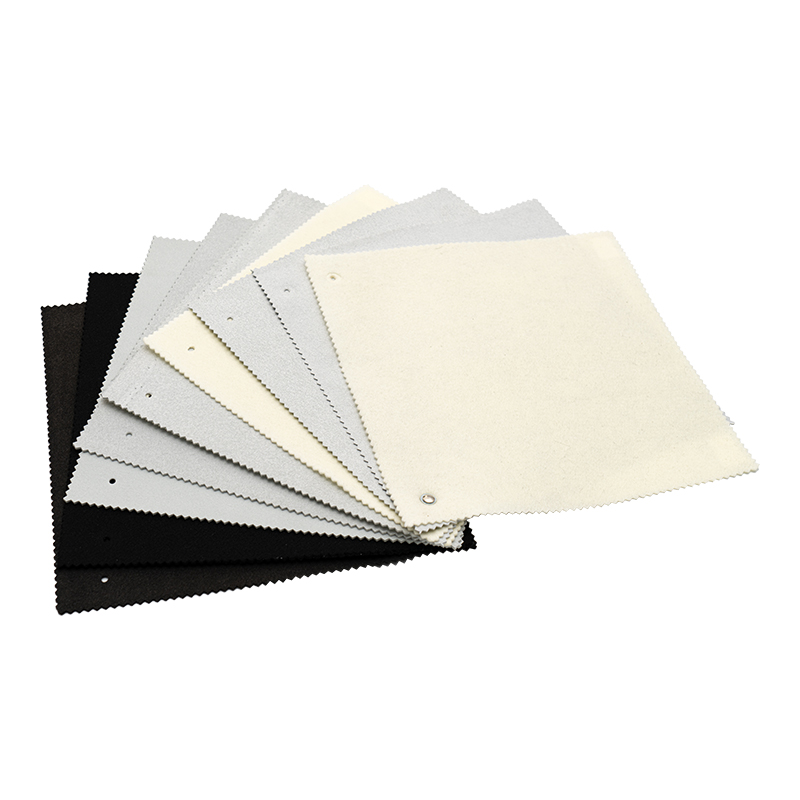
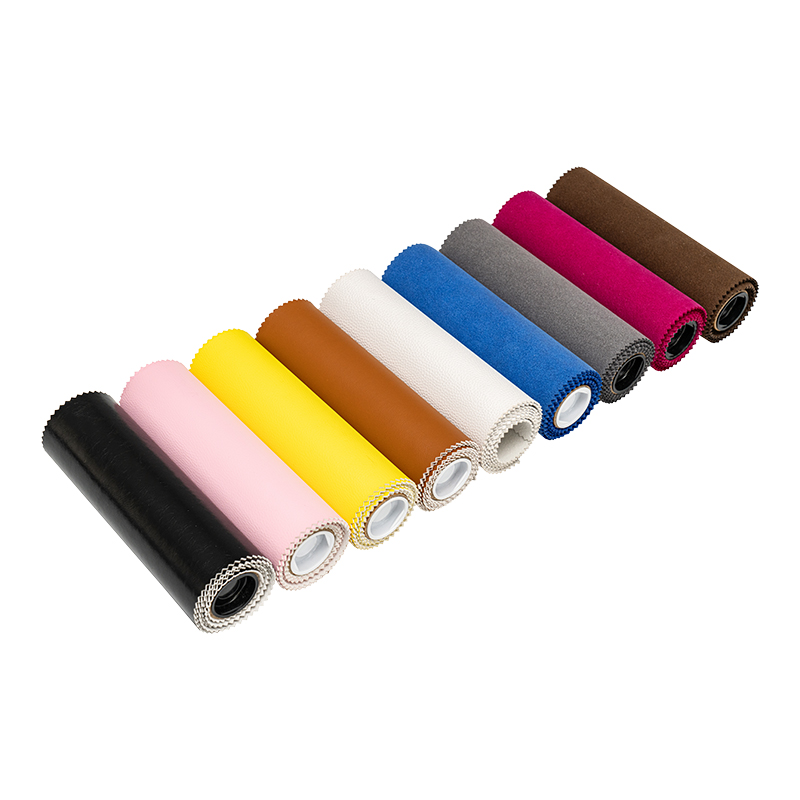
Water-Soluble Sea-Island Fiber is an advanced composite fiber designed through innovations in polymer science and modern textile engineering. The fiber is composed of two polymer phases: a continuous “sea” phase that is water-soluble and a dispersed “island” phase that remains intact after processing. The island component ultimately becomes the functional microfiber, while the sea component acts as a temporary carrier during spinning and fabric formation. This dual-phase structure allows manufacturers to overcome the physical limitations of traditional fiber spinning, where producing ultra-fine filaments directly is technically challenging and economically inefficient.
The concept is based on embedding hundreds of extremely fine island filaments within a surrounding matrix. During production, both components are extruded together, forming a single composite filament. Once the sea portion is removed through dissolution, the remaining island fibers separate into individual microfilaments. This method enables the production of fibers with diameters significantly smaller than conventional synthetic fibers, often reaching sub-micron levels. Such fineness directly contributes to enhanced softness, flexibility, and performance characteristics in the final textile product.
The defining advantage of this fiber lies in its ability to generate ultra-fine structures that dramatically increase surface area. A higher surface area enhances moisture management, dye absorption, and tactile properties. In addition, the uniform distribution of island filaments ensures consistent performance across the fabric, which is essential for high-end textile applications. Compared to traditional single-component fibers, water-soluble sea-island fibers provide superior uniformity and precision in fiber morphology.
The internal structure of Water-Soluble Sea-Island Fiber is highly engineered. Each composite filament contains multiple island fibers evenly distributed within the sea matrix. The number of islands can vary depending on the design, ranging from dozens to several hundred per filament. This level of microstructural control allows manufacturers to tailor fiber properties according to specific application requirements.
The uniformity of island distribution is critical because it ensures consistent splitting during the dissolution stage. If the distribution is uneven, the resulting microfibers may vary in thickness, affecting fabric quality. Therefore, precise control during spinning is essential for achieving optimal results.
After the sea component is removed, the island fibers separate into extremely fine filaments. This significantly increases the total surface area of the material. A higher surface area improves several key properties:
Compared to conventional fibers, which typically have larger diameters and lower surface areas, sea-island fibers offer a substantial performance advantage.
The production of Water-Soluble Sea-Island Fiber relies on composite spinning, a specialized technique within fiber engineering. In this process, two different polymers are melted and extruded simultaneously through a precision-designed spinneret. The spinneret geometry determines how the island component is distributed within the sea matrix, making it a critical factor in the final fiber structure.
This process requires careful control of temperature, viscosity, and flow rates for both polymers. Any imbalance can lead to defects such as irregular island distribution or incomplete encapsulation. Therefore, advanced equipment and process optimization are essential for consistent production.
The choice of materials is another key aspect of the process. The sea component is typically made from a water-soluble polymer such as polyvinyl alcohol, while the island component is often polyester or nylon. These materials must be compatible during extrusion but easily separable during dissolution. Achieving this balance is a complex task that requires a deep understanding of polymer chemistry and processing behavior.
Both polymers are dried and conditioned to remove moisture and ensure stable processing. Moisture content can significantly affect the quality of the final fiber, so strict control is necessary.
The polymers are co-extruded through a spinneret to form composite filaments. The design of the spinneret determines the number and arrangement of island fibers within the sea matrix.
The fibers are stretched to align molecular chains, improving mechanical strength and uniformity. This step also helps refine the internal structure of the composite fiber.
The fibers are processed into yarns and then converted into fabrics through weaving or knitting. At this stage, the fibers still contain the sea component.
The removal of the sea component is based on the principle of polymer dissolution. When the composite fiber is exposed to water, the soluble polymer dissolves, breaking down the matrix and releasing the island fibers. This process is influenced by factors such as temperature, time, and water quality.
The dissolution must be carefully controlled to ensure complete removal of the sea component without damaging the island fibers. Incomplete dissolution can lead to defects in the final fabric, while excessive processing may weaken the fibers.
Typically, hot water treatments are used to accelerate dissolution. In industrial settings, this step is integrated into the finishing process, ensuring efficiency and scalability. Water recycling systems are often employed to minimize environmental impact and reduce resource consumption.
Once the sea component is removed, the island fibers separate into individual microfilaments. These fibers are significantly finer than those produced by conventional spinning methods. The resulting microfibers provide a unique combination of softness, strength, and functionality.
The ultra-fine structure leads to several benefits:
These properties make the material suitable for a wide range of applications, from luxury textiles to industrial filtration systems.
Water-Soluble Sea-Island Fiber plays a crucial role in modern textile production by enabling the creation of high-performance fabrics. The ultra-fine fibers improve the tactile qualities of textiles, making them softer and more comfortable. Additionally, the increased surface area enhances dye uptake, resulting in richer and more uniform colors.
This fiber is widely used in:
Its versatility makes it a valuable material across multiple industries.
| Feature | Sea-Island Fiber | Conventional Fiber |
|---|---|---|
| Fiber Diameter | Ultra-fine | Standard |
| Surface Area | Very high | Moderate |
| Softness | Excellent | Moderate |
| Absorption Capacity | High | Moderate |
| Production Complexity | High | Low |
The superior properties of sea-island fibers translate into better product performance. However, the increased complexity of production means higher manufacturing costs, which must be balanced against the performance benefits.
One of the most significant advantages of this technology is the ability to precisely control fiber characteristics. Manufacturers can adjust the number, size, and distribution of island fibers to achieve specific performance goals.
As part of advancements in materials engineering, Water-Soluble Sea-Island Fiber represents a major step forward in textile technology. It enables the development of new materials with enhanced functionality and performance.
Efforts are being made to improve the sustainability of this process by using eco-friendly polymers and recycling water used in dissolution. These innovations are helping to reduce the environmental impact of textile manufacturing.
What is the main advantage of Water-Soluble Sea-Island Fiber?
It allows the production of ultra-fine microfibers that enhance softness, absorption, and overall fabric performance.
How is the sea component removed?
It is dissolved in water during the finishing process, leaving behind the island fibers.
Is this fiber suitable for industrial applications?
Yes, it is widely used in filtration, medical textiles, and high-performance materials.
Is Water-Soluble Sea-Island Fiber the Solution to Stiffness in Industrial Filter Media? The “stiffness” problem in industrial filter media is a long-standing engineering bottleneck. Traditionally, filters designed for high-pressure industrial environments, such as cement plants or power station dust...
READ MORE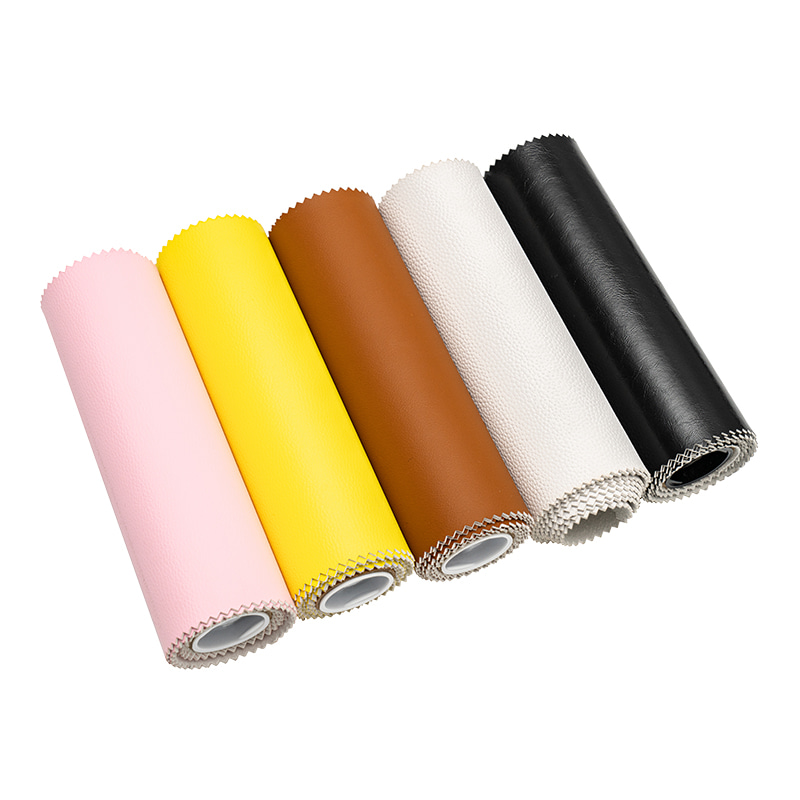
Introduction to Water-Soluble Sea-Island Fiber What is Water-Soluble Sea-Island Fiber? Water-soluble sea-islan...
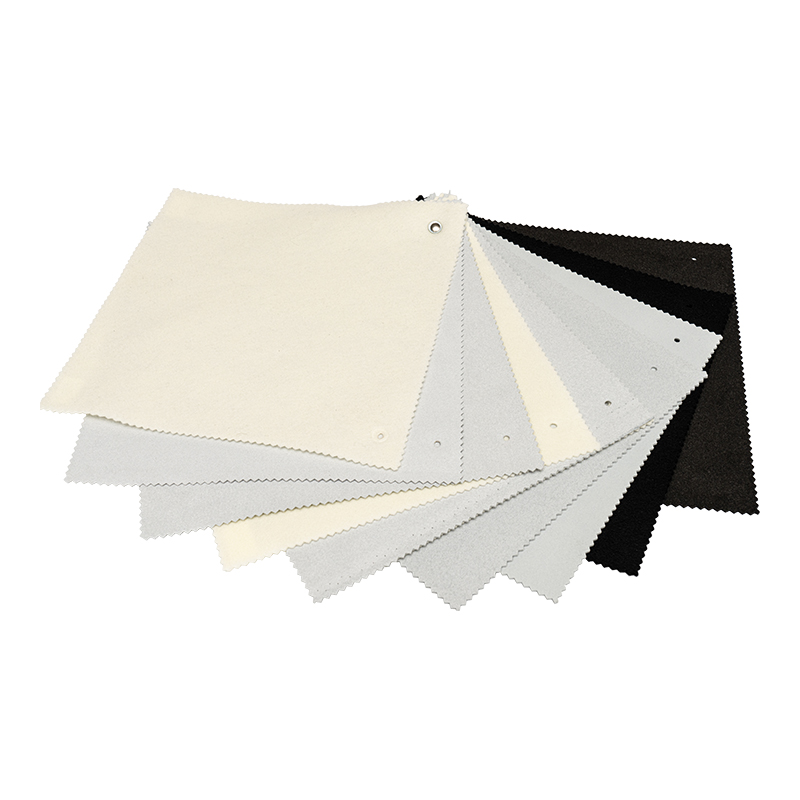
What is Water-Soluble Island-in-the-Sea Fiber? Water-Soluble Sea-Island Fiber is a breakthrough material in th...
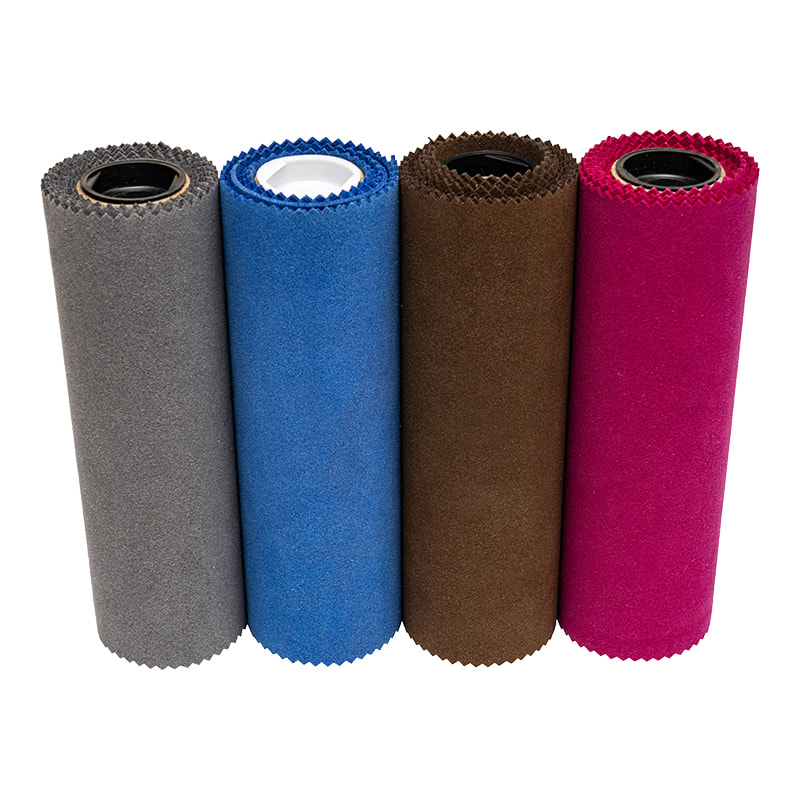
Introduction of Water-Force Microfiber Fabric What is Microfiber Fabric? Microfiber fabric is a type of textil...
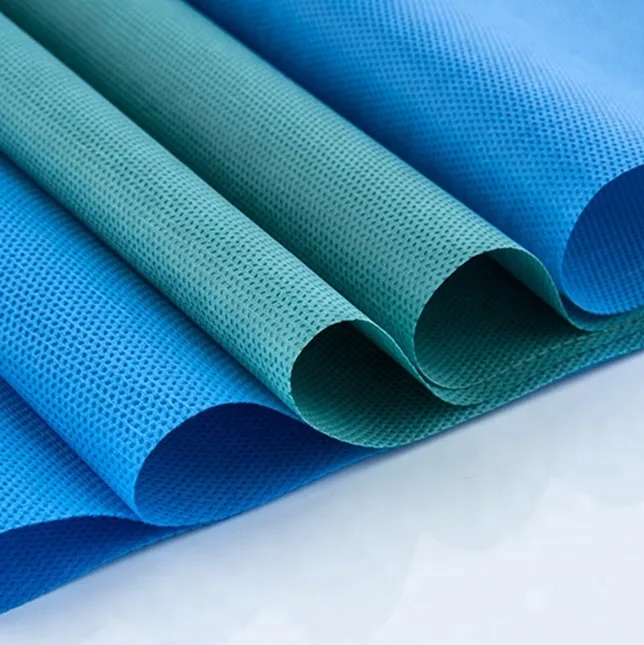
Introduction Water-soluble sea-island fiber nonwoven fabric is a groundbreaking innovation in the textile indu...
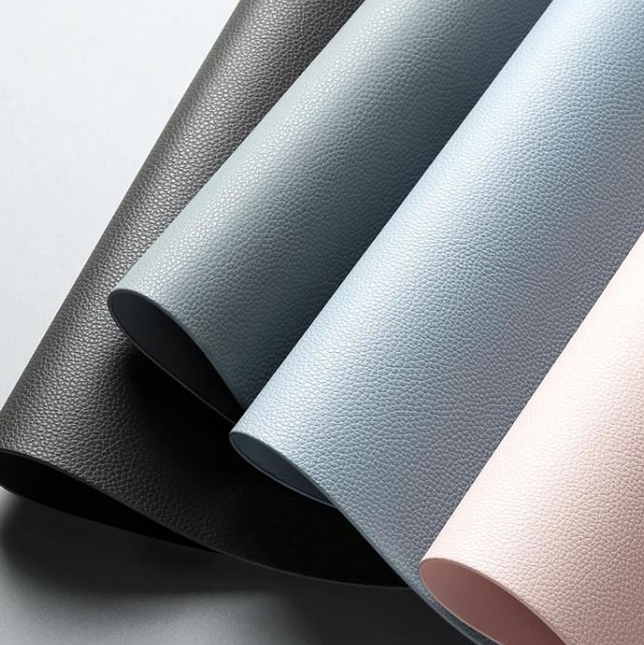
What is Water-Soluble Sea-Island Fiber? Definition and Basic Structure Water-soluble sea-island fiber is a spe...
LEMONTA Technology (ShangHai) Co., Ltd. All Rights Reserved. ALL RESERVED.
 Custom Bio-Based Water-Soluble Polyester Fiber Manufacturers
 英语
英语 中文简体
中文简体