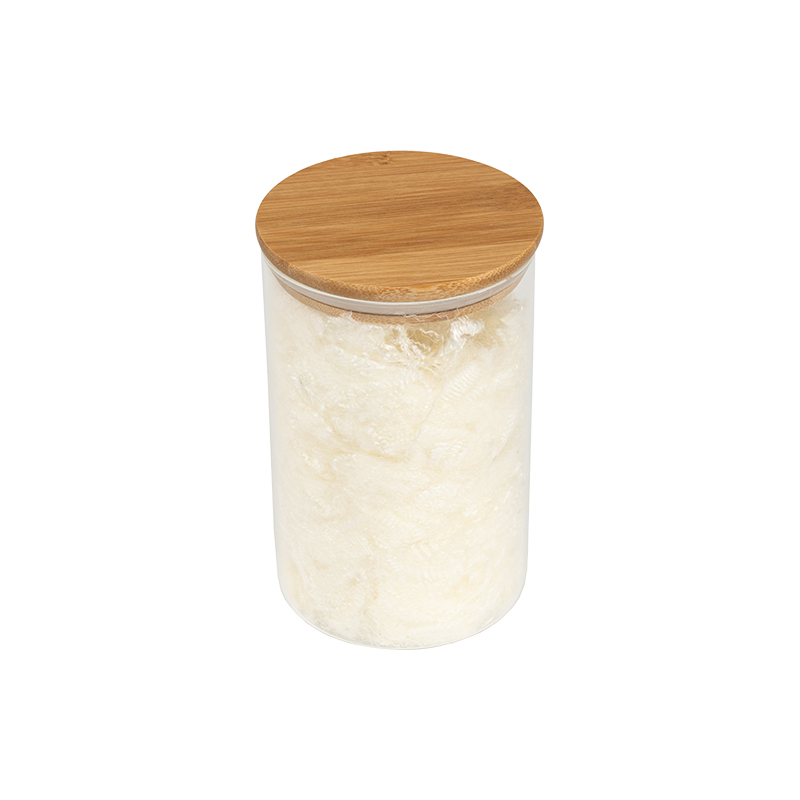
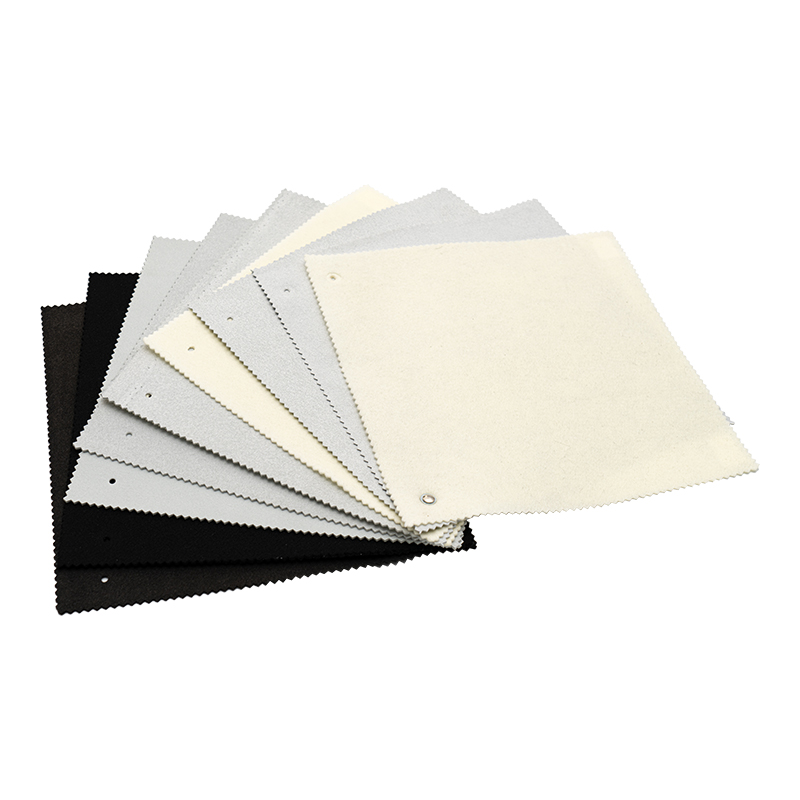
Water-soluble sea island fiber nonwoven fabric dissolves through a controlled hydrolysis process triggered primarily by water temperature. The "sea" component — typically polyvinyl alcohol (PVA) — begins to dissolve when immersed in water above a specific threshold temperature, usually between 20°C and 90°C depending on the fiber grade, leaving behind only the ultra-fine "island" microfibers. This dissolution is not accidental; it is precisely engineered into the fiber chemistry and is the core functional feature that makes this material valuable across medical, textile, and industrial applications.
To understand how the fabric dissolves, you first need to understand what sea island fiber actually is. Sea island (also written as "islands-in-the-sea") fiber is a bicomponent fiber architecture in which one polymer — the "island" — is encased within another polymer — the "sea."
In water-soluble variants, the sea component is most commonly polyvinyl alcohol (PVA), a water-sensitive polymer, while the island component is typically polyester (PET) or nylon (PA6). A single fiber cross-section can contain anywhere from 16 to 1,000+ island filaments, each with a diameter as fine as 0.1–0.3 μm — far below what conventional spinning can produce.
The sea polymer serves a temporary structural purpose: it provides mechanical support during fiber spinning and nonwoven fabric formation. Without it, fibers this fine (often called superfine or microfibers below 0.1 denier) cannot be spun or handled. Once the fabric is formed and processed, the sea is dissolved away, releasing the islands as a bundle of ultra-fine standalone fibers.
Dissolution is not simply the fabric falling apart in water. It is a stepwise molecular process governed by hydrogen bonding, crystallinity, and thermal energy.
When the fabric contacts water, water molecules begin penetrating the PVA sea matrix. PVA is inherently hydrophilic due to its abundant hydroxyl (-OH) groups, which form hydrogen bonds with water. The sea polymer swells progressively as water infiltrates the amorphous regions of the PVA structure.
PVA contains both amorphous and crystalline regions. The amorphous regions dissolve first; the crystalline regions resist until sufficient thermal energy is supplied. This is why temperature is the primary trigger: at temperatures below the PVA's dissolution threshold, only partial swelling occurs. Above it, the crystalline lattice breaks down, and the polymer fully enters solution.
As the sea dissolves, the island microfibers are released as individual, structurally intact filaments. The dissolved PVA exits the system as an aqueous solution. The island fibers — now freed — form the functional microfiber structure that gives the final product its exceptional softness, surface area, and liquid absorption capacity.
Temperature is the most controllable and consequential dissolution trigger. PVA is manufactured in grades with different degrees of polymerization and saponification, which directly set the dissolution temperature.
| PVA Grade | Dissolution Temperature | Typical Application |
|---|---|---|
| Cold-water soluble | 5°C – 20°C | Medical dissolvable sutures, single-use embroidery backing |
| Warm-water soluble | 30°C – 50°C | Skincare wipes, cosmetic sheet masks |
| Hot-water soluble | 70°C – 90°C | Industrial textile processing, microfiber fabric production |
Selecting the correct grade is critical. A cold-water-soluble fabric used in a warm-wash laundry process would dissolve prematurely; a hot-water-soluble fabric used in a body-temperature skincare application would fail to dissolve at all.
While temperature is the primary trigger, several other factors modulate the speed and completeness of the dissolution process.
Stirring or mechanical agitation accelerates dissolution by continuously exposing fresh PVA surface to unsaturated water. In industrial settings, agitation at 200–400 RPM can reduce dissolution time by 40–60% compared to static immersion at the same temperature.
PVA dissolution is pH-sensitive. Strongly acidic conditions (pH below 3) can slow dissolution by protonating hydroxyl groups and reducing hydrogen bonding with water. Alkaline environments (pH above 10) can accelerate dissolution but may also degrade the island fiber if it is acid-sensitive. Neutral to mildly alkaline water (pH 6.5–8.5) is optimal for controlled dissolution in most applications.
Dissolved salts — particularly multivalent ions like calcium (Ca²⁺) and magnesium (Mg²⁺) found in hard water — can form crosslinks with PVA hydroxyl groups, significantly inhibiting dissolution. Hard water with >200 ppm hardness can extend dissolution time by 2–3×. Manufacturers specify softened or deionized water for reliable process control.
Heavier fabric (higher gsm) increases the diffusion path length for water molecules. A 30 gsm fabric may dissolve completely in 2–3 minutes at 40°C, while an 80 gsm fabric of identical chemistry may require 8–12 minutes under the same conditions.
Manufacturers fine-tune dissolution behavior during fiber production, not after. The following parameters are deliberately set at the design stage:
After the sea component dissolves, two outputs remain: the island microfiber structure and the PVA aqueous solution.
The island fibers — typically PET or nylon — are chemically inert and structurally intact. In textile manufacturing, these become the final microfiber fabric. In single-use applications (e.g., dissolvable embroidery backing), both the sea and the released microfibers exit the product during washing.
PVA is considered readily biodegradable under aerobic conditions in the presence of PVA-degrading bacteria (e.g., Pseudomonas vesicularis). Municipal wastewater treatment systems with activated sludge can biodegrade PVA at removal rates exceeding 95% within standard treatment retention times. However, direct discharge into waterways without treatment is not advisable, as undegraded PVA can form a biological oxygen demand (BOD) load. Industrial users are expected to route dissolution wastewater through standard treatment before discharge.
Understanding the dissolution mechanism is not just academic — it has direct consequences for product performance and process design.
The dissolution of water-soluble sea island fiber nonwoven fabric is a precisely engineered, temperature-driven process rooted in the hydrophilic chemistry of PVA. Water temperature is the primary trigger, while agitation, pH, water hardness, and fabric construction all modulate the speed and completeness of dissolution. Selecting the right PVA grade, controlling the dissolution environment, and validating performance under real-use conditions are the three pillars of reliably deploying this material. For product developers and process engineers alike, understanding what triggers dissolution — and what can interfere with it — is the foundation of working successfully with this technically sophisticated material.
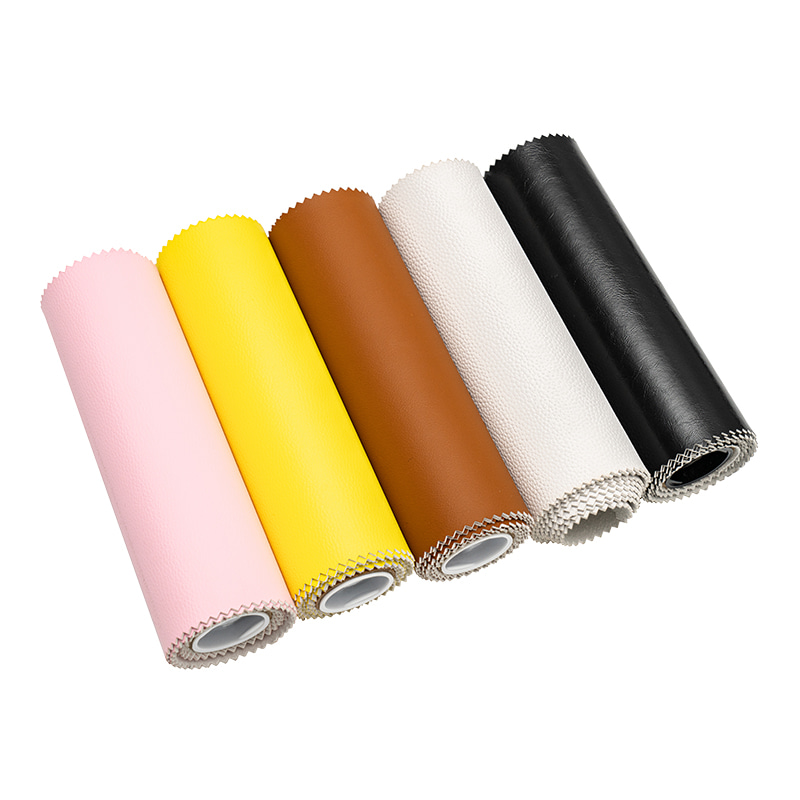
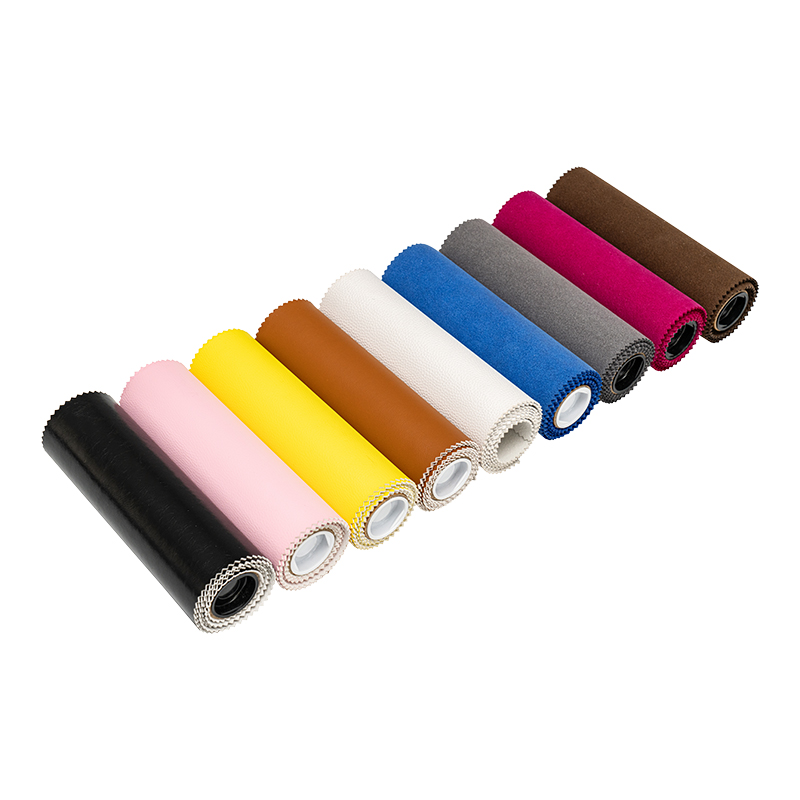
Microfiber fabrics have transformed the textile industry due to their softness, durability, and functional versatility. In recent years, environmental awareness and consumer demand for sustainable textiles have led to the emergence of water-force microfiber fabrics as an eco-friendly alternative to ...
READ MORE
Introduction to Water-Soluble Sea-Island Fiber What is Water-Soluble Sea-Island Fiber? Water-soluble sea-islan...
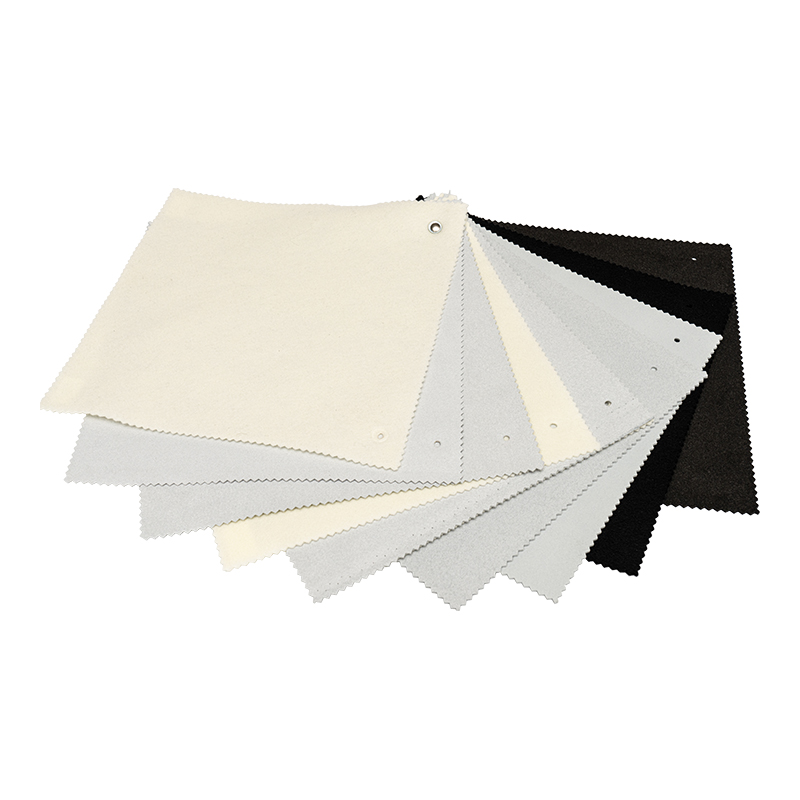
What is Water-Soluble Island-in-the-Sea Fiber? Water-Soluble Sea-Island Fiber is a breakthrough material in th...
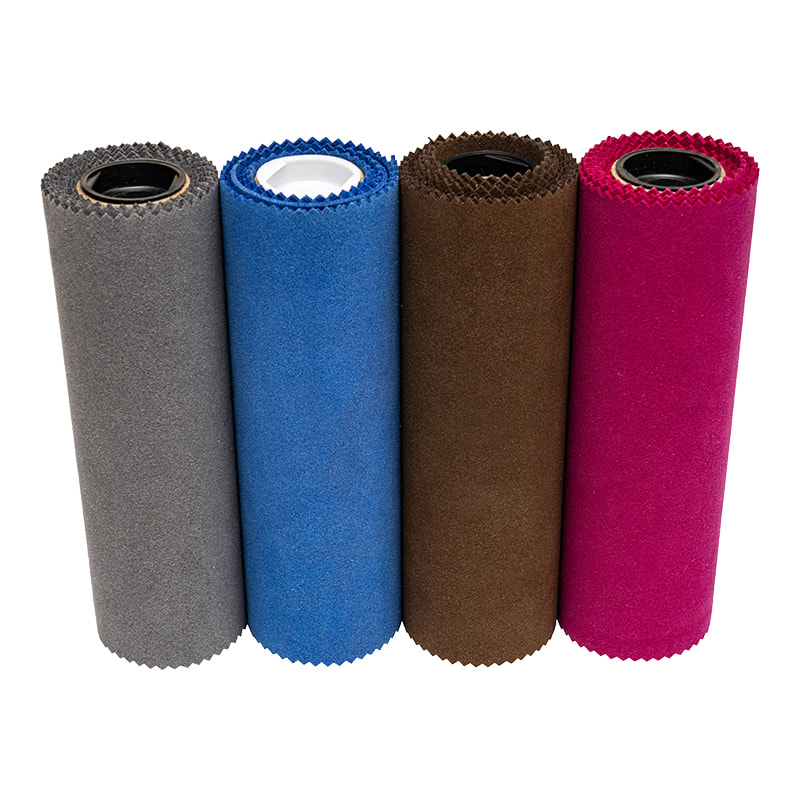
Introduction of Water-Force Microfiber Fabric What is Microfiber Fabric? Microfiber fabric is a type of textil...
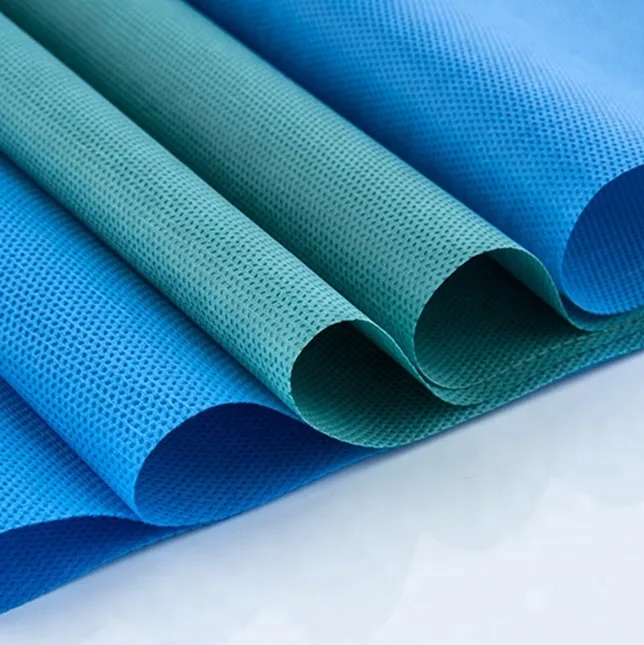
Introduction Water-soluble sea-island fiber nonwoven fabric is a groundbreaking innovation in the textile indu...
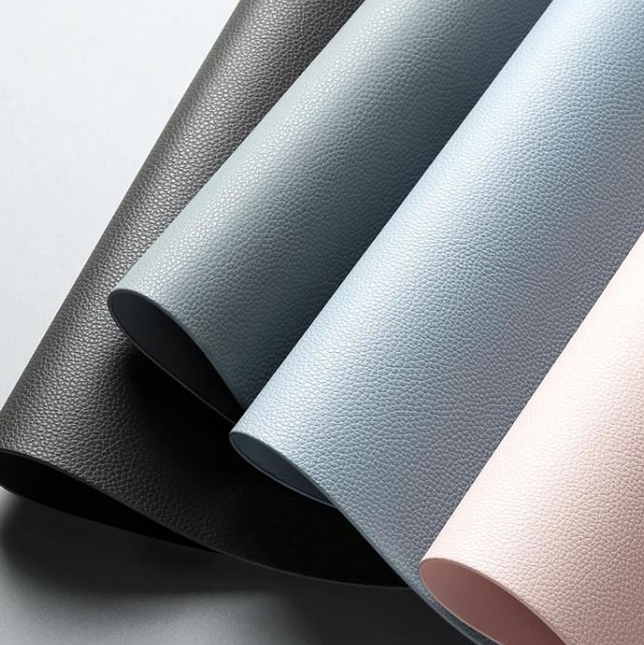
What is Water-Soluble Sea-Island Fiber? Definition and Basic Structure Water-soluble sea-island fiber is a spe...
LEMONTA Technology (ShangHai) Co., Ltd. All Rights Reserved. ALL RESERVED.
 Custom Bio-Based Water-Soluble Polyester Fiber Manufacturers
 英语
英语 中文简体
中文简体