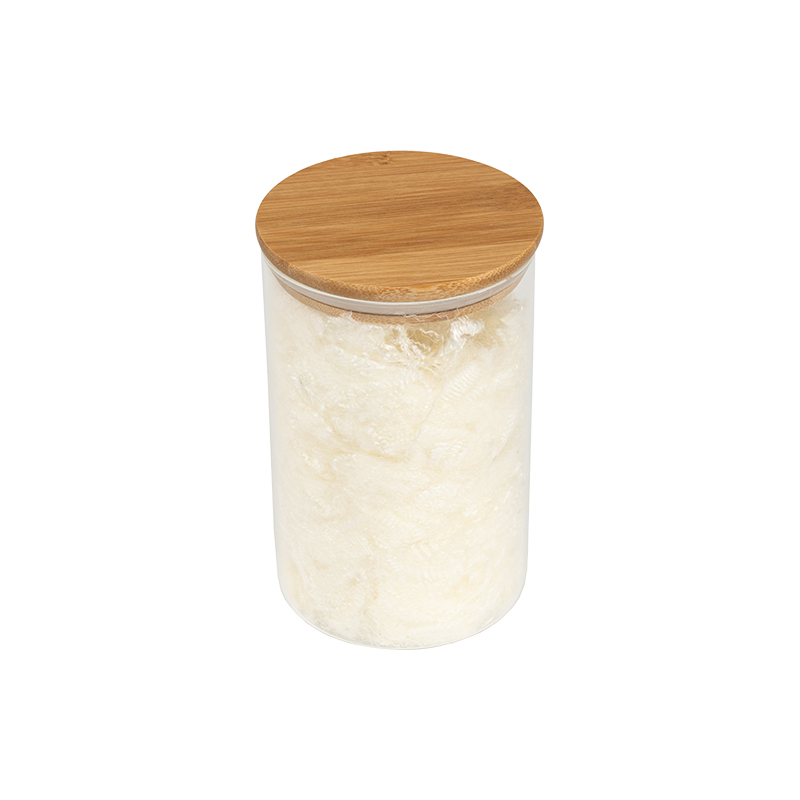
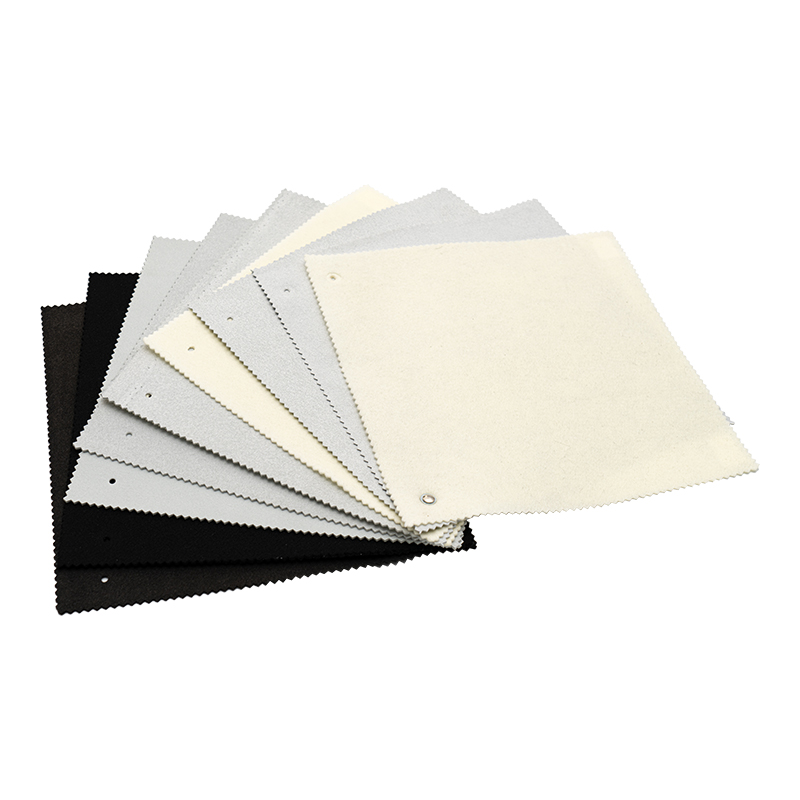
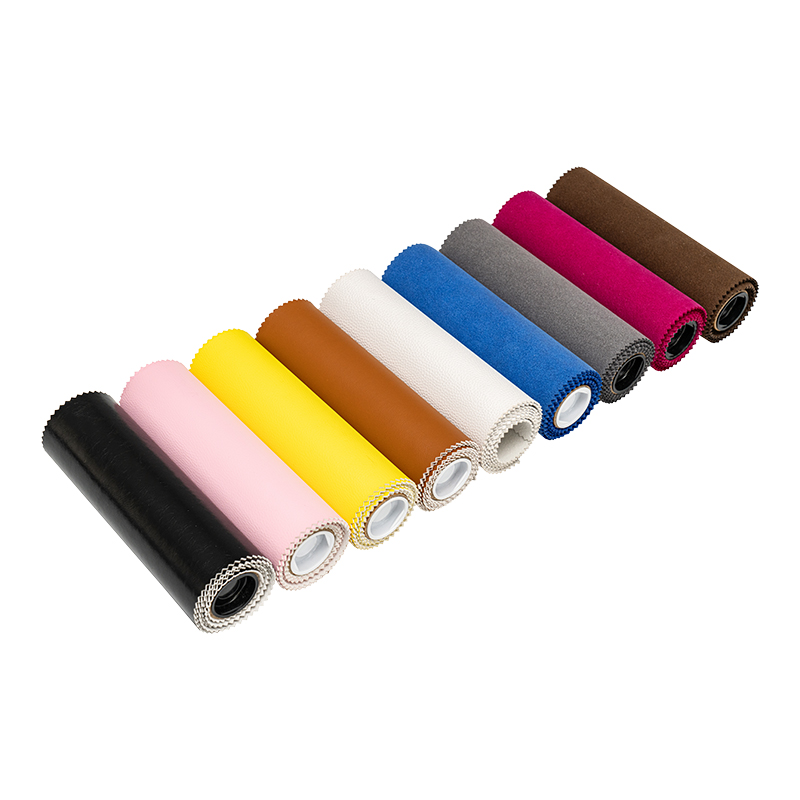
In the specialized field of advanced textile materials, Water-Soluble Sea-Island Fiber represents the pinnacle of bicomponent composite spinning technology. it is the core engine for producing microfibers, widely used in the manufacturing of high-end synthetic suede, high-density industrial filter media, and performance fabrics with a silk-like touch. However, how does a seemingly ordinary synthetic filament transform into a bundle of hundreds or even thousands of ultra-fine fibers that are almost invisible to the naked eye during processing?
The core secret lies in its unique “sea-island” physical structure and the revolutionary transition from traditional chemical solvent extraction to eco-friendly water-soluble processes. To achieve an ultra-fine denier quality of less than 0.05 dtex, a perfect balance between polymer chemistry and precision engineering is required.
To understand how ultra-fine quality is achieved, one must first observe the cross-sectional structure of the fiber before it enters the finishing stage. Water-Soluble Sea-Island Fiber is a bicomponent composite fiber extruded through a specialized distribution plate where two different polymers pass through the same spinneret hole simultaneously.
The “island” component is the functional microfiber that remains in the final product, typically composed of polyester (PET) or nylon (PA). Within a single filament of fiber, there can be 24 islands, 37 islands, 64 islands, or even thousands of tiny “islands” running continuously through the entire length of the fiber.
The “sea” component is a modified polymer, usually Water-Soluble Polyester (WSP). It acts as a sacrificial “space-holder” or matrix during spinning, weaving, or knitting, wrapping and fixing the “islands” in place.
The metamorphosis from filament to ultra-fine denier quality occurs during the “opening” or “weight reduction” stage. This is the critical step where the Water-Soluble Sea-Island Fiber sheds its outer shell to reveal the internal microfibers.
Traditional composite fibers require the use of powerful organic solvents (such as toluene) to extract the “sea” component. Modern water-soluble technology uses modified polyester, which undergoes hydrolysis and dissolution in hot water and slightly alkaline environments.
Using water as a solvent is not just for environmental protection; it is also to enhance the final quality of the fiber.
Not all sea-island fibers achieve equal quality. The leap from ordinary microfibers to “ultra-fine” microfibers depends on the precise management of several key engineering variables during the melt-spinning process.
Achieving ultra-fine denier quality requires a high proportion of the “sea” component. Typically, sea-island ratios of 20/80, 25/75, or 30/70 are adopted.
To more intuitively demonstrate the advantages of water-soluble sea-island fiber, the following table compares it with standard synthetic fibers:
| Feature | Standard Synthetic Fiber | Water-Soluble Sea-Island Fiber |
|---|---|---|
| Fiber Structure | Homogeneous Solid | Bicomponent Matrix-Core |
| Resulting Denier | 1.0 - 5.0 dtex | 0.01 - 0.08 dtex |
| Finishing Method | Mechanical Softening | Hot Water Dissolution (Weight Reduction) |
| Eco-Friendliness | Moderate | High (No Toluene Required) |
| Typical Use | Fast Fashion Apparel | Luxury Suede, Precision Filters |
| Softness Index | Standard | Extreme (Velvet-like) |
Q: Is water-soluble sea-island fiber truly environmentally friendly?
A: Yes. Compared to traditional “toluene-extractable” sea-island fibers, the water-soluble process completely abandons harmful organic solvents, eliminating severe chemical pollution and complying with global ESG standards for green and sustainable development in the textile industry.
Q: Why is ultra-fine denier quality so important for suede fabrics?
A: The “writing effect” and “nap feel” of suede fabrics are created by countless ultra-fine fiber ends. The finer the fiber, the higher the nap density, making the fabric softer and more wear-resistant, and visually much closer to natural leather.
Q: Can this fiber be used for industrial filtration?
A: Absolutely. Beyond the apparel sector, it is widely used for high-efficiency air and liquid filtration. The dense network formed by ultra-fine fibers has microscopic pores that can trap micron-level particles more effectively than standard synthetic fibers.
Q: How is the dissolution rate controlled during the opening process?
A: Manufacturers control this by adjusting water temperature, pH value, and treatment time. Precise control is necessary to ensure the “sea” component is completely removed without affecting the strength of the “island” component.
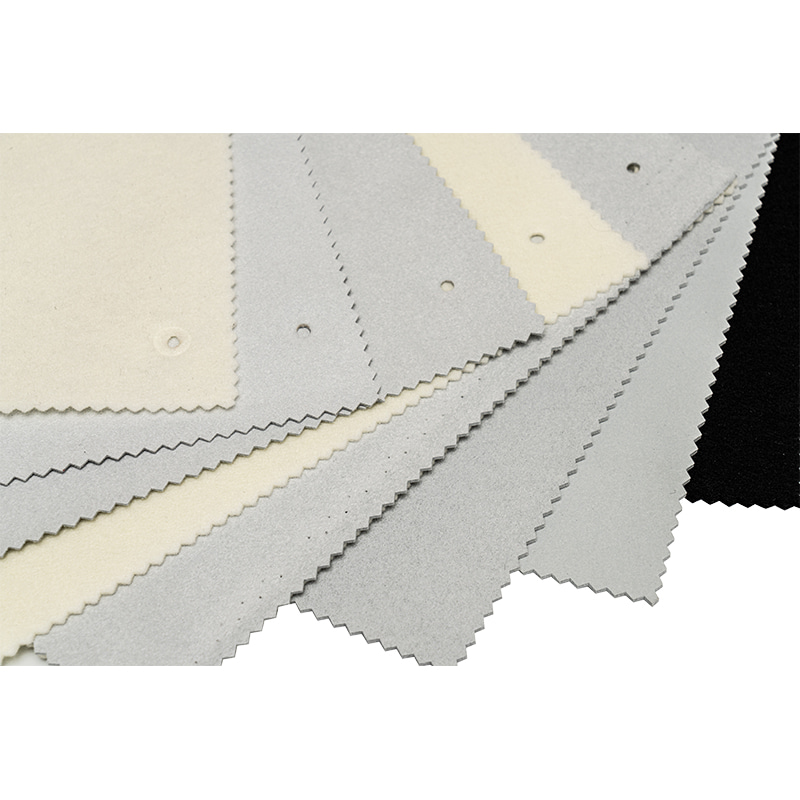
In the realm of high-performance synthetic fibers and advanced textiles, Sea-Island Fiber is often referred to as the “masterpiece of fiber engineering.” Its unique composite spinning technology mimics the geographical distribution of islands in a sea: one polymer (the Island phase) is dispersed as ...
READ MORE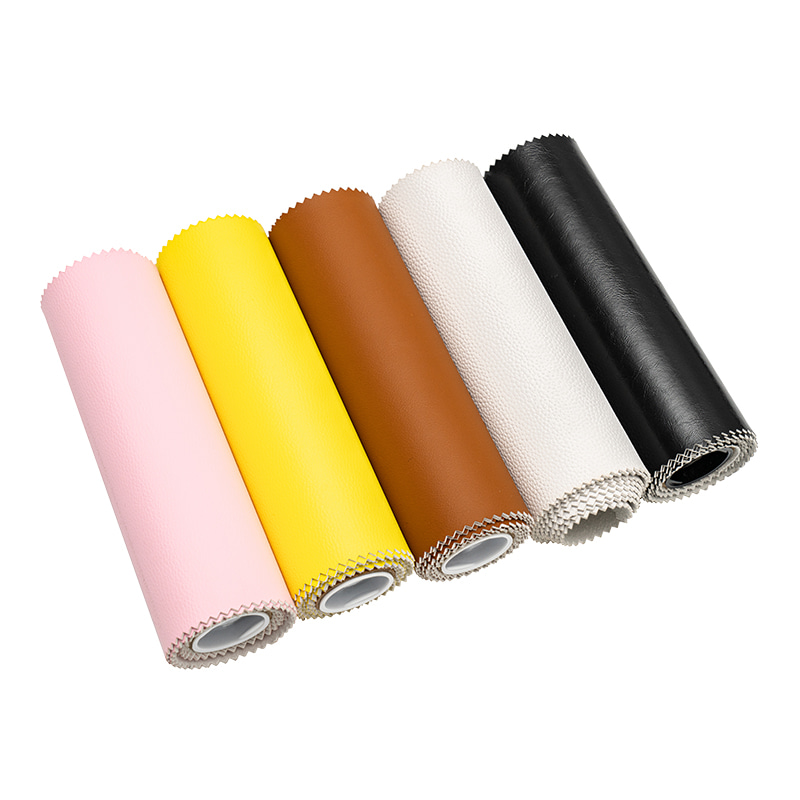
Introduction to Water-Soluble Sea-Island Fiber What is Water-Soluble Sea-Island Fiber? Water-soluble sea-islan...
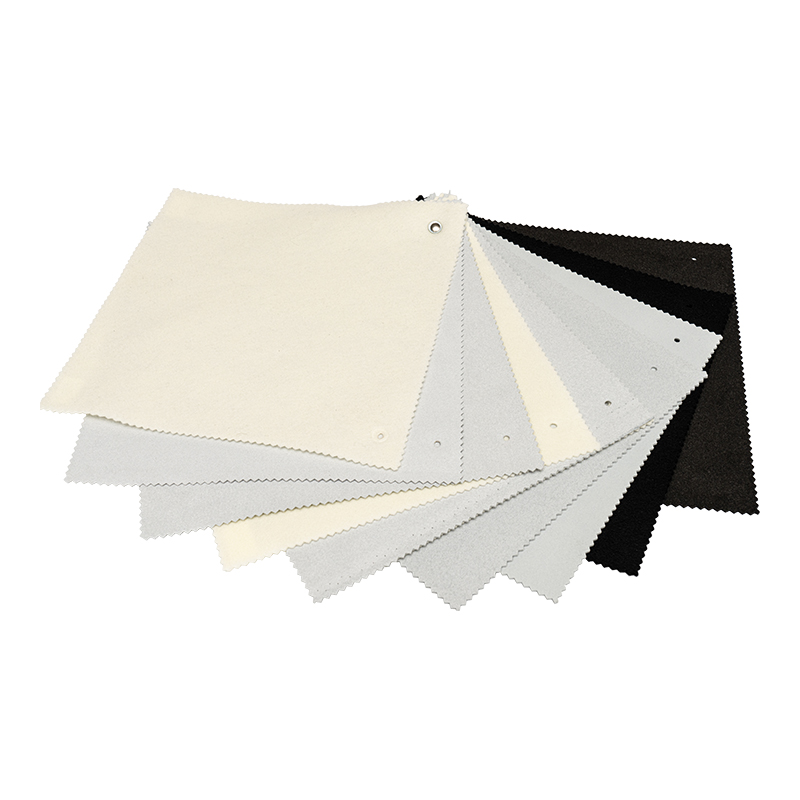
What is Water-Soluble Island-in-the-Sea Fiber? Water-Soluble Sea-Island Fiber is a breakthrough material in th...
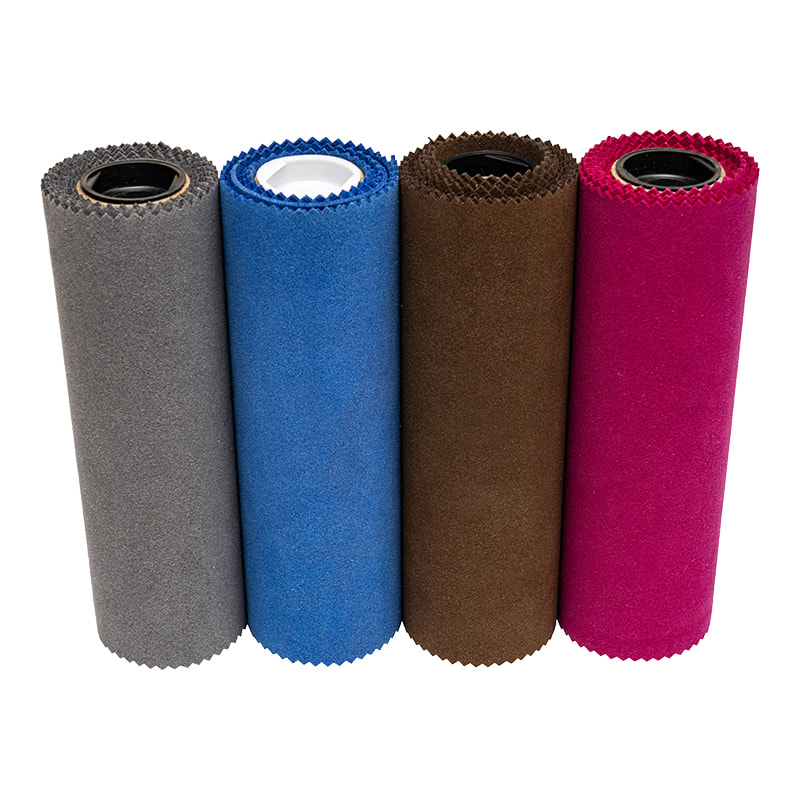
Introduction of Water-Force Microfiber Fabric What is Microfiber Fabric? Microfiber fabric is a type of textil...
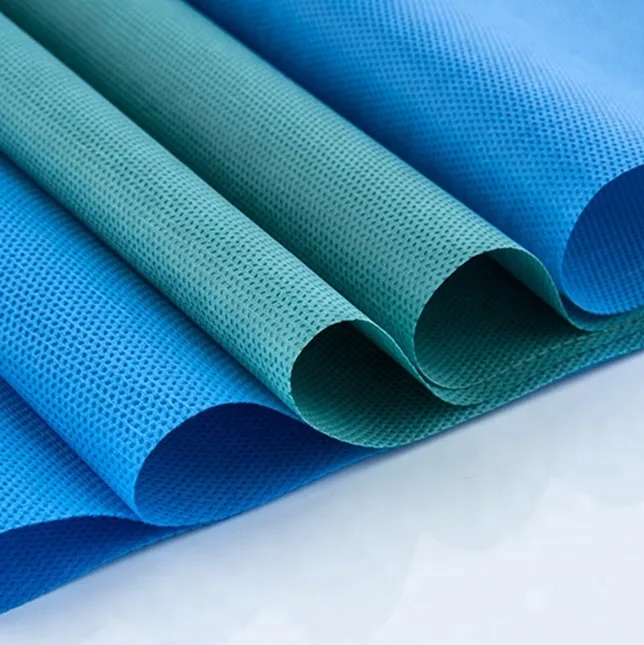
Introduction Water-soluble sea-island fiber nonwoven fabric is a groundbreaking innovation in the textile indu...
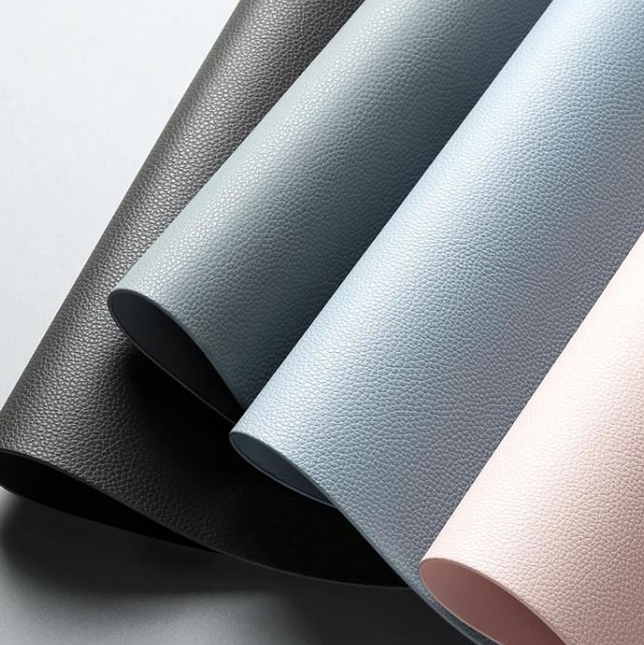
What is Water-Soluble Sea-Island Fiber? Definition and Basic Structure Water-soluble sea-island fiber is a spe...
LEMONTA Technology (ShangHai) Co., Ltd. All Rights Reserved. ALL RESERVED.
 Custom Bio-Based Water-Soluble Polyester Fiber Manufacturers
 英语
英语 中文简体
中文简体