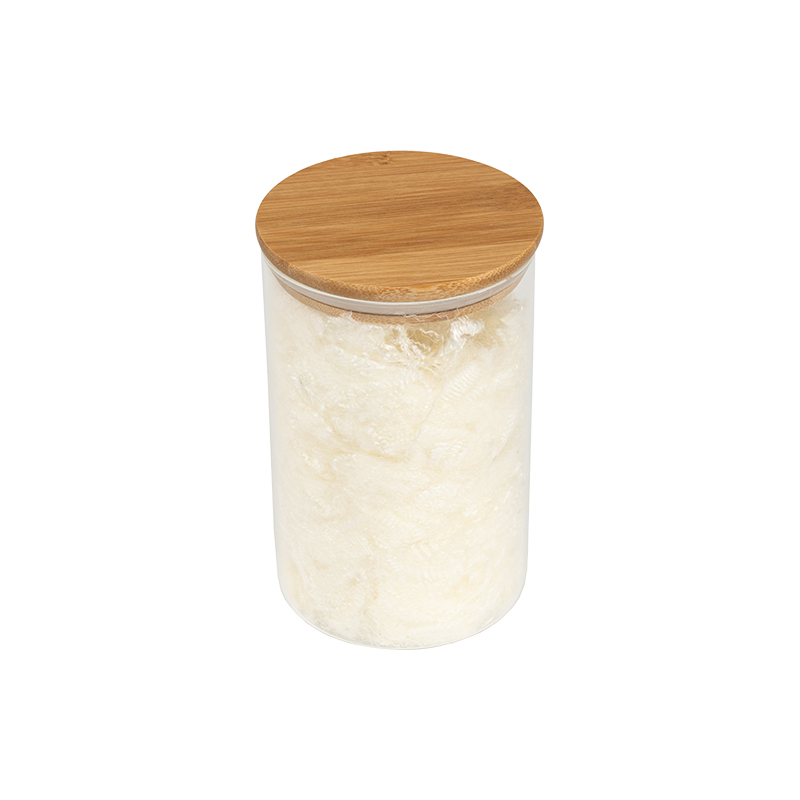
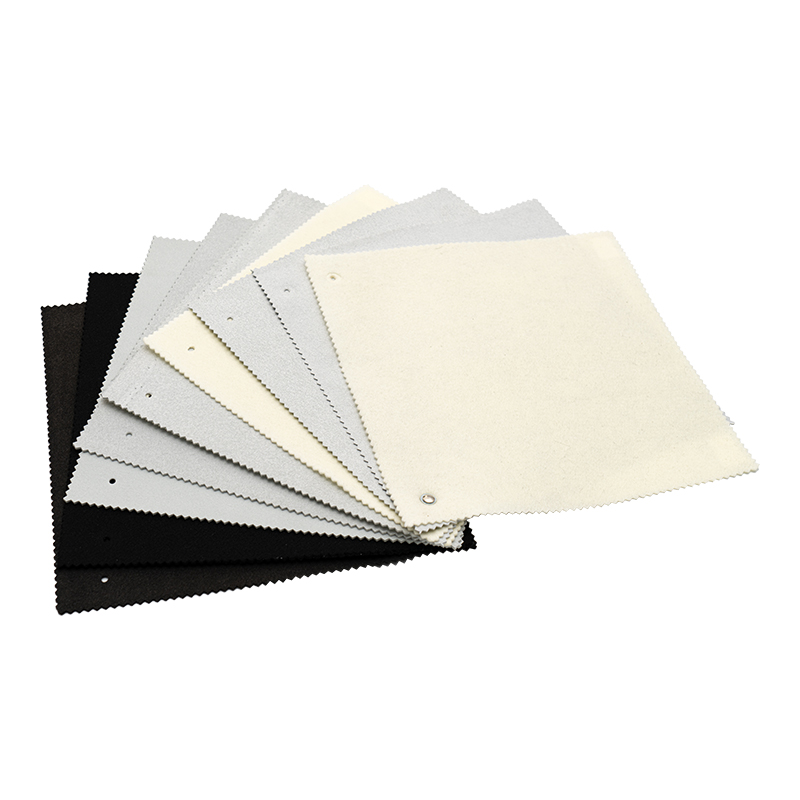
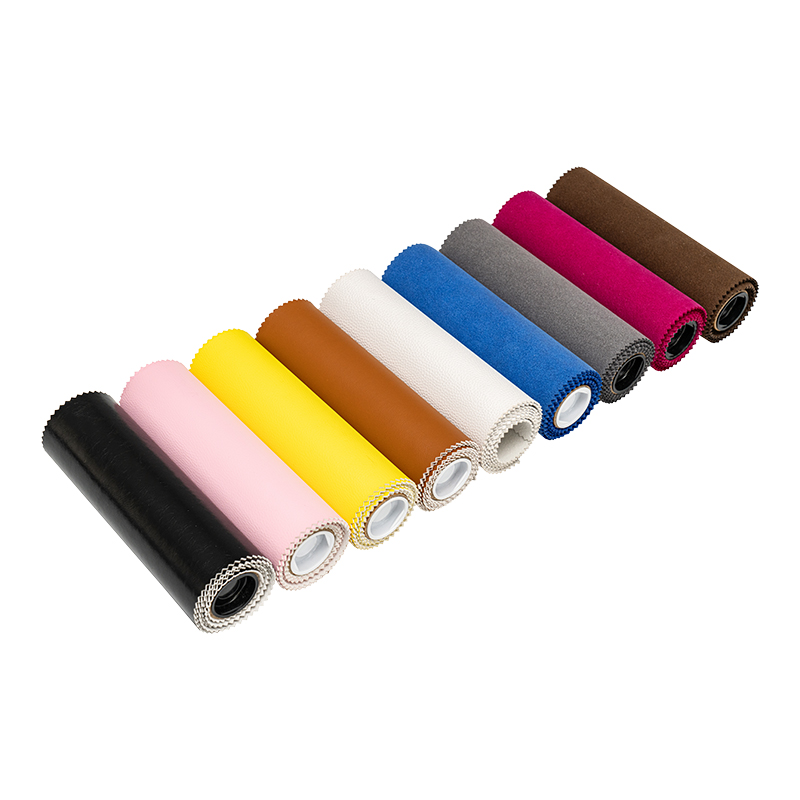
In the realm of high-performance synthetic fibers and advanced textiles, Sea-Island Fiber is often referred to as the “masterpiece of fiber engineering.” Its unique composite spinning technology mimics the geographical distribution of islands in a sea: one polymer (the Island phase) is dispersed as extremely fine filaments within another polymer (the Sea phase). The precision of this structure not only dictates the material’s physical properties but also directly determines the market positioning of the final product.
The original intent of designing Sea-Island fibers was to overcome the physical bottleneck where single-component fibers could not be drawn infinitely thin. In the nonwoven manufacturing process, the sea-island architecture serves as both a “protector” and a “catalyst.”
Traditional melt-blown or spunbond technologies have physical limits regarding fiber fineness, typically reaching only a few microns. Sea-Island fibers, through multi-island distribution (such as 24-island, 37-island, or even thousands of islands), compress the “island” diameter to 0.1 to 0.001 Denier. This extreme fineness grants the nonwoven fabric unprecedented softness and a delicate hand-feel.
During the mechanical bonding of nonwovens—such as needle-punching or hydroentangling—individual ultra-fine fibers are highly susceptible to breakage. The water-soluble “Sea” component (usually modified PVA or co-polyester) wraps around the “Island” fibers, increasing the stiffness and diameter of the monofilament. This allows the fiber to withstand high-speed mechanical stress without damage. Superior quality Sea-Island fibers require the interfacial bonding between the sea and island to be perfectly balanced: stable during processing but easy to separate during the weight-reduction (opening) stage.
Once the water-soluble sea phase is removed, the specific surface area of the fiber increases geometrically. This means the material’s adsorption capacity for liquids (such as oils, water, and solvents) is significantly enhanced. For precision wiping cloths or filtration media, this structure translates to higher filtration efficiency and lower pressure drops.
The core competitiveness of water-soluble Sea-Island nonwoven fabrics lies in the “opening” or “splitting” process. If the sea-island structure is poorly designed, it leads to a cascade of quality issues in downstream production.
Currently, high-quality Sea-Island fibers predominantly use water-soluble Polyvinyl Alcohol (PVA) or modified polyester as the sea phase. The key lies in the controllability of dissolution. At specific hot water temperatures, the sea phase dissolves rapidly, leaving behind pure “Island” components (usually PA Nylon or PET Polyester).
The quality of the sea-island structure is also reflected in the spatial distribution of the “islands” across the cross-section. If the islands are unevenly distributed or “fused” (two islands sticking together), the resulting fiber bundles will be inconsistent in thickness, leading to uneven tensile strength in the nonwoven fabric.
| Performance Metric | Standard Microfiber (Splittable Type) | Water-Soluble Sea-Island Fiber | Quality Advantage |
|---|---|---|---|
| Fiber Fineness (D) | 0.1 - 0.3 | 0.001 - 0.05 | Ultimate softness and touch |
| Cross-section Shape | Orange-peel (Triangular) | True round or specialized shapes | Better wear resistance & anti-pilling |
| Opening Rate | 80% - 90% | > 99% | No hard residue; excellent dyeing |
| Applications | Basic wipes, low-end apparel | Synthetic suede, high-end filtration | Higher value-add |
Sea-Island nonwoven fabric is more than just a raw material; it is the key to enhancing the competitiveness of end-products. Its structural advantages have been proven across multiple high-end markets.
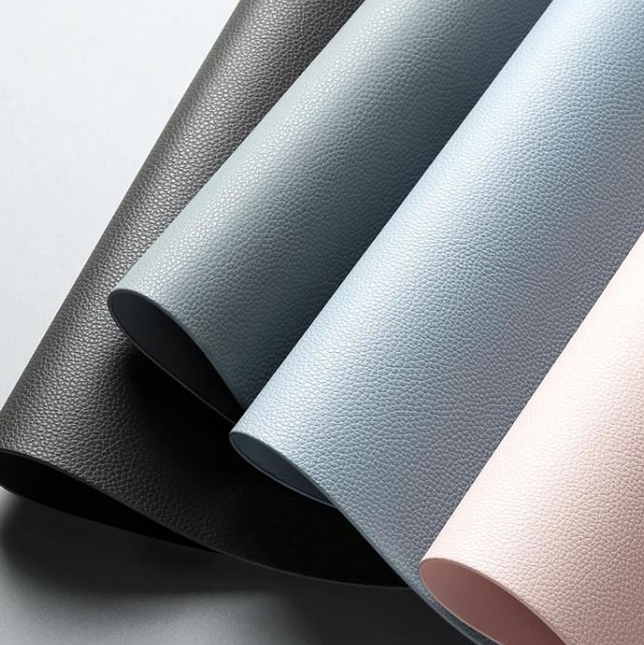
In the manufacturing of Microfiber Leather, Sea-Island nonwoven fabric is an irreplaceable base material. By impregnating the fabric with polyurethane (PU) and removing the sea component, a microporous structure is formed that closely mimics the collagen fiber structure of natural leather.
In fields like semiconductors and optical instruments, even microscopic dust can lead to product failure. Sea-Island nonwoven fabrics, due to their high porosity and ultra-fine diameters, can capture sub-micron particles.
For manufacturers, choosing a stable water-soluble Sea-Island fiber means a higher First Pass Yield (FPY). If fibers are unevenly dyed due to sea phase residue (dye spots), it results in significant resource waste. A high-quality structure ensures that chemical agents penetrate evenly, achieving stable color saturation and fastness.
Q1: Why must a water-soluble component be used as the “Sea”?
A: Using water-soluble components (like PVA) is the most environmentally friendly and physically gentle way to open fibers. Compared to traditional alkali-reduction (which uses strong bases to dissolve polyester), the water-dissolution method causes almost no damage to the “Island” fiber strength and allows for more precise process control.
Q2: Is a higher number of “Islands” always better?
A: Not necessarily. While more islands result in finer fibers, it also increases production difficulty and cost. For different applications (e.g., wiping cloths vs. synthetic suede), one must balance fiber fineness with mechanical strength, choosing the most appropriate island count (such as 37-island or 64-island).
Q3: How do I judge the “opening” quality of Sea-Island nonwovens?
A: Quality is typically assessed through tactile testing (checking for hard cores), microscopic cross-section observation (checking for unseparated island bundles), and dyeing tests (checking for white spots or color variance).
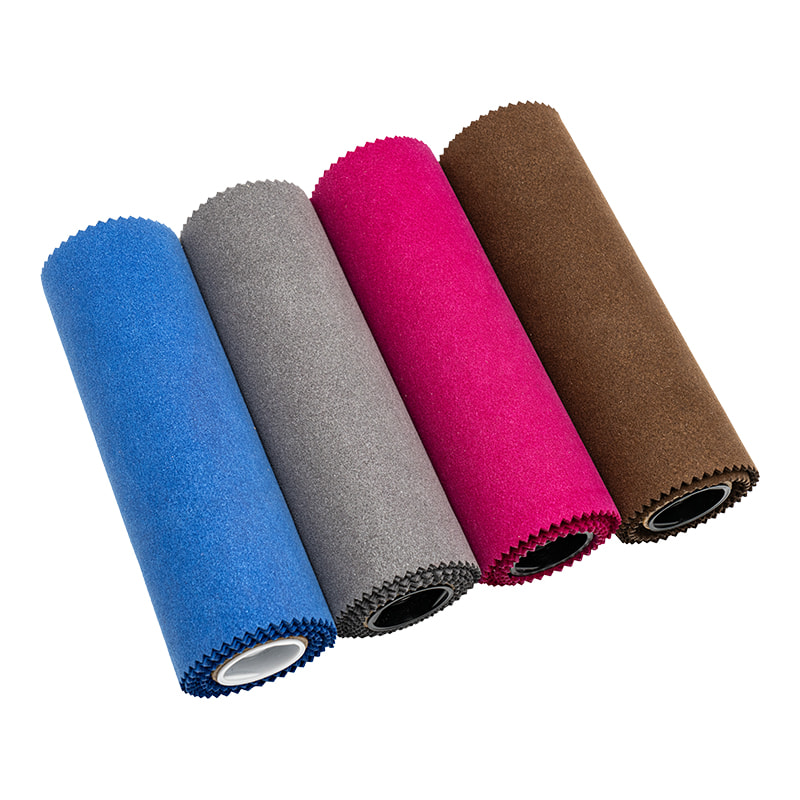
In the rapidly evolving landscape of high-performance materials, the rise of the Water-Force Microfiber Base marks a paradigm shift from “chemical processing” to “green engineering.” For manufacturers in the automotive, footwear, and luxury furniture sectors, the ultimate question has moved beyond e...
READ MORE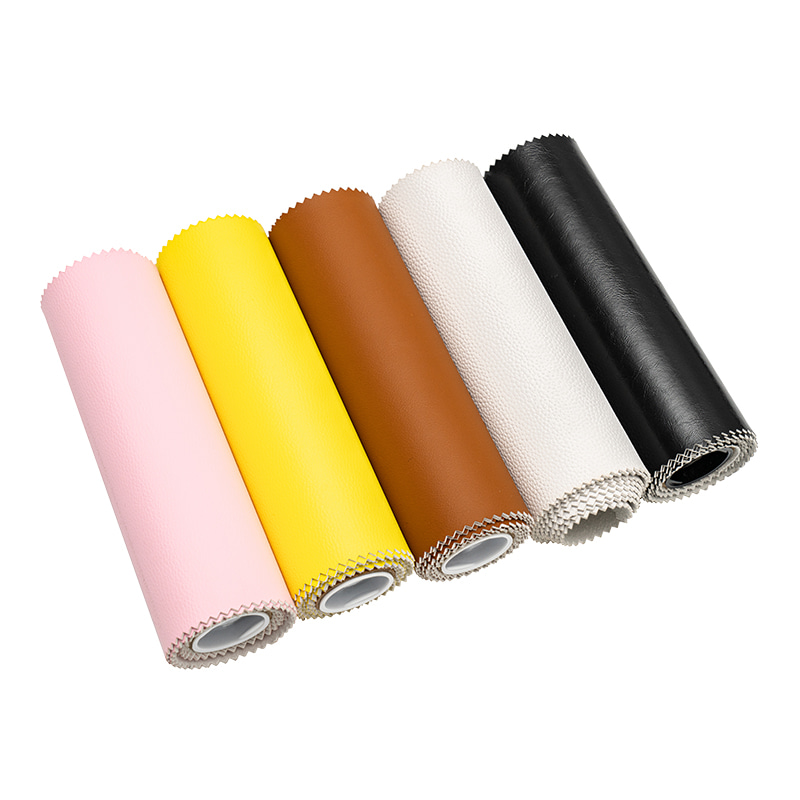
Introduction to Water-Soluble Sea-Island Fiber What is Water-Soluble Sea-Island Fiber? Water-soluble sea-islan...
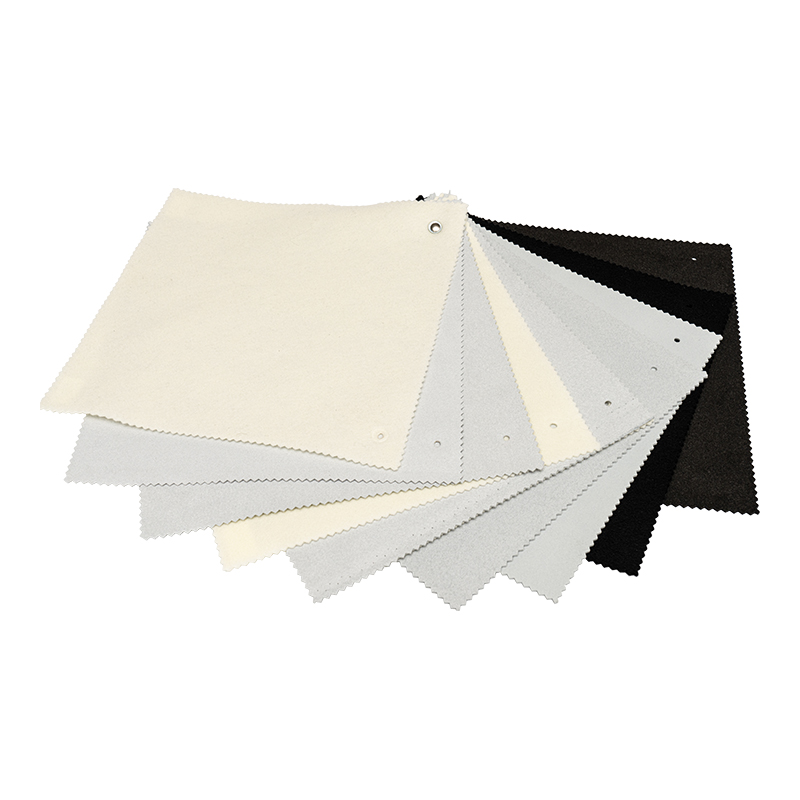
What is Water-Soluble Island-in-the-Sea Fiber? Water-Soluble Sea-Island Fiber is a breakthrough material in th...
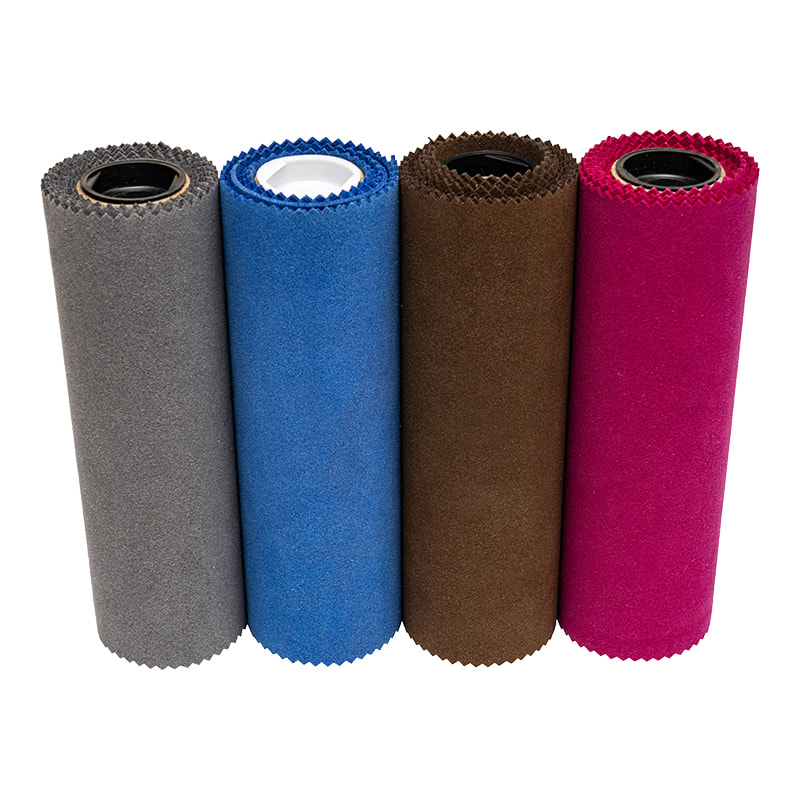
Introduction of Water-Force Microfiber Fabric What is Microfiber Fabric? Microfiber fabric is a type of textil...
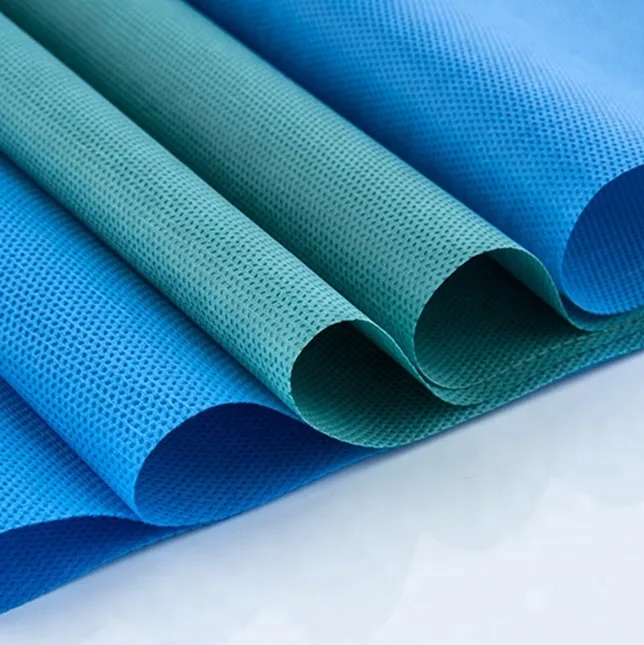
Introduction Water-soluble sea-island fiber nonwoven fabric is a groundbreaking innovation in the textile indu...
What is Water-Soluble Sea-Island Fiber? Definition and Basic Structure Water-soluble sea-island fiber is a spe...
LEMONTA Technology (ShangHai) Co., Ltd. All Rights Reserved. ALL RESERVED.
 Custom Bio-Based Water-Soluble Polyester Fiber Manufacturers
 英语
英语 中文简体
中文简体