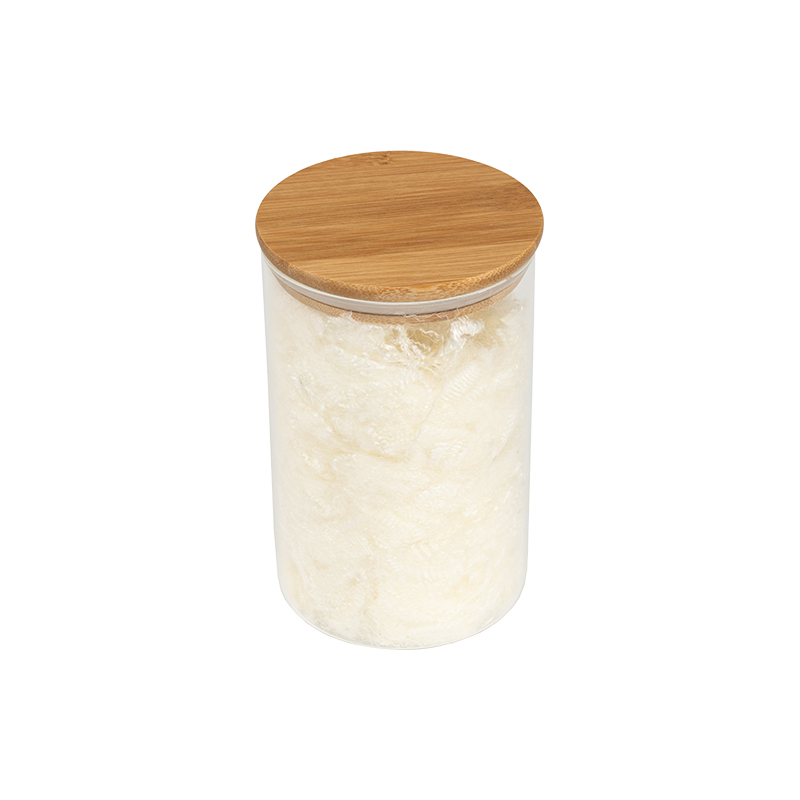
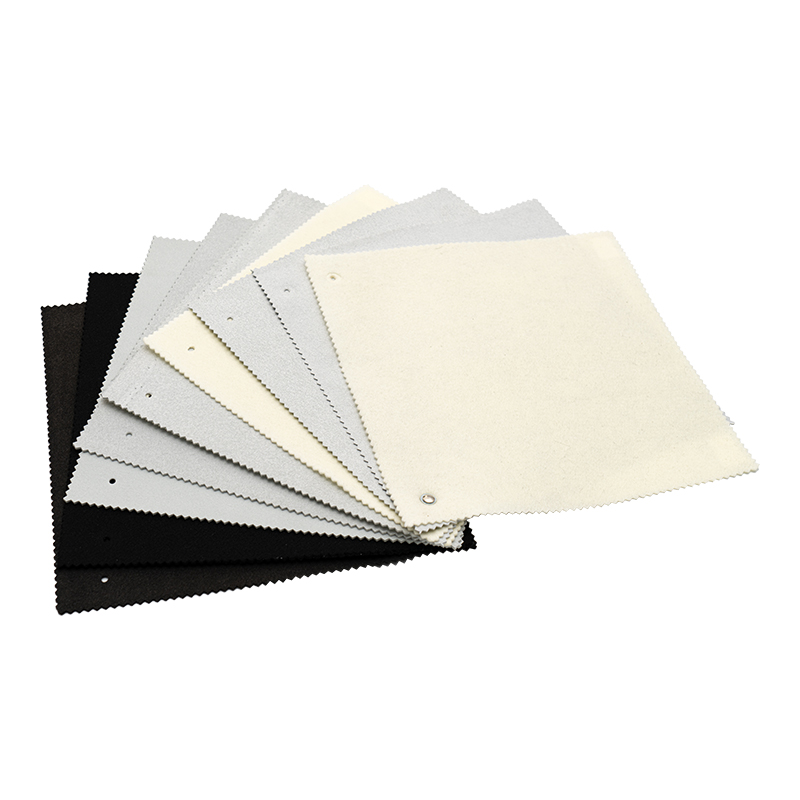
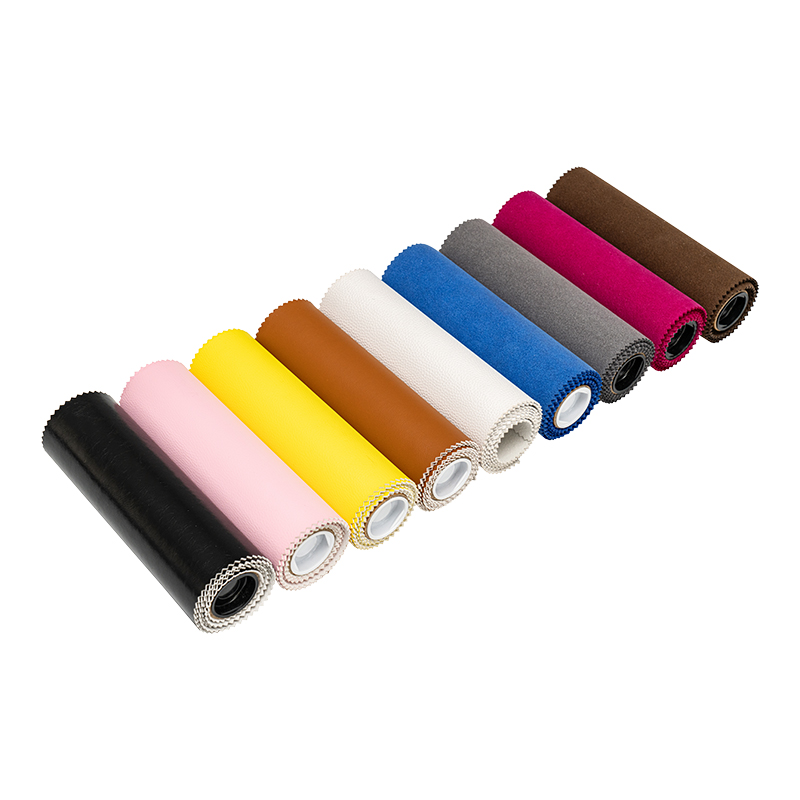
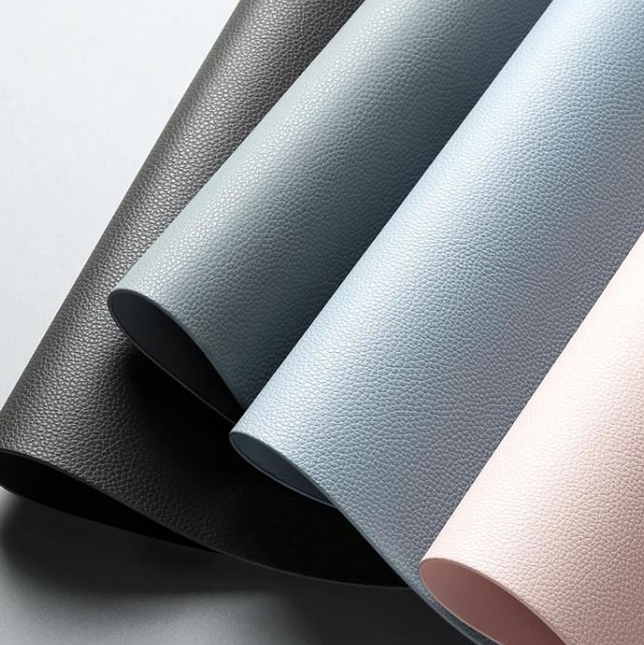
To clean and maintain this advanced material effectively, one must first understand its unique “green” DNA. A Water-Force Microfiber Base represents the pinnacle of sustainable synthetic leather technology. Unlike traditional microfiber that relies on Dimethylformamide (DMF) and other harsh chemical solvents during the coagulation process, the water-force variant is engineered using high-performance aqueous polyurethane (PU) dispersions.
At a microscopic level, this base is composed of a three-dimensional non-woven network of ultra-fine sea-island fibers. These fibers are bundled together to mimic the natural collagen structure of genuine bovine leather. During production, the water-borne resin permeates these fibers, creating a matrix that is both breathable and incredibly resilient.
Because no toxic solvents are used, the chemical bonds in a Water-Force Microfiber Base are more stable when exposed to common household cleaners. However, this purity also means the material is more sensitive to “chemical shocks” from heavy-duty industrial degreasers. The goal of maintenance is to preserve the delicate balance between the ultra-fine fibers and the water-force polymer coating, ensuring the material retains its luxurious “hand-feel” for decades.
Whether applied in automotive upholstery, premium footwear, or luxury furniture, a systematic cleaning routine is essential. Following a “dry-to-wet” hierarchy ensures that you do not accidentally grind surface pollutants deeper into the porous microstructure of the microfiber base.
The first line of defense is always dry cleaning. Use a soft-bristled brush or a high-powered vacuum with a specialized upholstery attachment. This step is crucial because sand and dust particles act as micro-abrasives. If you apply liquid directly to a dusty surface, you create a “grinding paste” that can prematurely wear down the surface finish.
For 90% of maintenance needs, a slightly damp, lint-free microfiber cloth is sufficient. Use distilled water if possible, as it prevents mineral buildup in the fiber pores. Wipe in a gentle, circular motion. This simple action lifts skin oils and light environmental pollutants without over-saturating the sustainable leather alternative.
When dealing with accidental spills, time is of the essence. The water-force microfiber base is inherently more stain-resistant than natural suede, but it is not invincible.
| Stain Type | Recommended Cleaning Agent | Action to Take |
|---|---|---|
| Water-Soluble (Coffee, Juice) | Mild pH-neutral soap & warm water | Blot gently; do not scrub or soak. |
| Oil-Based (Lotion, Grease) | 70% Isopropyl Alcohol (Diluted) | Light dab with a cotton swab; air dry. |
| Protein-Based (Sweat, Blood) | Cold water and enzyme cleaner | Apply sparingly; wipe with a cold damp cloth. |
Long-term care for a Water-Force Microfiber Base is a proactive endeavor. While this material is designed for high durability, environmental factors such as UV radiation, extreme temperature fluctuations, and humidity can impact its structural longevity if not managed correctly.
One of the most common mistakes in maintaining synthetic materials is the application of direct heat. Never use a hair dryer or an iron on microfiber base products. High heat can cause the ultra-fine thermoplastic fibers to “glaze” or melt, leading to a permanent hardening of the texture. Always allow the material to air dry naturally in a well-ventilated space, away from direct sunlight or radiators.
Over years of heavy friction—such as on a car seat or office chair—the fine fibers on the surface may become flattened or matted. To revive the original velvet-like texture, use a dedicated suede brush. Brushing in multiple directions helps to “reset” the nap, maintaining the high-end aesthetic that defines premium water-force synthetics.
Since microfiber can generate static electricity in dry climates, it may attract more dust than natural materials. Using a specialized anti-static spray designed for eco-friendly synthetic leather can significantly reduce the frequency of cleaning required, keeping the surface looking pristine between deep-clean cycles.
From a lifecycle cost perspective, switching to a Water-Force Microfiber Base provides significant advantages for both manufacturers and end-users. The maintenance ROI is exceptionally high because the material is engineered to be “user-friendly” throughout its service life.
Traditional solvent-based PU leathers often suffer from “hydrolysis”—a chemical reaction where moisture causes the coating to flake and peel. Because water-force technology is born in an aqueous environment, the resulting polymers are inherently more stable in humid conditions. This makes it the preferred choice for marine upholstery and tropical climates.
Unlike genuine leather, which is porous and can absorb bacteria and odors into its deep layers, the microfiber base acts as a consistent barrier. It is much easier to sanitize, making it ideal for the “new normal” in public transportation and healthcare settings where frequent disinfection is mandatory.
1. Is water-force microfiber base the same as “Alcantara” or “Ultrasuede”?
While they share similar ultra-fine fiber technology, “Water-Force” specifically refers to the eco-friendly polyurethane bonding process that eliminates toxic solvents like DMF, making it a more sustainable and skin-friendly choice.
2. Can I use leather conditioners on this material?
No. Leather conditioners are designed to penetrate animal hides with oils. A microfiber base does not need these oils; in fact, they can clog the pores and create a “tacky” surface that attracts more dirt.
3. How do I remove a “permanent” ink stain?
For ink, a small amount of diluted rubbing alcohol is usually effective. However, always test on a hidden area first to ensure the pigment of the microfiber doesn’t bleed.
In the specialized field of advanced textile materials, Water-Soluble Sea-Island Fiber represents the pinnacle of bicomponent composite spinning technology. it is the core engine for producing microfibers, widely used in the manufacturing of high-end synthetic suede, high-density industrial filter m...
READ MORE
Introduction to Water-Soluble Sea-Island Fiber What is Water-Soluble Sea-Island Fiber? Water-soluble sea-islan...
What is Water-Soluble Island-in-the-Sea Fiber? Water-Soluble Sea-Island Fiber is a breakthrough material in th...
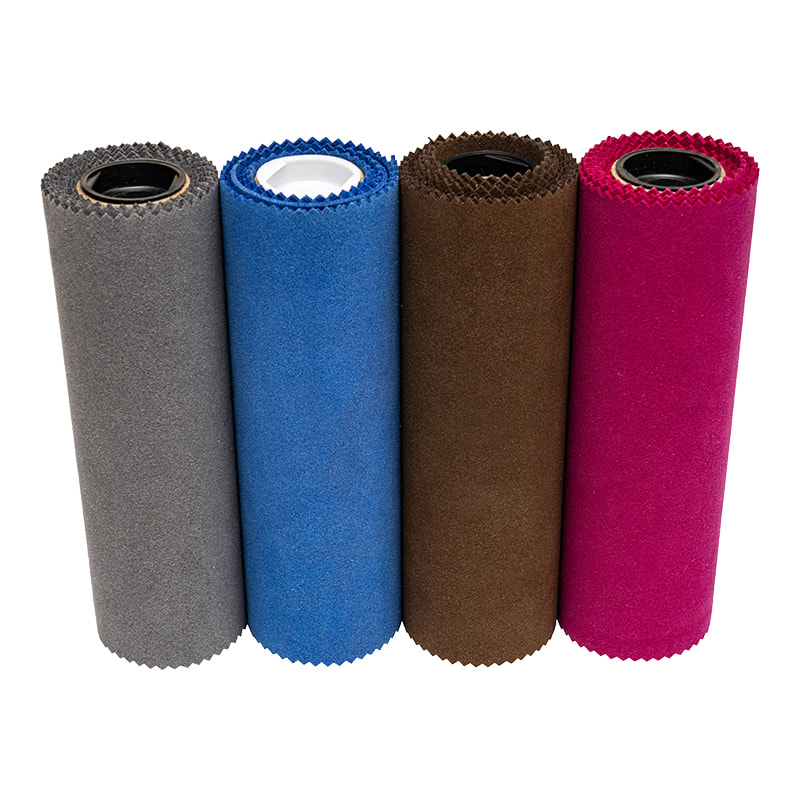
Introduction of Water-Force Microfiber Fabric What is Microfiber Fabric? Microfiber fabric is a type of textil...
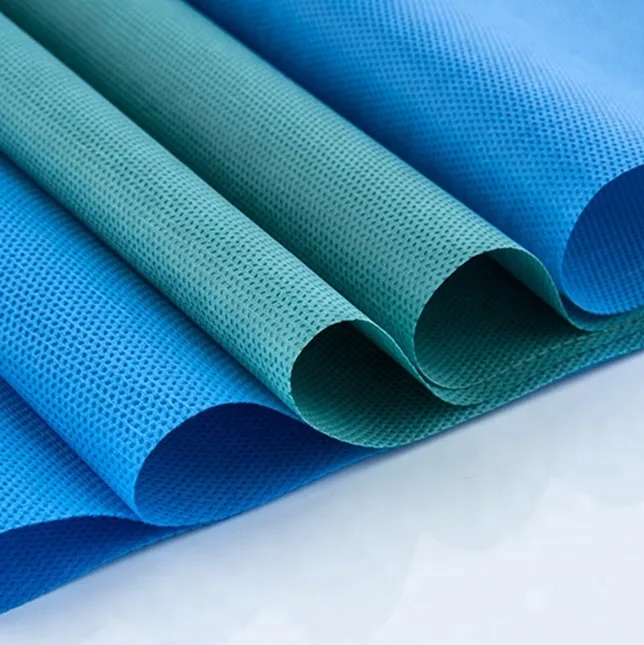
Introduction Water-soluble sea-island fiber nonwoven fabric is a groundbreaking innovation in the textile indu...
What is Water-Soluble Sea-Island Fiber? Definition and Basic Structure Water-soluble sea-island fiber is a spe...
LEMONTA Technology (ShangHai) Co., Ltd. All Rights Reserved. ALL RESERVED.
 Custom Bio-Based Water-Soluble Polyester Fiber Manufacturers
 英语
英语 中文简体
中文简体