While carbon emissions and environmental protection are no longer the core concerns, arable land utilization and production efficiency have become the key drivers for the development of water-force microfiber.
The development of water-force microfiber addresses issues including carbon emissions, environmental pollution and consumer health. More fundamentally, it safeguards industrial security, protects arable land and ensures food security.
According to statistics from the Food and Agriculture Organization of the United Nations, grazing lands account for a quarter of the world’s continental area. One-third of global crops are used to raise livestock for meat and milk production — a figure that has risen by 70% over the past century, and pastoral areas keep expanding today.
It is urgent to curb the occupation of arable land by animal husbandry. This article compares water-force microfiber and natural leather in terms of land consumption.
I. A Major Shift in the Leather Industry
A sweeping transformation is underway in the leather sector, pitting water-force microfiber against natural leather. While many still uphold the traditional value of natural cowhide, the water-force microfiber industry has outperformed traditional livestock-based leather making in land efficiency, large-scale production and eco-friendliness. It has redefined high-end synthetic leather.
II. Huge Disparity in Resource Consumption for the Same Production Capacity
1. Water-force Microfiber: 700 Mu of Factory Space for an Annual Output of 70 Million Square Meters
A post-processing lamination plant covering 200 mu can produce 70 million square meters of water-force microfiber every year. This material is fully applicable to all scenarios where natural leather is used, including footwear, apparel, automotive interiors, 3C accessories and outdoor gear. With continuous technological upgrades, water-force microfiber has become a full-fledged alternative to traditional cowhide, boasting better overall physical properties and durability.
2. Natural Cowhide: 30 Million Head of Cattle as a Heavy Resource Burden
Producing 70 million square meters of natural cowhide comes at an enormous cost of agricultural resources. Industry calculations show that manufacturing 70 million square meters of cowhide requires 15 million finished cattle. Given that beef cattle have a natural growth cycle of 20 to 24 months, a permanent herd of 30 million cattle must be maintained to ensure a steady supply of raw materials. Such a large cattle herd places a massive burden on the environment.
Some claim that cattle are raised primarily for meat rather than leather, so the leather industry is not to blame for excessive land use. This is a misconception. A single raw cowhide weighs nearly 30 kilograms, 30% of which is high-quality animal protein. There are multiple ways to recycle these by-products into the food chain, instead of feeding them into leather production. Moreover, modern industry already has superior alternatives.
III. Resource Dilemmas Facing Traditional Cattle Breeding
1. Free-range Raising: Severe Waste of Pasture Resources
Per global sustainable grazing standards, each head of cattle needs 1.5 to 2 mu of high-quality pasture to grow healthily without damaging the grassland ecosystem. To raise 30 million cattle, 45 million to 60 million mu of natural pasture is required.
These vast grasslands are exclusively used for cattle breeding, leaving no room for grain cultivation, urban construction or industrial development, resulting in extremely low land utilization. In addition, free-range farming is highly dependent on weather. Output is vulnerable to droughts, floods, extreme weather, livestock diseases and seasonal changes, making standardized, large-scale and stable production impossible.
2. Intensive Breeding: Massive Land Occupation with Unsolvable Drawbacks
Even with modern intensive breeding that minimizes cattle activity space, each beef cattle still occupies over 10 square meters of land when accounting for barns, passageways, feed storage and sewage treatment facilities. For 30 million cattle, the total land area exceeds 300 million square meters, equivalent to 45,000 mu. This does not include additional land for feed crop plantations, forage warehouses, epidemic prevention facilities, manure treatment sites and staff living quarters.
More importantly, the natural growth cycle of cattle cannot be shortened despite advanced breeding techniques. Production capacity is inherently capped. Meanwhile, intensive farming faces high risks of livestock diseases, breeding losses and inconsistent product quality — flaws that can never be fully eliminated.
IV. Stark Contrast: Industrial Land vs. Agricultural and Pastoral Land
|
Comparison Dimension |
Water-force Microfiber Industry |
Natural Cowhide & Animal Husbandry |
|
Land Requirement |
Only 200 mu of factory buildings |
Minimum 45,000 mu for breeding land; up to 60 million mu for pasture |
|
Production Cycle |
Non-stop mass production all year round |
Restricted by natural growth cycles; unstable output |
|
Production Capacity |
Long-term stable output |
Large output fluctuations |
|
Product Quality |
Standardized and consistent quality |
Uneven quality of hides |
|
Biological Resource Consumption |
Zero consumption of biological resources |
Heavy consumption of livestock, water and land resources |
|
Environmental Constraints |
Free from limits of climate and site conditions |
Severely restricted by seasons, pasture and weather |
The gap between 200 mu of industrial land and 60 million mu of pastoral land represents an overwhelming advantage of industrial civilization over traditional agriculture in production efficiency.
V. Water-force Microfiber: More Than Just a Material Substitute
The rise of water-force microfiber is far more than a simple material replacement. It marks an all-round innovation in resource utilization modes, production logic and green development concepts. Beyond outstanding land efficiency, it boasts unparalleled strengths compared with natural cowhide:
● No growth cycle constraints: Freed from livestock breeding limits, automated production lines can ramp up output on demand to meet surging global market needs.
● Zero resource waste: No occupation of massive agricultural and pastoral land, no excessive consumption of forage and water, greatly conserving ecological resources.
● Low carbon & eco-friendly: Adopting pure water production technology with zero DMF, it contains no harmful solvent residues and generates far fewer carbon emissions than leather making and animal husbandry.
● Superior performance: Features excellent yellowing resistance, tear resistance, waterproofness, air permeability and color fastness, outperforming natural cowhide in physical properties.
VI. Industry Outlook: WaterForce、WaterOnly!
The leather industry is stepping out of the era constrained by livestock resources and entering a new phase of flexible production powered by intelligent manufacturing. In the future, competition among materials will focus on production efficiency, environmental performance and sustainable development.
Replacing tens of millions of mu of pastoral land with just 200 mu of industrial land, water-force microfiber achieves a green future for high-end leather through superior industrial efficiency. This is the industrial power of water-force microfiber, and an inevitable trend of new materials replacing traditional raw materials.WaterForce、WaterOnly!
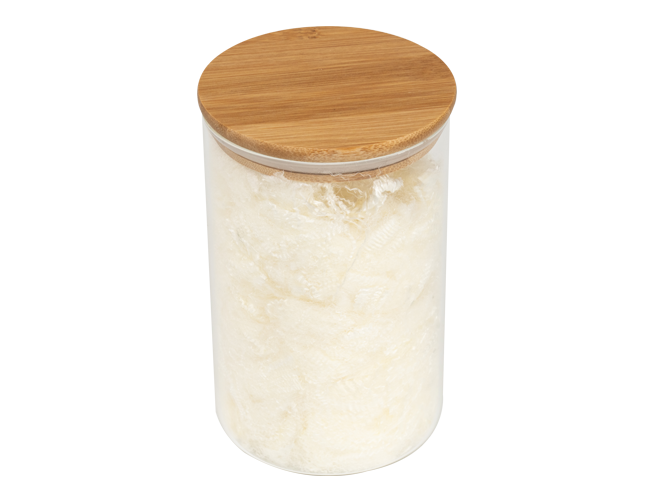
Water-Soluble Sea Island Fiber is a premium, engineered textile fiber that dissolves completely in water under controlled temperature conditions, leaving behind ultra-fine Sea Island cotton or bast fiber structures with zero chemical residue. In short: it enables fabric constructions that are imposs...
READ MORE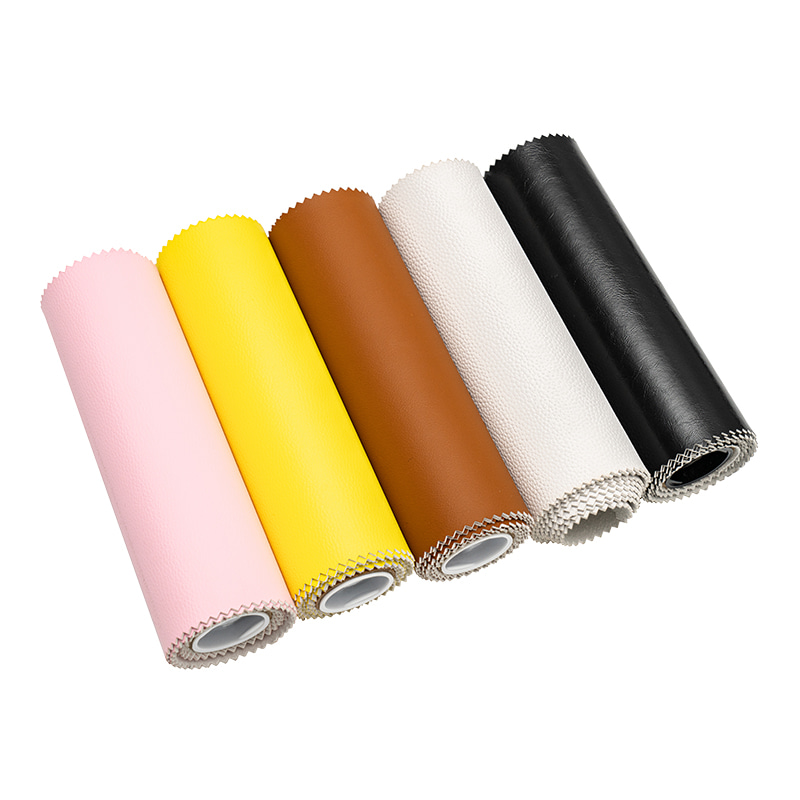
Introduction to Water-Soluble Sea-Island Fiber What is Water-Soluble Sea-Island Fiber? Water-soluble sea-islan...
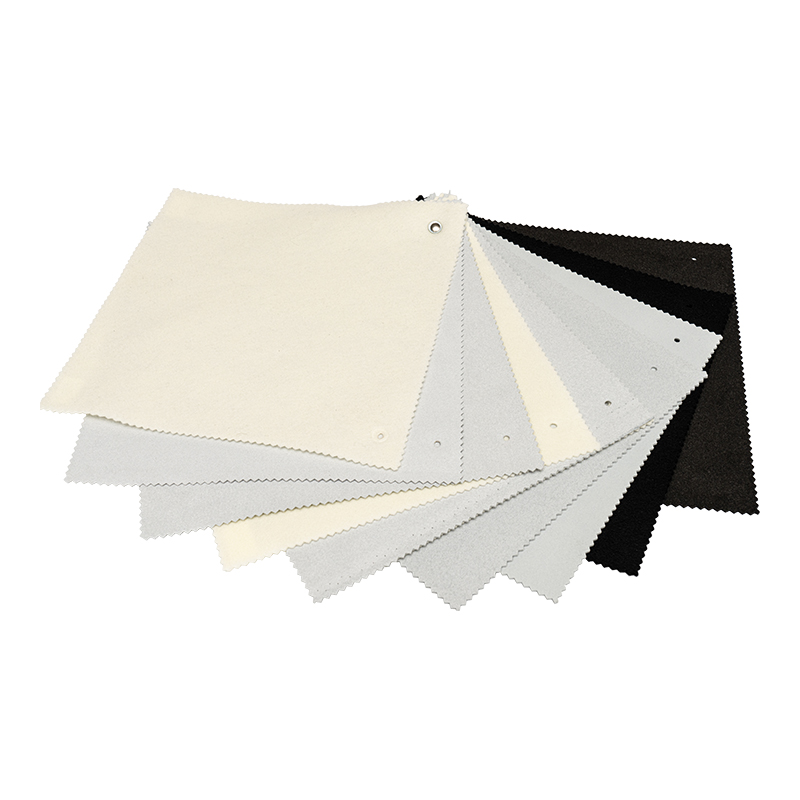
What is Water-Soluble Island-in-the-Sea Fiber? Water-Soluble Sea-Island Fiber is a breakthrough material in th...
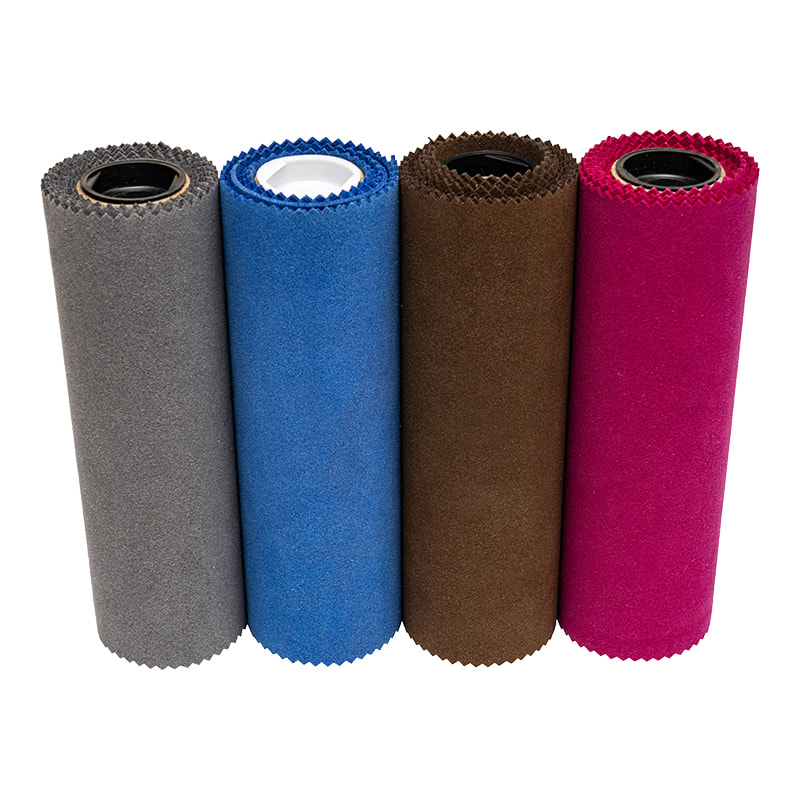
Introduction of Water-Force Microfiber Fabric What is Microfiber Fabric? Microfiber fabric is a type of textil...
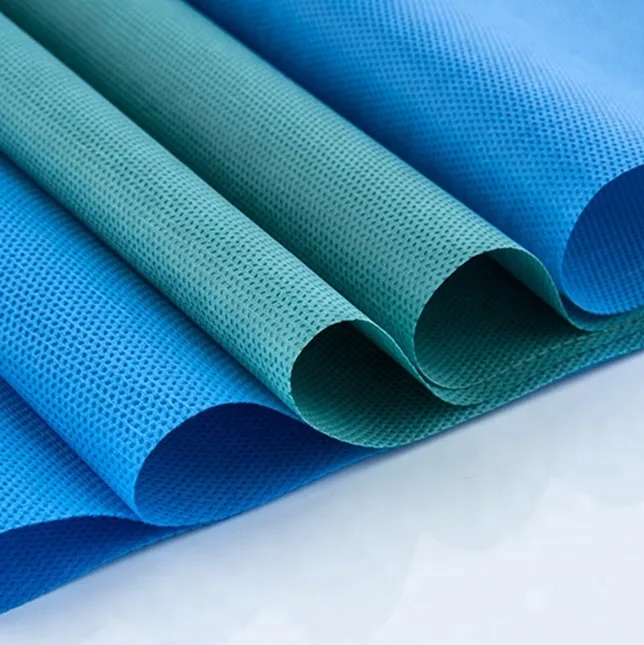
Introduction Water-soluble sea-island fiber nonwoven fabric is a groundbreaking innovation in the textile indu...
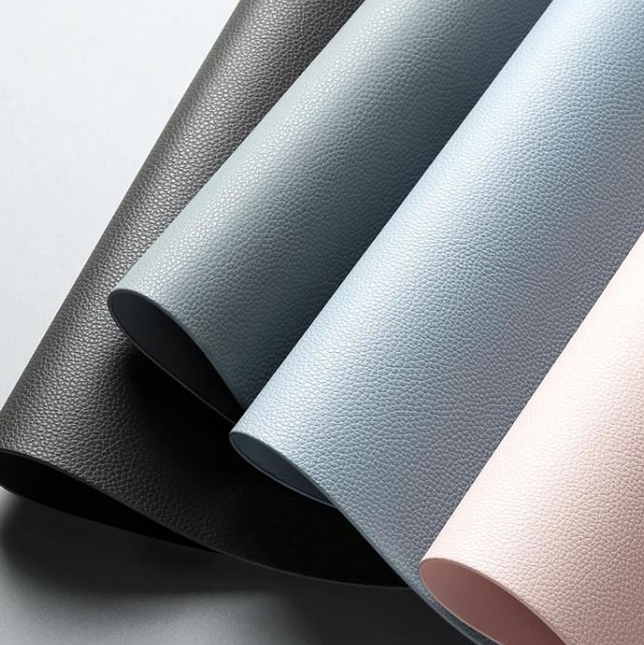
What is Water-Soluble Sea-Island Fiber? Definition and Basic Structure Water-soluble sea-island fiber is a spe...
LEMONTA Technology (ShangHai) Co., Ltd. All Rights Reserved. ALL RESERVED.
 Custom Bio-Based Water-Soluble Polyester Fiber Manufacturers
 英语
英语 中文简体
中文简体