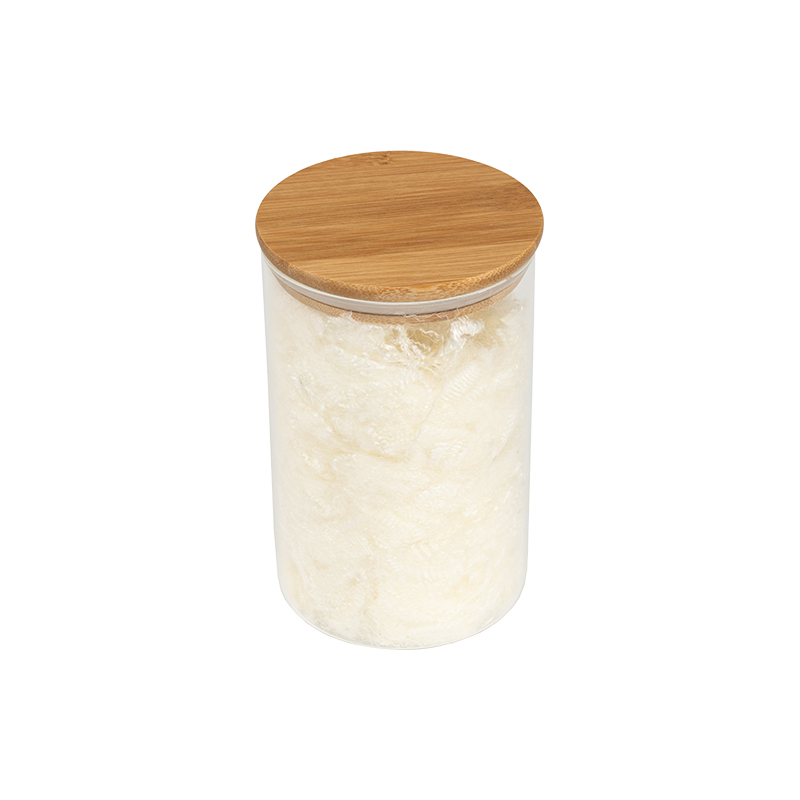
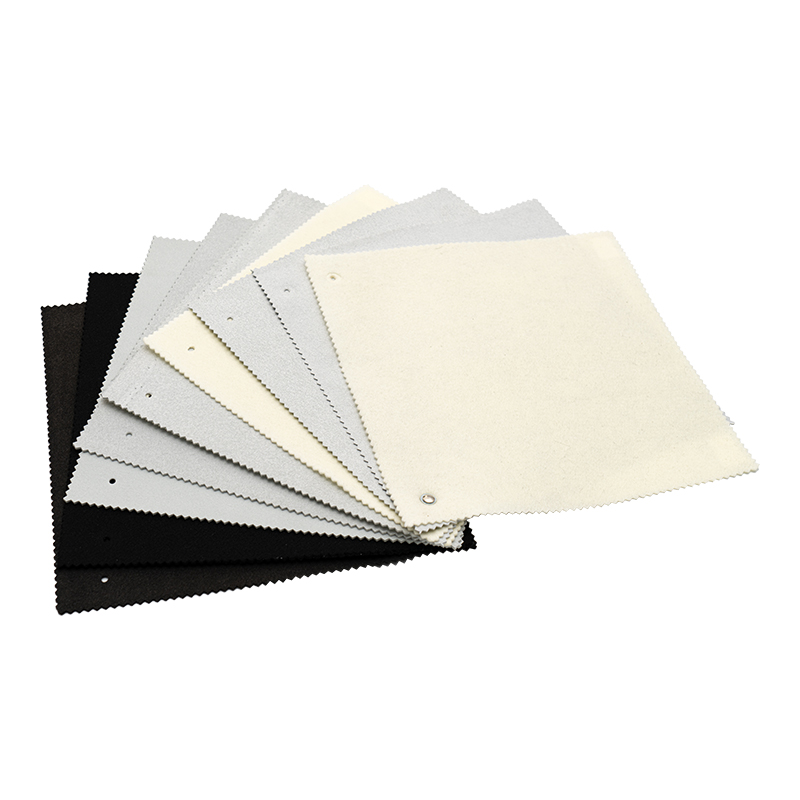
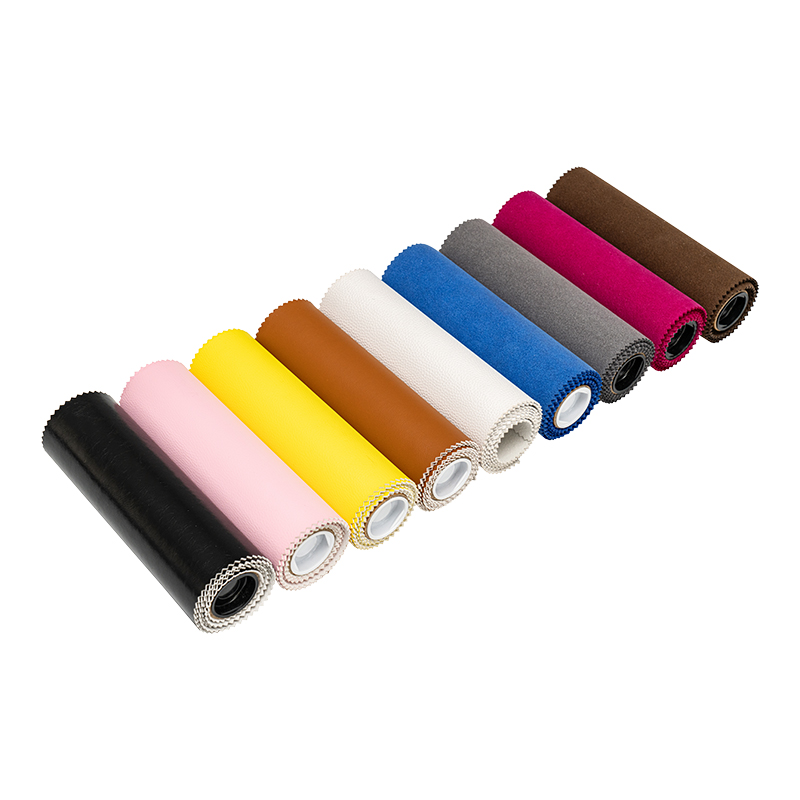
Water-Soluble Sea Island Fiber is a premium, engineered textile fiber that dissolves completely in water under controlled temperature conditions, leaving behind ultra-fine Sea Island cotton or bast fiber structures with zero chemical residue. In short: it enables fabric constructions that are impossible with conventional yarns, and it does so without the environmental toll of traditional fiber processing. For manufacturers and brands pursuing zero-waste production, high-performance sheer textiles, or next-generation sustainable sourcing, this fiber is no longer an experimental material — it is a production-ready solution.
Water-Soluble Sea Island Fiber is produced by combining Sea Island cotton or long-staple natural fiber with a water-soluble component — most commonly Polyvinyl Alcohol (PVA) fiber. PVA fiber dissolves in warm water (typically between 40°C and 90°C depending on grade), while the Sea Island fiber remains intact, forming an ultra-fine, high-luster yarn structure.
Sea Island cotton itself is one of the rarest natural fibers in the world. It originates from the Gossypium barbadense species and is primarily grown in the Caribbean, parts of South America, and select regions of the American Southeast. Its staple length typically ranges from 38 mm to over 44 mm — far exceeding standard Upland cotton (25–32 mm) — which gives finished fabrics exceptional softness, silkiness, and tensile strength.
When the water-soluble component is removed post-weaving or post-knitting, the remaining Sea Island fiber forms structures with counts reaching 200 Nm to 300 Nm or finer — thread counts that are physically impossible to spin and handle as standalone yarns.
Understanding the manufacturing workflow clarifies why this fiber unlocks otherwise unachievable fabric structures:
The result is a fabric with physical characteristics — softness, drape, transparency — that no other current fiber technology can replicate at comparable production scale.
Because the PVA provides structural support during spinning and processing, manufacturers can achieve yarn counts that would otherwise be mechanically impossible. Fabrics produced with Water-Soluble Sea Island Fiber routinely achieve thread counts exceeding 800 threads per inch (TPI), producing a hand feel comparable to fine silk — but with the breathability and natural origin of premium cotton.
Unlike mercerization, resin finishing, or enzyme treatments used to achieve smoothness in conventional cotton, the dissolution of PVA is purely physical — no hazardous chemicals remain on the fiber. This makes it suitable for skin-contact applications including medical textiles, luxury childrenswear, and dermatologically sensitive products.
PVA is biodegradable under standard aerobic wastewater treatment conditions. Studies from the textile industry indicate that PVA degrades by over 99% in activated sludge systems within 7 to 14 days. When facilities implement closed-loop water recovery, water consumption in the dissolution step can be reduced by up to 60–70% versus open-bath dyeing processes.
Unlike many next-generation sustainable fibers that require specialized spinning or weaving infrastructure, Water-Soluble Sea Island Fiber composite yarns run on conventional ring-spinning frames, air-jet looms, and circular knitting machines without modification. This dramatically lowers the barrier to adoption for established mills.
By varying the PVA-to-Sea Island fiber ratio and dissolving selectively — either partially or fully — designers can engineer fabrics with gradient opacity, dimensional textures, and open-weave architectures that are structurally locked in place without adhesives or heat-bonding.
| Property | Water-Soluble Sea Island Fiber | Standard Sea Island Cotton | Fine Silk | Egyptian Cotton |
|---|---|---|---|---|
| Max Achievable Yarn Count | 200–300+ Nm | 80–120 Nm | N/A (filament) | 60–100 Nm |
| Chemical Processing Required | None (water only) | Mercerization typical | Degumming required | Mercerization typical |
| Biodegradability | High (PVA + natural fiber) | High | High | High |
| Skin Sensitivity Suitability | Excellent | Excellent | Good | Good |
| Standard Equipment Compatible | Yes | Yes | Yes | Yes |
| Structural Design Flexibility | Very High | Moderate | Moderate | Moderate |
The ability to produce gossamer-weight shirting, blouses, and linings at thread counts above 600 TPI makes Water-Soluble Sea Island Fiber the material of choice for top-tier fashion houses requiring fabrics that drape like silk but carry the provenance narrative of natural cotton. Several European atelier suppliers have adopted it for bespoke shirting programs priced above €500 per meter of finished cloth.
In medical applications, the fiber is used to produce:
Bedding manufacturers use Water-Soluble Sea Island Fiber to produce percale and sateen sheets with thread counts of 800–1,000 TPI that are genuinely structurally woven — not the padded thread count numbers achieved through multi-ply conventional yarns. Consumer testing data from premium bedding brands shows a 23–31% improvement in perceived softness scores versus comparable 600 TPI conventional long-staple cotton products.
At lower dissolution ratios, Water-Soluble Sea Island Fiber enables open-mesh, high-breathability panels with structural integrity far exceeding laser-cut or punched openwork. Athletic brands developing next-season natural-fiber performance ranges are actively prototyping with this material for base layers and competition garments.
Water-Soluble Sea Island Fiber's sustainability case rests on several measurable pillars:
Not all Water-Soluble Sea Island Fiber products on the market use authenticated Sea Island cotton. Buyers should verify:
The textile industry faces a structural challenge: consumers increasingly demand both luxury performance and verified sustainability, two attributes that conventional production methods have historically forced brands to trade off against each other. Water-Soluble Sea Island Fiber resolves this tension directly.
It achieves fabric performance metrics — fineness, hand, drape, transparency — that no other scalable natural-fiber technology currently matches. It does so through a process that is chemically clean, equipment-agnostic, and increasingly cost-competitive as PVA recovery systems become standard mill infrastructure. And it grounds that performance in Sea Island cotton, one of the most storied and traceable natural fibers in the world.
Industry analysts tracking the premium natural fiber segment project that demand for water-soluble fiber composite systems will grow at a CAGR of 8–11% through 2030, driven by regulatory pressure on synthetic microplastics and accelerating brand commitments to natural-fiber sourcing. For manufacturers and product developers evaluating their fiber strategy now, Water-Soluble Sea Island Fiber is not a future material — it is a present-day competitive differentiator.
—— Eight Core Superiorities of Water-Force Microfiber vs. Natural Leather As the global fashion industry embraces an animal-free shift and the EU REACH Regulation imposes strict restrictions on toluene and DMF solvents, leather bionic technology addresses a critical question: what defines premium le...
READ MORE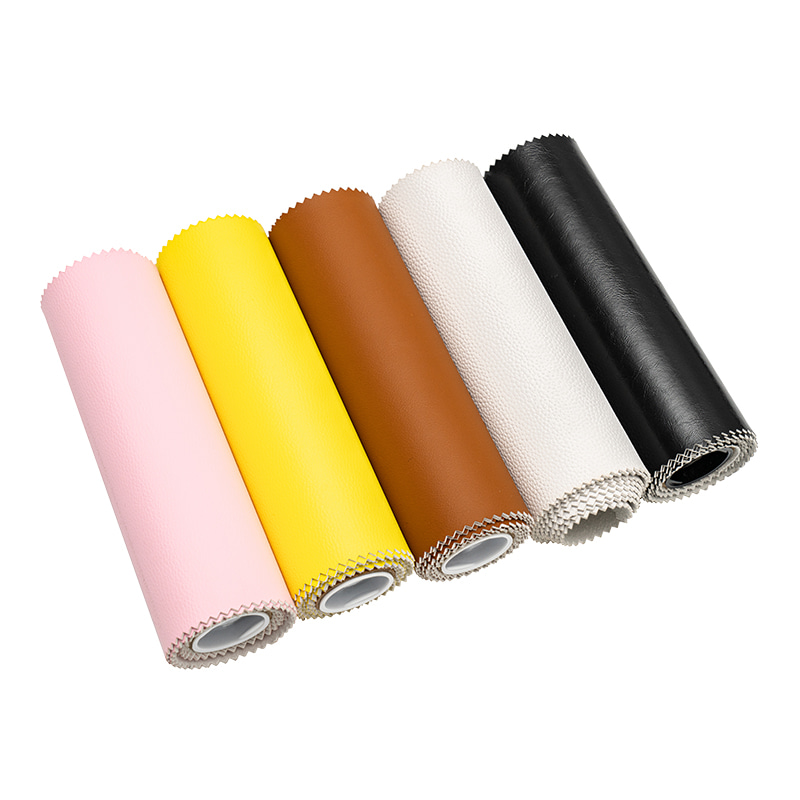
Introduction to Water-Soluble Sea-Island Fiber What is Water-Soluble Sea-Island Fiber? Water-soluble sea-islan...
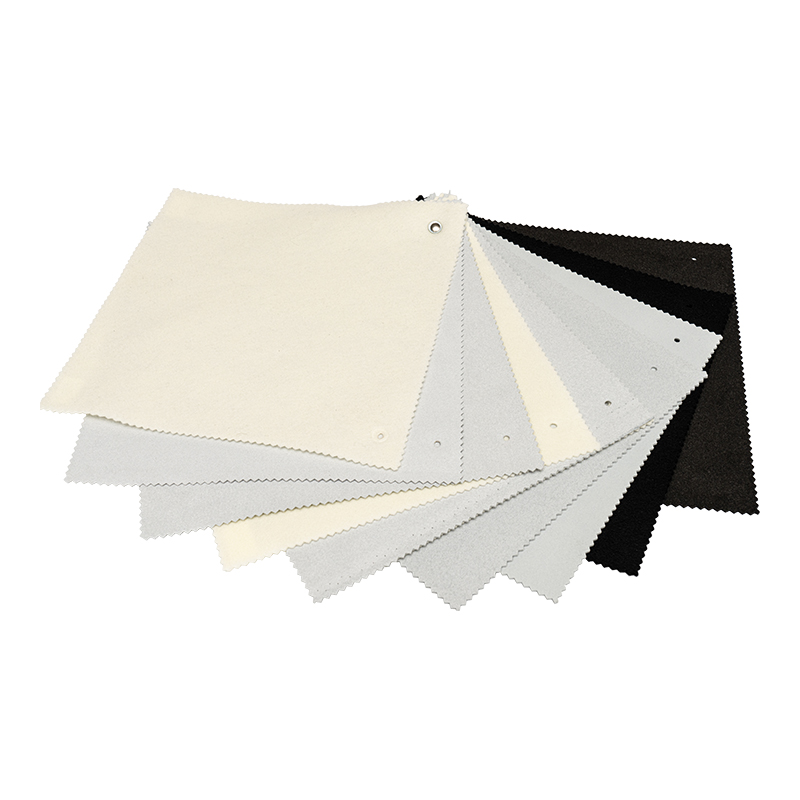
What is Water-Soluble Island-in-the-Sea Fiber? Water-Soluble Sea-Island Fiber is a breakthrough material in th...
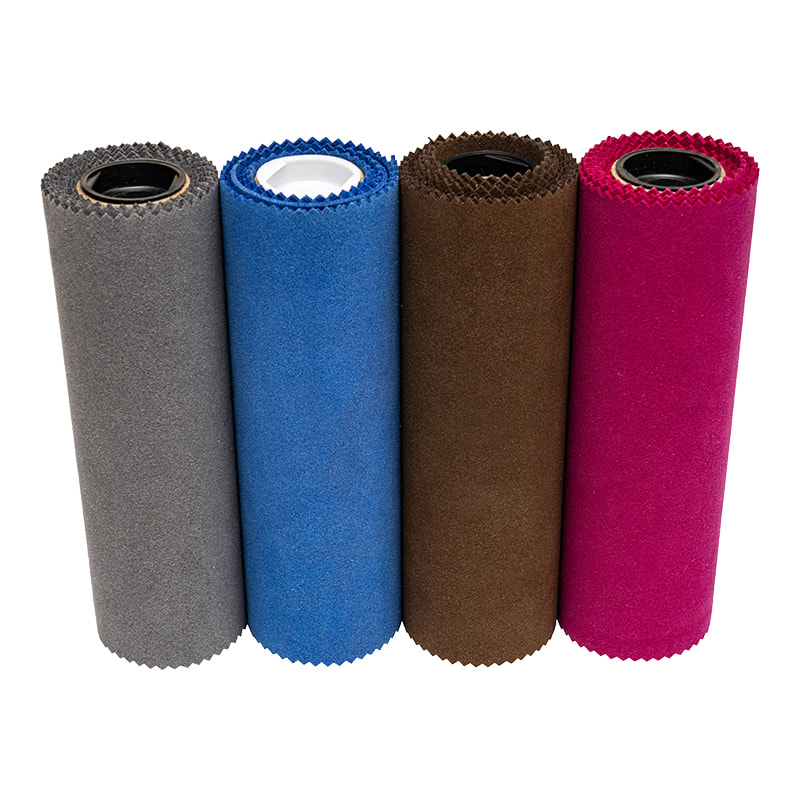
Introduction of Water-Force Microfiber Fabric What is Microfiber Fabric? Microfiber fabric is a type of textil...
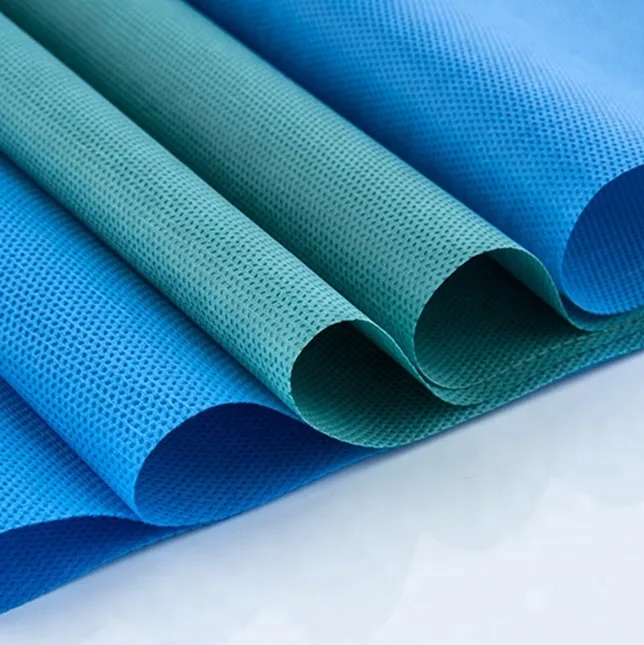
Introduction Water-soluble sea-island fiber nonwoven fabric is a groundbreaking innovation in the textile indu...
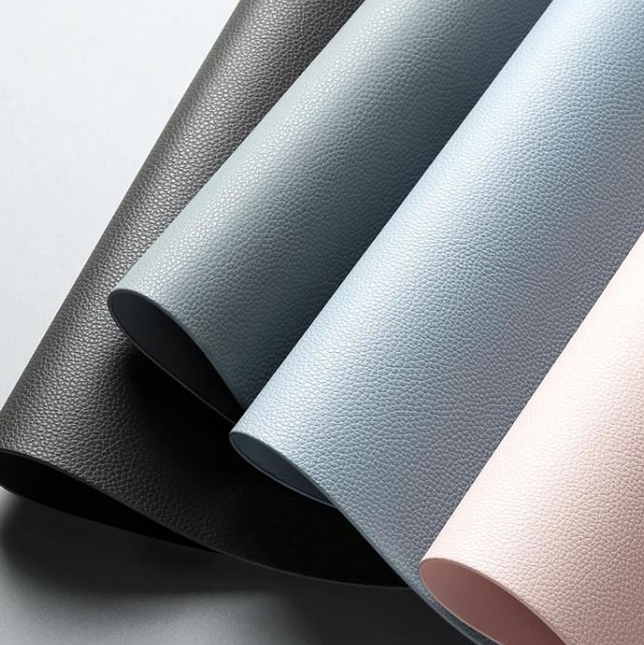
What is Water-Soluble Sea-Island Fiber? Definition and Basic Structure Water-soluble sea-island fiber is a spe...
LEMONTA Technology (ShangHai) Co., Ltd. All Rights Reserved. ALL RESERVED.
 Custom Bio-Based Water-Soluble Polyester Fiber Manufacturers
 英语
英语 中文简体
中文简体