Comprehensive Analysis Based on Simulation Fidelity, Functionality, Cost Efficiency and ESG Performance
1、What Is Microfiber Synthetic Leather, and Why Adopt a Four-Dimensional Evaluation Framework?
Microfiber synthetic leather (microfiber leather) is a high-performance composite material fabricated with island-in-sea microfiber nonwoven fabric as the substrate. The production process involves polyurethane impregnation, coagulation and fiber splitting treatment. Its fiber fineness can reach below 0.001 dtex, and its microscopic structure closely mimics the bundled collagen fibers of genuine leather.
The microfiber industry faces a core challenge: among 12 available process combinations, how to select the optimal solution?
Traditional process selection relies on empirical judgment and lacks systematic assessment. This paper constructs a weighted four-dimensional evaluation model covering simulation fidelity (35%), functionality (25%), cost efficiency (30%) and ESG performance (10). All 12 process combinations are scored one by one under this model, from which three mainstream process schemes are summarized, providing scientific references for microfiber product development and process selection.
Core Finding: Water splitting technology claims the top four overall rankings, delivering optimal performance across all four dimensions of simulation fidelity, functionality, cost efficiency and ESG, representing the future direction of microfiber manufacturing.
2 、Core Process Nodes That Determine Microfiber Quality
Microfiber process routes are combinations of three core process nodes, generating a total of 12 process permutations via a 2 × 3 × 2 matrix. The selection of each node directly shapes the four-dimensional performance of the final product.
Three Core Process Nodes: Island Component → Fiber Splitting Method → Impregnation Resin
Node 1: Island Component Particles
● Nylon 6 (PA6): Outstanding softness, abrasion resistance and dyeing performance; the most widely used island material at present. Its fiber fineness can reach 0.003 dtex, closest to genuine leather collagen fibers.
● Polyethylene Terephthalate (PET): High tensile strength, heat resistance and light fastness with relatively low raw material costs, yet inferior to Nylon 6 in softness.
Node 2: Fiber Splitting Method (Key Differentiator)
● Toluene Splitting: Mature technology, yet severe VOC emissions and occupational health hazards; ESG score: 25/100
● Alkali Splitting: Superior environmental performance vs. toluene splitting, yet strong alkali corrodes fiber surfaces and generates massive alkaline wastewater; ESG score: 70/100
● Water Splitting: Only hot water is used for dissolution, leaving zero chemical residues and zero fiber damage; the forward-looking technology of the industry; ESG score: 95/100
Node 3: Impregnation Resin
● Solvent-Based Resin: Uses DMF as solvent, delivers mature process and excellent mechanical properties, yet suffers from VOC emission issues.
● Waterborne Resin: Dispersed in water with zero VOC output. Its film-forming quality has approached that of solvent-based resin in recent years, with superior hydrolysis resistance.
3、Four-Dimensional Weighted Evaluation Model: A Scientific Methodology for Process Selection
As a substitute for genuine leather, microfiber’s core pursuit is to balance functionality, cost and environmental protection while highly replicating genuine leather texture. The weighted distribution of the four dimensions is defined as follows:
● Simulation Fidelity (35%): Fiber fineness, tactile softness, texture authenticity, flesh-like fullness
● Functionality (25%): Physical properties, chemical resistance, air permeability and moisture permeability for wearing comfort
● Cost Efficiency (30%): Raw material expenditure, equipment investment, energy consumption, environmental treatment costs, labor expenses
● ESG Performance (10%): VOC emissions, wastewater disposal, carbon footprint, chemical safety management
Overall Composite Score = Simulation Fidelity × 0.35 + Functionality × 0.25 + Cost Efficiency × 0.30 + ESG Performance × 0.10
Each dimension is scored on a 0–100 scale, with weighted calculation to generate the final composite score.
Radar Chart Comparison of Four Typical Process Routes
The radar chart clearly demonstrates that the most optimal solution (NWW, green line) excels across all dimensions, being the only one to achieve a score of 95 in the ESG dimension while maintaining balanced advantages in cost-effectiveness and simulation accuracy. In contrast, the traditional solvent-based process shows slight improvements in simulation accuracy and functionality but exhibits significant imbalance in the ESG dimension.
4、 Ranking Results of All 12 Process Combinations
All 12 microfiber process combinations were systematically scored via the four-dimensional weighted evaluation model. The results confirm that all top four rankings belong to water splitting processes, with significantly higher composite scores than other alternatives.
Composite Score Ranking of 12 Microfiber Process Combinations (Based on Four-Dimensional Weighted Model)
|
Rank |
Process Code |
Island Component |
Splitting Method |
Impregnation Resin |
Composite Score |
|
1 |
NWW◆◆ |
Nylon 6 |
Water Splitting |
Waterborne |
88.0 |
|
2 |
PWW◆◆ |
PET |
Water Splitting |
Waterborne |
83.6 |
|
3 |
NWS◆ |
Nylon 6 |
Water Splitting |
Solvent-Based |
78.4 |
|
4 |
PWS◆ |
PET |
Water Splitting |
Solvent-Based |
76.4 |
|
5 |
NAW |
Nylon 6 |
Alkali Splitting |
Waterborne |
71.8 |
|
6 |
NTW |
Nylon 6 |
Toluene Splitting |
Waterborne |
71.0 |
|
7 |
NTS |
Nylon 6 |
Toluene Splitting |
Solvent-Based |
68.4 |
|
8 |
PAW |
PET |
Alkali Splitting |
Waterborne |
66.5 |
|
9 |
NAS |
Nylon 6 |
Alkali Splitting |
Solvent-Based |
66.4 |
|
10 |
PTW |
PET |
Toluene Splitting |
Waterborne |
66.2 |
|
11 |
PTS |
PET |
Toluene Splitting |
Solvent-Based |
63.3 |
|
12 |
PAS |
PET |
Alkali Splitting |
Solvent-Based |
61.9 |
Key Insights:Water splitting processes (highlighted in green) occupy Ranks 1–4, with composite scores over 5 points higher than the 5th-ranked alkali splitting process. The highest-ranked traditional toluene splitting process only reaches Rank 7, dragged down drastically by its poor ESG performance. This quantitative outcome verifies the comprehensive strengths of water splitting technology.
5、 Three Customized Process Schemes for Diverse Application Scenarios
Derived from the composite ranking of all 12 combinations, three targeted schemes are formulated to support microfiber product development and brand strategic decision-making.
Scheme 1: Lowest-Carbon Scheme
Combination: Water Splitting + Solvent-Based ImpregnationRepresentative codes: NWS (Nylon 6), PWS (PET)
● Zero VOC emissions from water splitting, delivering the lowest carbon footprint among all 12 combinations
● Solvent-based impregnation retains mature film-forming technology and superior mechanical properties (breaking strength ≥180 N/cm, tear strength ≥90 N/3 cm)
● Eliminates expenses for solvent recovery and alkaline wastewater treatmentApplicable Scenarios: Automotive interiors, industrial supplies, high-performance fields
Scheme 2: Recommended Purest Scheme
Combination: Water Splitting + Waterborne ImpregnationRepresentative codes: NWW (Nylon 6), PWW (PET)
● Entire manufacturing process free of toluene, DMF and sodium hydroxide for clean production
● Top ESG score of 95/100 across all 12 processes
● Intact bundled fiber structure delivers tactile performance closest to genuine leather
● Compliant with strictest international eco-certifications including OEKO-TEX and REACHApplicable Scenarios: High-end apparel, maternal & infant products, medical and healthcare supplies
Scheme 3: Forward-Looking Luxury Premium Scheme
Combination: Bio-Based Raw Material + Water Splitting + Waterborne Impregnation (Ultimate Future Solution)Upgrades the Purest Scheme by replacing conventional island components with recyclable feedstock and standard impregnation resin with bio-based waterborne polyurethane
● Raw materials sourced from renewable resources (castor oil, corn starch, etc.)
● Full-chain green manufacturing from raw material extraction to production
● Premium natural, eco-friendly and sustainable attributes
● Meets luxury brands’ extreme requirements for environmental protection and social responsibilityApplicable Scenarios: Luxury fashion brands, sustainable fashion, high-end premium labels
6、 Why Water Splitting Represents a Revolutionary Process with Superior Performance Across All Four Dimensions
Five core advantages explain water splitting’s leading position in the four-dimensional evaluation system:
● Optimal Simulation Fidelity: No chemical residues or fiber corrosion damage; bundled fiber structures fully unfold, delivering softness closest to genuine leather.
● Optimal Functionality: Gentle splitting preserves strong fiber-resin interfacial bonding without blocking micropores, achieving exceptional air and moisture permeability.
● Optimal Cost Efficiency: Eliminates costs for solvent recovery, alkaline wastewater treatment and hazardous waste disposal. Splitting operates at only 80–100°C for minimal energy consumption.
● Optimal ESG Performance: Zero VOC emissions and zero hazardous chemicals; process water can be self-circulated to comply with the strictest global environmental regulations.
● Highest Future Scalability: Water splitting technology integrates seamlessly with bio-based raw materials, dope dyeing, nano functional modification and other innovative technologies, expanding applications to smart wearables, medical care and luxury goods. It serves as the core driving force for high-quality development of the microfiber industry.
Conclusion:
Microfiber base fabrics manufactured via water splitting technology will soon become the mainstream choice for numerous brands.
● NWW (Nylon 6 + Water Splitting + Waterborne Impregnation): Highest composite score under the four-dimensional weighted evaluation model.
One core technological thread runs through the three schemes: Lowest-Carbon Scheme → Purest Scheme → Luxury Premium Scheme. Water splitting technology leads the microfiber industry into a new era of high-quality development.
7、WaterForce、WaterOnly
Looking ahead, the ultra-fiber industry will accelerate its transition toward water-based formulations, environmental sustainability, and functional innovation. As a core driving force, water-soluble fiber technology will integrate deeply with innovative approaches such as bio-based raw materials, original liquid coloring techniques, and nano-functional modification, enabling widespread application of ultra-fiber products in emerging sectors including automotive interiors, high-end apparel, healthcare, smart wearables, and luxury goods.
Driven by the global wave of sustainable development, ultra-fiber produced using the water-based fiber spinning process is poised to become the industry's mainstream choice, ushering the ultra-fiber sector into a new phase of high-quality growth.
Direct Answer: The Core Difference Is the Hydro-Entanglement Process Water-force microfiber fabric — also known as spunlace or hydroentangled microfiber — is bonded using high-pressure water jets instead of needles, heat, or chemical adhesives. This process fires fine water streams at pressures up ...
READ MORE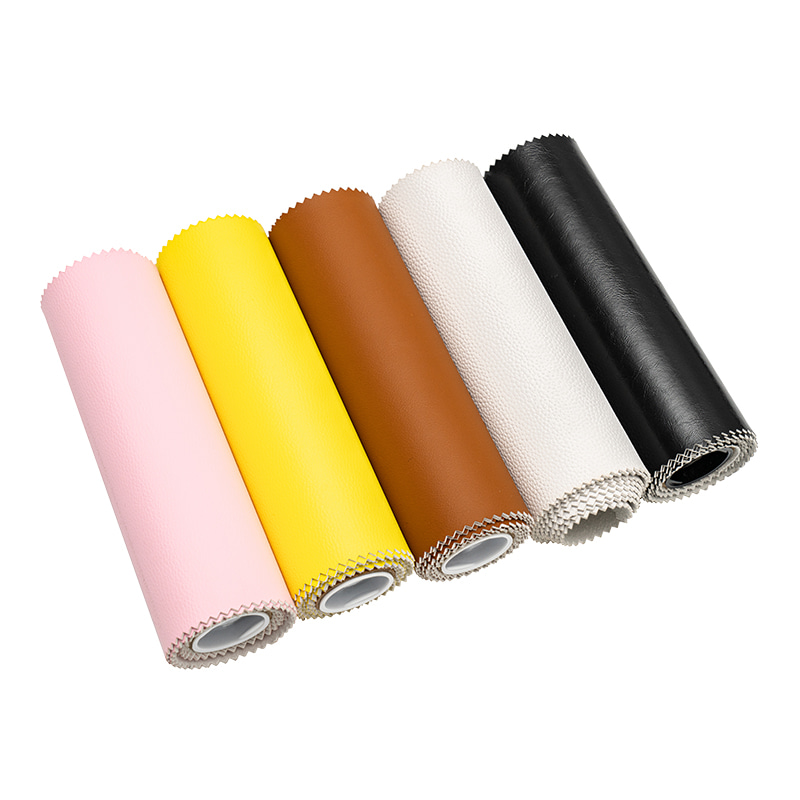
Introduction to Water-Soluble Sea-Island Fiber What is Water-Soluble Sea-Island Fiber? Water-soluble sea-islan...
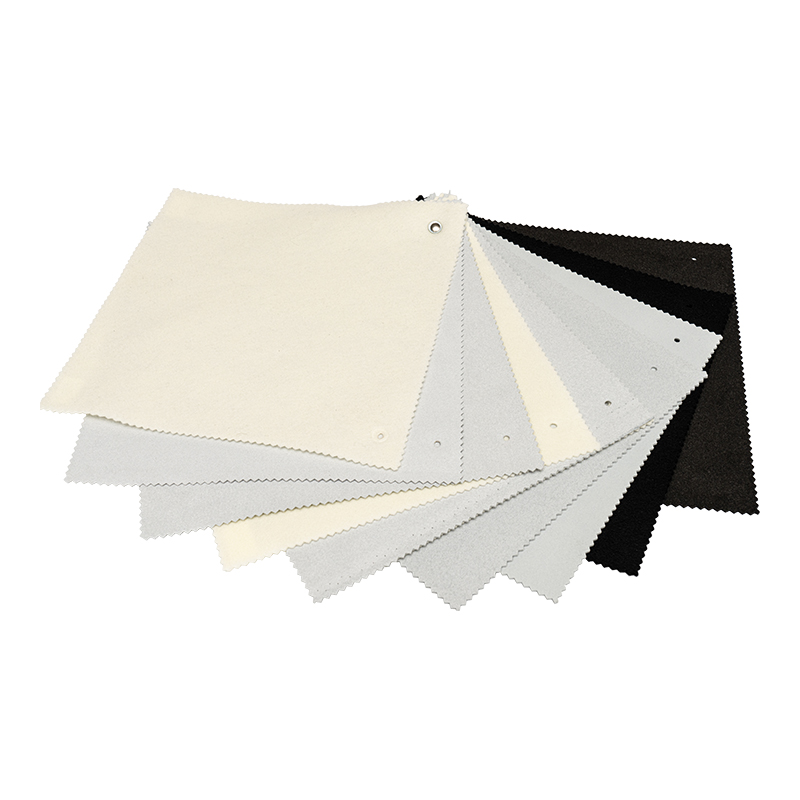
What is Water-Soluble Island-in-the-Sea Fiber? Water-Soluble Sea-Island Fiber is a breakthrough material in th...
Introduction of Water-Force Microfiber Fabric What is Microfiber Fabric? Microfiber fabric is a type of textil...
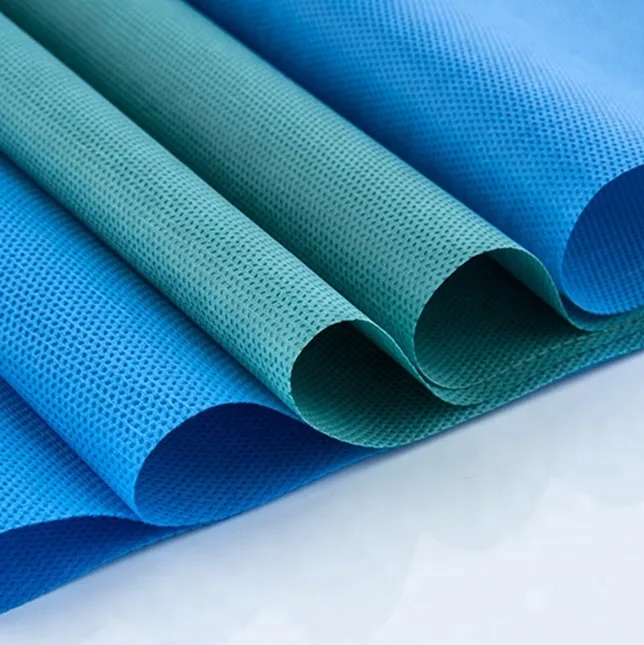
Introduction Water-soluble sea-island fiber nonwoven fabric is a groundbreaking innovation in the textile indu...
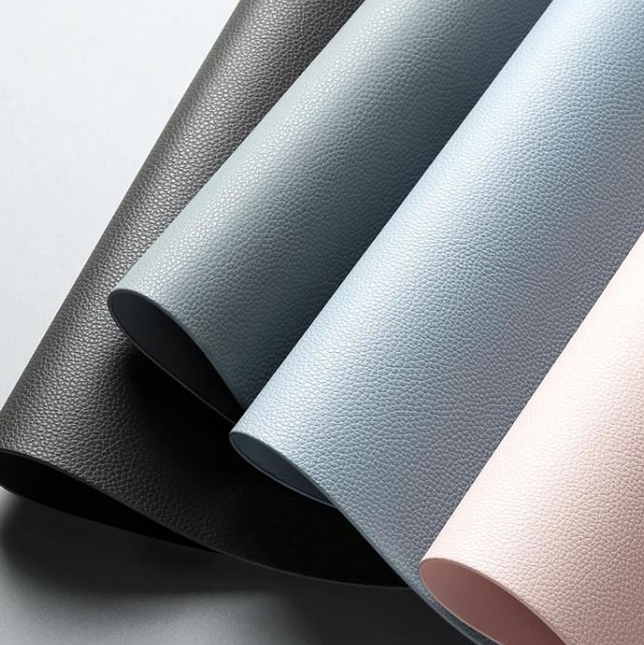
What is Water-Soluble Sea-Island Fiber? Definition and Basic Structure Water-soluble sea-island fiber is a spe...
LEMONTA Technology (ShangHai) Co., Ltd. All Rights Reserved. ALL RESERVED.
 Custom Bio-Based Water-Soluble Polyester Fiber Manufacturers
 英语
英语 中文简体
中文简体