Mitigation of Compliance Risks for Infant & Toddler Shoe Brands and Processing Factories Under Three Core Limit Values: 0.1ppm, 10ppm and 50ppm
Preface
Microfiber leather is widely adopted in infant and toddler footwear for its superior quality, yet its hidden chemical compliance risks have drawn growing attention from brands and supply chain enterprises. Three key concerns stand out:
1、How can brands avoid a common pitfall: leather fabrics pass lab tests with special trial samples but fail mass bulk shipments due to excessive chemical residues?
2、The 2026 EU REACH revised regulation tightens the DMF limit for skin-contact leather to 10ppm.
3、OEKO TEX Standard 100 Class 1 (highest infant grade) enforces stringent dual thresholds: Toluene ≤ 0.1ppm and Total Organic Fluorine (TOF) ≤ 50ppm.
This article delivers targeted solutions for microfiber supply chain manufacturers to avoid dual compliance risks for domestic and overseas sales, as well as for infant product brands to defuse potential public relations crises.
I. Two Authoritative Regulatory Red Lines
1. Mandatory Limits of OEKO TEX Standard 100 Class 1 (for infants aged 0–36 months, highest infant grade)
(1)、Toluene residue: ≤ 0.1ppm (0.1mg/kg)
(2)、Total Organic Fluorine (TOF) residue: ≤ 50ppm (50mg/kg)
Scope of application: All infant/toddler shoes, infant leather goods, and skin-tight leather fabrics. Infants have delicate skin, and risks including fabric gnawing and continuous solvent volatilization inside enclosed shoe cavities require far stricter control standards than adult textiles.
2. Latest Mandatory Regulation – Item 72 of 2026 EU REACH Annex XVII (mandatory for EU exports)
For artificial leather/microfiber with daily skin contact exceeding 30 minutes and a contact area over 10cm², the DMF limit is tightened to 10ppm (10mg/kg).
Comparison gap: The EU’s 10ppm DMF cap is 50 times stricter than the OEKO TEX infant standard’s 500ppm threshold for DMF. This legally binding rule means non-compliant goods will be detained, returned or destroyed at customs. Enterprises may face fines of up to 4% of their global annual turnover.
3. Uniform Strict Controls on Toluene
The OEKO TEX infant standard caps toluene at merely 0.1ppm, with no relaxed limits for domestic sales. The EU also imposes rigorous controls on VOCs and aromatic hydrocarbon solvents. Toluene excess will result in customs clearance failures and disqualification from maternal and infant retail channels.
II. The Sword of Damocles: Looming Compliance Hazards
Most domestic microfiber materials for children’s shoes adopt a dual solvent system of toluene and DMF. Massive volumes of organic solvents are used throughout resin dissolution, base fabric coagulation and lamination processes, leaving inherently high chemical residues in finished products. Post-production water washing alone cannot deliver stable compliance:
1、Only custom trial samples can pass tests; mass production compliance is unfeasibleTo reduce toluene to 0.1ppm and DMF to 10ppm, fabrics theoretically require 5–10 cycles of repeated water rinsing and high-temperature drying.In continuous mass production, repeated washing causes severe fabric shrinkage, hardening and surface fuzzing, pushing scrap rates above 30%. Steam, water, electricity and labor costs double, while production line efficiency is halved. All infant-grade test-certified samples on the market are specially treated with extended washing procedures. Excessive toluene and DMF residues in regular bulk leather rolls are a widespread industry norm.
2、Dual pressure from domestic and overseas standards eliminates all error margins
(1)、Domestic maternal and infant retail channels: Must meet OEKO TEX Class 1 standards (Toluene ≤ 0.1ppm, DMF ≤ 500ppm)
(2)、EU export infant footwear: DMF must drop to 10ppm – 50 times stricter than domestic infant requirements
Even with massive investment in extra washing steps, traditional solvent-based processes can barely meet domestic infant standards, failing entirely to hit the EU’s statutory 10ppm DMF cap. Brands face barriers in both domestic and EU export markets.
3、Long-term health hazards trigger latent brand PR risks
(1)、Toluene: Continuous volatilization irritates infants’ respiratory tracts, triggering recurring eczema and dermatitis; long-term accumulation damages children’s nervous systems.
(2)、DMF (Class 2A probable human carcinogen): Rapidly penetrates and absorbs through the skin, harming liver/kidney function and reproductive development. Prolonged wear inside enclosed shoes poses severe risks to babies.
The lululemon global public relations crisis triggered by excessive PFAS in microfiber is a precedent, resulting in costly product recalls and collapsed channel trust. Today, infant shoe toluene and DMF excess represents the Sword of Damocles hanging over all infant brands and leather manufacturers. Exposure via self-media random sampling, market authority spot checks or EU customs random testing will trigger widespread negative online sentiment, product delistings and total loss of overseas orders.
III. Waterforce & Wateronly Dual Process Compliance Solutions
Traditional solvent-based microfiber introduces solvents during production and relies on post-processing washing to remove residues – a superficial fix that fails to address root causes. Water-force microfiber replaces toxic organic solvents (toluene, DMF) with pure water to disperse PU resin. No harmful solvents are added throughout production, fiber splitting and lamination, fundamentally eliminating excessive residue risks.
Core Compliance Advantages
1、Innately compliant with dual standards, zero discrepancy between test samples and mass production.
No toluene or DMF is used in the whole production flow. Toluene is non-detectable in finished products, and DMF residues are far below 10 ppm. Multiple water washing cycles and high-temperature drying are not required. Standardized mass production can consistently meet OEKO TEX Standard 100 Class I and the EU REACH 10 ppm DMF limit, fully eradicating the quality control disaster of "qualified test samples but unqualified bulk goods".
2、Tailored for infant skin-contact scenarios, low odor and low irritation.
Free of harsh pungent odors from organic solvents with extremely low VOC emissions. Breathable and skin-friendly, it avoids stuffy feet and drastically cuts the risk of foot allergies and itching in babies. Our water-force microfiber paired with viscose or long-staple cotton bio-blend base fabrics delivers a soft touch comparable to genuine leather, perfectly matching the mild and safety-focused requirements of infant and toddler products.
3、Fully aligned with 2026 EU green regulatory suite
(1)、Meets REACH Annex XVII leather mandates: DMF ≤ 10ppm and non-detectable toluene
(2)、Free of PFAS and restricted phthalate plasticizers, avoiding newly added SVHC control risks
(3)、Far lower carbon emissions than solvent-based microfiber, enabling easy acquisition of ESPR low-carbon Grade A/B carbon labels
4、Waterforce microfiber technology unlocks dual market tracks: domestic maternal-infant sales and EU cross-border exports.
The dual-process Waterforce | Wateronly microfiber solution meets both OEKO infant certification requirements for domestic maternal and infant retail channels and EU REACH regulations for EU exports. Separate leather stockpiles for two markets are no longer needed, streamlining supply chain management and cutting redundant testing and warehousing costs arising from two different material lines.
IV. Industry Transformation & Implementation Recommendations
For Infant & Toddler Brands
1、Mandate toluene and DMF testing for all incoming raw materials, prioritizing fully water-force microfiber suppliers.
2、Require suppliers to provide complete OEKO TEX Class 1 and full REACH test reports verifying DMF ≤ 10ppm, to unlock both domestic and cross-border markets.
3、Position “zero-toluene, zero-DMF infant-grade waterforce microfiber” as a core product differentiation selling point, building a safe maternal-infant brand label to boost product premium pricing and consumer trust.
For Microfiber Processing Factories
1、Build full water-force microfiber production capacity, develop soft, low-VOC formulations tailored for infant footwear, and recommend either Waterforce or Wateronly water-force microfiber solutions based on client demands.
2、Issue EPD carbon footprint reports to comply with 2026 mandatory EU carbon label requirements.
3、Establish full-batch Certificate of Analysis (COA) testing systems to enable full-chain compliance traceability from raw resin and fiber to finished fabrics, building supply chain barriers for infant-safe materials.
V. WaterForce,WaterOnly!
2026 marks a watershed year for the infant leather industry.Domestically, OEKO TEX Class 1 sets safety baselines for toluene and DMF. Internationally, EU REACH tightens the DMF limit for skin-contact leather to 10ppm. These two regulatory red lines drastically amplify compliance risks for infant brands relying on traditional toluene-based solvent microfiber.
Fully water-force microfiber eliminates toluene and DMF residues at the source by replacing solvents with water. It is currently the only microfiber solution that can stably satisfy both domestic infant textile standards and the EU’s latest regulations, representing an inevitable long-term sustainable upgrade direction for the infant footwear material sector. We safeguard infants’ foot safety while unlocking global export opportunities. WaterForce,WaterOnly.

The Three-Tier Hand Feel Evaluation Model of "Grip Feel – Texture Feel – Leather Essence Feel" to Deepen Our Understanding of Microfiber Leather I. Industry Pain Point: Why Is Leather Hand Feel Judged Merely by Subjective Sensation? When selecting and distinguishing leather, do you rely entirely on ...
READ MORE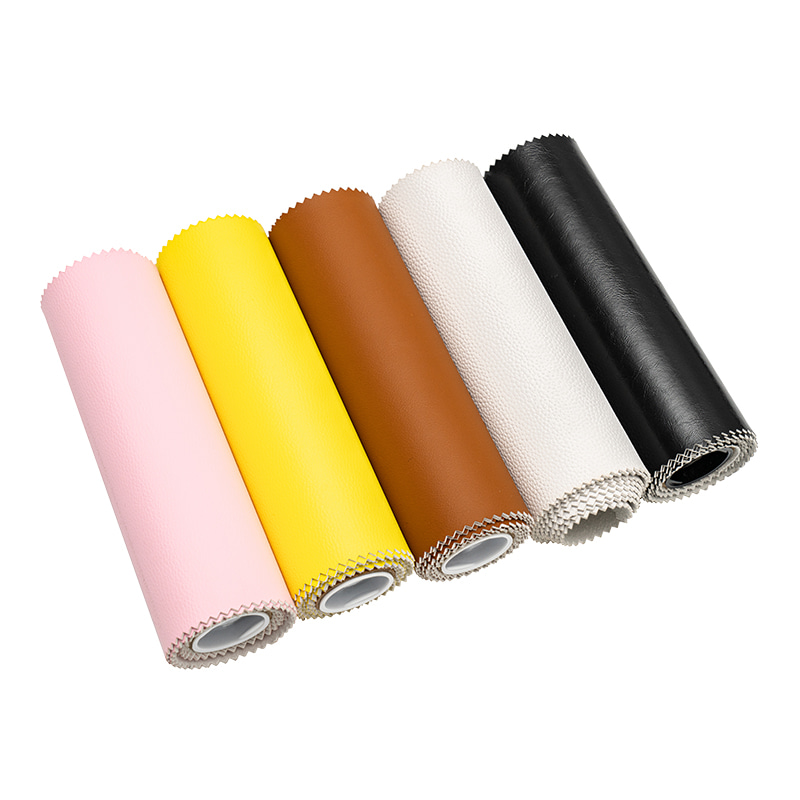
Introduction to Water-Soluble Sea-Island Fiber What is Water-Soluble Sea-Island Fiber? Water-soluble sea-islan...
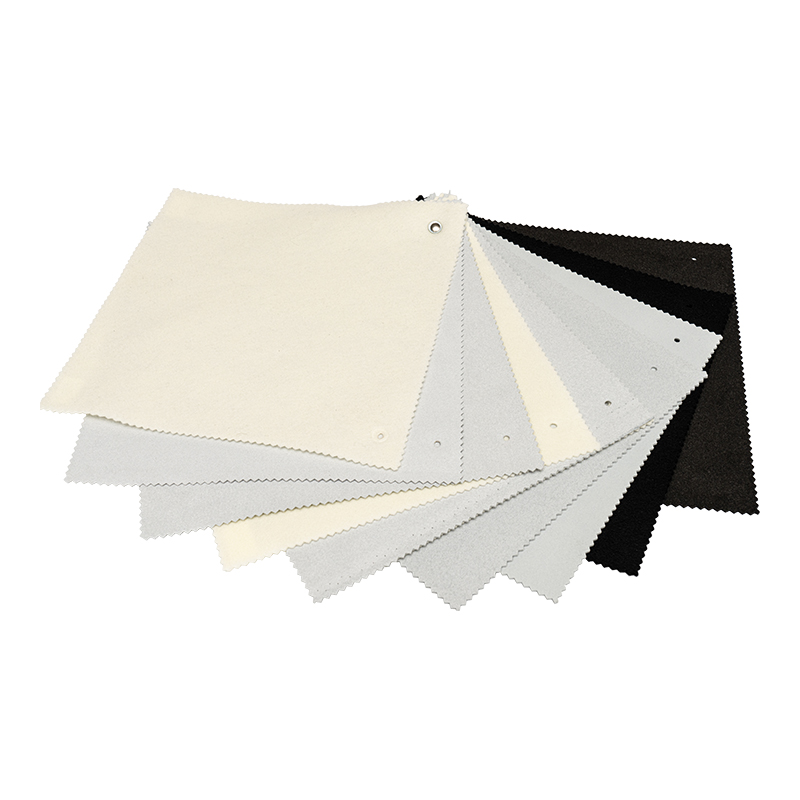
What is Water-Soluble Island-in-the-Sea Fiber? Water-Soluble Sea-Island Fiber is a breakthrough material in th...
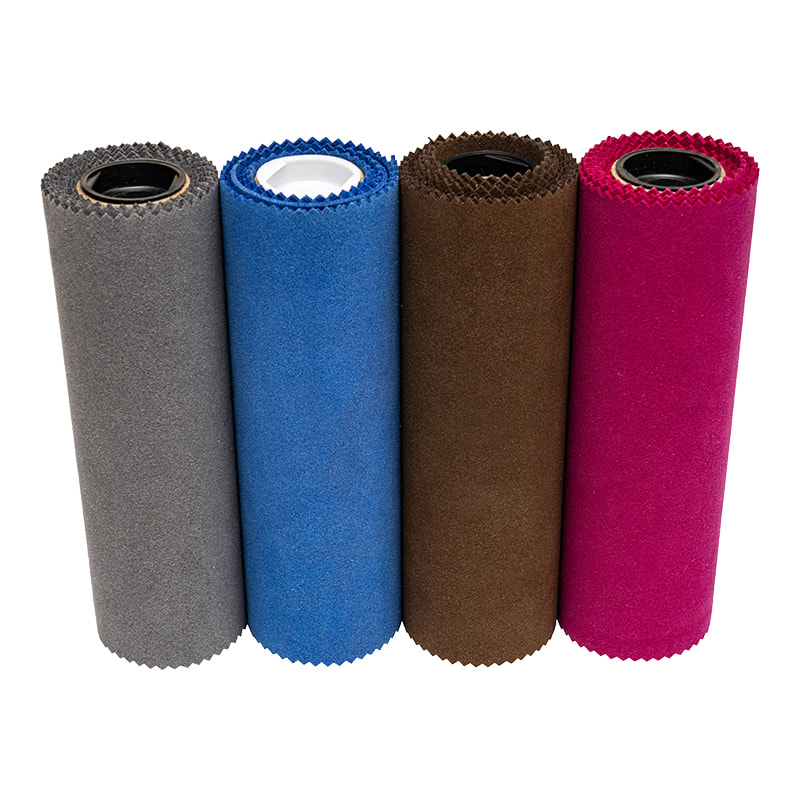
Introduction of Water-Force Microfiber Fabric What is Microfiber Fabric? Microfiber fabric is a type of textil...
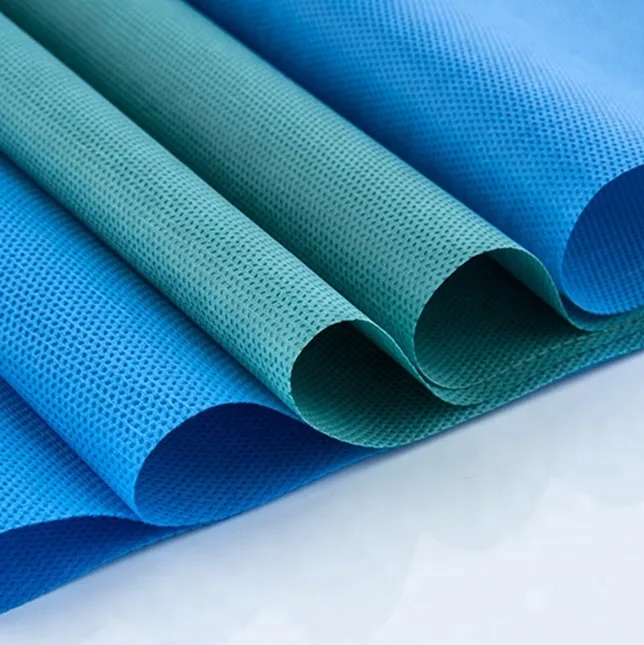
Introduction Water-soluble sea-island fiber nonwoven fabric is a groundbreaking innovation in the textile indu...
What is Water-Soluble Sea-Island Fiber? Definition and Basic Structure Water-soluble sea-island fiber is a spe...
LEMONTA Technology (ShangHai) Co., Ltd. All Rights Reserved. ALL RESERVED.
 Custom Bio-Based Water-Soluble Polyester Fiber Manufacturers
 英语
英语 中文简体
中文简体