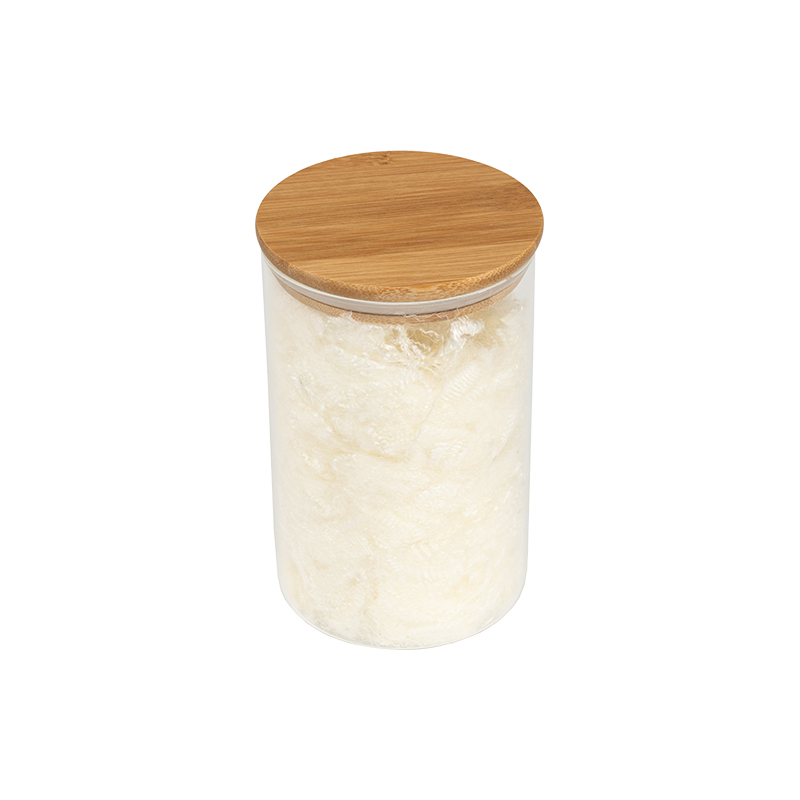
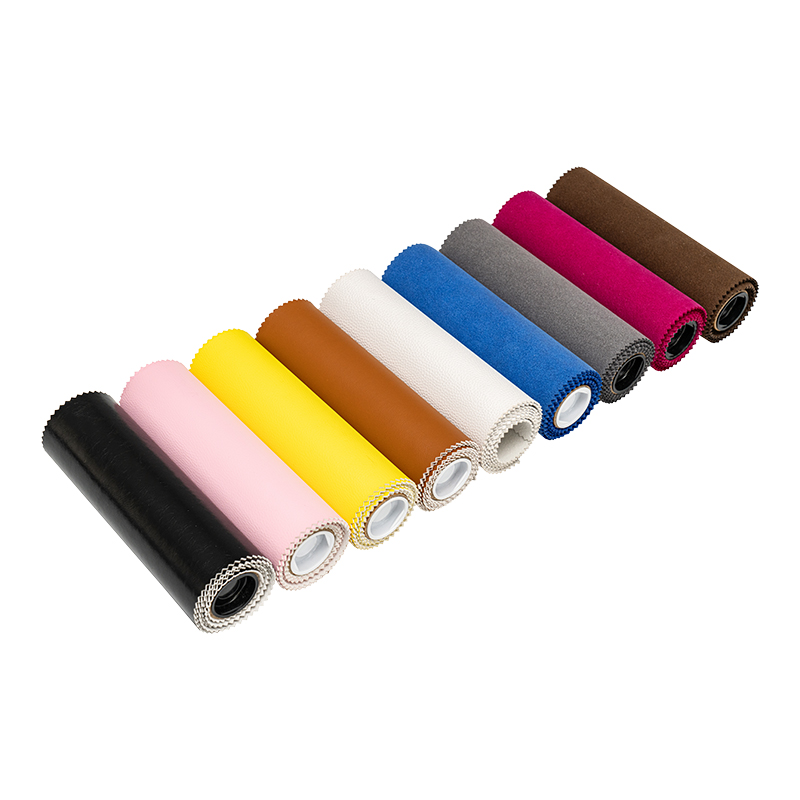
Water-soluble sea island fiber (WSSIF) is a bicomponent microfiber in which a water-soluble polymer — typically polyvinyl alcohol (PVA) — forms the "sea" (matrix) surrounding hundreds of ultra-fine "island" filaments made of polyester (PET) or polyamide (PA/nylon). When the fiber is treated with hot water (usually 90–98°C), the PVA matrix dissolves completely, leaving behind a bundle of individual microfilaments as fine as 0.01–0.3 denier. This process allows manufacturers to produce microfibers far finer than conventional spinning technology can achieve directly, which is why WSSIF is a core raw material in high-end synthetic leather, suede fabrics, and precision wiping cloths.
In short: the fiber's value lies not in its own physical properties, but in its role as a sacrificial carrier — it exists to be dissolved away, revealing the true product underneath.
The cross-section of a sea island fiber resembles a scattering of small islands in a sea — hence the name. Each filament is engineered with two distinct components spun together through a specialized composite spinneret.
The sea phase is typically modified PVA with a water solubility threshold engineered for hot-water dissolution. It usually accounts for 20–40% of the total fiber weight and serves purely as a structural carrier during weaving, knitting, and non-woven processing.
The island phase, making up 60–80% of the fiber, is usually PET or PA6. A single sea island filament can contain anywhere from 16 to over 1,000 individual islands, depending on the spinneret design, and each island becomes an independent ultra-fine filament once the sea is removed.
| Parameter | Sea (PVA) | Island (PET/PA) |
|---|---|---|
| Weight Ratio | 20–40% | 60–80% |
| Dissolution Temp. | 90–98°C hot water | Insoluble |
| Final Filament Fineness | N/A (dissolved) | 0.01–0.3 denier |
Manufacturing WSSIF involves several tightly controlled stages, each of which directly affects the quality and uniformity of the final microfiber product.
Two polymer melts — the sea (PVA) and island (PET/PA) — are extruded simultaneously through a specially designed composite spinneret. The spinneret arranges the island polymer into discrete micro-channels embedded within the sea polymer, producing a single filament with dozens to hundreds of islands.
The extruded fiber is drawn to align the polymer chains, improving tensile strength, and may be texturized to add bulk before being processed into yarn, woven fabric, or non-woven web.
The sea island fiber is converted into fabric — commonly through needle-punching or spunlace non-woven processes for synthetic leather base, or through knitting/weaving for suede-like textiles — while the PVA sea component is still intact, providing dimensional stability during processing.
The finished fabric is passed through a hot-water bath (typically 90–98°C) for 20–40 minutes, dissolving the PVA sea and reducing the fabric's weight by roughly 20–40%. This step exposes the ultra-fine island filaments, giving the fabric its characteristic soft hand-feel and high surface density, which is essential for suede and microfiber leather aesthetics.
Compared to solvent-extraction sea island fibers (which use alkali-soluble copolyester or require organic solvents like toluene), water-soluble PVA-based sea island fiber offers clear process and environmental advantages:
Industry data suggests that PVA-based water-soluble systems can cut dissolution-related wastewater treatment costs by 15–25% compared to alkali-soluble alternatives, making them increasingly favored in facilities under stricter environmental regulations, particularly in China's Jiangsu and Zhejiang textile clusters.
Once dissolved, the resulting ultra-fine microfiber bundle is used across several high-value industries.
This is the largest application segment. The fine, densely packed filaments create a non-woven base with a soft touch and fine napped surface that closely mimics natural leather or suede, used in footwear, automotive interiors, and furniture upholstery.
Microfiber cloths made from sea island fiber can achieve surface areas several times greater than standard microfibers of similar weight, dramatically increasing dust and oil absorption capacity — a key reason they dominate premium optical, electronics, and automotive cleaning cloth markets.
The extremely fine pore structure formed by island filaments makes these non-wovens effective for sub-micron filtration in air and liquid filtration cartridges.
Softness and high absorbency make sea island-derived microfibers suitable for wound care substrates and specialty hygiene products where gentle skin contact is essential.
When sourcing or specifying WSSIF for production, buyers typically evaluate the following parameters:
A well-controlled sea island fiber typically achieves island fineness below 0.1 denier with less than 5% variation across the filament cross-section, which is considered the benchmark for premium synthetic leather applications.
Water-soluble sea island fiber remains one of the most efficient routes to producing ultra-fine microfibers at industrial scale. Its dual-component design, environmentally favorable dissolution process, and versatility across leather, cleaning, filtration, and medical textiles make it a foundational material in modern microfiber manufacturing. For producers and buyers alike, understanding its structure and dissolution behavior is essential to optimizing both product quality and process cost.
Direct Answer: A Nonwoven Built From Dissolvable Bicomponent Fiber Water-soluble sea island fiber nonwoven fabric is a nonwoven web made from bicomponent fiber, where one polymer phase (the "sea") is water-soluble and the other (the "islands") is a stable polymer like polyester or nylon. The nonwov...
READ MORE
Introduction to Water-Soluble Sea-Island Fiber What is Water-Soluble Sea-Island Fiber? Water-soluble sea-islan...
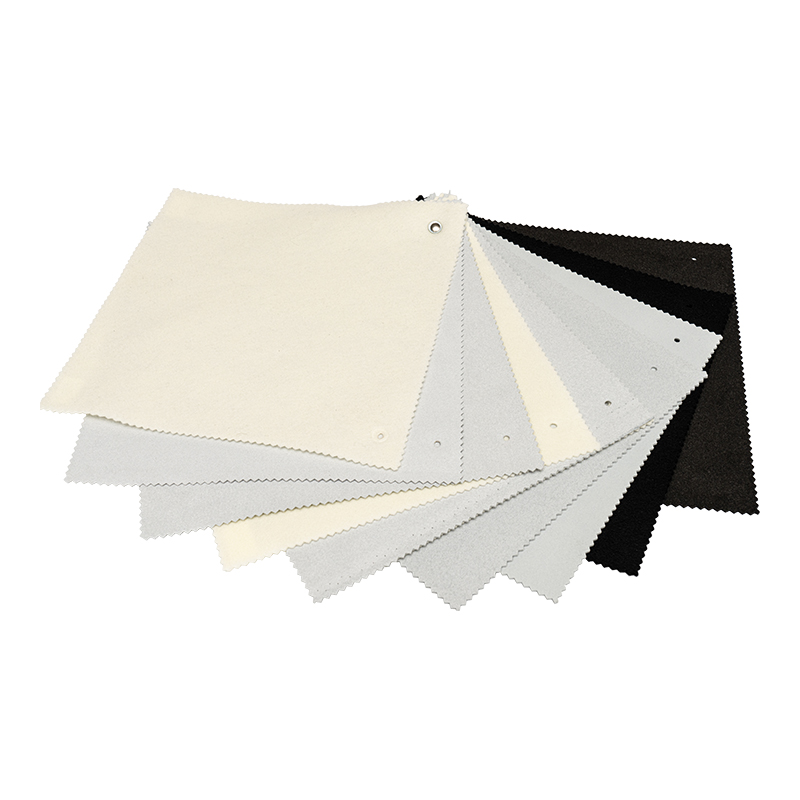
What is Water-Soluble Island-in-the-Sea Fiber? Water-Soluble Sea-Island Fiber is a breakthrough material in th...
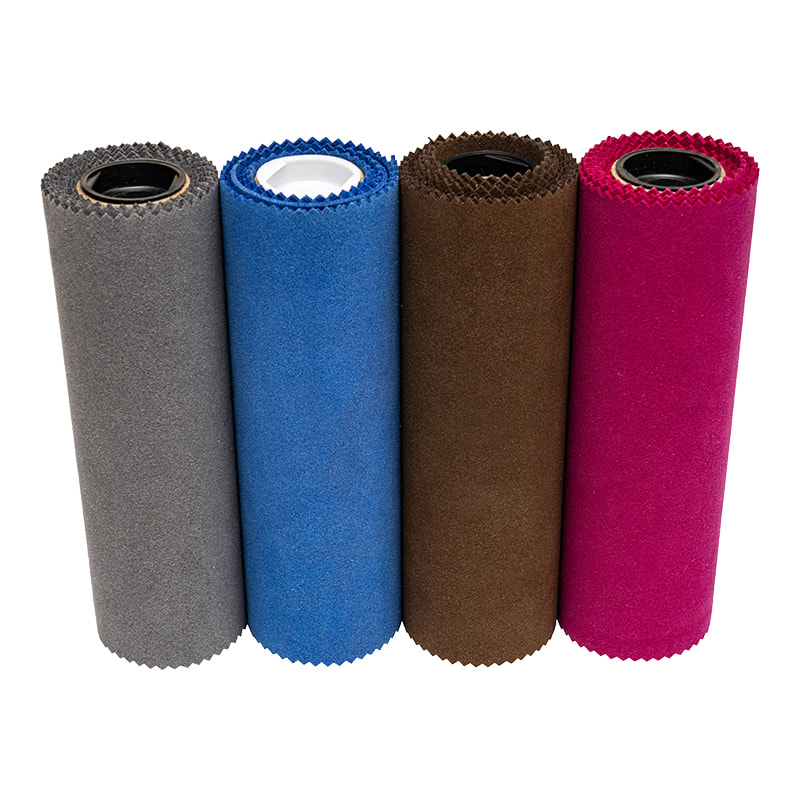
Introduction of Water-Force Microfiber Fabric What is Microfiber Fabric? Microfiber fabric is a type of textil...
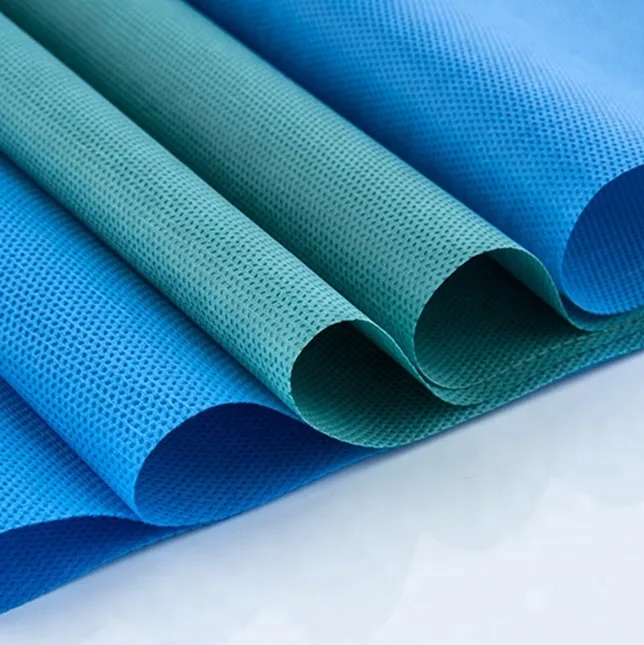
Introduction Water-soluble sea-island fiber nonwoven fabric is a groundbreaking innovation in the textile indu...
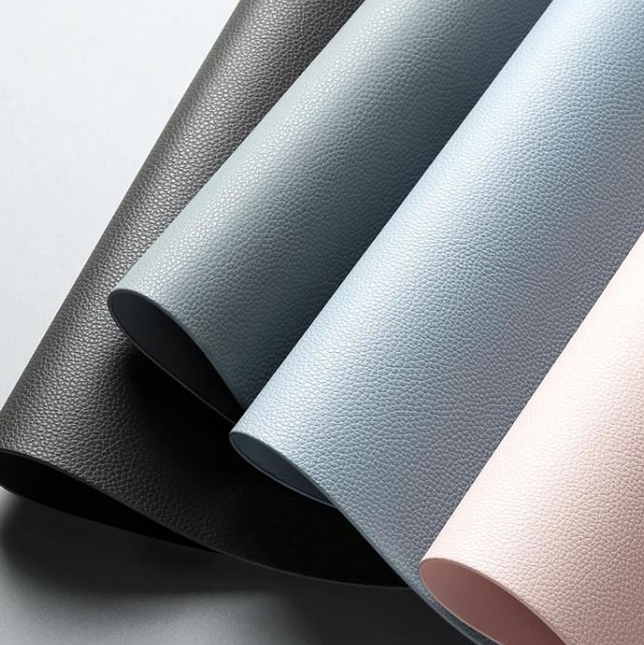
What is Water-Soluble Sea-Island Fiber? Definition and Basic Structure Water-soluble sea-island fiber is a spe...
LEMONTA Technology (ShangHai) Co., Ltd. All Rights Reserved. ALL RESERVED.
 Custom Bio-Based Water-Soluble Polyester Fiber Manufacturers
 英语
英语 中文简体
中文简体