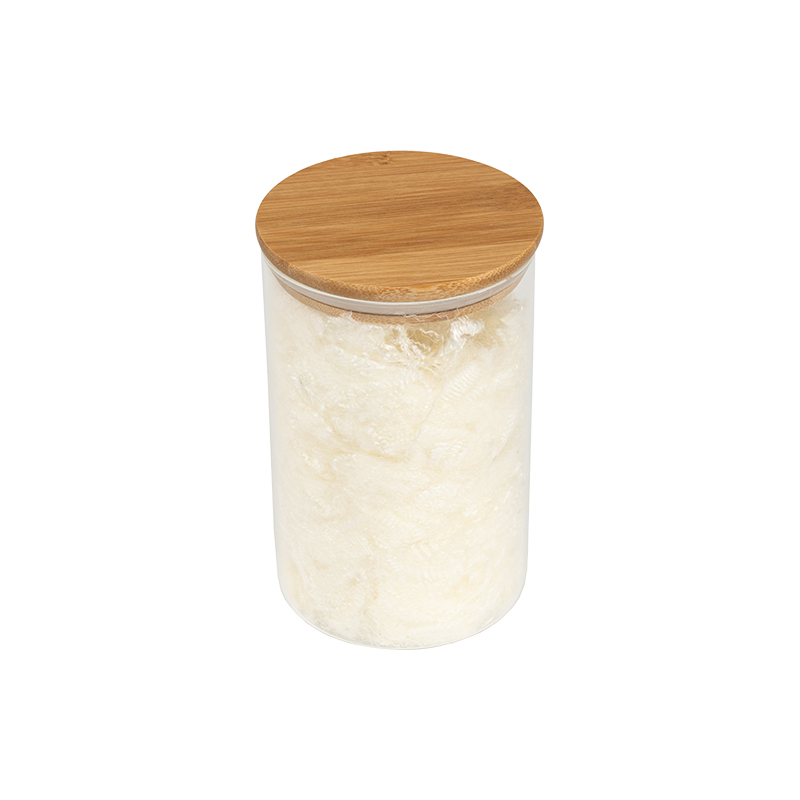
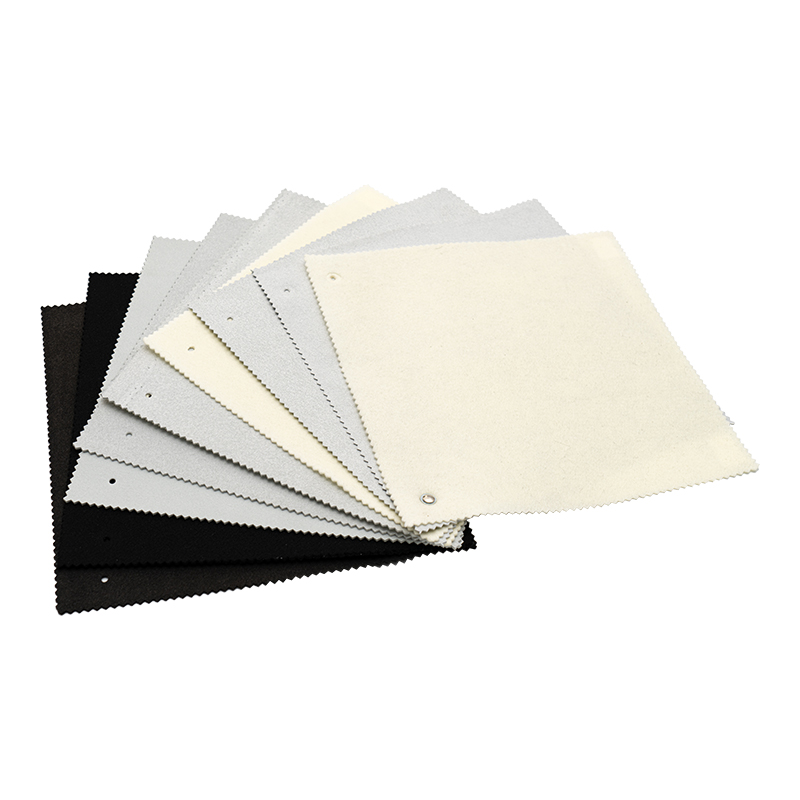
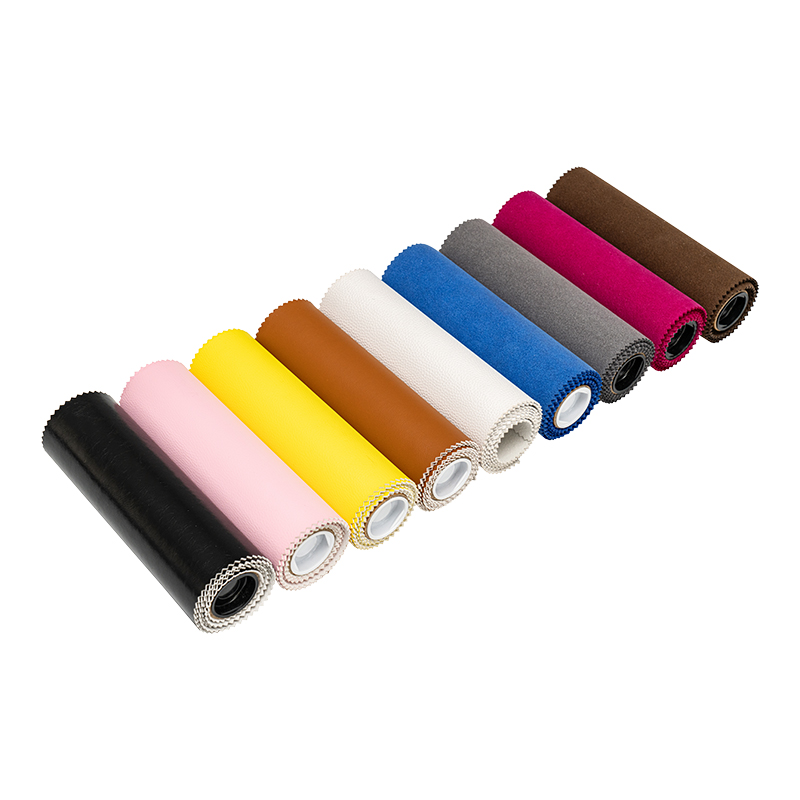
Water-soluble sea island fiber nonwoven fabric is a nonwoven web made from bicomponent fiber, where one polymer phase (the "sea") is water-soluble and the other (the "islands") is a stable polymer like polyester or nylon. The nonwoven is formed first — through carding, cross-lapping, and needle-punching or hydroentanglement — while the sea component is still intact, giving the web normal handling strength. The fabric is then treated in hot water, dissolving away the soluble sea polymer and leaving behind a dense nonwoven mat of ultra-fine island microfilaments, often as fine as 0.0001 to 0.001 denier per filament.
In practical terms, this fabric is the foundation layer for high-end synthetic suede, microfiber leather backing, and premium wipe substrates. It exists to solve one problem: producing nonwoven fabric with fiber fineness that direct spinning cannot achieve. The sections below cover how it's manufactured, key fabric properties, and where manufacturers actually use it.
Producing this fabric requires combining standard nonwoven web-forming equipment with a dedicated dissolution stage. The process generally follows six stages.
A key production variable is island count per filament. Fabrics built from 16-island fiber produce a moderately fine texture suitable for general microfiber goods, while fabrics built from fiber with several hundred to over 1,000 islands per filament achieve the ultra-soft, suede-like hand-feel demanded in premium synthetic leather.
Once the sea component dissolves, the remaining nonwoven structure displays a distinct set of physical characteristics compared to standard nonwoven fabric made from single-component fiber.
| Property | Typical Value / Characteristic |
|---|---|
| Filament fineness (post-dissolution) | 0.0001 - 0.001 denier per filament |
| Basis weight | 150 - 600 g/m² |
| Surface area increase vs. standard fiber | Up to 40x greater |
| Hand-feel | Soft, suede-like, high nap density |
| Dissolution rate of sea component | Typically complete within minutes in hot water |
This nonwoven fabric is rarely sold as a finished consumer product itself — it's an intermediate or backing material used across several manufacturing sectors.
This is the dominant application by volume. The nonwoven is impregnated with PU resin before or during dissolution, and after the sea component dissolves, the resulting microfiber-PU composite forms the base material for synthetic leather used in footwear, furniture upholstery, automotive interiors, and bags.
The dramatically increased surface area after dissolution gives these nonwovens strong oil and moisture absorption, making them suitable for premium industrial wipes and cleanroom cloths where lint control and absorbency are both critical.
The dense web of ultra-fine filaments traps small particulates more effectively than standard nonwoven filter media, supporting use in air filtration and liquid filtration applications that require fine particle capture.
Lighter-weight versions of this nonwoven are used as interlining material in apparel, offering a soft drape and structure without the bulk of conventional interlining fabric.
| Factor | Sea Island Fiber Nonwoven | Standard Single-Component Nonwoven |
|---|---|---|
| Filament fineness | Ultra-fine (down to 0.0001 denier) | Standard (typically 1-6 denier) |
| Processing steps | Web forming + dissolution stage | Web forming only |
| Surface texture | Soft, suede-like, dense nap | Coarser, more fibrous feel |
| Production cost | Higher | Lower |
| Typical end use | Synthetic leather, premium wipes | General-purpose nonwoven goods |
Buyers evaluating suppliers of this nonwoven fabric should confirm the following specifications before placing bulk orders:
Water-soluble sea island fiber nonwoven fabric is manufactured by forming and bonding a bicomponent fiber web first, then dissolving away the water-soluble sea component to reveal ultra-fine island microfilaments that standard nonwoven fiber cannot replicate. This dissolution-based approach is what enables the soft, dense, suede-like texture used in synthetic leather backing, premium cleaning substrates, and fine filtration media. When sourcing this fabric, prioritize suppliers who can verify island count, dissolution completeness, and basis weight consistency, since these factors directly determine the quality of the finished microfiber product.

Comprehensive Analysis Based on Simulation Fidelity, Functionality, Cost Efficiency and ESG Performance 1、What Is Microfiber Synthetic Leather, and Why Adopt a Four-Dimensional Evaluation Framework? Microfiber synthetic leather (microfiber leather) is a high-performance composite material fabricated...
READ MORE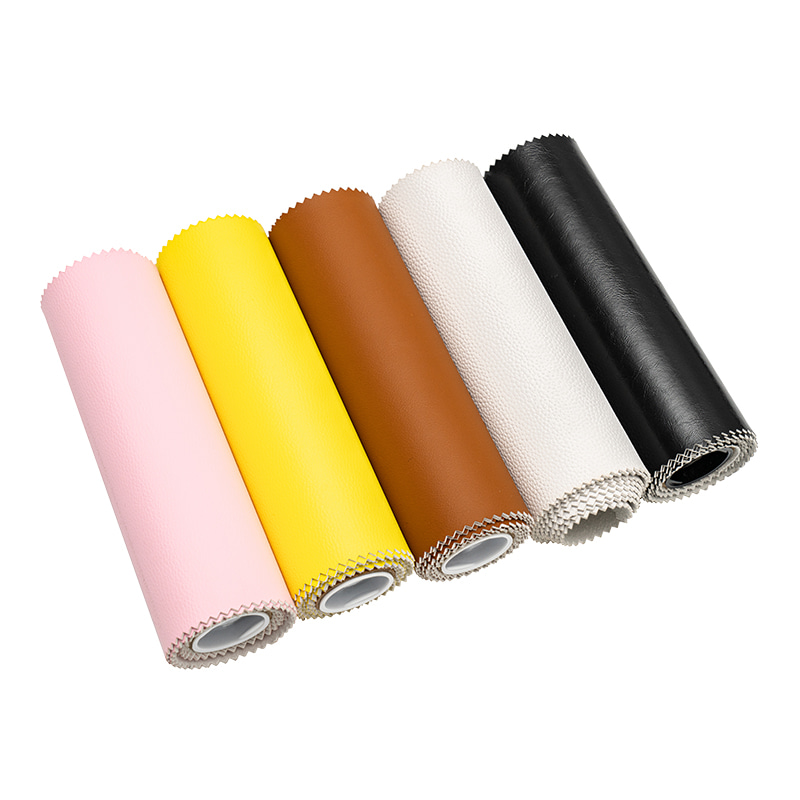
Introduction to Water-Soluble Sea-Island Fiber What is Water-Soluble Sea-Island Fiber? Water-soluble sea-islan...
What is Water-Soluble Island-in-the-Sea Fiber? Water-Soluble Sea-Island Fiber is a breakthrough material in th...
Introduction of Water-Force Microfiber Fabric What is Microfiber Fabric? Microfiber fabric is a type of textil...
Introduction Water-soluble sea-island fiber nonwoven fabric is a groundbreaking innovation in the textile indu...
What is Water-Soluble Sea-Island Fiber? Definition and Basic Structure Water-soluble sea-island fiber is a spe...
LEMONTA Technology (ShangHai) Co., Ltd. All Rights Reserved. ALL RESERVED.
 Custom Bio-Based Water-Soluble Polyester Fiber Manufacturers
 英语
英语 中文简体
中文简体