In the rapidly evolving landscape of high-performance materials, the rise of the Water-Force Microfiber Base marks a paradigm shift from “chemical processing” to “green engineering.” For manufacturers in the automotive, footwear, and luxury furniture sectors, the ultimate question has moved beyond environmental compliance to one of Long-Term Durability. To determine which system is truly superior for your production line, we must analyze the microscopic bond between the resin and the fiber.
Understanding the long-term lifespan of a material requires a look at how the resin integrates with the fibers at a molecular level.
Traditional solvent-based bases utilize Dimethylformamide (DMF) to dissolve the polyurethane (PU). While this process creates a strong initial bond, research indicates that trace chemical residues remain trapped within the fiber pores, triggering polymer chain degradation in humid and hot environments.
In contrast, Water-Force Microfiber Base utilizes high-molecular-weight, high-cross-linking Water-Force Polyurethane Dispersions (PUD). Because the production process is free from aggressive polar solvents, the cured resin exhibits exceptional chemical stability. According to industry-standard “Jungle Tests,” water-force bases can easily pass 7-year or even 10-year hydrolysis tests without surface peeling or stickiness. This stability makes it the ideal choice for high-end products with long warranty periods.
In automotive applications, materials face severe challenges from high summer temperatures. Solvent-based microfibers are prone to “solvent migration” under heat, causing the texture to gradually harden and become brittle. However, Zero-Solvent Water-Force Bases, being free from Volatile Organic Compounds (VOCs), maintain their initial tensile and tear strength even after prolonged heat aging tests. This Structural Integrity ensures that car seats or high-end furniture retain their original texture and comfort over years of use.
Beyond chemical stability, durability is measured by how well the material retains its properties under mechanical stress, such as repeated folding and abrasion.
In the footwear and upholstery industries, Flexural Endurance (fold resistance) is a core quality metric. Water-force polyurethane dispersions penetrate deeper into the bundles of “Sea-Island” ultra-fine fibers, creating a “Matrix Effect” similar to the collagen fibers in natural leather.
Laboratory data shows that high-quality water-force microfiber bases can withstand over 200,000 cycles in the Bally Flex test at room temperature and perform exceptionally well at -20°C. Because they are solvent-free, the resin does not “glassify” or become brittle in cold climates. This deep impregnation technology not only improves delamination resistance but also provides a full, “meat-like” hand-feel, a key evaluative metric for “Genuine Leather Alternatives” in Semrush trends.
Durability is also linked to a material’s “ability to breathe.” If moisture is trapped within the base, it eventually leads to internal mildew or rot. The water-force process creates a microporous, open-cell structure during curing, granting the base a high Moisture Vapor Transmission Rate (MVTR).
This efficient moisture management system ensures that sweat or humidity can escape quickly. For the end-user, this translates to a drier, more comfortable experience; for the material, it significantly reduces the risk of moisture-induced internal delamination, thereby extending the product’s overall lifespan.
In the 2026 global market, durability and Sustainability Standards are inextricably linked. Products that fail to meet EU REACH regulations or ZDHC standards are considered “obsolete” regardless of their physical lifespan.
The Water-Force Microfiber Base represents true “Green Tech.” By completely eliminating DMF, Toluene, and MEK, manufacturers can offer 100% safe products. In the automotive industry, Indoor Air Quality (IAQ) is now a major consumer consideration. Interiors made with water-force bases emit virtually no odor or harmful gases, meeting the strictest automotive OEM standards. This compliance ensures that your products will not be restricted by tightening environmental legislation, providing “Regulatory Durability” for your brand.
While the initial cost of water-force resin may be higher, the Total Cost of Ownership (TCO) is highly advantageous. Traditional solvent-based lines require expensive solvent recovery systems (RTO) and hazardous waste management, incurring high environmental taxes. Switching to water-force production allows companies to significantly reduce insurance premiums, energy consumption (due to lower drying temperatures), and waste disposal fees. Furthermore, as GRS (Global Recycled Standard) becomes more prevalent, water-force processes integrate easily with recycled fibers, helping products stand out in the competitive “Eco-friendly materials” segment on Semrush.
| Performance Metric | Water-Force Microfiber Base | Solvent-Based Microfiber Base |
|---|---|---|
| Solvent Residue (DMF/TOL) | 0% (Zero-Solvent) | 10-100 ppm (VOC Risk) |
| Hydrolysis Resistance | 5–10 Years (Excellent) | 2–5 Years (Average) |
| Bally Flex Resistance | > 200,000 Cycles | 100,000–150,000 Cycles |
| Hand-Feel / Texture | Full, Soft, Meat-like | Thinner, Stiffens over time |
| Cold Resistance | Excellent (No cracking at -20°C) | Moderate (Becomes brittle) |
| Eco-Compliance | REACH, ZDHC, GRS, OEKO-TEX | Restricted or High-cost Compliance |
Q1: Can the strength of a water-force microfiber base match real leather?
In many mechanical tests, water-force bases outperform genuine leather. They provide higher tensile strength and better physical consistency, while the water-force polyurethane matrix mimics the collagen structure of animal skin, providing a similar premium touch.
Q2: Why is the water-force base more resistant to aging than the traditional base?
The primary reason is the removal of harsh solvents. Residual solvents in solvent-based PU constantly react with moisture in the air, causing polymer chain scission. The cross-linked structure formed by water-force PUD is much more stable and degrades much slower under UV and heat exposure.
Q3: Does the water-force base support the use of recycled polymers?
Yes. The water-force process is highly compatible with Recycled Polyester Fibers (rPET). Currently, many of our high-end clients use a “Recycled Fiber + Water-Force Impregnation” combination to obtain GRS certification and meet the sustainable sourcing requirements of luxury brands.
1. Deep Dive: Sea-Island Fiber Extraction Mechanisms and Technology Paths In the field of high-performance functional fibers, Sea-Island Fiber is hailed as the ultimate solution for producing ultra-fine microfibers. This bicomponent spinning technology distributes one polymer (the “Island” component...
READ MORE
Introduction to Water-Soluble Sea-Island Fiber What is Water-Soluble Sea-Island Fiber? Water-soluble sea-islan...
What is Water-Soluble Island-in-the-Sea Fiber? Water-Soluble Sea-Island Fiber is a breakthrough material in th...
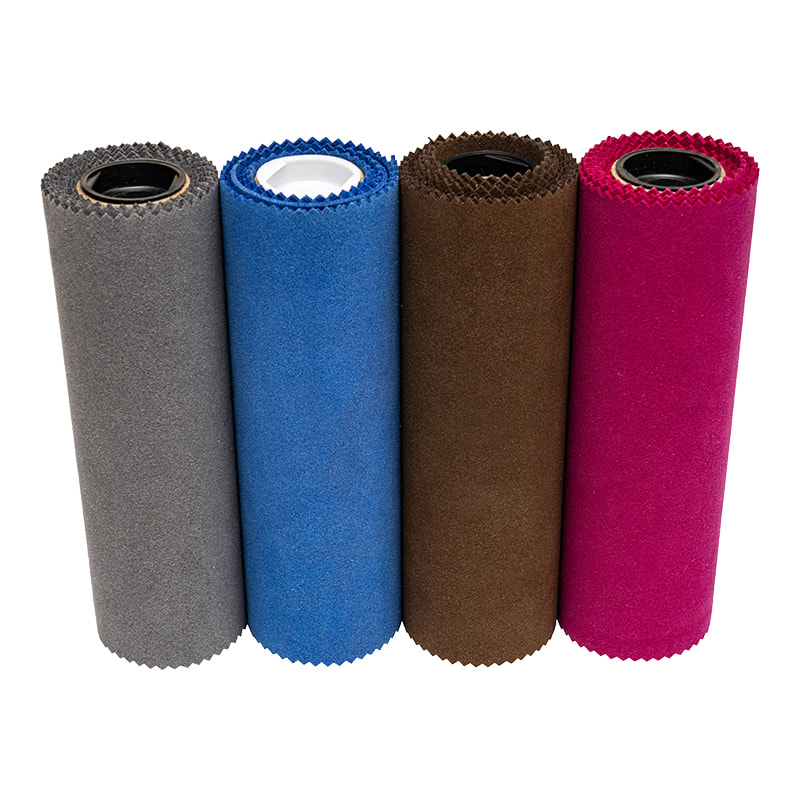
Introduction of Water-Force Microfiber Fabric What is Microfiber Fabric? Microfiber fabric is a type of textil...
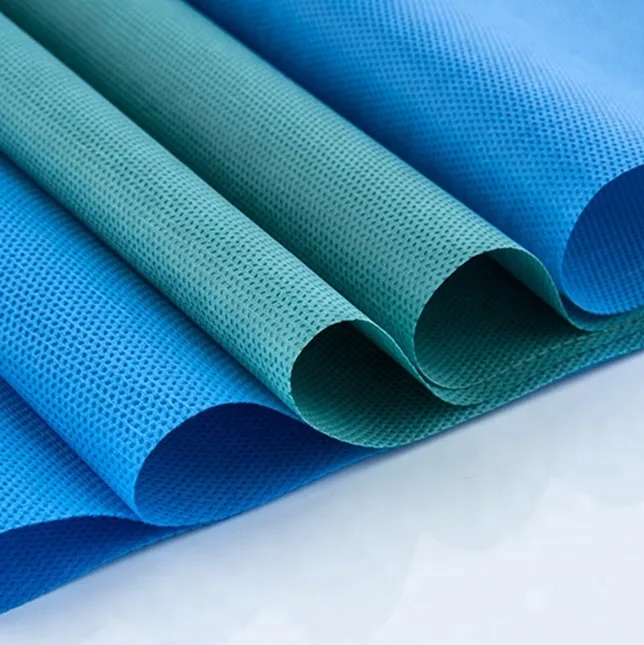
Introduction Water-soluble sea-island fiber nonwoven fabric is a groundbreaking innovation in the textile indu...
What is Water-Soluble Sea-Island Fiber? Definition and Basic Structure Water-soluble sea-island fiber is a spe...
LEMONTA Technology (ShangHai) Co., Ltd. All Rights Reserved. ALL RESERVED.
 Custom Bio-Based Water-Soluble Polyester Fiber Manufacturers
 英语
英语 中文简体
中文简体