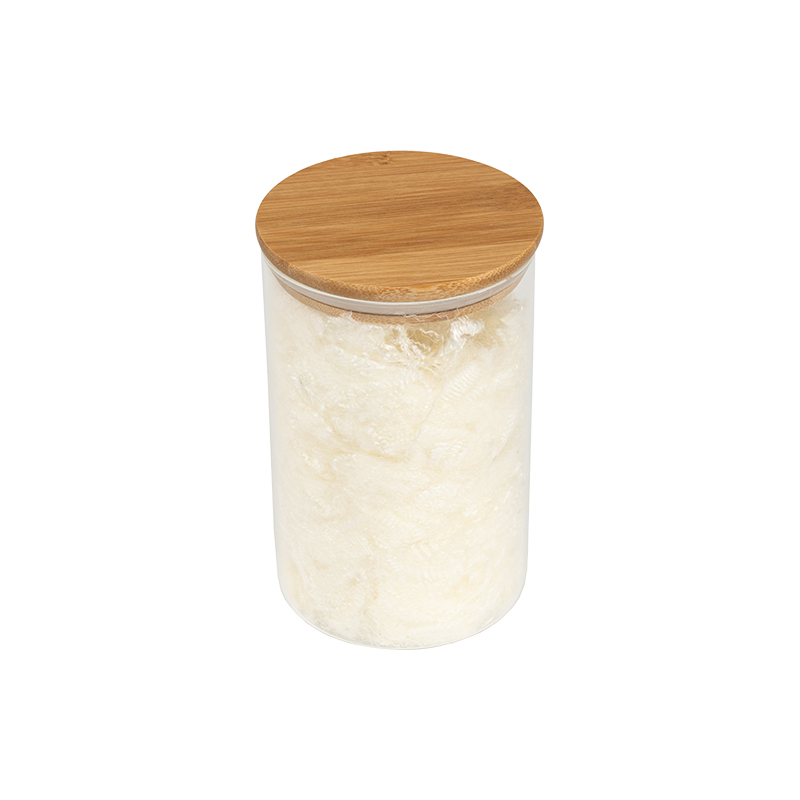
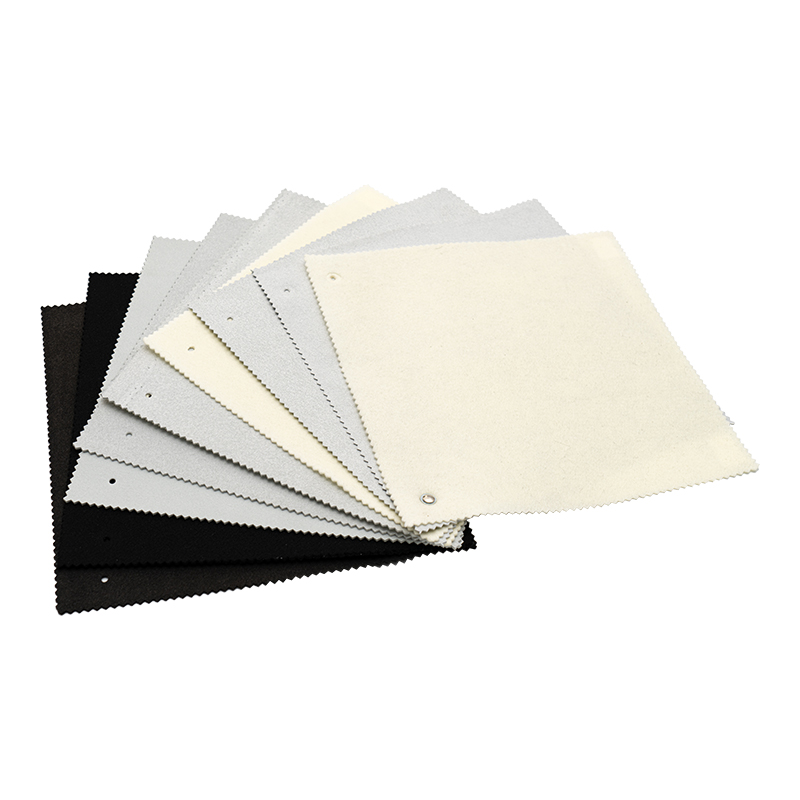
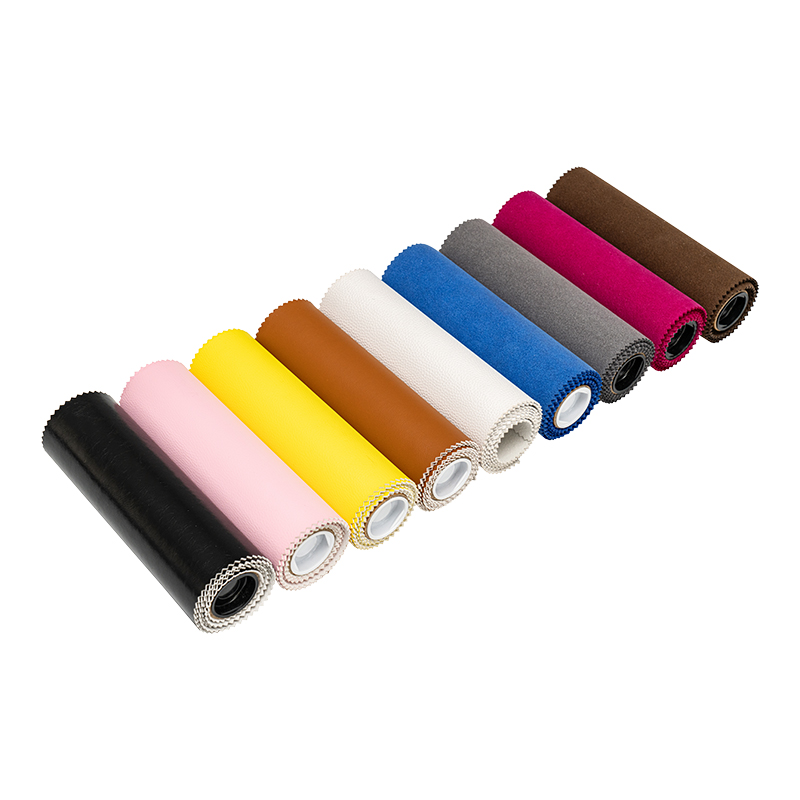
In the field of high-performance functional fibers, Sea-Island Fiber is hailed as the ultimate solution for producing ultra-fine microfibers. This bicomponent spinning technology distributes one polymer (the “Island” component) uniformly within another polymer (the “Sea” component), creating a cross-section resembling islands scattered in an ocean. To obtain the final ultra-fine fibers, the “Sea” component must be removed through physical or chemical methods—a process known in the industry as “Opening” or “Extraction.”
Traditional Alkali-Soluble Sea-Island Fiber typically uses modified polyester (COPET) as the sea component. During extraction, a “weight-reduction” process is performed using a high-concentration caustic soda (NaOH) solution at high temperatures, which strips the sea component via strong alkaline hydrolysis of the ester bonds.
In contrast, Water-Soluble Sea-Island Fiber utilizes revolutionary modified polyvinyl alcohol (PVA) or high-performance water-soluble polyester as the sea component. Its core advantage lies in “Green Extraction”: the sea component can be completely dissolved and removed using only hot water at 80°C - 95°C. This transition from harsh alkaline treatments to pure hot water is not just a simplification of chemicals but a generational leap in textile finishing technology.
In Semrush’s top searches, “Microfiber fineness” and “Fiber integrity” are major concerns for downstream manufacturers. While alkali treatment is efficient, the high-pH environment often causes a “Peeling Effect” on the “Island” microfibers (especially polyester or nylon), leading to surface roughness and affecting the strength and luster of the final fabric. Water-soluble extraction, due to its mild environment (near-neutral pH), perfectly preserves the original physical structure and biological crimp of the microfibers. This ensures that water-soluble sea-island fibers produce microfibers with higher monofilament uniformity and a more delicate touch, making them ideal for precision cleaning cloths and high-end apparel.
As global ESG (Environmental, Social, and Governance) standards rise, “Sustainable Textile Manufacturing” has become a high-frequency search term. Water-soluble sea-island fiber directly addresses the most difficult environmental pain points of traditional alkali-reduction processes.
Traditional alkali-soluble processes generate wastewater with extremely high pH values and high concentrations of terephthalic acid (TA) residues. Treating this effluent requires massive amounts of acid for neutralization and expensive biological treatment stages.
Water-Soluble Sea-Island Fiber only discharges an aqueous solution containing dissolved high polymers. This wastewater has a lower Chemical Oxygen Demand (COD) and better biodegradability. More attractively, many advanced factories have implemented Online Recovery Systems for the PVA component, re-extracting the dissolved sea component through evaporation and concentration. This closed-loop production model significantly reduces the pressure on environmental discharge, allowing companies to easily pass international certifications like GRS (Global Recycled Standard) and OEKO-TEX.
In today’s volatile energy market, water-soluble processes demonstrate excellent economic efficiency. Alkali treatment usually requires long immersion times and complex multiple rinses to remove residual alkali and salts. Water-soluble extraction is fast and the process is short, significantly reducing water and power consumption. According to industry data, switching to water-soluble production lines can reduce carbon emissions in the finishing stage by 20%-30%. For manufacturers looking to enter the supply chains of multinational brands like Nike or Adidas, this is a core competitive advantage.
The choice of fiber ultimately depends on your end-product positioning. Water-soluble sea-island fiber offers significant advantages in increasing product added value.
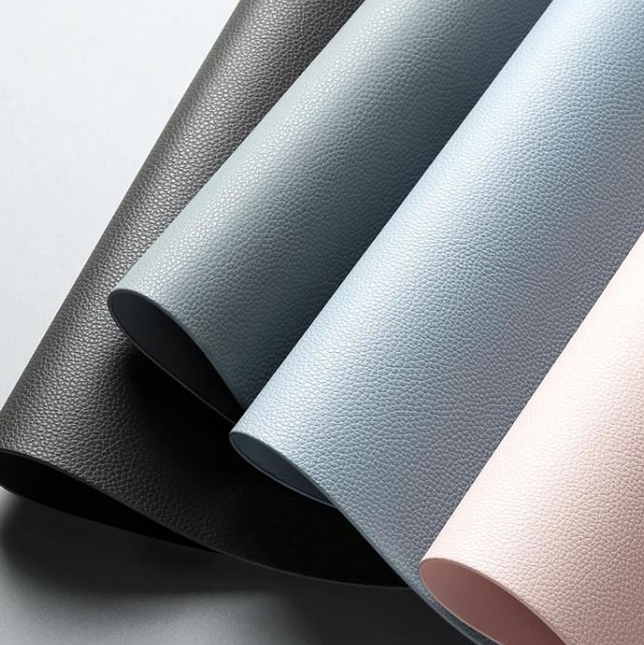
In the production of Suede and ultra-fine synthetic leather, water-soluble sea-island fiber is irreplaceable. Since the extraction process does not damage the island microfibers, the resulting leather surface is extremely fine, exhibiting a distinct “Writing Effect” (the change in shade when the nap is brushed). In luxury automotive interiors (such as Tesla or premium seating) and luxury bags, this material is highly favored for its superior breathability and anti-aging properties.
For High-Density Fabrics and industrial filter media, fiber purity is paramount. Alkali-treated fibers may sometimes retain trace chemical salts, which can cause contamination in precision semiconductor cleaning or high-end filtration. Water-soluble technology ensures the fiber surface is free of chemical residues, allowing the microfibers to maximize their surface area and capillary effect. This has secured its leading position in the High-Efficiency Particulate Air (HEPA) filtration and ultra-fine electronic wiping cloth markets.
| Evaluation Metric | Water-Soluble Sea-Island Fiber | Alkali-Soluble Sea-Island Fiber |
|---|---|---|
| Extraction Medium | 80-95°C Pure Hot Water | Caustic Soda (NaOH) Solution |
| Environmental Impact | Excellent (No alkali, easy recovery) | Poor (High treatment costs) |
| Fiber Integrity | Excellent (No chemical erosion) | Moderate (Potential for surface peeling) |
| Process Complexity | Short (No neutralization/rinsing) | Long (Requires neutralization/washing) |
| Main Applications | Luxury Interiors, High-end Fashion | Basic Synthetic Leather, Home Textiles |
| Comprehensive Cost | Higher fiber price, lower waste cost | Lower fiber price, higher treatment cost |
Q1: Will water-soluble sea-island fiber dissolve due to air humidity during storage?
No. Modified PVA or water-soluble polyester sea components typically require hot water above 80°C to dissolve rapidly. Under normal warehouse conditions (ambient temperature and regular humidity), the fiber remains very stable.
Q2: My factory currently uses alkali-reduction equipment. Can I switch to water-soluble fiber?
Yes. Most existing continuous dyeing and finishing lines can be adapted for water-soluble fibers with simple temperature adjustments. The primary change is removing the alkali dosing unit and ensuring stable temperature control systems.
Q3: How do I control the shrinkage rate after water-soluble extraction?
Water-soluble fibers undergo physical shrinkage during hot water extraction. We recommend conducting small-scale tests before production. By adjusting fabric tension and temperature gradients, you can achieve precise width control and the desired fabric density.
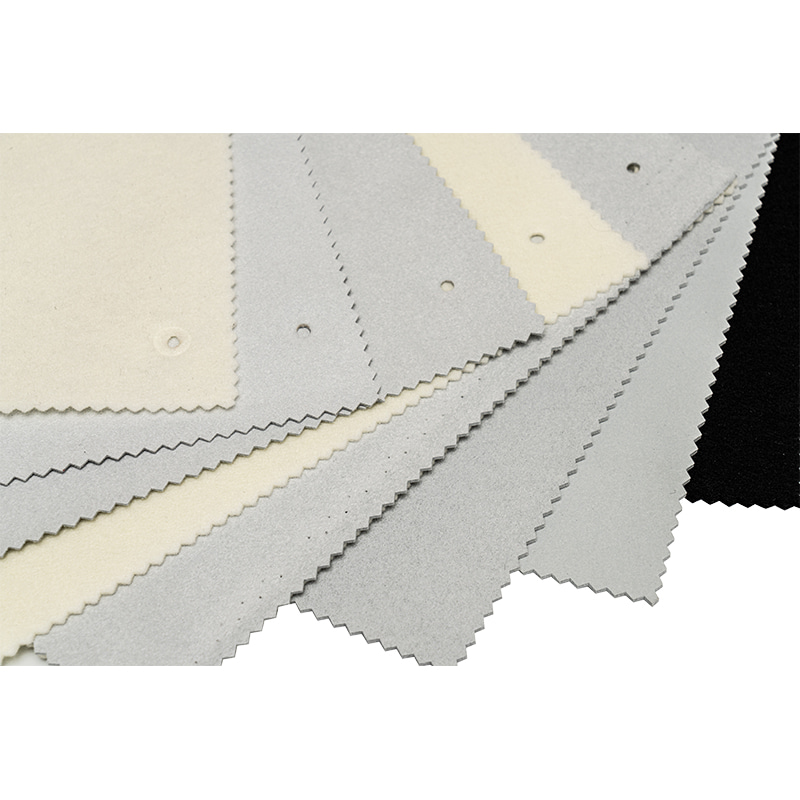
The medical industry is constantly seeking materials that offer superior absorption, breathability, and structural integrity. Water-Soluble Sea-Island Fiber Nonwoven Fabric is emerging as a strong candidate to meet these demands. While traditionally associated with high-end synthetic leathers, its u...
READ MORE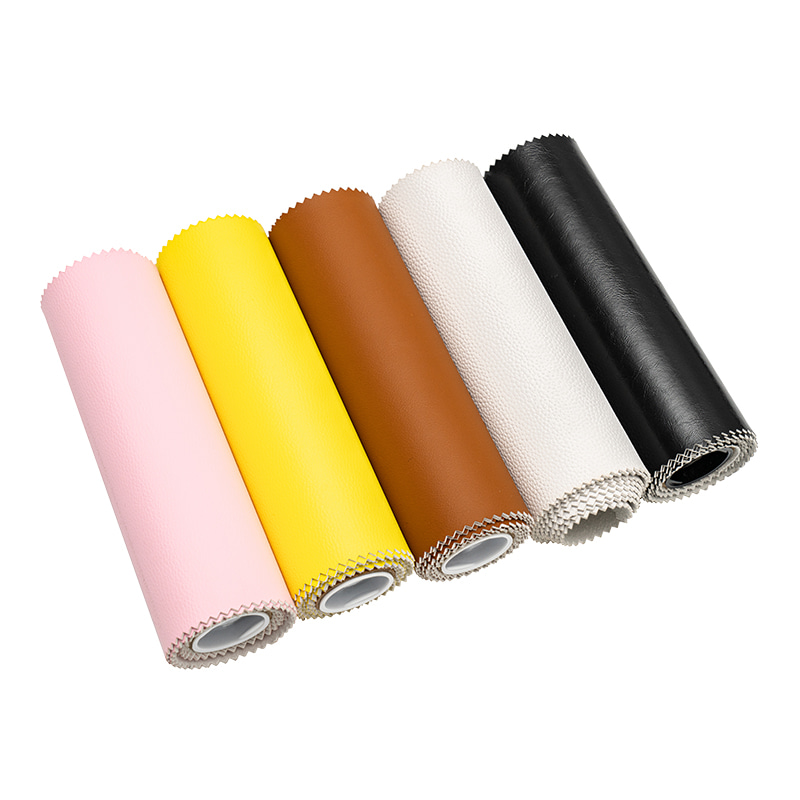
Introduction to Water-Soluble Sea-Island Fiber What is Water-Soluble Sea-Island Fiber? Water-soluble sea-islan...
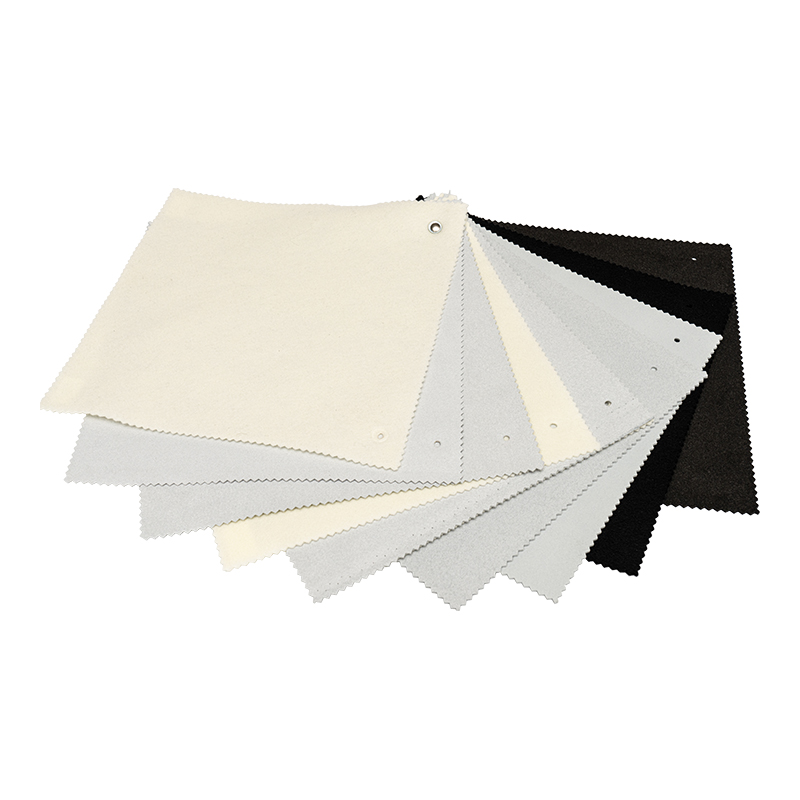
What is Water-Soluble Island-in-the-Sea Fiber? Water-Soluble Sea-Island Fiber is a breakthrough material in th...
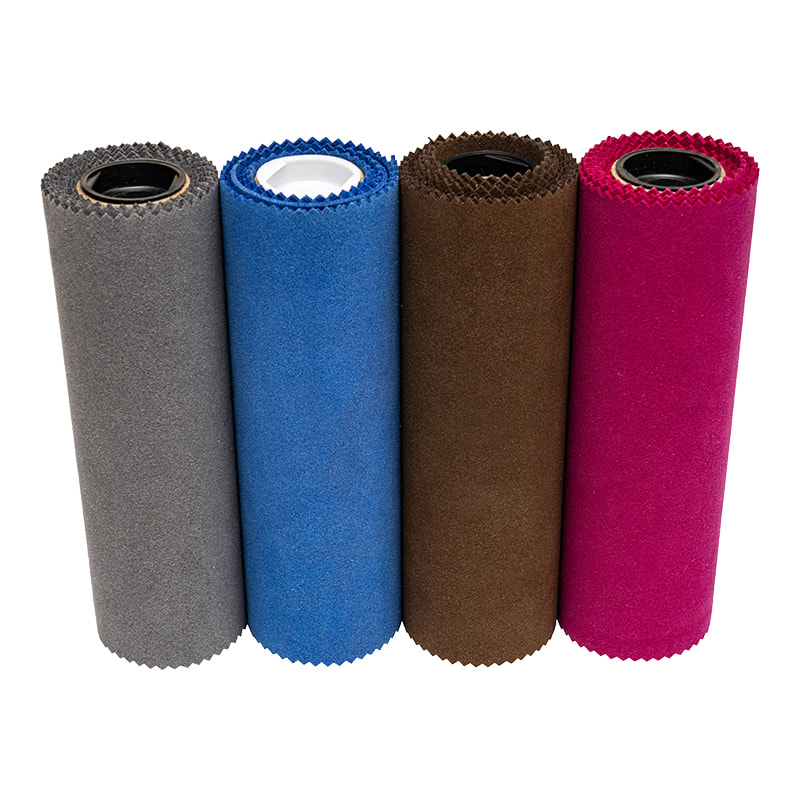
Introduction of Water-Force Microfiber Fabric What is Microfiber Fabric? Microfiber fabric is a type of textil...
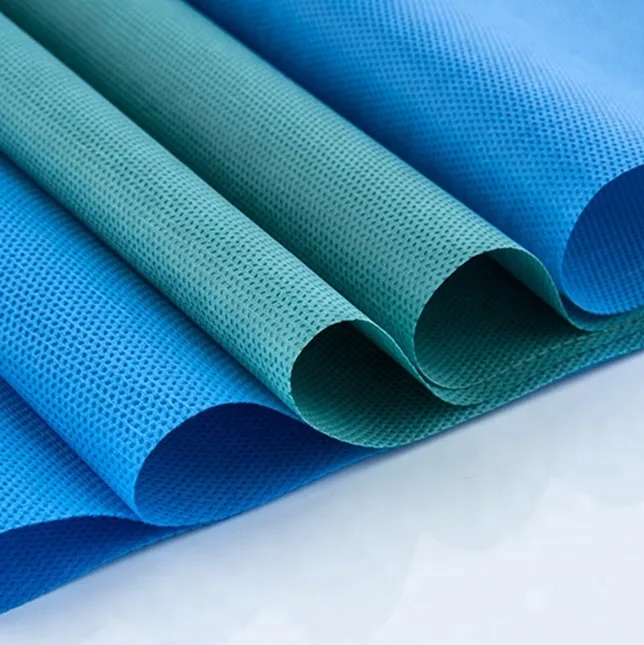
Introduction Water-soluble sea-island fiber nonwoven fabric is a groundbreaking innovation in the textile indu...
What is Water-Soluble Sea-Island Fiber? Definition and Basic Structure Water-soluble sea-island fiber is a spe...
LEMONTA Technology (ShangHai) Co., Ltd. All Rights Reserved. ALL RESERVED.
 Custom Bio-Based Water-Soluble Polyester Fiber Manufacturers
 英语
英语 中文简体
中文简体