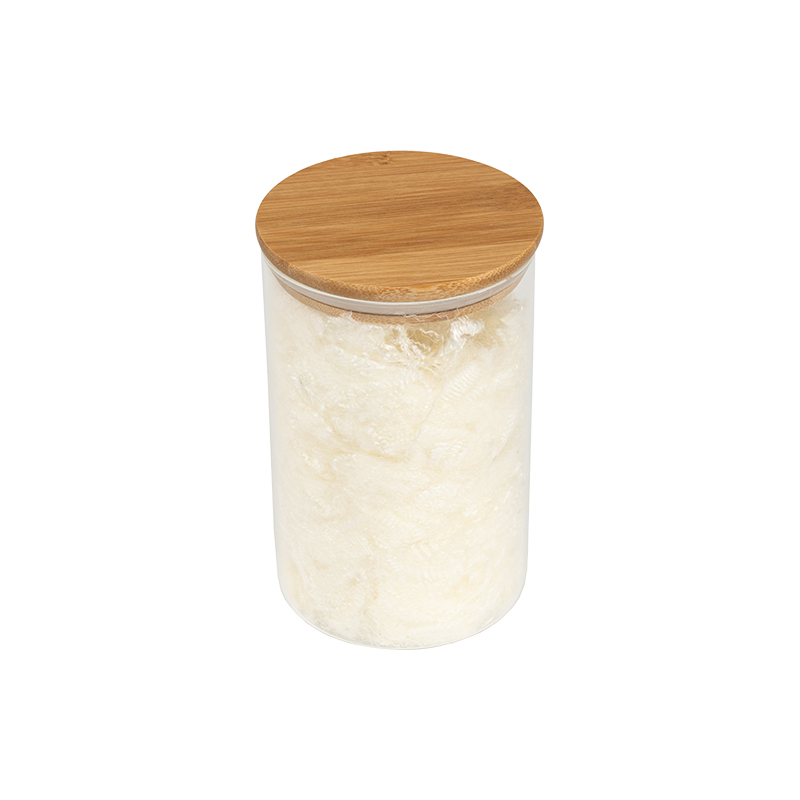
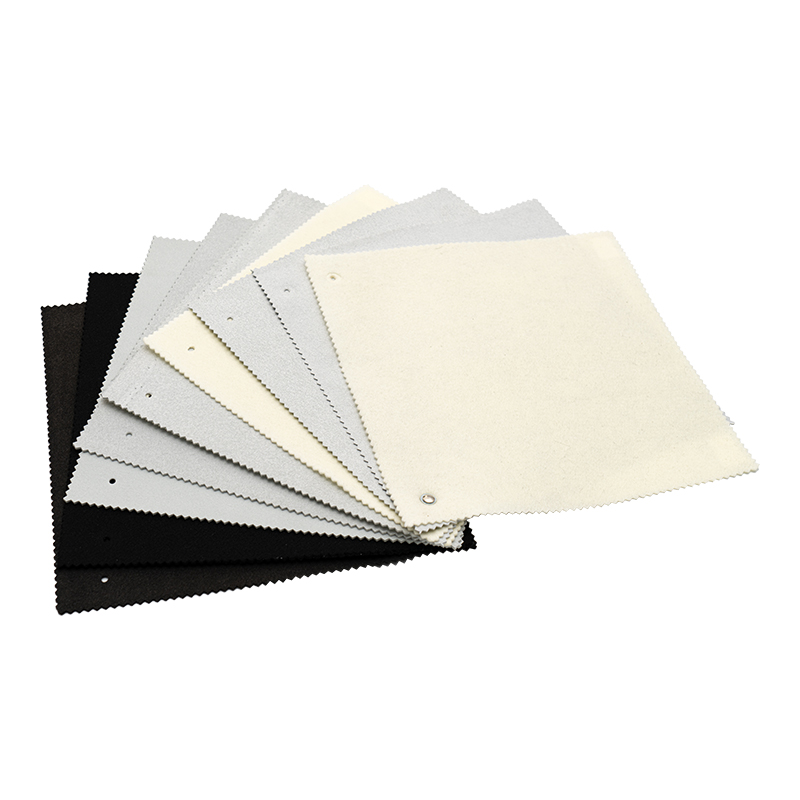
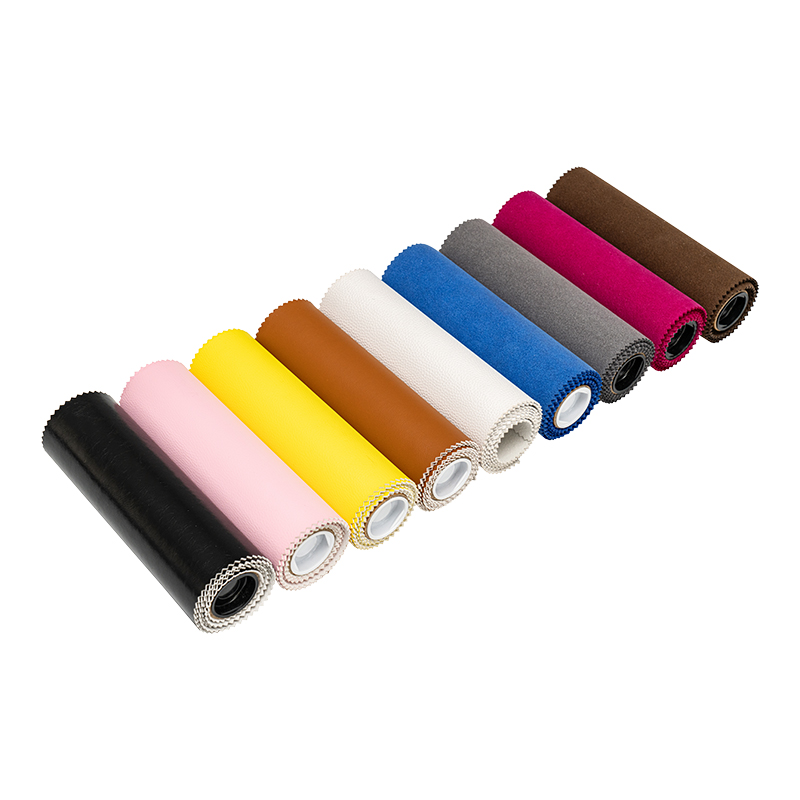
Water-soluble sea island fiber (WSIF) is a bicomponent synthetic fiber engineered with two polymer phases — a dissolvable "sea" component and a durable "island" component — spun together in a single filament. When the finished fabric is treated with hot water or an alkaline solution, the sea component dissolves away completely, leaving behind a bundle of ultra-fine "island" microfibers, often as thin as 0.0001 to 0.001 denier per filament. This is the core mechanism that allows manufacturers to produce microfibers far finer than what conventional single-polymer spinning can achieve.
In practical terms, if your product requires an ultra-soft touch, high surface density for wiping or filtration, or the suede-like texture used in synthetic leather, water-soluble sea island fiber is the standard industry solution. It is specifically preferred over direct ultra-fine spinning because dissolving the sea polymer avoids the fiber breakage and inconsistent diameter that occur when trying to extrude island-sized filaments directly.
Sea island fiber gets its name from its cross-sectional appearance: under a microscope, the "islands" (typically nylon 6 or polyester) are distributed within a continuous "sea" matrix of a water-soluble polymer, most commonly a modified copolyester (COPET) or polyvinyl alcohol (PVA).
Each sea island filament typically contains between 16 and 1,000 islands, depending on spinneret design and the target fineness. A higher island count produces finer individual microfibers after dissolution, which directly affects the softness, surface area, and moisture absorption of the final fabric.
Polymer selection determines dissolution behavior, processing temperature, and the mechanical properties of the resulting microfiber. The table below summarizes the most widely used combinations in commercial production.
| Sea Polymer | Island Polymer | Typical Use |
|---|---|---|
| Modified COPET | Nylon 6 (PA6) | Synthetic leather, artificial suede |
| Modified COPET | Polyester (PET) | Cleaning cloths, filtration media |
| Polyvinyl Alcohol (PVA) | Nylon 6 or PET | High-precision optical and medical wipes |
COPET-based sea components are the dominant industrial choice because they dissolve reliably in hot water without requiring the more expensive alkaline or solvent-based processing that some PVA systems demand, and they generate less wastewater treatment burden at scale.
Manufacturers could theoretically try to spin ultra-fine filaments directly, but sea island technology remains the dominant method for producing true microfiber and nanofiber-range yarns for several practical reasons.
The ultra-fine microfibers released from water-soluble sea island fiber are used across a wide range of technical and consumer products.
This is the single largest application for sea island fiber. After the sea polymer dissolves, the resulting nonwoven microfiber base is impregnated with polyurethane resin to create a material that closely mimics the fiber structure, texture, and durability of natural leather, widely used in footwear, upholstery, and automotive interiors.
Microfiber cleaning cloths made from dissolved sea island fiber can absorb several times their own weight in liquid and effectively trap dust, oil, and bacteria through capillary action between the ultra-fine fibers, a property standard cotton or polyester cloths cannot replicate.
The fine pore structure created by island microfibers makes these nonwovens suitable for air and liquid filtration applications, including HVAC filters and industrial oil-water separation media.
Fabrics made from ultra-fine microfibers offer a soft, silk-like drape combined with good moisture management, making them popular in premium sportswear linings and high-end apparel.
Achieving consistent quality in sea island fiber production requires careful control of several process variables, since deviations can affect both fiber fineness and dissolution efficiency.
Sea island fiber is not the only route to producing microfiber fabrics. Understanding how it compares to alternative approaches helps buyers select the right material for their application.
| Technology | Achievable Fineness | Best Suited For |
|---|---|---|
| Sea island fiber | 0.0001–0.001 denier | Synthetic leather, precision wipes |
| Direct fine-denier spinning | 0.5–1 denier | General apparel fabrics |
| Splittable (segmented pie) fiber | 0.05–0.15 denier | Nonwoven wipes, mid-tier textiles |
| Melt-blown fiber | 1–5 micron diameter | Filtration media, medical masks |
Among these options, sea island fiber consistently achieves the finest individual filament diameters, which is why it remains the standard for premium synthetic leather and the softest-hand-feel textile products on the market.
Because fiber fineness and dissolution consistency directly affect downstream fabric quality, it is worth evaluating potential suppliers on their spinneret precision, island count options, and quality control testing methods such as fiber diameter distribution analysis and dissolution residue testing. Suppliers who can provide flexible island-count configurations and consistent COPET sea-polymer sourcing are typically better positioned to support product lines that require precise control over softness, absorption, and surface texture.

Mitigation of Compliance Risks for Infant & Toddler Shoe Brands and Processing Factories Under Three Core Limit Values: 0.1ppm, 10ppm and 50ppm Preface Microfiber leather is widely adopted in infant and toddler footwear for its superior quality, yet its hidden chemical compliance risks have draw...
READ MORE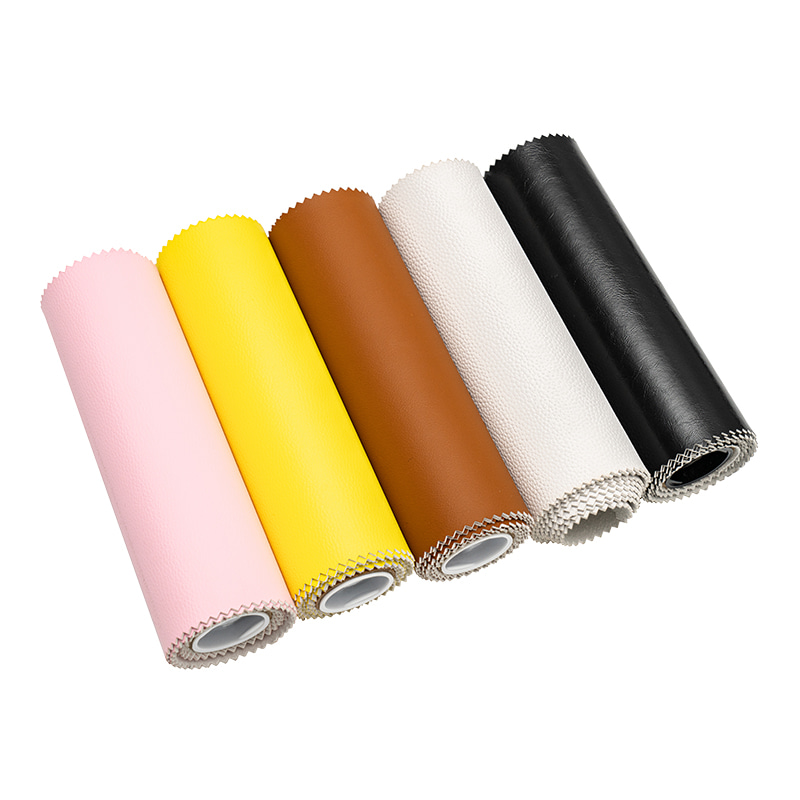
Introduction to Water-Soluble Sea-Island Fiber What is Water-Soluble Sea-Island Fiber? Water-soluble sea-islan...
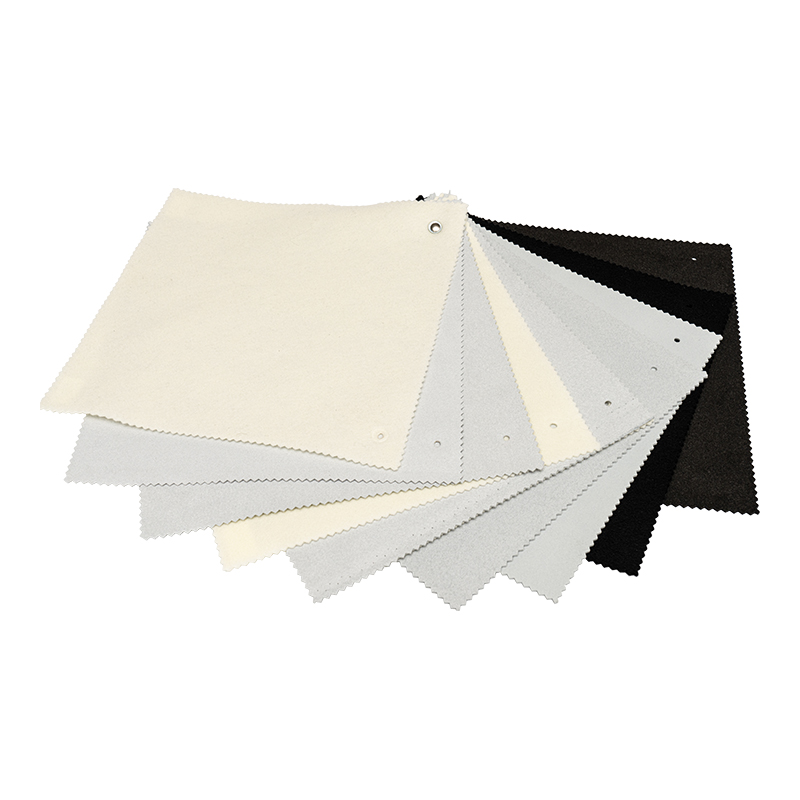
What is Water-Soluble Island-in-the-Sea Fiber? Water-Soluble Sea-Island Fiber is a breakthrough material in th...
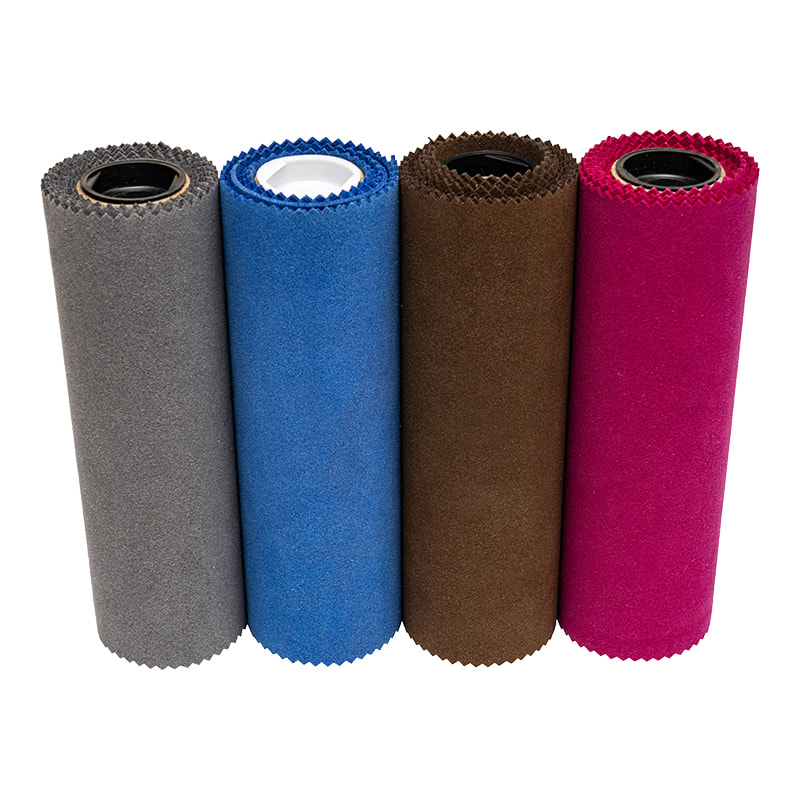
Introduction of Water-Force Microfiber Fabric What is Microfiber Fabric? Microfiber fabric is a type of textil...
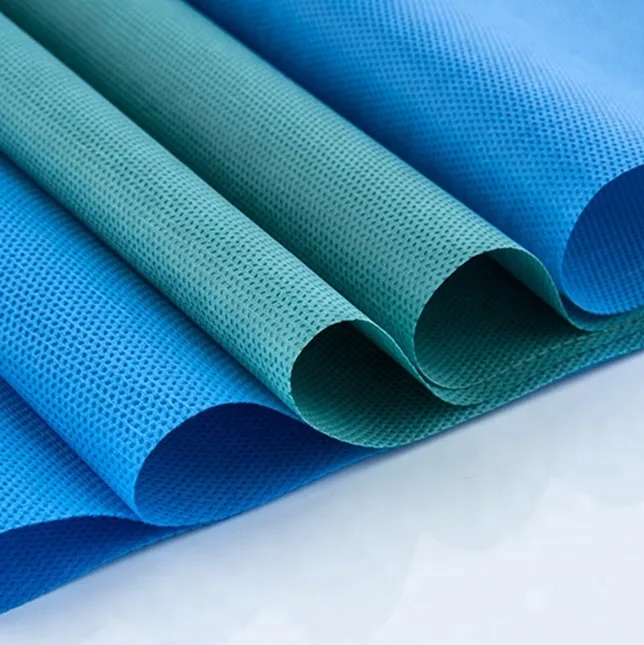
Introduction Water-soluble sea-island fiber nonwoven fabric is a groundbreaking innovation in the textile indu...
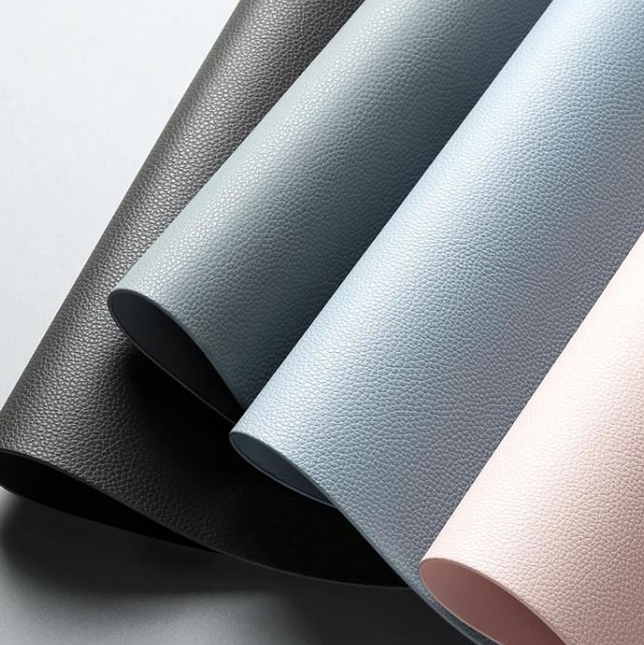
What is Water-Soluble Sea-Island Fiber? Definition and Basic Structure Water-soluble sea-island fiber is a spe...
LEMONTA Technology (ShangHai) Co., Ltd. All Rights Reserved. ALL RESERVED.
 Custom Bio-Based Water-Soluble Polyester Fiber Manufacturers
 英语
英语 中文简体
中文简体