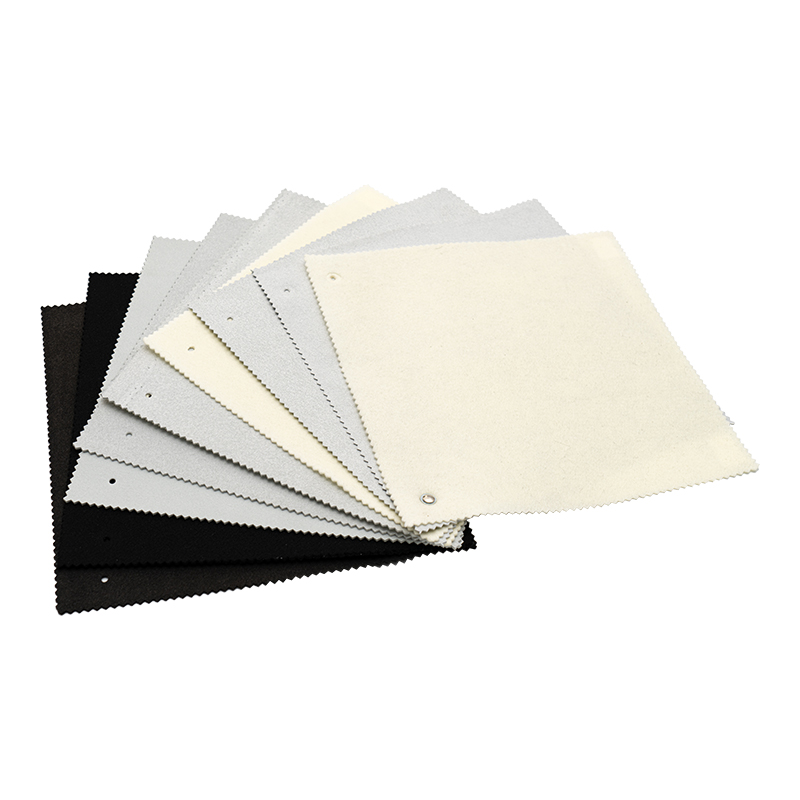
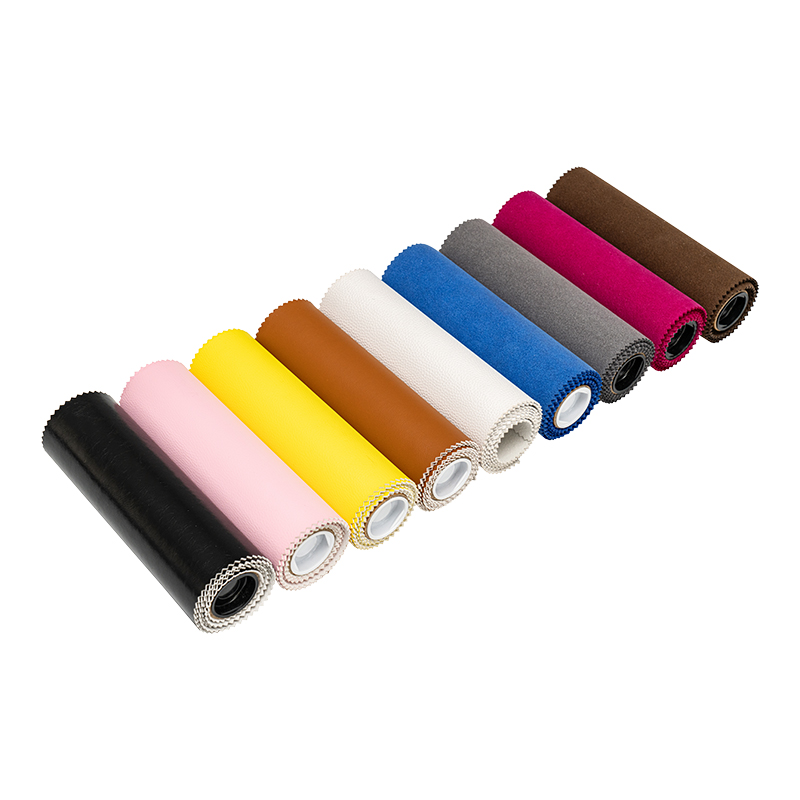
Water-soluble sea island fiber nonwoven fabric is a needle-punched or spunlaced web made from bicomponent sea island filaments, which is later treated in hot water to dissolve the "sea" polymer and leave behind an ultra-dense network of microfiber "islands." The result is a nonwoven substrate with an extremely high fiber count per unit area — often containing hundreds of thousands of individual microfilaments per square centimeter after dissolution — that delivers exceptional softness, absorbency, and structural density unmatched by conventional nonwoven fabrics.
This fabric is the correct material choice whenever a product requires a microfiber base with fine, uniform pore structure and a soft, leather-like or suede-like hand feel — most commonly as the substrate for synthetic leather, high-end cleaning cloths, and precision filtration media. If your application only needs moderate softness or standard absorbency, a lower-cost splittable-fiber or spunbond nonwoven is usually sufficient; sea island nonwoven fabric is reserved for applications where fiber fineness and surface density are the deciding performance factors.
Understanding the fabric's internal structure explains why it performs so differently from standard nonwovens once the sea polymer is removed.
In its raw state, the nonwoven web is composed of bicomponent filaments, each containing 16 to 1,000 individual islands embedded in a continuous sea matrix. At this stage, the fabric behaves mechanically like a conventional polyester or nylon nonwoven — it can be needle-punched, calendered, and impregnated with resin using standard equipment, since the sea polymer still holds the composite filament together.
Once the sea polymer dissolves in hot water, each original filament splits into dozens or hundreds of separate microfibers, often with individual diameters below 1 micron. This transforms the fabric from a relatively coarse composite web into an extremely fine, three-dimensionally entangled fiber network with a dramatically increased surface area — the property responsible for the fabric's characteristic softness and high liquid absorption capacity.
Producing sea island nonwoven fabric involves several distinct stages, from fiber preparation through final dissolution and finishing.
Needle-punching is the dominant bonding method for heavier, structural applications like synthetic leather backing because it produces a dense, mechanically strong web. Spunlace (hydroentanglement) bonding, which uses high-pressure water jets instead of needles, is more common for lighter-weight fabrics used in wiping cloths and filtration media, where a softer, more uniform surface is preferred over maximum structural density.
Manufacturers adjust several process parameters to tailor the fabric's final properties to specific end-use requirements.
| Application | Basis Weight (g/m²) | Bonding Method |
|---|---|---|
| Synthetic leather backing | 400–600 | Needle-punching + PU impregnation |
| Cleaning and wiping cloths | 150–300 | Spunlace |
| Filtration media | 100–250 | Needle-punching or spunlace |
| Apparel lining | 80–150 | Spunlace |
Higher basis weights combined with needle-punch bonding produce the dense, structurally stable base needed for synthetic leather, while lighter spunlace fabrics prioritize softness and drape for wiping or apparel uses.
Once the sea polymer is dissolved, the resulting nonwoven fabric exhibits a distinct set of performance characteristics that set it apart from standard nonwoven materials.
Sea island nonwoven fabric serves as the foundation for several distinct product categories, each leveraging a different combination of its properties.
This remains the largest end use. PU-impregnated sea island nonwoven fabric forms the structural base for premium synthetic leather used in footwear, furniture upholstery, and automotive interiors, offering a fiber structure and drape that closely replicates natural leather while providing more consistent quality across large production batches.
Lighter-weight spunlace versions of this fabric are widely used in professional and household cleaning products, where the ultra-fine fiber network traps dust, oil, and moisture far more effectively than cotton or standard polyester cloths.
The fine, consistent pore structure created after dissolution makes this fabric suitable for air filtration, oil-water separation, and other applications requiring reliable capture of fine particulates.
Selected grades of sea island nonwoven fabric are used in medical wipes and wound care materials, where softness, absorbency, and low linting are critical performance requirements.
Not all sea island nonwoven fabric is produced to the same standard. Buyers and product engineers should assess several factors before selecting a supplier or fabric grade.
Hot-water dissolution generates wastewater containing dissolved sea polymer, most commonly modified copolyester, which requires treatment before discharge. Facilities producing sea island nonwoven fabric at scale increasingly invest in recovery systems that reclaim and reprocess dissolved COPET, reducing both environmental impact and raw material costs. This is an important differentiator when evaluating suppliers, as wastewater treatment capability directly affects both compliance with regional environmental regulations and long-term production cost stability.
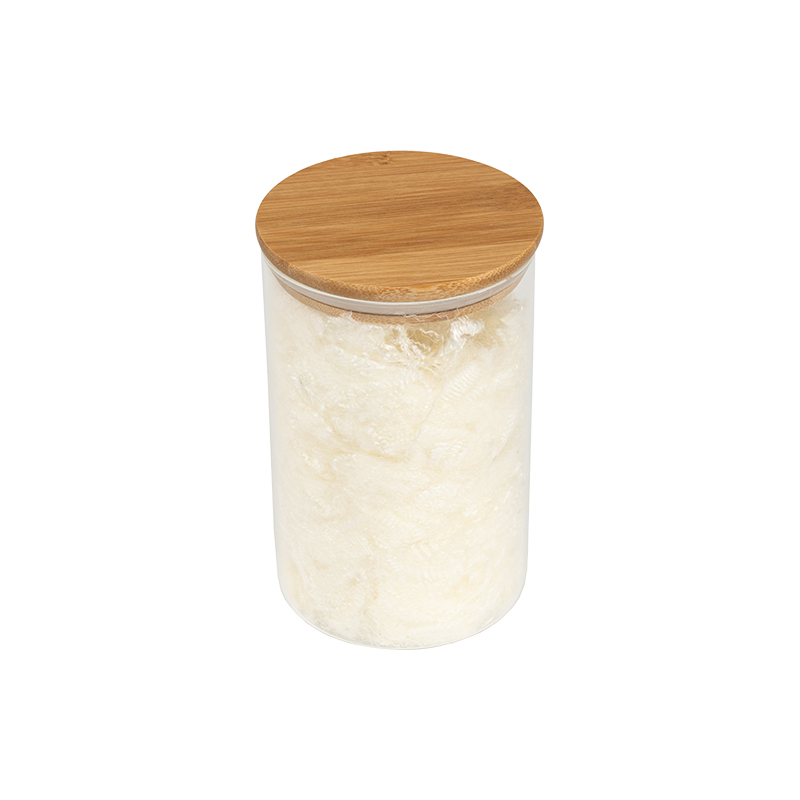
The Direct Answer: What Water-Soluble Sea Island Fiber Does Water-soluble sea island fiber (WSIF) is a bicomponent synthetic fiber engineered with two polymer phases — a dissolvable "sea" component and a durable "island" component — spun together in a single filament. When the finished fabric is tr...
READ MORE
Introduction to Water-Soluble Sea-Island Fiber What is Water-Soluble Sea-Island Fiber? Water-soluble sea-islan...
What is Water-Soluble Island-in-the-Sea Fiber? Water-Soluble Sea-Island Fiber is a breakthrough material in th...
Introduction of Water-Force Microfiber Fabric What is Microfiber Fabric? Microfiber fabric is a type of textil...
Introduction Water-soluble sea-island fiber nonwoven fabric is a groundbreaking innovation in the textile indu...
What is Water-Soluble Sea-Island Fiber? Definition and Basic Structure Water-soluble sea-island fiber is a spe...
LEMONTA Technology (ShangHai) Co., Ltd. All Rights Reserved. ALL RESERVED.
 Custom Bio-Based Water-Soluble Polyester Fiber Manufacturers
 英语
英语 中文简体
中文简体