One of the greatest technical barriers in ultra-fine microfiber production is the limitation imposed by spinneret design and polymer melt behavior. In conventional spinning, producing finer fibers requires smaller spinneret holes and extremely stable melt flow. As hole diameters decrease, risks such as clogging, pressure fluctuation, filament breakage, and inconsistent fiber diameter increase significantly. These issues make direct spinning of ultra-fine fibers difficult, costly, and unreliable at industrial scale.
Water-soluble sea-island fiber technology effectively bypasses these constraints by shifting complexity away from the spinneret and into fiber design. Instead of spinning a single ultra-fine filament, manufacturers spin a larger composite filament composed of multiple “island” fibers embedded within a water-soluble “sea” polymer. The spinneret hole size remains relatively large and stable, allowing high-throughput and consistent spinning performance.
After spinning and fabric formation, the sea component is removed through a water dissolution process. This step releases dozens or even hundreds of ultra-fine island fibers from each original filament. As a result, microfiber fineness is no longer limited by mechanical spinneret dimensions but is instead determined by polymer distribution and cross-sectional engineering.
This approach enables fiber fineness levels—often in the range of 0.1–0.3 dtex or lower—that would be extremely difficult to achieve through direct spinning alone. By decoupling fiber fineness from spinneret constraints, water-soluble sea-island fiber becomes a practical and scalable pathway for ultra-fine microfiber production.
A defining advantage of water-soluble sea-island fiber lies in its pre-engineered fiber splitting mechanism. Unlike traditional microfiber technologies where fiber attenuation or splitting occurs unpredictably during processing, sea-island fiber splitting is determined at the design stage. The number, size, shape, and spatial distribution of island fibers are precisely defined during polymer formulation and spinneret design.
This means the final microfiber diameter is not the result of mechanical force or random stretching, but rather the outcome of deliberate structural engineering. Each island fiber is formed with consistent geometry, ensuring that once the sea component dissolves, the resulting microfibers exhibit highly uniform diameter and cross-sectional consistency across the entire fabric.
This level of precision is critical for high-performance applications. In filtration, uniform fiber diameter leads to predictable pore size distribution and stable pressure drop. In wiping and cleaning applications, it ensures consistent capillary action and surface contact. Mechanical splitting methods, by contrast, often result in uneven fiber widths, broken filaments, or partially split fibers.
By embedding precision into the fiber itself, water-soluble sea-island technology transforms microfiber production from a process-dependent outcome into a design-controlled result. This reliability is a key reason why it has become central to next-generation ultra-fine microfiber manufacturing.
Ultra-fine fibers are inherently fragile. Their low bending stiffness and tensile strength make them difficult to process using conventional textile or nonwoven manufacturing equipment. Without sufficient support, fibers may break, entangle excessively, or fail to form a stable web. Water-soluble sea-island fiber technology addresses this issue by using the sea component as a temporary structural support system.
During spinning, web formation, and bonding, the sea polymer surrounds and protects the island fibers, effectively increasing the apparent fiber diameter and mechanical robustness. This allows manufacturers to use standard processes such as carding, spunbonding, hydroentanglement, or thermal bonding without extensive equipment modification.
The sea component functions as a sacrificial scaffold, maintaining fiber alignment and integrity until the fabric structure is fully stabilized. Only after the nonwoven or textile structure has been fixed is the sea polymer removed via water dissolution. At this stage, even though the fibers become extremely fine, they are already mechanically interlocked within the fabric, preventing structural collapse.
This “support-first, refine-later” strategy is fundamental to making ultra-fine microfiber production feasible at scale. Without the temporary support provided by the water-soluble sea, many ultra-fine fibers would be impractical to process in real-world manufacturing environments.
The method used to separate microfibers has a significant impact on final fiber quality. Mechanical splitting, high-pressure water jets, or chemical treatments often introduce stress, surface damage, or inconsistent separation. In contrast, water-soluble sea-island fiber relies on a gentle physical dissolution process.
When exposed to water under controlled conditions, the sea polymer dissolves evenly, releasing island fibers without applying significant mechanical force. This minimizes shear stress and prevents common defects such as fibrillation, micro-cracks, or surface roughness. As a result, the released microfibers retain smooth surfaces and high tensile integrity.
The dissolution process can be precisely controlled by adjusting water temperature, treatment time, and agitation level. This allows manufacturers to ensure complete sea removal without over-processing, making the process both reliable and repeatable.
The table below compares common microfiber separation methods:
| Separation Method | Fiber Damage Risk | Diameter Uniformity | Process Control | Environmental Impact |
|---|---|---|---|---|
| Mechanical splitting | High | Low | Medium | Medium |
| Chemical solvent splitting | Medium | Medium | Low | High |
| Electrospinning | Low | High | Low | Medium |
| Water-soluble sea-island dissolution | Very low | Very high | High | Low |
This comparison highlights why water-soluble dissolution is uniquely suited for producing high-quality ultra-fine microfibers.
One of the most important outcomes of water-soluble sea-island fiber technology is the dramatic increase in fiber count per unit area after dissolution. A single composite filament containing multiple island fibers effectively multiplies into many individual microfibers, significantly increasing fiber density without increasing fabric weight.
This multiplication effect leads to a substantial rise in specific surface area. Higher surface area improves interaction between fibers and their environment, which is essential for applications involving adsorption, filtration, and fluid management. More fibers also mean more capillary channels, enhancing liquid transport and retention.
In filtration materials, this translates to higher particle capture efficiency at lower pressure drop. In wiping materials, it improves dirt pickup, oil absorption, and cleaning efficiency. Importantly, these benefits are achieved without sacrificing fabric breathability or softness.
Unlike simply packing more coarse fibers into a fabric, increasing fiber count through microfiber splitting preserves flexibility and comfort while delivering superior functional performance. This balance is a defining advantage of water-soluble sea-island fiber systems.
While many technologies can produce ultra-fine fibers at laboratory scale, few can do so reliably at industrial volumes. Electrospinning, for example, produces extremely fine fibers but suffers from low productivity, high energy consumption, and limited scalability. Water-soluble sea-island fiber technology, by contrast, is fully compatible with high-throughput industrial manufacturing.
Because spinning, web formation, and bonding occur before microfiber release, production speeds remain comparable to conventional fiber systems. Quality consistency is also superior, as fiber fineness is built into the design rather than relying on unstable process conditions.
This scalability makes water-soluble sea-island fiber a commercially viable solution for large-volume markets such as filtration media, industrial wipes, medical nonwovens, and advanced textile composites. It uniquely combines ultra-fine microfiber performance with manufacturing efficiency, making it a cornerstone technology for modern microfiber production.
1. Sea-Island Fiber Structure Enables Ultra-Fine Splitting The fundamental reason water-soluble sea-island fiber nonwovens can achieve ultra-fine microfiber structures lies in their unique sea–island bicomponent fiber design. During spinning, the fiber is not made from a single polymer but from two ...
READ MORE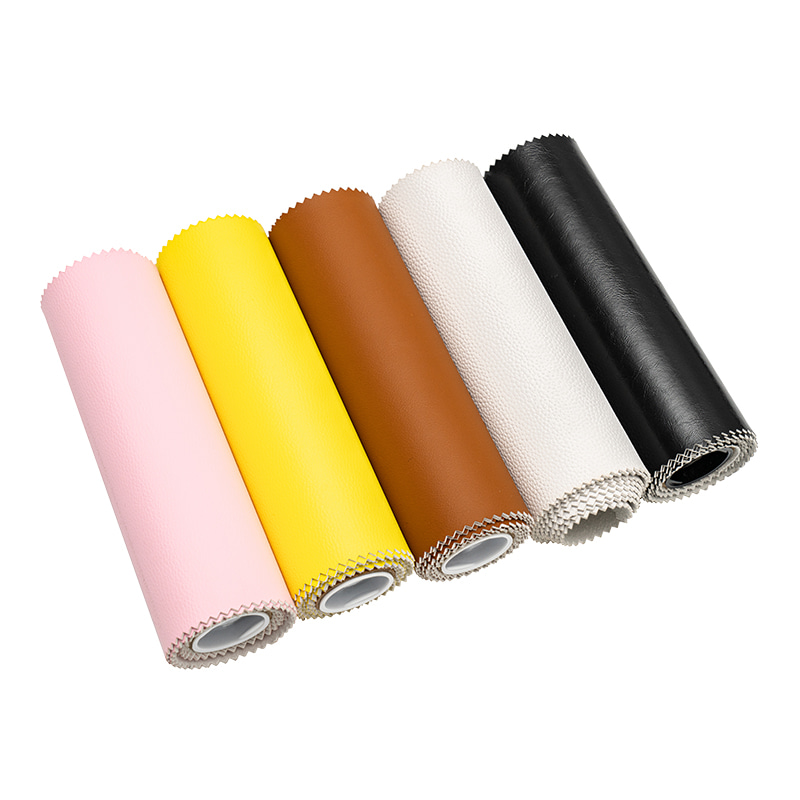
Introduction to Water-Soluble Sea-Island Fiber What is Water-Soluble Sea-Island Fiber? Water-soluble sea-islan...
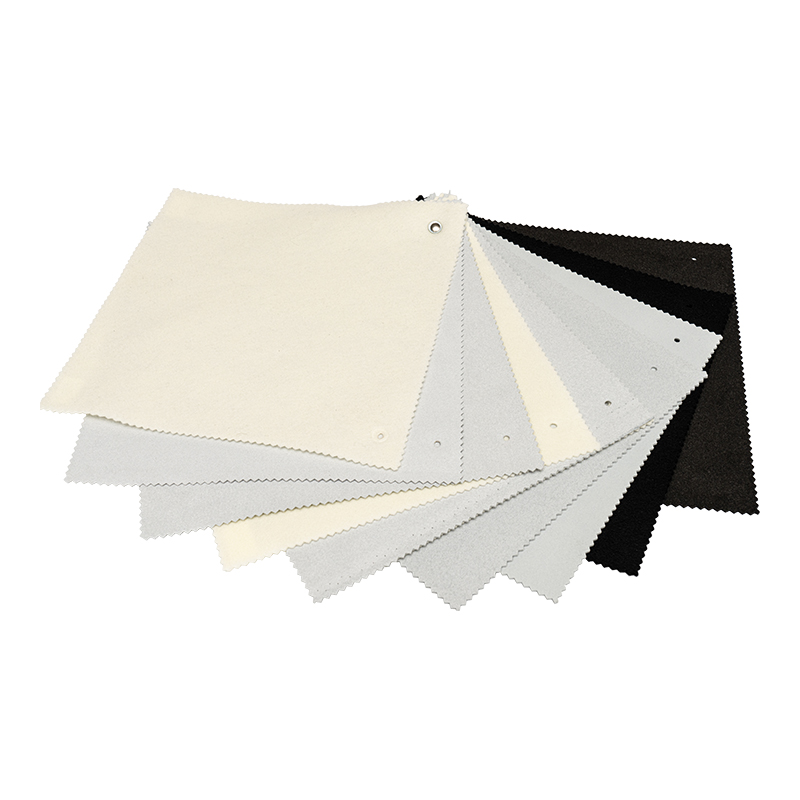
What is Water-Soluble Island-in-the-Sea Fiber? Water-Soluble Sea-Island Fiber is a breakthrough material in th...
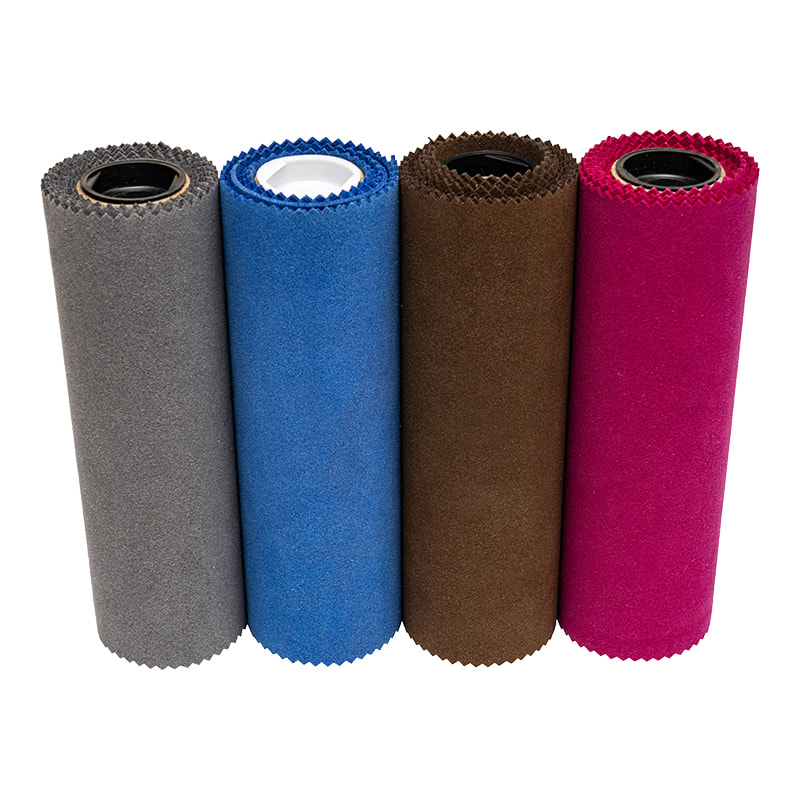
Introduction of Water-Force Microfiber Fabric What is Microfiber Fabric? Microfiber fabric is a type of textil...
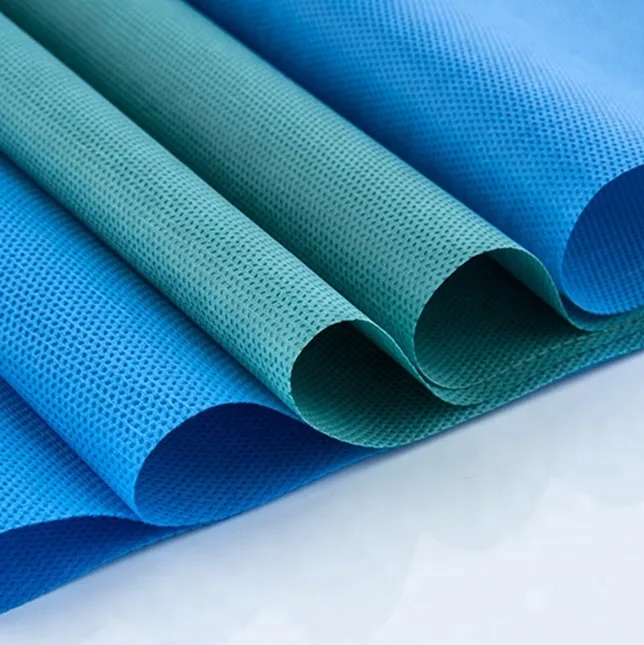
Introduction Water-soluble sea-island fiber nonwoven fabric is a groundbreaking innovation in the textile indu...
What is Water-Soluble Sea-Island Fiber? Definition and Basic Structure Water-soluble sea-island fiber is a spe...
LEMONTA Technology (ShangHai) Co., Ltd. All Rights Reserved. ALL RESERVED.
 Custom Bio-Based Water-Soluble Polyester Fiber Manufacturers
 英语
英语 中文简体
中文简体