

 英语
英语 中文简体
中文简体
Detailed Technical Specifications
| Technical Property | Detailed Specification / Range |
|---|---|
| Island Fineness (Post-Reduction) | 0.01D - 0.05D (Ultra-Fine Grade) |
| Island Count per Filament | 37 / 64 / 105 / 240 Islands |
| Sea Component Material | Advanced Water-Soluble PVA (Modified) |
| Island Component Material | High-Grade Polyamide 6 (PA6) / PET |
| Breaking Tenacity | ≥ 3.8 cN/dtex |
| Elongation at Break | 30% - 42% |
| Hot Water Dissolution Rate | 99.9% in 95°C Pure Water |
| Moisture Regain | 4.5% - 5.5% (PA6 Island) |
| Fiber Length Availability | 38mm, 44mm, 51mm, 65mm |
| Crimp Frequency | 10 - 15 per 25mm |
Our specifications are verified through high-resolution Scanning Electron Microscopy (SEM), ensuring that the internal "island" structure is consistent across every batch. The water-soluble sea component is specifically modified to prevent premature dissolution in ambient humidity, maintaining high stability during the mechanical stress of needle-punching and high-speed carding.
High-End Applications & Industrial Scenarios
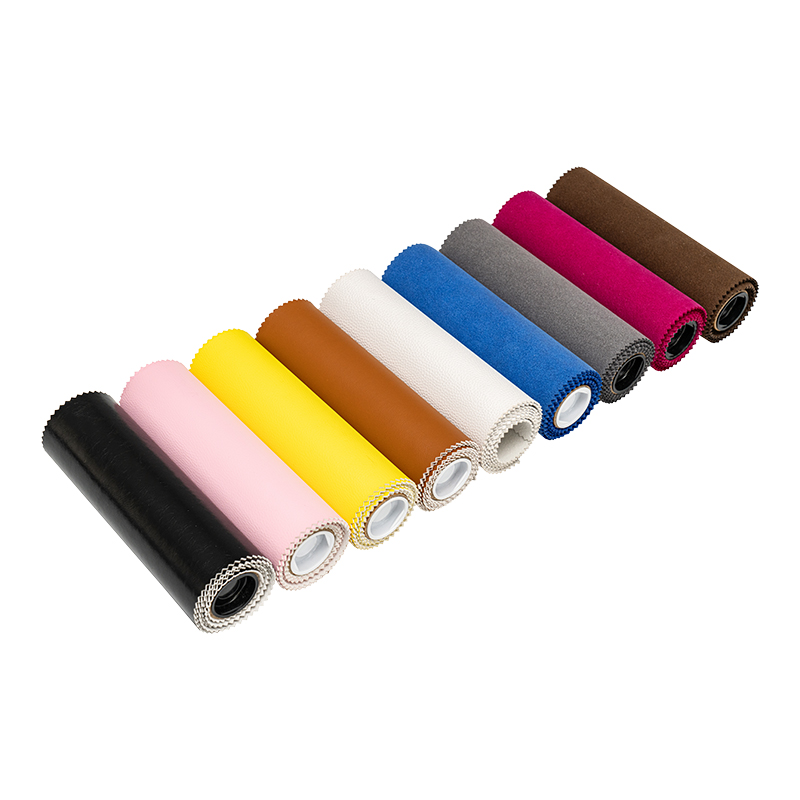
The Ultra-Fine Denier Sea Island Fiber is primarily utilized in the production of High-Definition Synthetic Suede. Because the fiber is so fine, it creates a "writing effect" (the ability to change shade when brushed) that is even more pronounced than that of natural lambskin. This makes it the premier choice for luxury fashion houses creating vegan suede garments, handbags, and premium footwear. In the Automotive Sector, this fiber is used to create Alcantara-style upholstery and headliners that meet the strict low-VOC requirements of modern electric vehicle (EV) cabins. The fine denier ensures that the fabric is not only soft to the touch but also highly resistant to pilling and abrasion, maintaining its premium appearance over the vehicle's lifespan.
Beyond fashion and automotive, this fiber serves a critical role in Precision Industrial Cleaning. In cleanrooms used for semiconductor and aerospace manufacturing, even a single micron of dust can cause catastrophic failure. The massive surface area of our ultra-fine fiber allows it to trap sub-micron particles and oils without the use of chemical detergents. Furthermore, its water-soluble origin means the fiber is inherently free from the oily residues found in traditional microfibers, making it ideal for "Class 10" cleanroom wipes. It is also increasingly used in Medical Textiles, such as advanced wound dressings and hypoallergenic surgical components, where the absence of chemical solvents is a non-negotiable safety requirement.
Core Strategic Advantages
- Extreme Tactile Comfort: The ultra-fine nature of the filaments results in a material that is incredibly soft and supple, providing a luxury hand-feel that exceeds traditional synthetic alternatives.
- Superior Tensile Integrity: By using 95°C water instead of alkaline or benzene baths, we prevent "molecular scission" (the breaking of polymer chains). This means the islands retain their full engineered strength, resulting in a 20% increase in fabric tenacity.
- Zero Hazardous Residue: Our process is 100% Toluene-free, DMF-free, and Benzene-free. This ensures that the final textile is safe for skin contact and meets the world's most stringent eco-labels.
- Unmatched Surface Coverage: One gram of our ultra-fine fiber can cover thousands of square meters if laid out, providing exceptional opacity and density even in lightweight fabrics.
- Consistent Dyeing Results: The uniform distribution of islands ensures that dye molecules penetrate evenly, eliminating the "clouding" effect often seen in lower-quality microfibers.
- Environmental Compliance: Directly supports your brand's ESG goals by significantly reducing the chemical oxygen demand (COD) and volatile organic compound (VOC) emissions during manufacturing.
Trade, Payment & Logistics Details
We provide our Ultra-Fine Denier Sea Island Fiber to industrial manufacturers globally. To protect the integrity of the water-soluble sea component, the fibers are packed in multi-layered, moisture-proof, and UV-protected industrial bales, typically weighing 200kg to 250kg each. This ensures that the material remains stable during sea transit through varying climates. Our primary export hub is Ningbo Port, which offers frequent and efficient shipping routes to Europe, North America, and Southeast Asia.
For new B2B partners, we offer a flexible payment structure. We accept Irrevocable L/C at sight for large-volume contracts, as well as T/T (Telegraphic Transfer) with a standard 30% deposit and 70% balance against the Bill of Lading. We can provide shipping under FOB, CIF, or DDP terms depending on your logistics capabilities. Our technical team also provides full documentation, including a Certificate of Analysis (COA), Technical Data Sheets (TDS), and full Life Cycle Assessment (LCA) data to support your sustainability reporting. Standard lead time for a 20ft container is approximately 14-21 days from order confirmation.
- Q: Why is the water temperature specifically set at 95°C for reduction?
- A: The 95°C threshold is critical for stability. It ensures that the fiber does not soften or dissolve during the heat generated by high-speed needle-punching or warm-water pre-treatments, only "opening" when you are ready for the final reduction stage.
- Q: Does this ultra-fine fiber tend to shed or lint?
- A: No. Because the filaments are continuous and the reduction process is gentle, the fibers remain securely entangled within the nonwoven matrix, making it ideal for lint-free applications.
- Q: Can I blend this with other fibers like recycled polyester?
- A: Absolutely. It is highly compatible with recycled PET or PA6 fibers, allowing you to create a "Green Blend" that meets both performance and recycled-content targets.