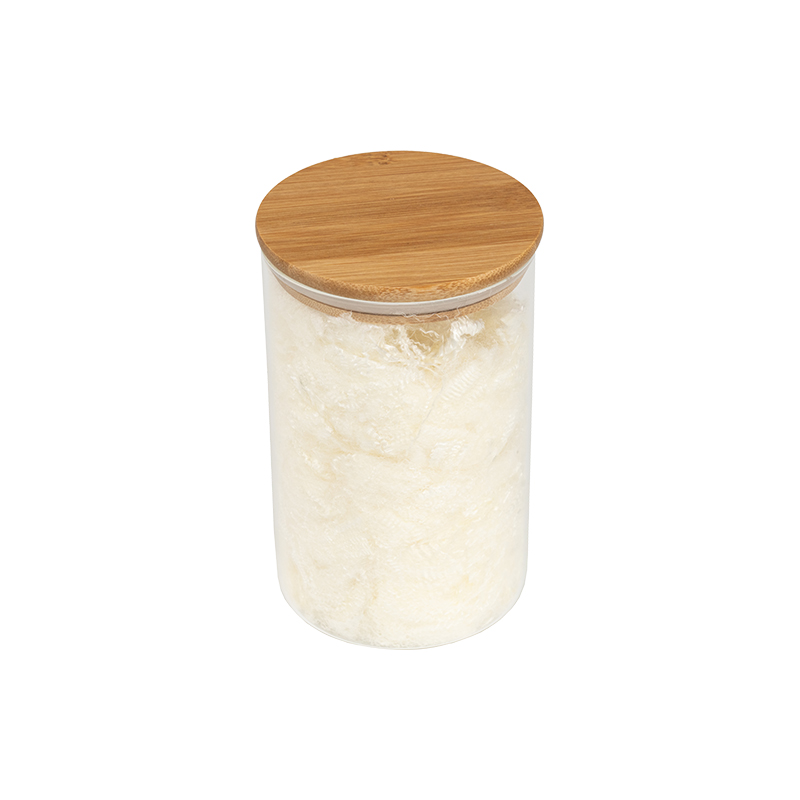
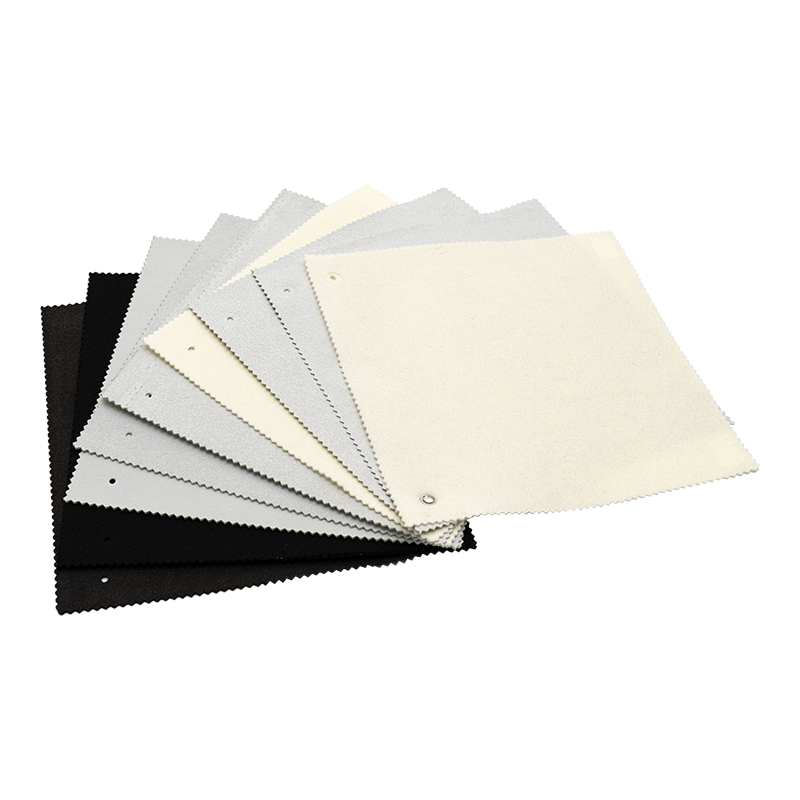
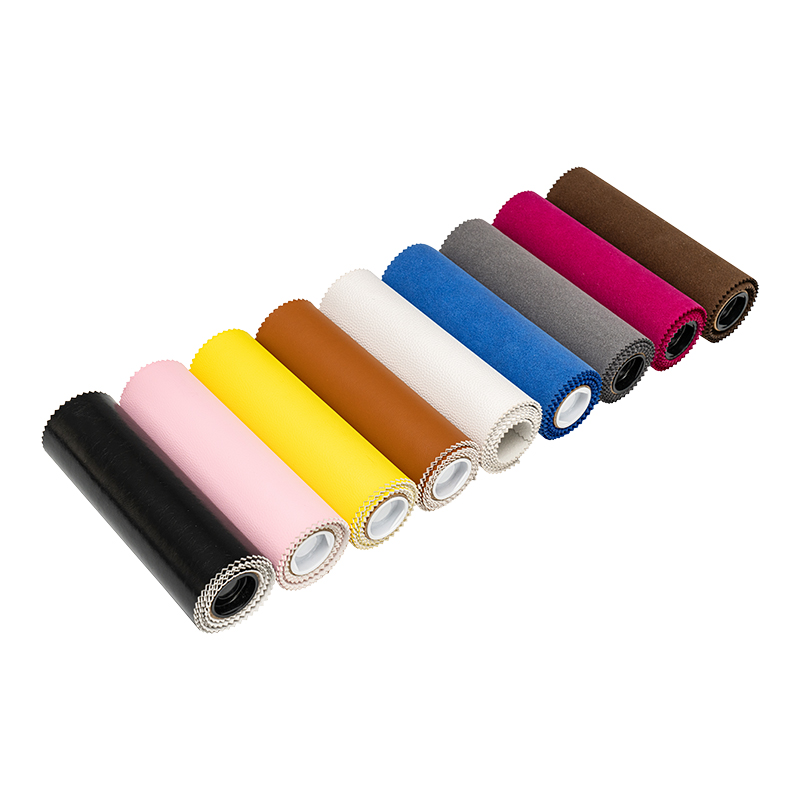
In the world of textile manufacturing, the quest for vibrant, durable color that also meets modern sustainability standards has led to a quiet revolution in dyeing technology. Dope dyed fiber, often referred to as solution-dyed fiber, stands at the forefront of this change. It is a process that fundamentally rethinks how color is applied to synthetic textiles, shifting from a post-production step to an integral part of the fiber's creation. For manufacturers aiming to reduce their environmental footprint without sacrificing product quality, understanding dope dyed fiber is no longer optional—it is essential.
Dope dyed fiber, also known as solution-dyed fiber, is a type of synthetic fiber where color pigments are added directly to the polymer solution—the "dope"—before the fiber is extruded. This means the color is locked into the very core of each filament from the very beginning, rather than being applied to the surface of an already-formed fabric or yarn. The term "dope" in this context refers to the viscous polymer solution used as the raw material for creating synthetic fibers like polyester and nylon.
This approach stands in stark contrast to batch dyeing or piece dyeing, where undyed fabric is later immersed in a dye bath. In dope dyeing, the color is part of the fiber's DNA, resulting in exceptional colorfastness and consistency.
To truly appreciate the advantages of dope dyed fibers, it helps to compare the process directly with conventional methods. Traditional piece dyeing involves large volumes of water, energy, and chemical auxiliaries to fix the dye onto the fabric. This process generates significant wastewater and requires extensive treatment before discharge.
In contrast, the dope dyeing process eliminates the dye bath entirely. Pigments are masterbatched with the polymer chips or liquid, and the mixture is then melted and extruded through spinnerets. The entire coloration happens within a closed system, drastically reducing water usage and chemical runoff. This not only makes the process far more environmentally friendly but also ensures that each fiber, from the first meter to the last, is exactly the same shade.
| Feature | Dope Dyed Fiber | Conventionally Dyed Fabric |
|---|---|---|
| Water Consumption | Minimal to none | Very high |
| Energy Use | Lower, due to fewer steps | Higher (heating dye baths) |
| Color Fastness | Excellent (color locked in) | Good, but can fade over time |
| Wastewater Output | Nearly eliminated | Significant pollution load |
| Production Flexibility | Best for large, consistent runs | Good for small, varied batches |
Perhaps the most compelling reason for the growing interest in dope dyed fiber is its sustainability profile. The textile industry is under increasing pressure to reduce its water footprint and chemical usage, and dope dyeing offers a clear path forward. By eliminating the need for a wet dyeing step, manufacturers can achieve substantial reductions in water consumption and energy use, directly lowering their overall carbon footprint.
This aligns closely with the principles of a circular economy. For companies like ours at LEMONTA, the drive toward truly sustainable materials means looking at every stage of the production chain. Our commitment to water-splitting microfiber technology and solvent-free processes is part of a broader industry shift. Dope dyed fibers complement this vision perfectly, as they represent a raw material that is inherently less polluting to produce. When you combine a low-impact fiber with a low-impact splitting process, the result is a material that embodies sustainability from the inside out.
Beyond its environmental benefits, dope dyed yarn and fabric offer tangible performance advantages that make them superior choices for demanding applications.
For manufacturers of high-quality textiles, the choice of raw materials directly impacts the final product's performance and marketability. Dope dyed fiber is particularly valued in sectors where color stability and environmental compliance are key. It is widely used in automotive textiles, marine fabrics, awning materials, and performance sportswear.
At LEMONTA, we understand that the journey of a superior product begins with the right input material. Our own expertise in producing high-quality 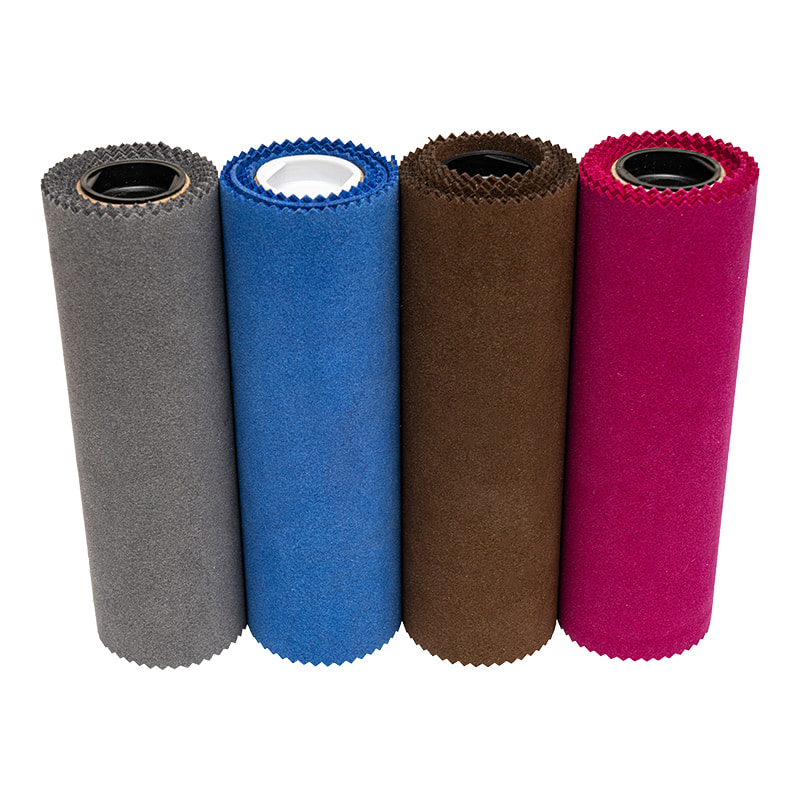 Water-Force Microfiber Fabric: Eco-Friendly Sea-Island Fiber BaseThis green, mass-producible water-force microfiber fabric uses water-soluble sea-island fibers, aligning with LEMONTA's material science principles and the industry shift toward sustainable production.View Product → is built on a foundation of rigorous material science. When we talk about sustainable innovation, it is not just about our unique water-splitting process; it is also about how we select and work with raw materials. The logic behind dope dyed fibers aligns perfectly with the principles we apply to our entire product chain, from fiber to finished base.
As the industry moves toward stricter environmental regulations and consumers demand more responsible products, dope dyeing is not just a trend—it is becoming a new standard. To understand more about the evolving landscape of fiber technology and how it supports cleaner production, we encourage you to explore the broader discussion on how fiber choices impact microfiber manufacturing.
Dope dyed fiber represents a significant evolutionary step in textile coloration. It offers a powerful way to achieve brilliant, long-lasting color while dramatically reducing the environmental burden of traditional dyeing processes. For industry professionals seeking to align their products with the growing demand for sustainability and high performance, dope dyed yarn and fiber provide an immediate, effective solution. By choosing materials that are colored at the source, manufacturers are not just making a better product—they are investing in a cleaner, more responsible future for textiles.
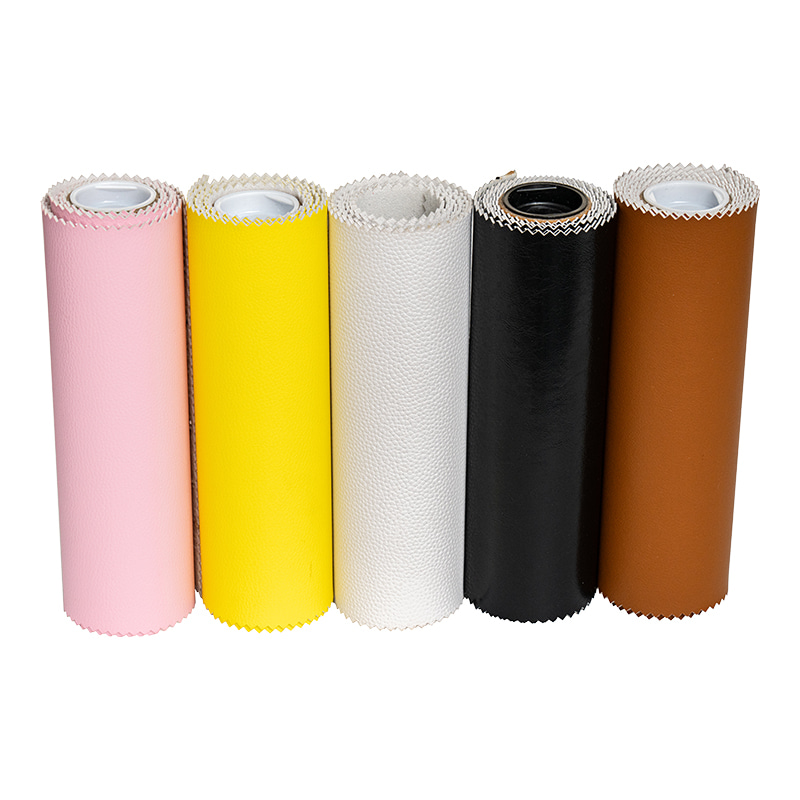
A bonded fabric can look flawless on a sample board and still fail after repeated flexing. The weak point is rarely the face fabric. More often, it is the adhesive layer or the nonwoven base that was not engineered for the intended end use. For anyone buying bonded fabrics for footwear, upholstery,...
READ MORE
Introduction to Water-Soluble Sea-Island Fiber What is Water-Soluble Sea-Island Fiber? Water-soluble sea-islan...
What is Water-Soluble Island-in-the-Sea Fiber? Water-Soluble Sea-Island Fiber is a breakthrough material in th...

Introduction of Water-Force Microfiber Fabric What is Microfiber Fabric? Microfiber fabric is a type of textil...
Introduction Water-soluble sea-island fiber nonwoven fabric is a groundbreaking innovation in the textile indu...
What is Water-Soluble Sea-Island Fiber? Definition and Basic Structure Water-soluble sea-island fiber is a spe...
LEMONTA Technology (ShangHai) Co., Ltd. All Rights Reserved. ALL RESERVED.
 Custom Bio-Based Water-Soluble Polyester Fiber Manufacturers
 英语
 中文简体