Anyone comparing fiber suppliers for a nonwoven production line in 2026 will run into conflicting numbers about the bicomponent fiber market. One forecast sees global volume reaching 1.19 million metric tons by 2031. Another predicts value crossing USD 3 billion by 2029. A third expects growth above 9% for a decade. These numbers are not contradictory once the methodology is clear, but they are also not what a buyer should start with. The real question is which structure of bicomponent fiber fits the application and at what cost.
The market is a collection of different cross-sections, each with its own process window and performance profile. A meltblown line has no use for a stretchable side-by-side filament. A filtration media maker that needs sub-denier fibers will only look at islands-in-the-sea. Starting from the market headline and then finding material is the wrong sequence. The practical sequence is working backward from the process and the end product.
A bicomponent fiber is a single filament that combines two polymers in one cross-section. The polymers may be arranged as two halves (side-by-side), as a core surrounded by a sheath, as many small islands inside a soluble matrix (islands-in-the-sea), or as alternating wedges (segmented pie). The arrangement determines what the fiber can do after downstream processing: crimp, bond, split, or dissolve away.
| Structure | Polymer arrangement | What it delivers after processing |
|---|---|---|
| Side-by-side | Two distinct halves running the length | Self-crimping bulk and elastic stretch |
| Sheath-core | One polymer fully covers the other | Thermal bonding and conductivity |
| Islands-in-the-sea | Fine islands embedded in a removable matrix | Ultra-fine fibers after the matrix dissolves |
| Segmented pie | Alternating wedges around the center | Microfibers when split mechanically |
Published forecasts for the same market vary because of the segmentation choices behind each model. Some count only filament production; others include staple fiber and spunbond nonwovens. Some restrict the scope to extruded bicomponents; others add recycled and specialty structures. As a result, value forecasts range from roughly USD 1.6 billion to USD 5.4 billion by the early 2030s, and growth rates from under 5% to over 14%.
A useful distinction for procurement teams is between volume growth and value growth. When polyester and nylon pellet prices fall, market value can drop even as shipped tonnage climbs. That is why a forecast of 1.19 million tons can coexist with a value projection that looks flat. For a buyer, this means the price per kilogram carries more signal than the total market value.
For a buyer, this spread has a clear implication. If your product belongs to the islands-in-the-sea segment, the total market size is a weak signal. What matters is the demand within that structure family and whether the supplier can keep the island count consistent in every lot. The more useful exercise is mapping the specific application that drives your order to the fiber structure that can deliver it, and then validating that structure against your process. It helps to read why water-soluble sea-island fiber is key to ultra-fine microfiber production before you set the specification.
Three forces are pushing the market forward. First, hygiene nonwovens remain the largest volume user. Sheath-core bicomponents provide heat bonding without chemical binders, which suits diaper cover stock, feminine hygiene, and adult incontinence lines. Second, technical textiles and filtration are the fastest-growing segment. They require fibers that are finer, more uniform, and more precisely controlled than commodity grades. Third, sustainability rules are reshaping production methods worldwide. The shift away from solvent-based processes is not cosmetic; it is becoming a gate for access to certain markets.
The islands-in-the-sea structure is the only common bicomponent configuration that can convert an ordinary filament into microfibers below 0.1 dtex. A water-soluble PVA matrix holds nylon or polyester islands. When the matrix is removed in hot water, the islands remain as individual fine fibers. This is the route to microsuede, technical wipes, advanced filtration media, and synthetic leather bases.
Two specifications drive the performance outcome. The first is island count. A higher island count with the same denier produces finer fibers. The second is island distribution. If the islands are spaced unevenly in the cross-section, the resulting fibers will vary in denier and create streaks in the final product.
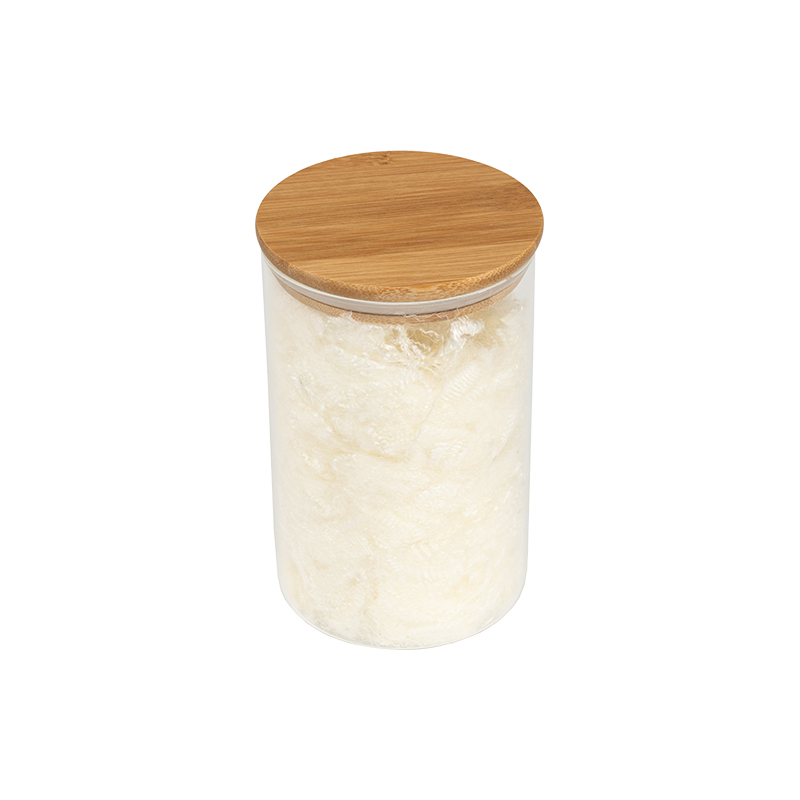
 Water-Soluble Sea-Island Polyester Fiber with Controlled Island DistributionThis fiber's island count and distribution directly affect fiber fineness and uniformity, which are critical for performance. Its water-soluble sea phase enables solvent-free processing, reducing chemical risks.View Product →
There are four parameters that carry most of the procurement risk in this segment.
Fiber is only the first link in the chain. For microsuede or synthetic leather, the path usually moves from fiber to nonwoven fabric to a finished base material. Each step adds a layer of variables: web weight, fiber length, shrinkage, and caliper.
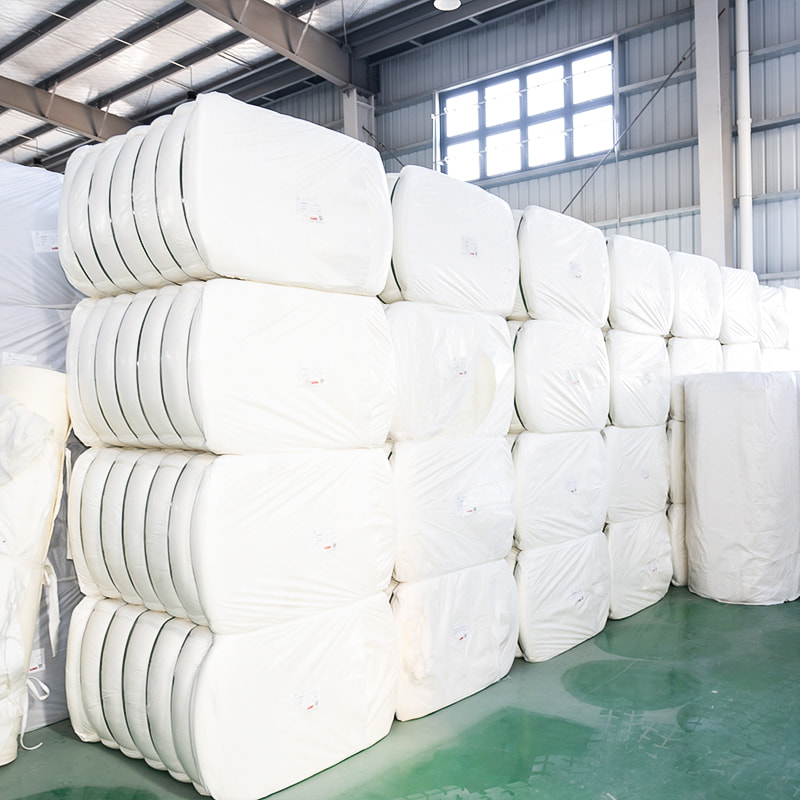
When a single supplier controls more of that chain, three risks decrease. The splitting performance remains consistent because the fiber and the nonwoven are designed together. The environmental footprint stays auditable because the water-recovery and drying steps are integrated. The final base material matches the fiber specification because the company is accountable for both.
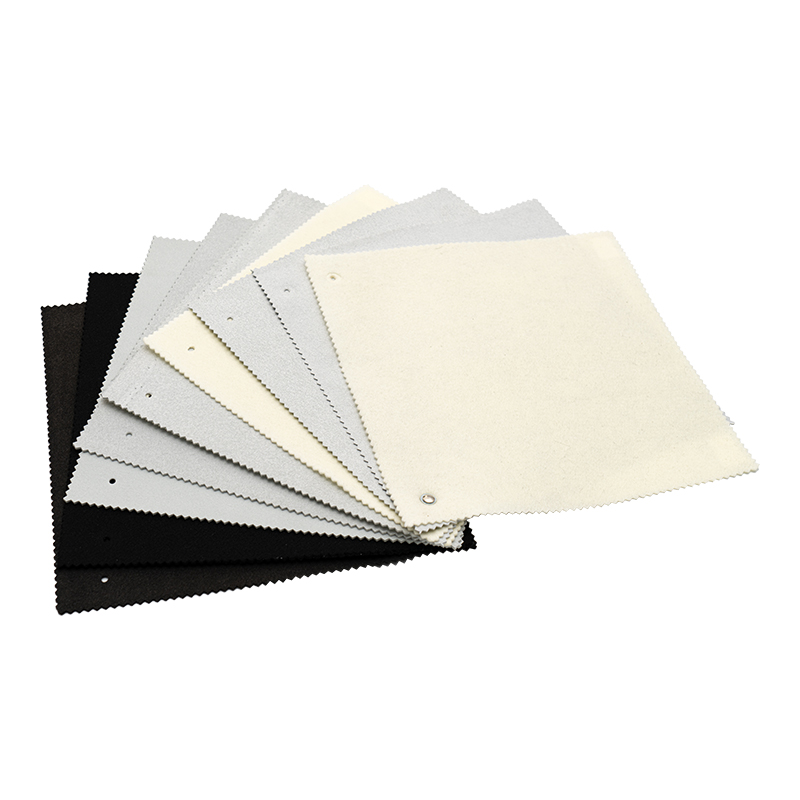
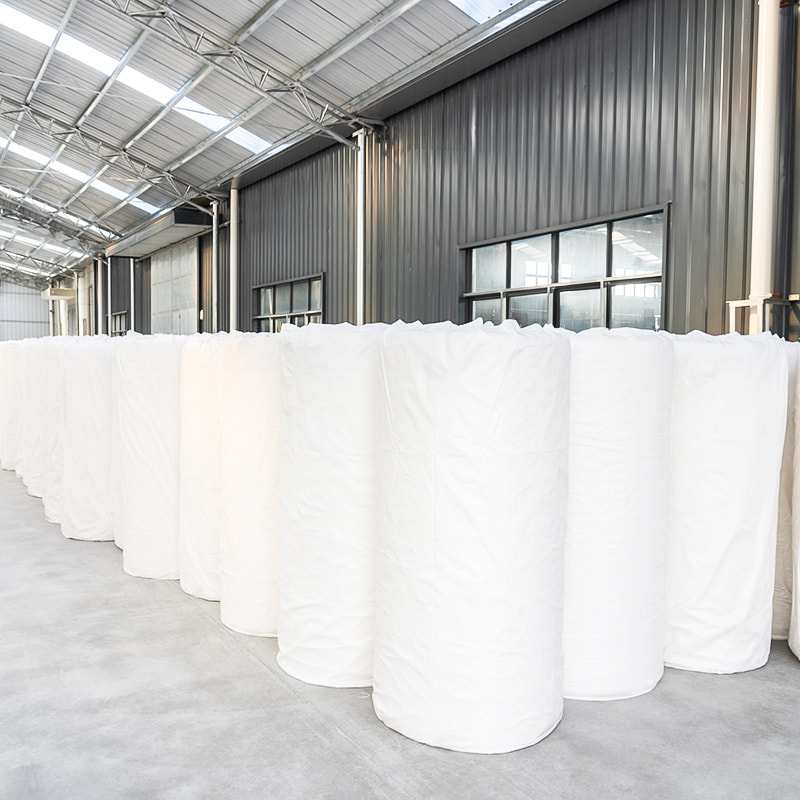 Integrated Water-Soluble Polyester Sea-Island Nonwoven FabricThis nonwoven combines fiber and fabric production under one supplier, ensuring consistent splitting and auditable environmental performance. It supports process optimization for your specific application.View Product →
The bicomponent fiber market will keep producing different forecasts, but the decision inside a plant is more concrete. Start with the process you already run or plan to run. Determine the splitting method, the water temperature, and the required fiber fineness. Then compare those constraints with the island count, solubility curve, and lot-to-lot uniformity a supplier can deliver.
For buyers who want a solvent-free route to ultra-fine fibers, the sample test is more valuable than the market graph. Ask for a production-scale sample and run it through your own line before committing to volume.
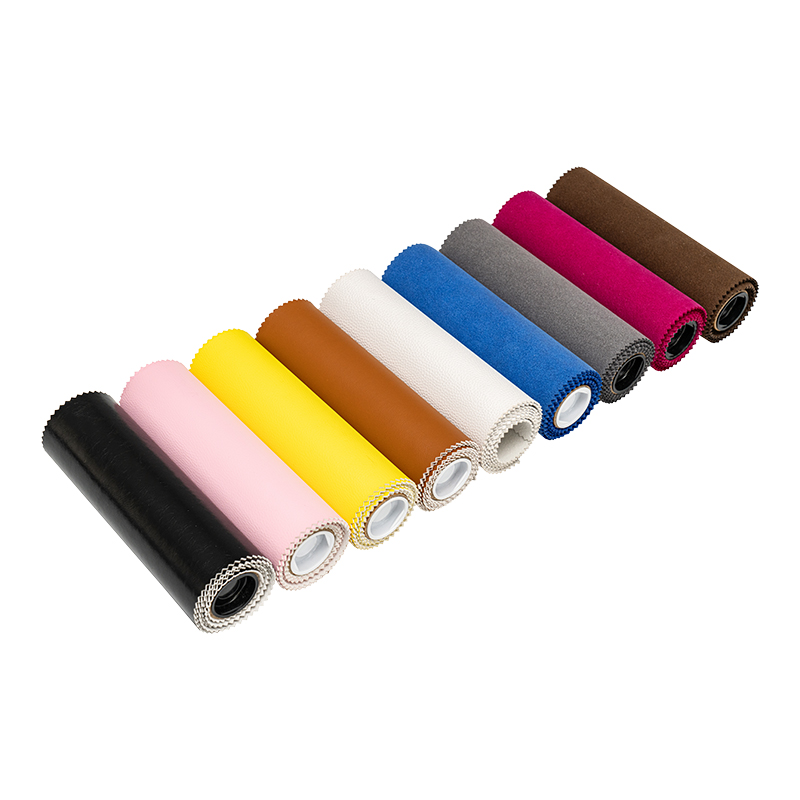
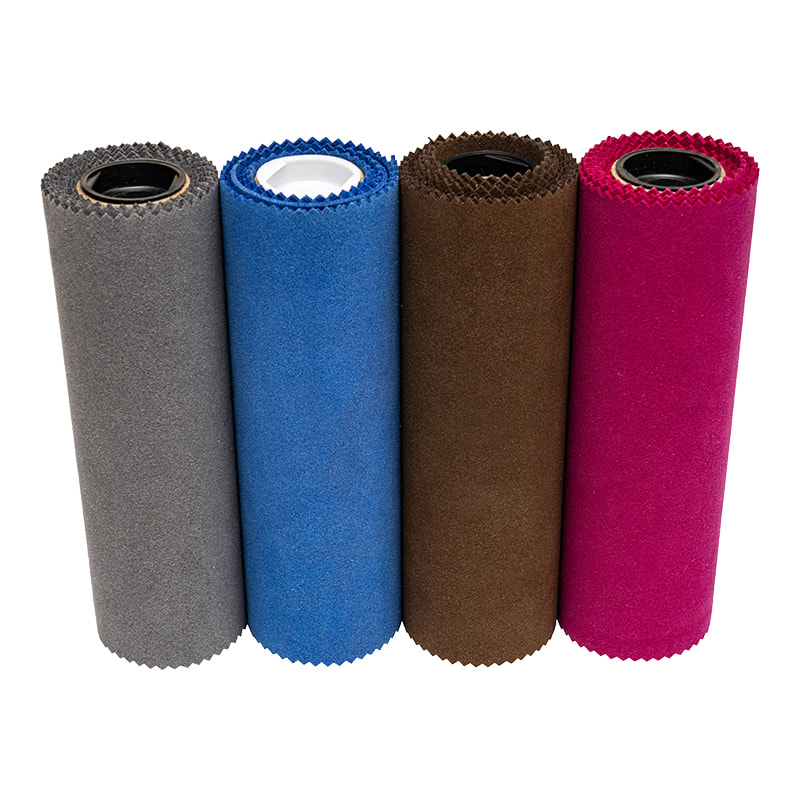 Solvent-Free Water-Force Microfiber Fabric for Sample TestingThis fabric offers a green, solvent-free route to ultra-fine fibers, ideal for buyers seeking sustainable options. Request a production-scale sample to validate its performance on your line before volume orders.View Product →
If you want to discuss the specific island count and splitting parameters for your application, contact our technical team.
Every time a synthetic garment goes through a wash cycle, hundreds of thousands of microscopic fibres can break away. Those fibres are drawn into wastewater, and a significant share eventually reaches rivers and oceans. For textile manufacturers, this is no longer a theoretical issue. Microfibre sh...
READ MORE
Introduction to Water-Soluble Sea-Island Fiber What is Water-Soluble Sea-Island Fiber? Water-soluble sea-islan...
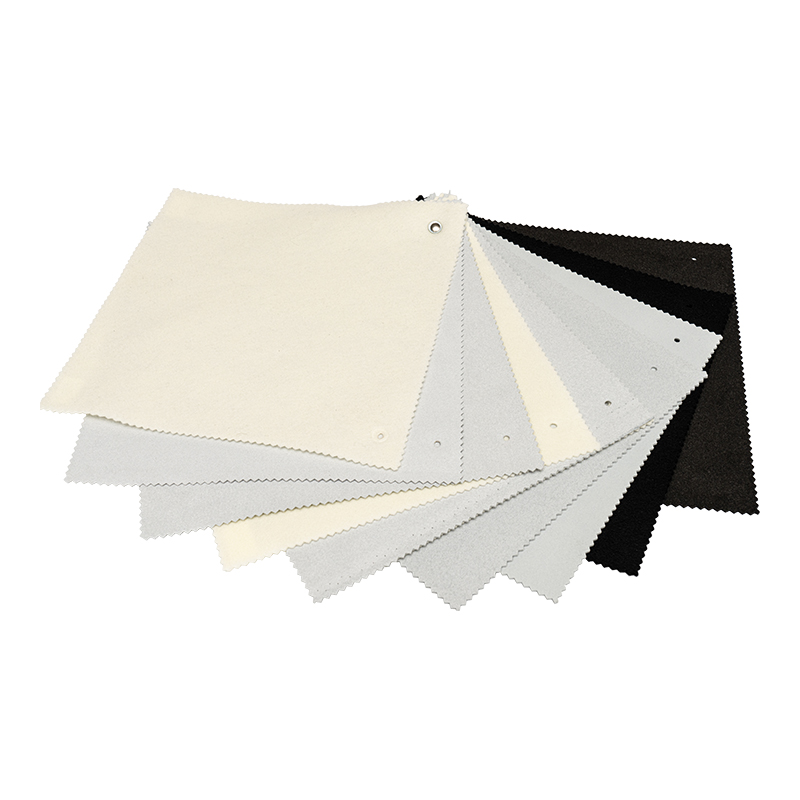
What is Water-Soluble Island-in-the-Sea Fiber? Water-Soluble Sea-Island Fiber is a breakthrough material in th...

Introduction of Water-Force Microfiber Fabric What is Microfiber Fabric? Microfiber fabric is a type of textil...
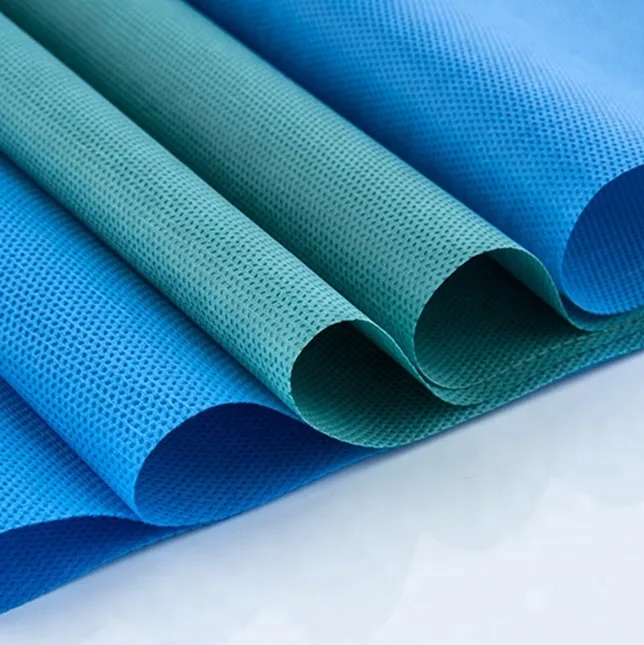
Introduction Water-soluble sea-island fiber nonwoven fabric is a groundbreaking innovation in the textile indu...
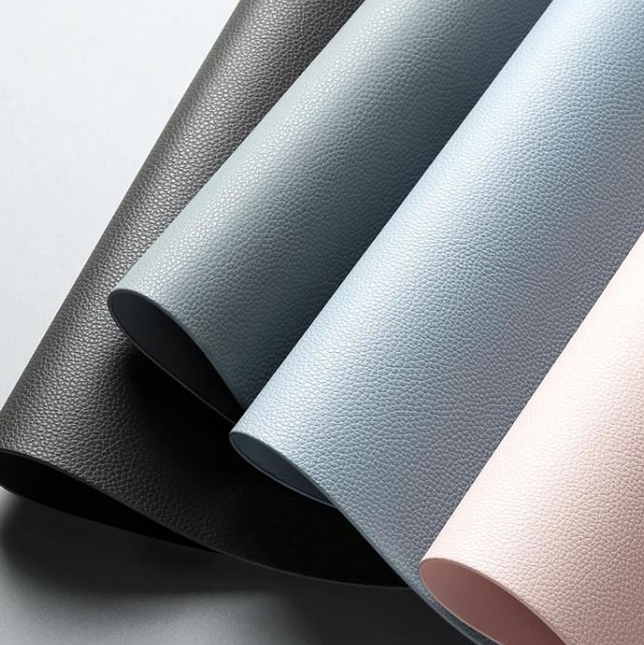
What is Water-Soluble Sea-Island Fiber? Definition and Basic Structure Water-soluble sea-island fiber is a spe...
LEMONTA Technology (ShangHai) Co., Ltd. All Rights Reserved. ALL RESERVED.
 Custom Bio-Based Water-Soluble Polyester Fiber Manufacturers
 英语
英语 中文简体
中文简体