If you have ever opened a yarn specification sheet, a purchase order, or a supplier's technical data file and found the letters FDY sitting next to a denier number, you are not alone in pausing for a second. The abbreviation turns up constantly in the filament yarn trade, yet it is rarely spelled out. The short answer is simple: FDY means Fully Drawn Yarn.
That answer becomes useful once you understand what "fully drawn" actually changes about the yarn in your hand. Drawing is the step that pulls freshly spun filaments to several times their original length, forcing the long polymer chains to line up along the fibre axis. Complete that step during spinning and you have FDY. Stop halfway and you have POY. Add texture afterwards and you have DTY. The three are relatives rather than rivals, and knowing where each one sits makes specification work far easier.
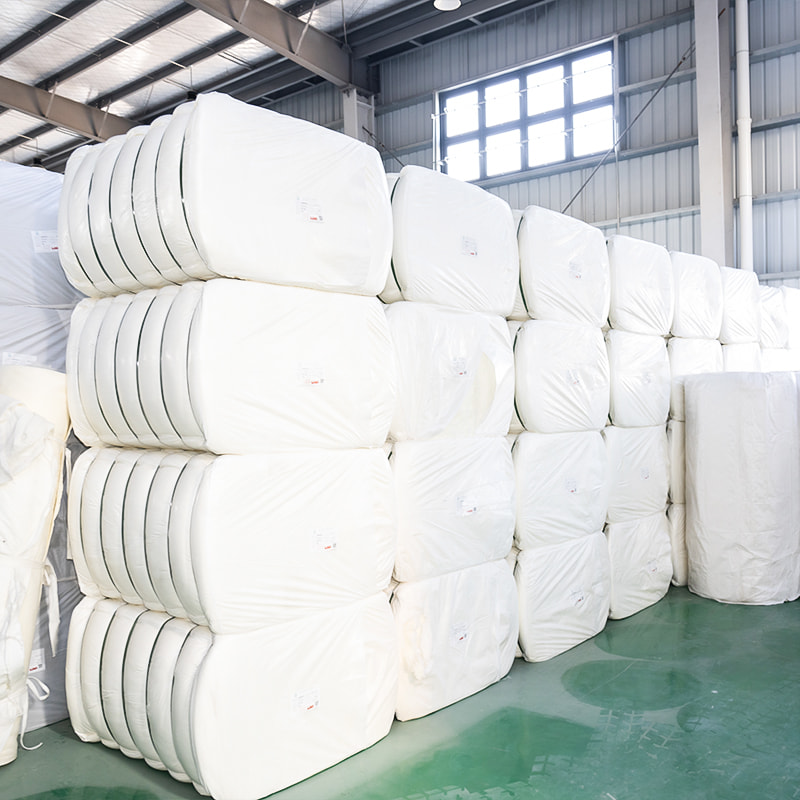
FDY stands for Fully Drawn Yarn, a continuous filament yarn that has been spun and drawn in a single uninterrupted process. In older plants these were two separate operations: spin the yarn onto a package, then draw it on a separate machine. Modern spin-draw lines combine both, which is why FDY is sometimes described as a one-step yarn.
Because the drawing happens inline under tight tension control, the molecular orientation inside an FDY filament is high and consistent from metre to metre. In practical terms that shows up as:
FDY is produced from a wide range of polymers. Polyester and nylon are the volume leaders, followed by polypropylene and, in more specialised settings, water-soluble PVA. Typical apparel counts run from roughly 20D to 300D, while technical and industrial yarns can go considerably heavier.
Most of the confusion around the FDY meaning comes from seeing the term next to POY and DTY on the same quotation, as though they were competing products. They are really three points along one production route.
| Property | FDY | POY | DTY |
|---|---|---|---|
| Full name | Fully Drawn Yarn | Partially Oriented Yarn | Draw Textured Yarn |
| Molecular orientation | High and stable | Low to medium | High, then textured |
| Elongation at break | Low, roughly 20 to 35 percent | High, roughly 100 to 150 percent | Medium, with added bulk |
| Bulk and stretch | Low bulk, low stretch | Very low bulk | High bulk, high stretch |
| Ready to use | Yes, directly on the machine | Usually needs drawing or texturing first | Yes |
| Typical end uses | Linings, uniforms, flags, industrial fabrics | Feedstock for DTY and draw warping | Apparel, sportswear, upholstery |
One detail worth remembering: DTY is normally made by texturing POY rather than FDY. The partially oriented package is soft and easy to twist, which suits false-twist texturing. FDY has already been drawn, so it resists that kind of deformation. If your process needs bulk and stretch, start with POY. If it needs a flat, strong, dimensionally stable filament, start with FDY.
Because FDY arrives ready to use, it slots naturally into continuous processes that cannot afford an extra drawing step.
In each case the appeal is the same: predictable tenacity, predictable shrinkage, and fewer surprises on the loom or the knitting machine.
A growing share of the people looking up the FDY meaning are working with microfiber leather rather than conventional apparel. That is where the abbreviation takes on an extra layer of importance.
Water-soluble island-in-the-sea fibre, the raw material behind much of today's low-solvent microfiber leather, is built from two polymers working together: a water-soluble PVA sea and a bundle of nylon or polyester islands. The sea is later washed away with plain water, leaving thousands of ultra-fine filaments behind. That splitting step only behaves predictably when the filament has been drawn evenly beforehand, because uneven drawing means uneven island geometry, and uneven island geometry means inconsistent microfiber diameter after splitting. For this reason sea-island filament is normally supplied in a fully drawn state rather than as a partially oriented package that still needs drawing downstream.
We have spent more than a decade refining exactly this part of the process, and it is the reason our water-soluble island-in-the-sea fiber is delivered ready for splitting instead of asking you to draw it yourself.
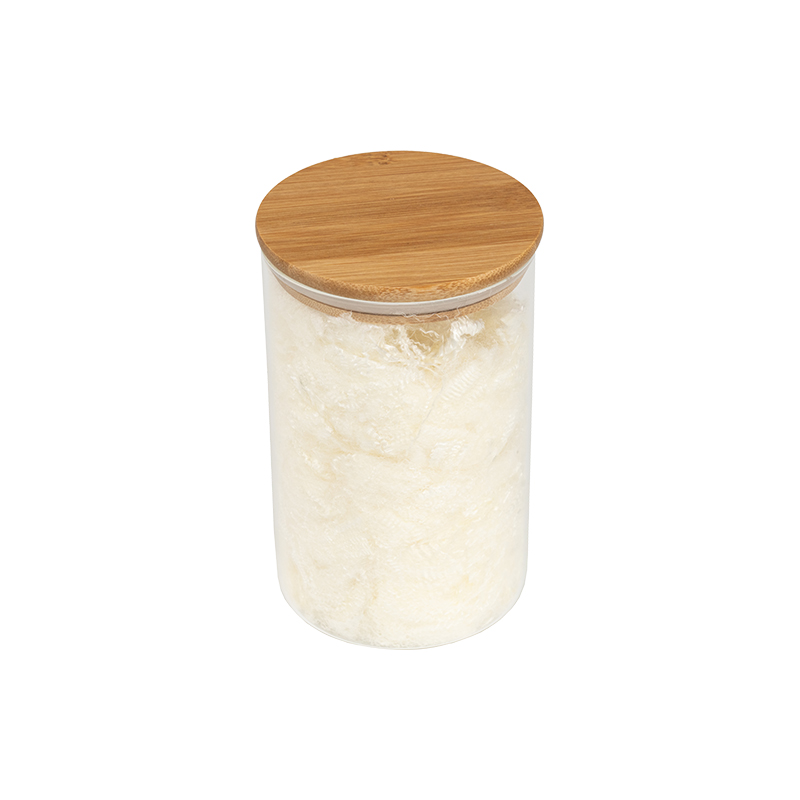
 Water-Soluble Island-In-Sea Nylon Fiber5.0D×51mm 36 islands 30% sea phase 70% island phase White Gray BlackView Product →
Nylon islands give the softer, more resilient hand that many shoe and bag applications call for, while polyester islands offer better dimensional stability and light resistance. Both are drawn to a consistent degree before they ever reach your line, so the sea dissolves at a predictable rate and the remaining microfibers come out even.
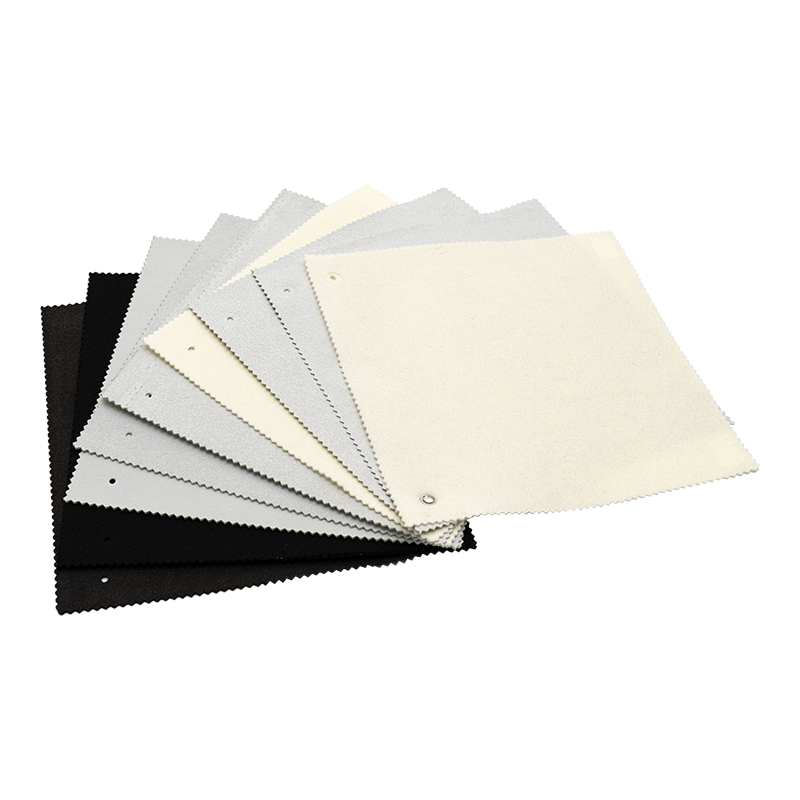
Not every production route starts with a yarn package. Some lines begin one step further along, with the fibre already formed into a web. The same drawing discipline applies, because the nonwoven web inherits the uniformity of the filaments it was built from.
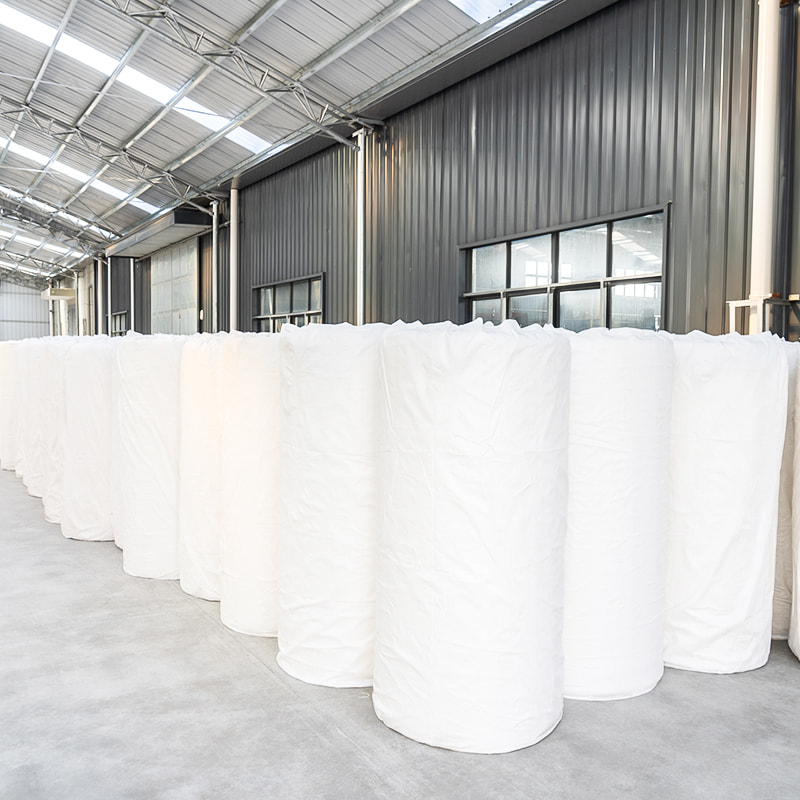 Water-Soluble Polyester Sea-Island Fiber Nonwoven FabricPVA sea-island nonwoven offering recyclable hot-water dissolution and a route to ultrafine fibers for leather-like and functional textile bases.View Product →
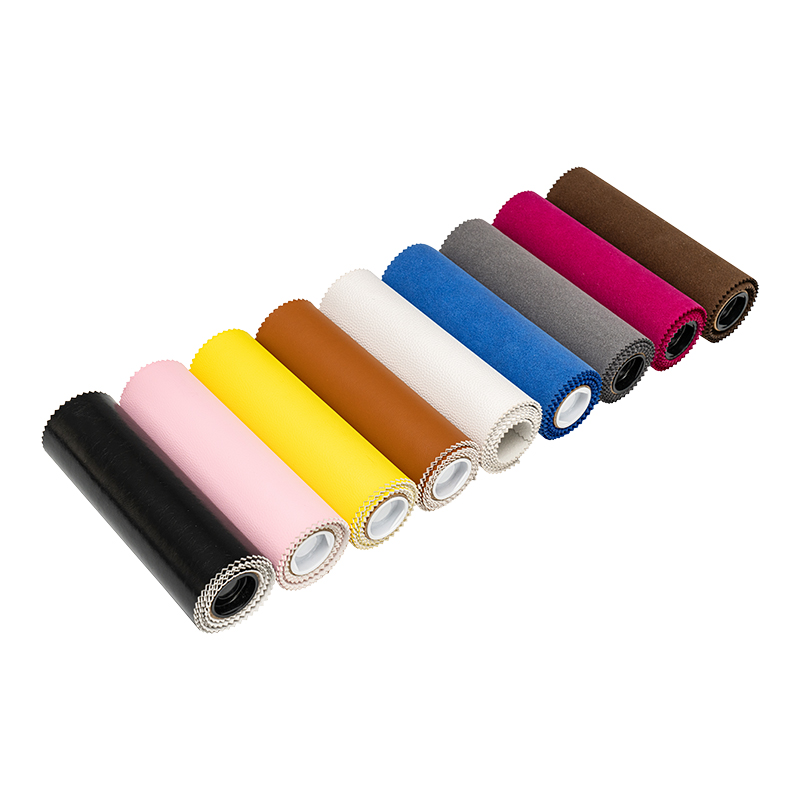
Further downstream, the split microfibers are consolidated into a base material that can be impregnated, buffed and finished into leather-like surfaces.
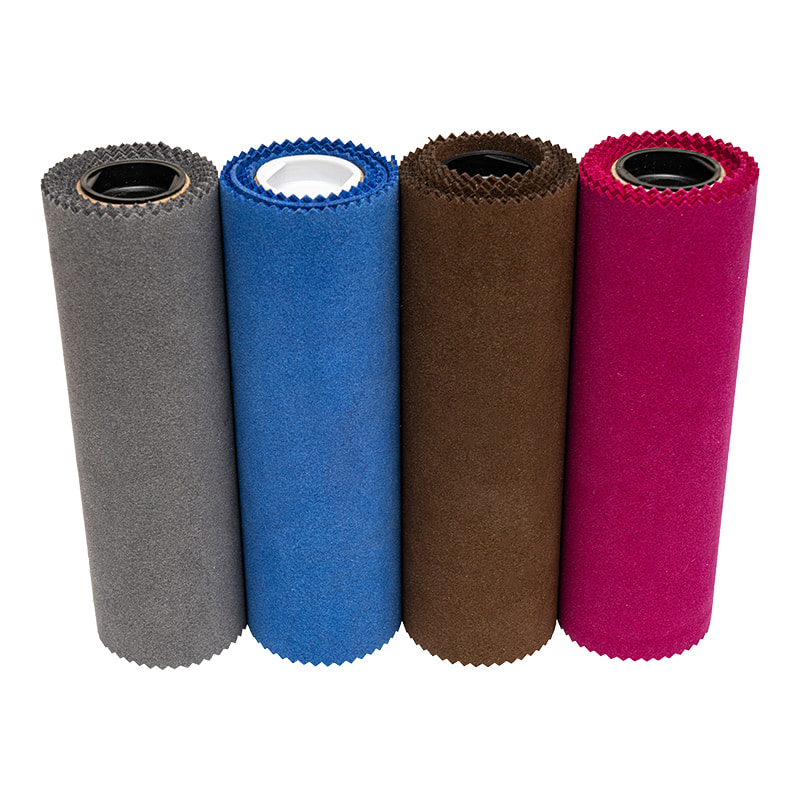 Water-Force Microfiber Fabric for Leather-Like Finished BasesWater-reduced microfiber base impregnated with polyurethane for soft, durable leather-like surfaces in footwear, furniture, automotive interiors, and apparel.View Product →
Following that chain from drawn filament to nonwoven web to finished base is the easiest way to see where quality is won or lost. A weak point at the drawing stage cannot be corrected later by finishing.
No. Filament yarn is the broad family of continuous yarns. FDY is one member of that family, defined by the fact that it has been fully drawn during spinning.
Technically it can, but it is an awkward route. Texturing works best on partially oriented yarn, so if you need bulk and stretch, POY is the logical starting point.
Not at all. Nylon, polypropylene and water-soluble PVA are all spun as FDY, and the choice of polymer usually matters more to the finished fabric than the drawing method does.
Understanding the FDY meaning is really about understanding one decision: whether a filament is drawn before it reaches you or on your own line. Getting that right saves rework, stabilises quality, and keeps your finishing parameters where you set them.
If you are specifying yarn or fibre for microfiber leather and want a straight answer about what will work on your equipment, our technical team is happy to walk through it with you. You can get in touch with our team and share your target denier, polymer and finishing conditions, and we will suggest a starting point.

In the world of textile manufacturing, the quest for vibrant, durable color that also meets modern sustainability standards has led to a quiet revolution in dyeing technology. Dope dyed fiber, often referred to as solution-dyed fiber, stands at the forefront of this change. It is a process that fun...
READ MORE
Introduction to Water-Soluble Sea-Island Fiber What is Water-Soluble Sea-Island Fiber? Water-soluble sea-islan...
What is Water-Soluble Island-in-the-Sea Fiber? Water-Soluble Sea-Island Fiber is a breakthrough material in th...
Introduction of Water-Force Microfiber Fabric What is Microfiber Fabric? Microfiber fabric is a type of textil...
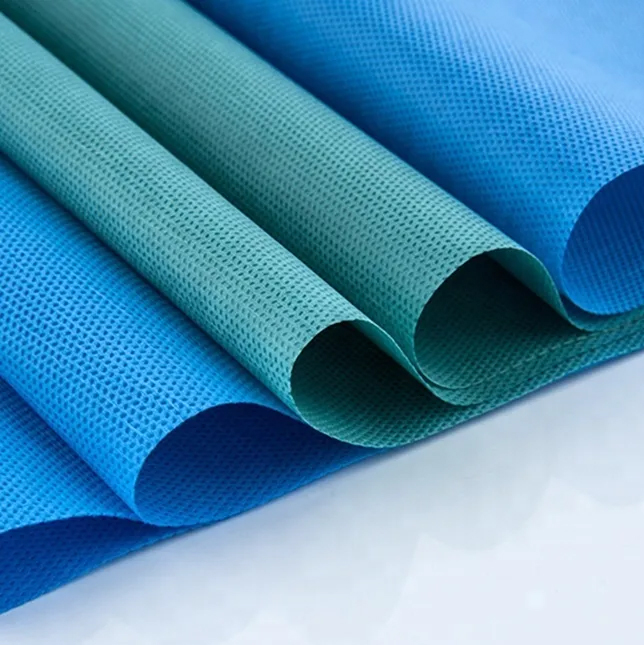
Introduction Water-soluble sea-island fiber nonwoven fabric is a groundbreaking innovation in the textile indu...
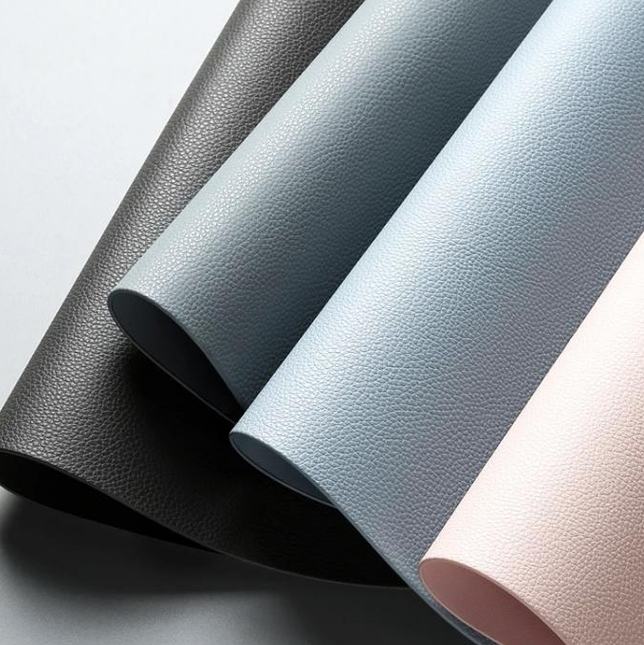
What is Water-Soluble Sea-Island Fiber? Definition and Basic Structure Water-soluble sea-island fiber is a spe...
LEMONTA Technology (ShangHai) Co., Ltd. All Rights Reserved. ALL RESERVED.
 Custom Bio-Based Water-Soluble Polyester Fiber Manufacturers
 英语
 中文简体