Two microfiber nonwovens can look nearly identical on the roll, yet one splits cleanly into fine, uniform filaments while the other leaves coarse bundles behind. The difference is rarely visible to the eye. It sits in the fiber chemical structure: the repeating molecular units, the bonds between them, and the way those chains are packed. Once you understand how chemistry governs fiber behavior, material selection becomes more predictable and pilot trials become shorter.
A fiber, whether natural or synthetic, is built from long polymer chains. The repeating unit defines the fiber's identity. Cellulose is a chain of beta-D-glucose units linked by beta-1,4-glycosidic bonds. Nylon 6 is a polyamide formed from caprolactam, with amide groups along the backbone. Polyester PET is produced by condensation of terephthalic acid and ethylene glycol, which creates ester linkages. Polyvinyl alcohol PVA carries hydroxyl side groups on a simple carbon backbone. These differences are not academic; they determine how a fiber absorbs moisture, how much heat it can withstand, and how it behaves in dyeing and finishing chemicals.
Equally important is how the chains are arranged. Highly ordered regions are called crystalline; disordered regions are called amorphous. Crystallinity gives strength, stiffness, and chemical resistance. Amorphous regions give flexibility and, in many polymers, greater access to water and dyes. The balance between these regions, together with the molecular orientation introduced during drawing, is what separates a brittle fiber from a tough one.
| Fiber | Repeating unit | Key functional group | Practical behavior |
|---|---|---|---|
| Cellulose | Beta-D-glucose | Hydroxyl, glycosidic | Hydrophilic, insoluble, highly crystalline |
| Nylon 6 (PA6) | Caprolactam | Amide | Tough, hydrophilic, melt-spinnable |
| PET polyester | Ethylene terephthalate | Ester | Hydrophobic, dimensionally stable |
| PVA | Vinyl alcohol | Hydroxyl | Water-soluble, good film-forming ability |
Every specification on a fiber datasheet traces back to chemistry. Tensile strength depends on molecular weight and the number of load-bearing bonds in the crystalline regions. Elongation at break reflects chain flexibility and the tie molecules that connect crystals. Moisture regain tracks the density of polar groups: nylon and PVA carry amide or hydroxyl groups that attract water, while PET's ester groups are weakly polar and leave the fiber comparatively dry.
Thermal and chemical behavior follow the same logic. Strong hydrogen bonding between chains raises softening and melting response, which is why nylon withstands high-temperature dyeing and why PVA must be processed in a narrower temperature window. Chemical resistance is bond-specific. PET resists most acids but hydrolyzes in strong alkali. Nylon is attacked by strong acids but tolerates mild alkali. PVA dissolves in water before most chemicals can affect it. These are not random properties; they are direct consequences of the fiber chemical structure.
Water solubility is a structural feature, not a processing trick. PVA dissolves because water molecules penetrate the amorphous regions and form hydrogen bonds with the hydroxyl groups, gradually pulling the polymer chains apart. Partially hydrolyzed PVA grades dissolve in cold water; fully hydrolyzed grades need hot water because their stronger inter-chain hydrogen bonds keep the crystalline regions intact until the temperature rises. PET and nylon, in contrast, have no water-compatible groups along the backbone to enable dissolution. Their resistance to water is what makes them dimensionally stable in wet processing.
This contrast in solubility is the entire basis of water-soluble sea-island fiber technology. The sea is a water-soluble PVA matrix. The islands are fine filaments of nylon or polyester embedded in that matrix. The two polymers are co-spun and drawn into a fiber that looks ordinary from the outside but contains dozens of discrete microfilaments inside. In hot water, the sea dissolves away and the islands remain as microfibers with diameters far smaller than anything that can be spun directly. The dissolution step is usually carried out in water at a controlled temperature and flow rate, so the PVA grade must be matched to the operating window of the production line.
The usefulness of a sea-island fiber depends on how cleanly the sea separates from the islands. That separation starts with the choice of PVA grade. The degree of hydrolysis and molecular weight of the PVA determine the dissolution temperature and the speed of splitting. The island polymer, whether nylon or polyester, must be immiscible with PVA so that the two form distinct domains during melt spinning rather than blending into a single phase. Viscosity matching at the spinneret matters as well; if the two polymers flow too differently, the island distribution becomes irregular and the average microfiber count per filament drops.
This is where production experience shows up in the final product. LEMONTA's balanced spinning technology keeps the sea-island ratio and the island distribution within tight tolerances, so the fiber splits evenly and the resulting microfibers stay uniform. For applications that emphasize softness and abrasion resistance, such as apparel-grade artificial leather, a water-soluble nylon sea-island fiber is the preferred starting point. For products that need stiffness, crease recovery, and resistance to stretching, such as upholstery and automotive interior materials, a water-soluble polyester sea-island fiber usually delivers better results. Both are available with controlled island counts tailored to the target microfiber fineness.
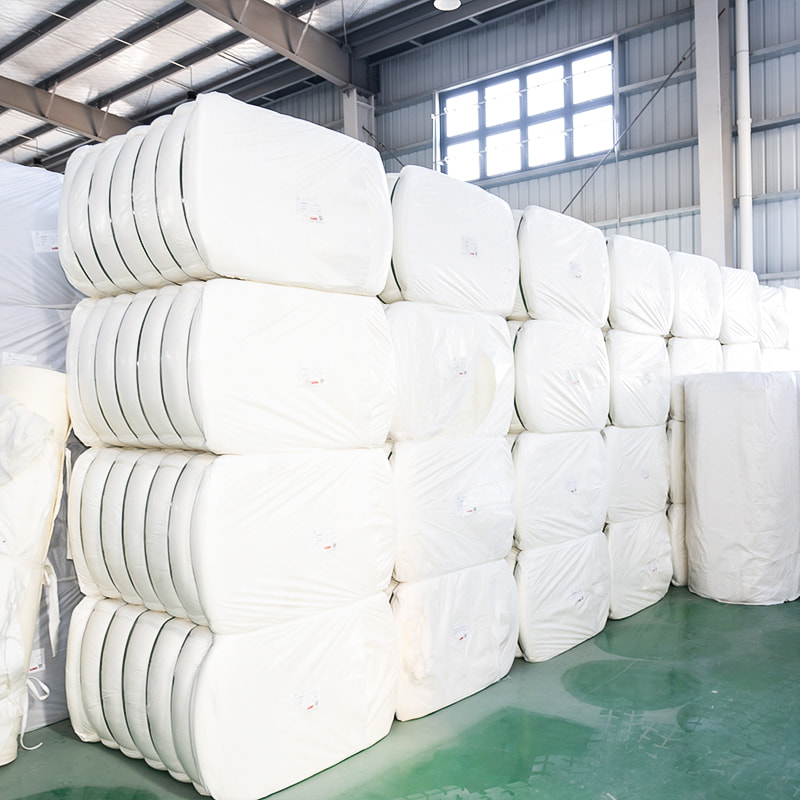 Water-Soluble Sea-Island Polyester Fiber Manufacturers, FactorySHANGHAI LEMONTA TECHNOLOGY CO., LTD. is China water-soluble sea-island polyester fiber manufacturers and factory, we wholesale water-sol...View Product →Water-Soluble Island-In-Sea Nylon Fiber Manufacturers, FactoryAs China water-soluble island-in-sea nylon fiber manufacturers and water-soluble sea island nylon fiber factory, SHANGHAI LEMONTA TECHNOL...View Product →
If you are evaluating alternative suppliers, the datasheet tells only part of the story. The following points will help you translate chemistry claims into production performance:
Understanding the chemistry also makes sustainability claims easier to evaluate. The molecular design of water-soluble sea-island fiber is inherently different from solvent-based microfibers: no toluene, no DMF, and no strong alkali are required to release the islands. For a closer look at how this chemistry drives production results, see why water-soluble sea-island fiber is key to ultrafine microfiber production.
The same chemistry carries through when the fiber is processed into a fabric. For production teams that want to remove fiber opening and carding from their line, a water-soluble nylon sea-island fiber nonwoven provides a ready-made structure for direct splitting and finishing. Whichever form you choose, the first step is the same: understand the fiber chemical structure behind the product, then verify it on your own equipment. If you are planning a new microfiber program or troubleshooting an existing one, contact our technical team to discuss the right chemistry for your process.
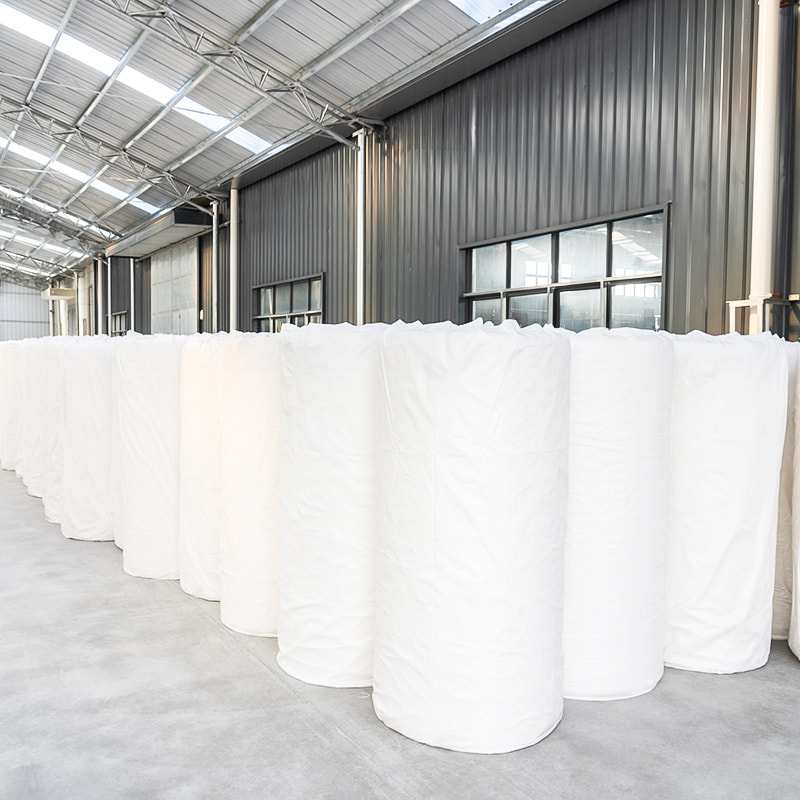 Water-reduced Sea-Island Fiber Needle-Punched Nonwoven Fabric FactoryAs China water-soluble nylon island fiber nonwoven fabric manufacturers and factory, SHANGHAI LEMONTA TECHNOLOGY CO., LTD. wholesale wate...View Product →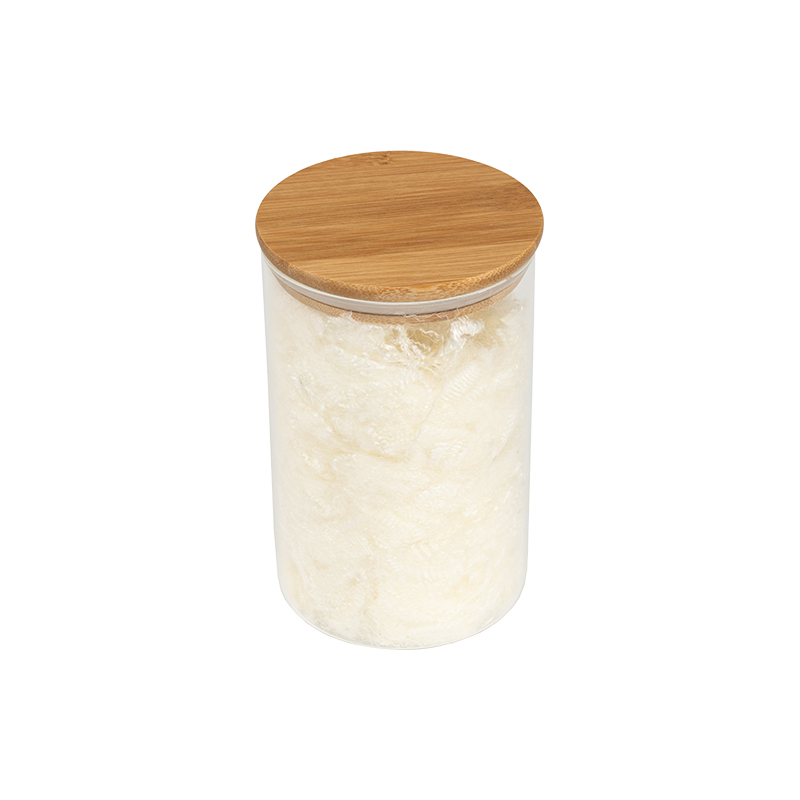
Quick Answer: How Water-Soluble Polymers Transform Sea Island Fiber into Suede-Like Fabrics Water-soluble sea island fiber uses a dissolvable polymer—typically polyvinyl alcohol (PVA) or copolyester (COPET)—as the "sea" component surrounding hundreds of ultra-fine "island" filaments made of nylon o...
READ MORE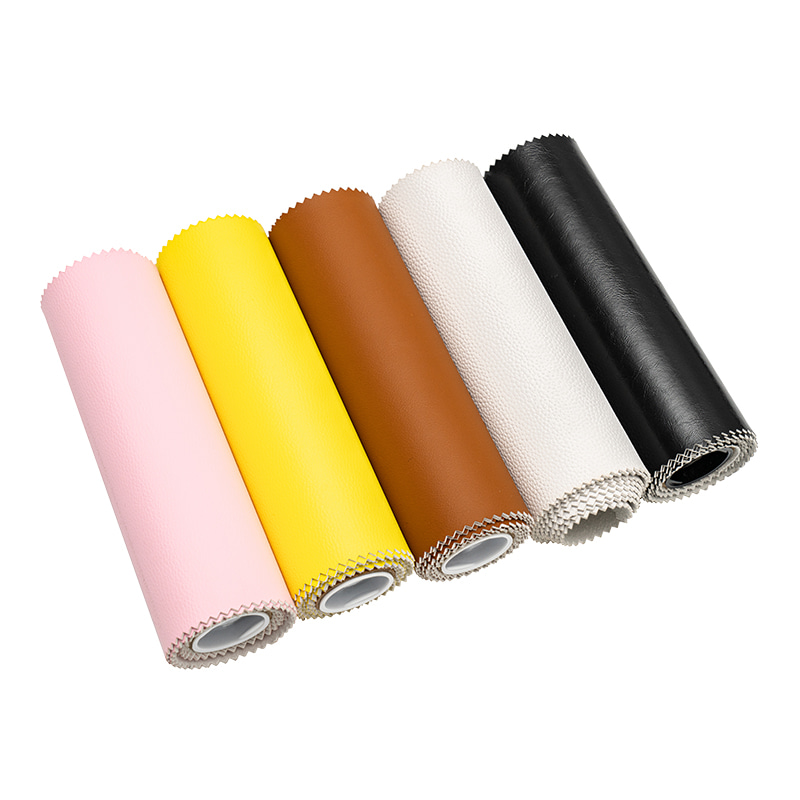
Introduction to Water-Soluble Sea-Island Fiber What is Water-Soluble Sea-Island Fiber? Water-soluble sea-islan...
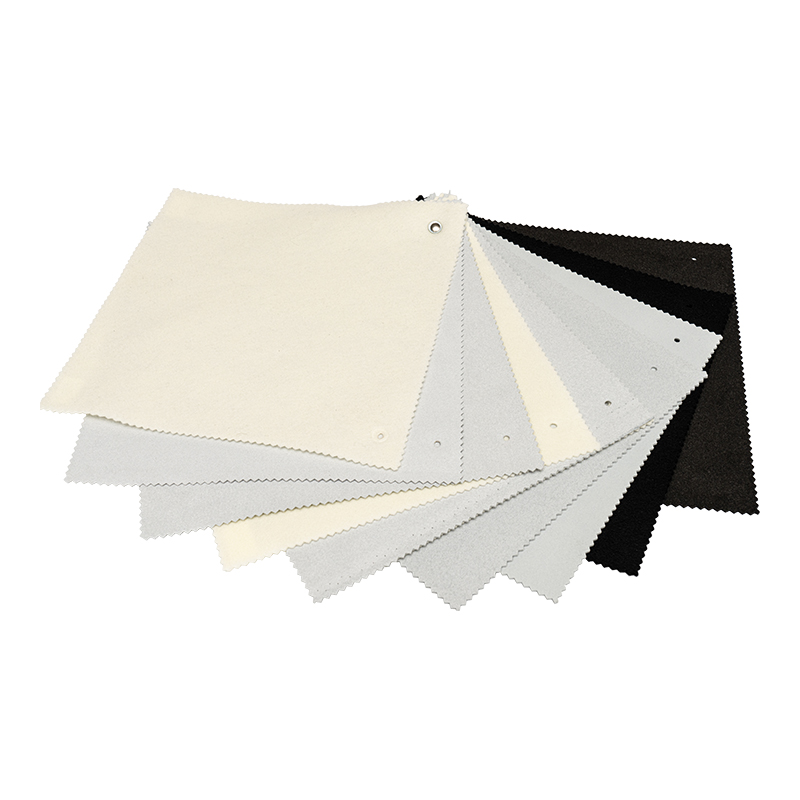
What is Water-Soluble Island-in-the-Sea Fiber? Water-Soluble Sea-Island Fiber is a breakthrough material in th...
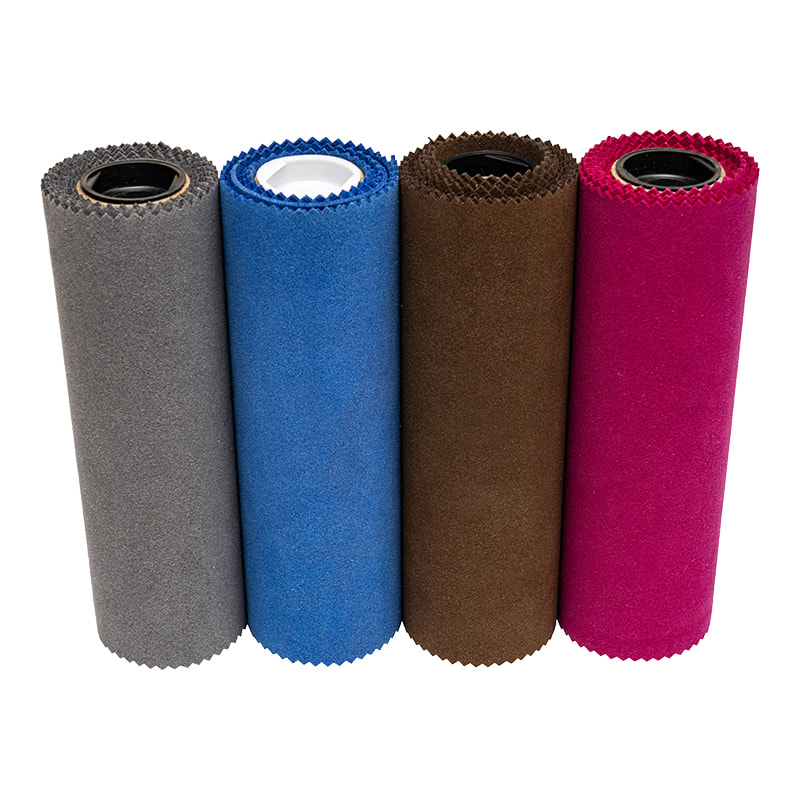
Introduction of Water-Force Microfiber Fabric What is Microfiber Fabric? Microfiber fabric is a type of textil...
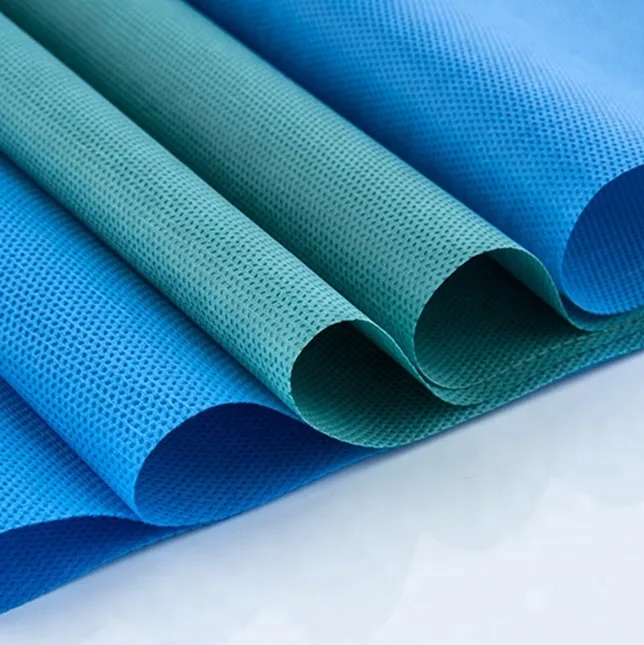
Introduction Water-soluble sea-island fiber nonwoven fabric is a groundbreaking innovation in the textile indu...
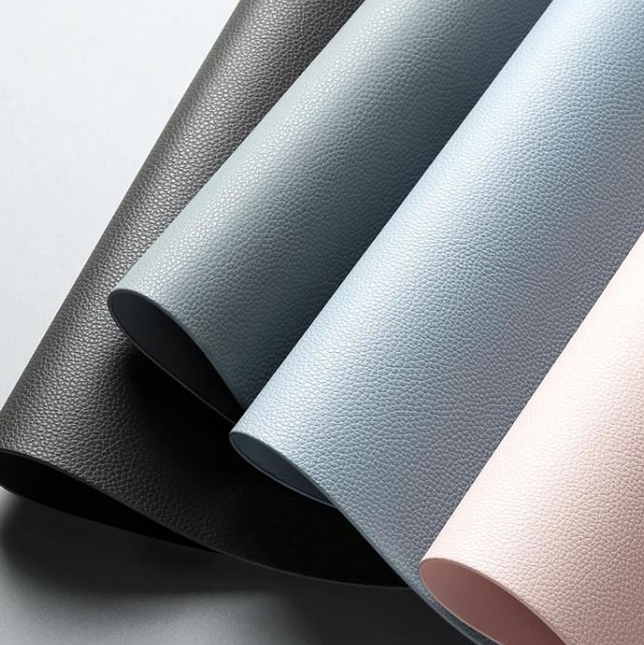
What is Water-Soluble Sea-Island Fiber? Definition and Basic Structure Water-soluble sea-island fiber is a spe...
LEMONTA Technology (ShangHai) Co., Ltd. All Rights Reserved. ALL RESERVED.
 Custom Bio-Based Water-Soluble Polyester Fiber Manufacturers
 英语
英语 中文简体
中文简体