Every time a synthetic garment goes through a wash cycle, hundreds of thousands of microscopic fibres can break away. Those fibres are drawn into wastewater, and a significant share eventually reaches rivers and oceans. For textile manufacturers, this is no longer a theoretical issue. Microfibre shedding is now measured in laboratories, referenced in retail specifications, and increasingly used as a criterion for material selection. The practical challenge is how to test it accurately and what to do with the results.
At its core, microfibre testing answers one question: how much fibre does a fabric lose when it is washed? A specimen is placed in a controlled laundering apparatus, usually with a filter system to capture the released fibres. After the wash cycle, the collected material is dried, weighed, and in some methods counted or characterised. The result is a quantitative measurement of fibre shedding under defined conditions.
The measurement protocol matters as much as the number it produces. A test standard specifies how the sample is prepared, how many wash cycles are run, what type of water and detergent are used, and how the released fibres are collected. Without this standardisation, two laboratories can arrive at very different results for the same fabric. That is why working with a recognised standard is not just a compliance exercise; it is the only way to make meaningful comparisons between materials.
The most widely referenced microfibre testing methods are the ISO 4484 series and AATCC TM212-2021. Each has a different focus and is suited to a different stage of the product cycle, so choosing the right one is the first step towards useful data.
| Standard | Scope | What It Measures | Typical Use |
|---|---|---|---|
| ISO 4484-1 | Material loss from fabrics during washing | Mass of fibres shed | Fabric development and benchmarking |
| ISO 4484-2 | Qualitative and quantitative analysis of microplastics | Fibre count, particle identification | Environmental impact assessment |
| ISO 4484-3 | Material mass released from textile end products | Mass of fibres from finished goods | Finished product compliance |
| AATCC TM212-2021 | Fiber fragment release during home laundering | Mass of fibre fragments | North American retail requirements |
For early-stage fabric development, ISO 4484-1 provides a direct mass-based comparison that is easy to interpret. For finished-product compliance, ISO 4484-3 or AATCC TM212-2021 may be more appropriate, depending on the target market.
The TMC test method, developed by The Microfibre Consortium, is another recognised industry protocol. It simulates domestic laundering and focuses on quantifying fibre release from the initial wash. It is designed to be accurate, reliable, reproducible, and scalable, making it practical for accredited laboratories.
In Europe, DIN SPEC 4872 is also referenced for a broader microfiber impact assessment that includes fibre release, degradation in wastewater, and potential environmental harm. Understanding the differences between these methods prevents costly mistakes when comparing data from multiple suppliers.
A single test result does not tell the full story. Shedding behaviour varies by wash cycle, fabric construction, and test method, and the interpretation has to reflect that.
For a purchasing or technical team, the most useful output is a repeatable value that can be benchmarked across suppliers, tracked over time, and used as the basis for material decisions. This is especially important when a brand is building a quantitative case for a change in raw material sourcing.
Fibre shedding is influenced from the very first stage of material selection. The number of filaments, filament fineness, and the way fibres are split during processing all affect how easily fragments detach.
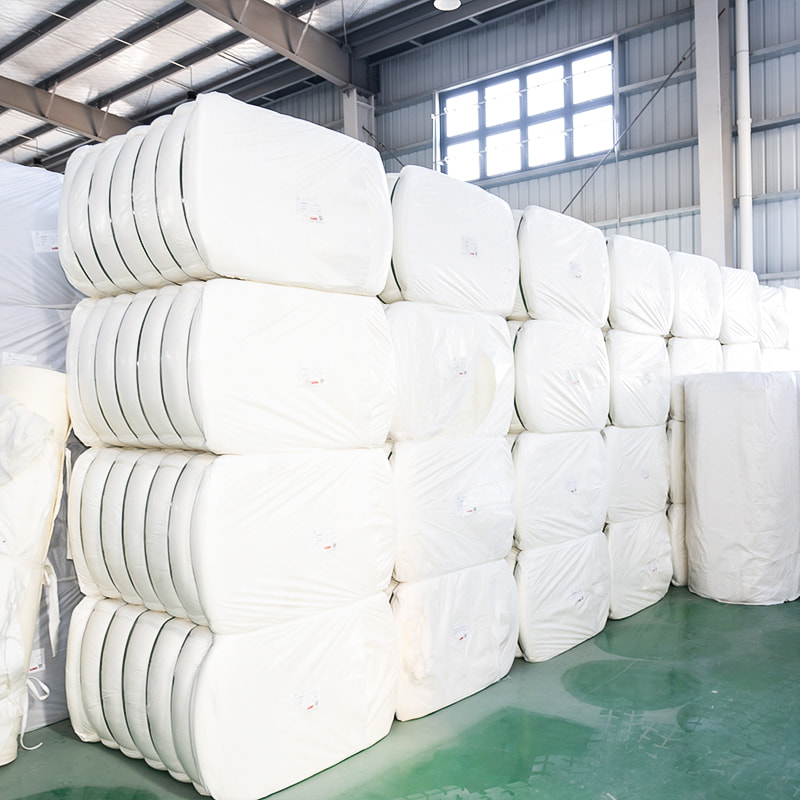 Water-Soluble Island-In-Sea Nylon Fiber for Clean Microfiber ProductionThis water-soluble island-in-sea nylon fiber enables precise splitting of ultra-fine filaments without chemical reduction, reducing loose fragments. Its bright color and recyclable PVA sea phase support sustainable, low-shedding microfiber manufacturing.View Product →
In island-in-sea fibre construction, the island component is split into very fine filaments through a controlled process. When this splitting is uniform and complete, the resulting microfiber structure is more coherent and less likely to release loose fragments. For manufacturers producing microfibre leather or technical textiles, the water-soluble island fibre choice matters because it determines how predictably the microfibers are formed.
The production route for microfiber materials also affects the finished product's shedding behaviour. Solvent-based processes can leave residues on fibre surfaces and produce less uniform splitting. Water-based processes, which use water as the medium for fibre separation, avoid those issues and create a cleaner fibre surface.
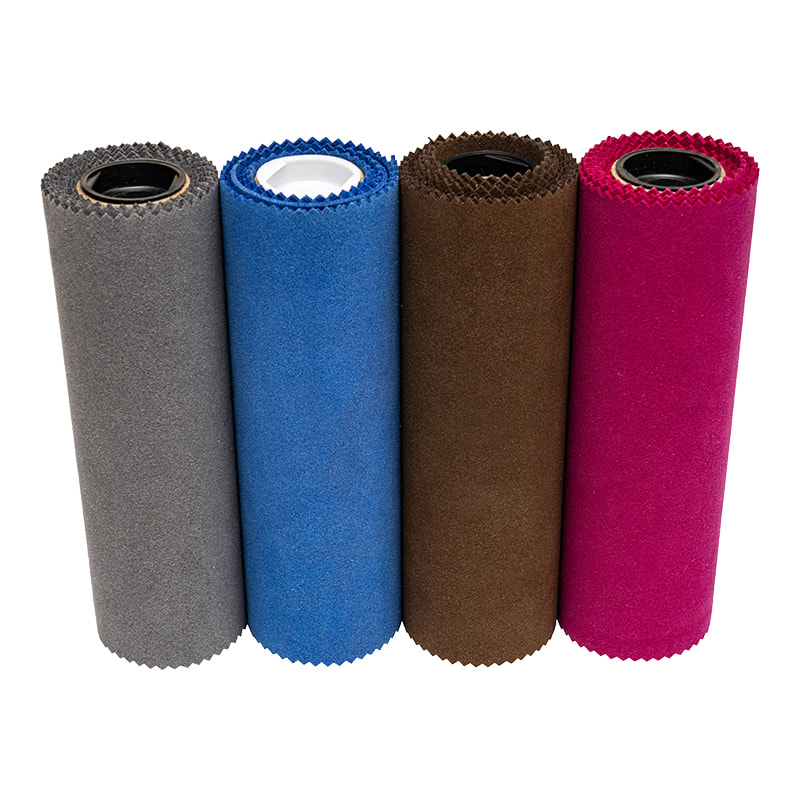 Water-Force Microfiber Fabric with Water-Based ProcessingMade from water-reduced island fiber and water-force polyurethane, this microfiber base avoids solvent residues, ensuring cleaner surfaces and more consistent test results. Ideal for high-end footwear, furniture, and automotive applications.View Product →
A fabric with a cleaner surface and a more uniform fibre structure will show more consistent results when tested. Variability in microfibre test data is often a sign of upstream inconsistency in the base material. A water-based microfiber base improves fibre consistency and reduces the solvent-related contamination that can affect both test outcomes and downstream processing.
Reducing microfibre shedding is not a single fix. It requires a structured approach that covers material selection, process control, and ongoing verification.
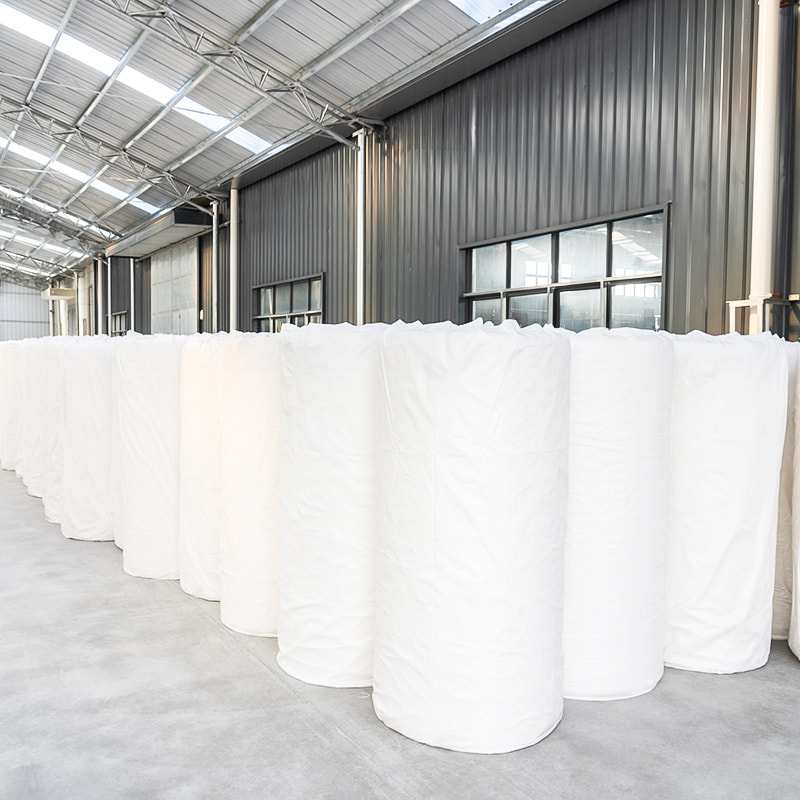 Water-Soluble Nylon Island Fiber Nonwoven FabricThis needle-punched nonwoven, produced via water-soluble sea-island technology, yields a porous, high-surface-area structure. It reduces microfiber shedding by dissolving the sea component, offering eco-friendly filtration with 99.9% air filtration efficiency.View Product →
For teams that want to reduce shedding at the source, changing the base fibre is usually more effective than trying to compensate at the finishing stage. The right fibre construction, combined with a stable manufacturing process, produces data you can defend and a product that performs consistently over time.
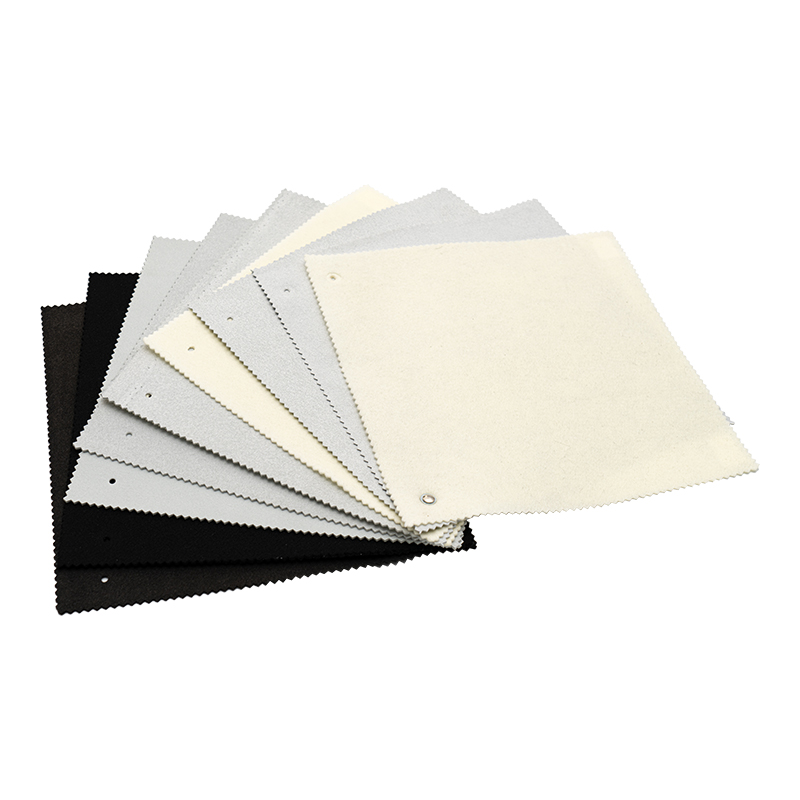
Two microfiber nonwovens can look nearly identical on the roll, yet one splits cleanly into fine, uniform filaments while the other leaves coarse bundles behind. The difference is rarely visible to the eye. It sits in the fiber chemical structure: the repeating molecular units, the bonds between th...
READ MORE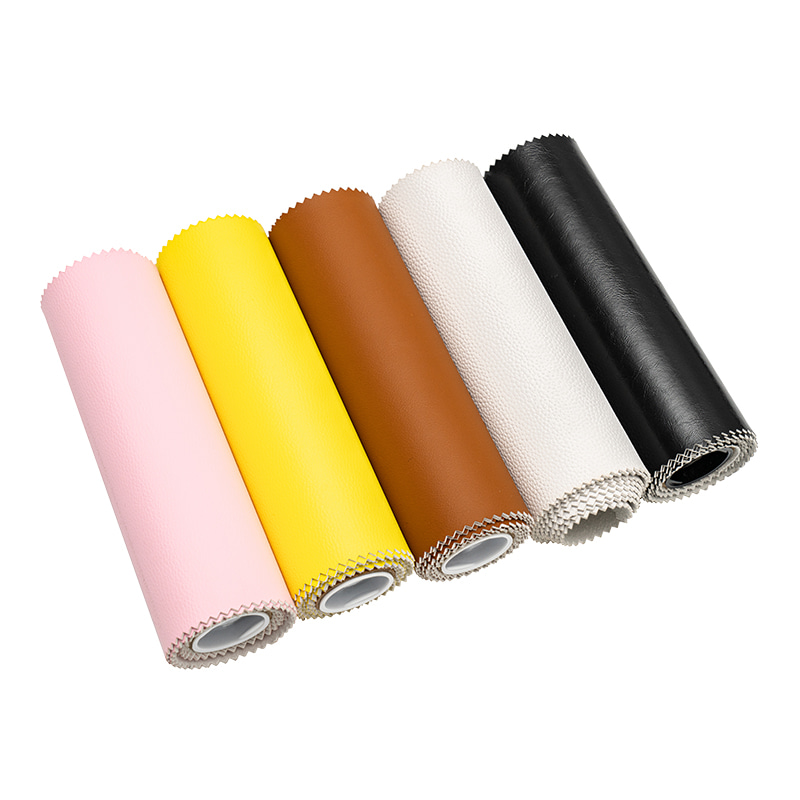
Introduction to Water-Soluble Sea-Island Fiber What is Water-Soluble Sea-Island Fiber? Water-soluble sea-islan...
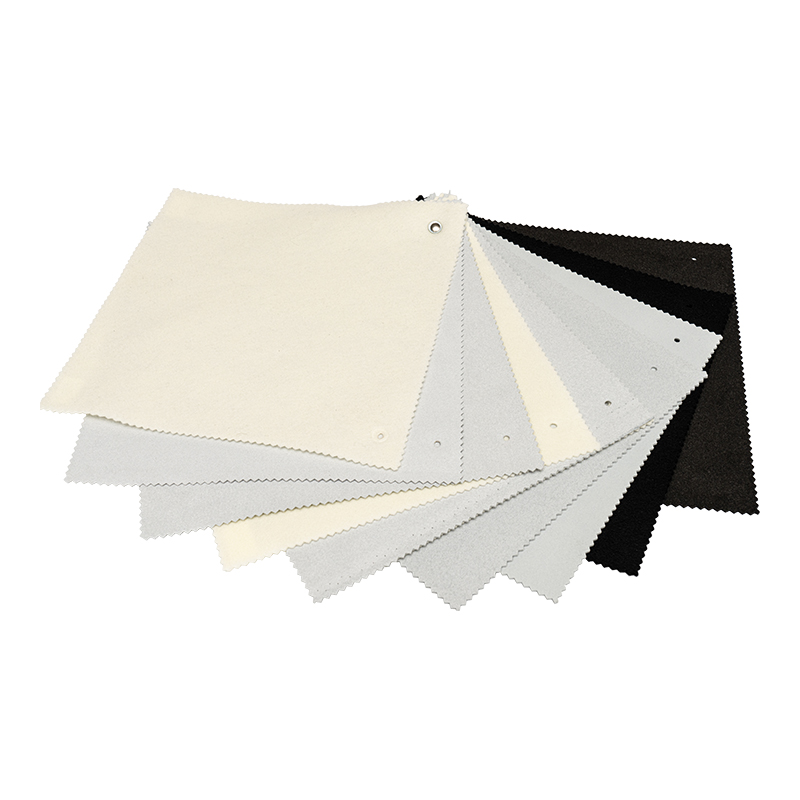
What is Water-Soluble Island-in-the-Sea Fiber? Water-Soluble Sea-Island Fiber is a breakthrough material in th...

Introduction of Water-Force Microfiber Fabric What is Microfiber Fabric? Microfiber fabric is a type of textil...
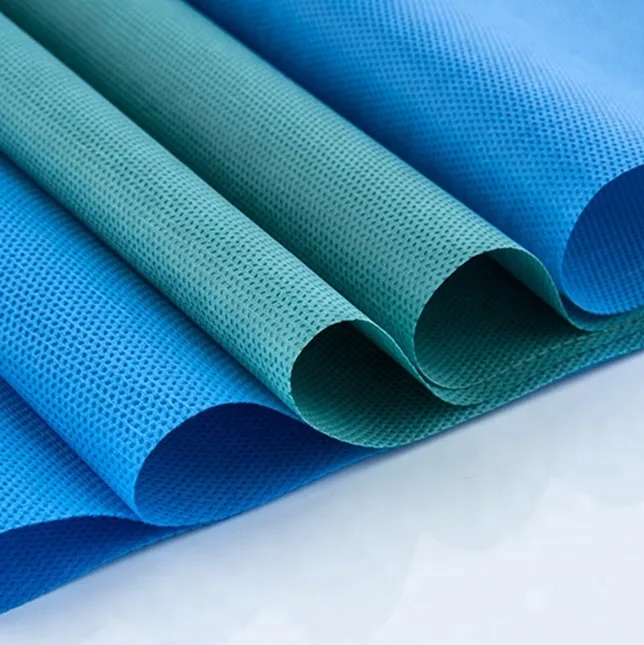
Introduction Water-soluble sea-island fiber nonwoven fabric is a groundbreaking innovation in the textile indu...
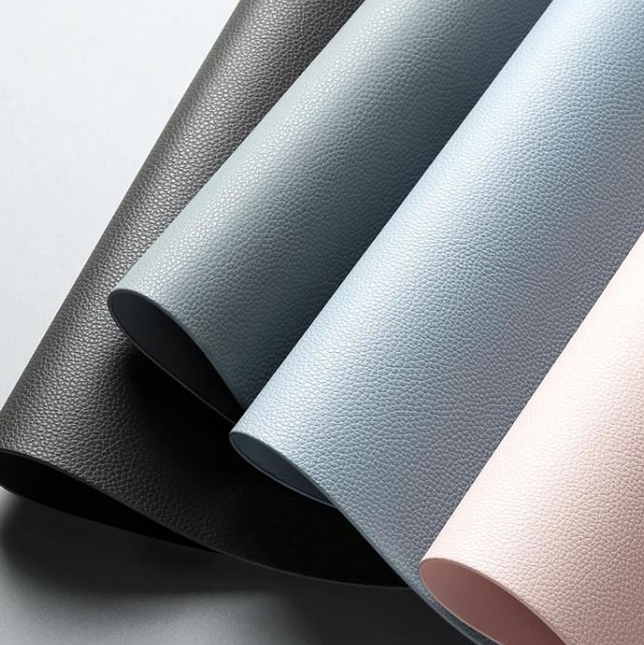
What is Water-Soluble Sea-Island Fiber? Definition and Basic Structure Water-soluble sea-island fiber is a spe...
LEMONTA Technology (ShangHai) Co., Ltd. All Rights Reserved. ALL RESERVED.
 Custom Bio-Based Water-Soluble Polyester Fiber Manufacturers
 英语
英语 中文简体
中文简体