

 英语
英语 中文简体
中文简体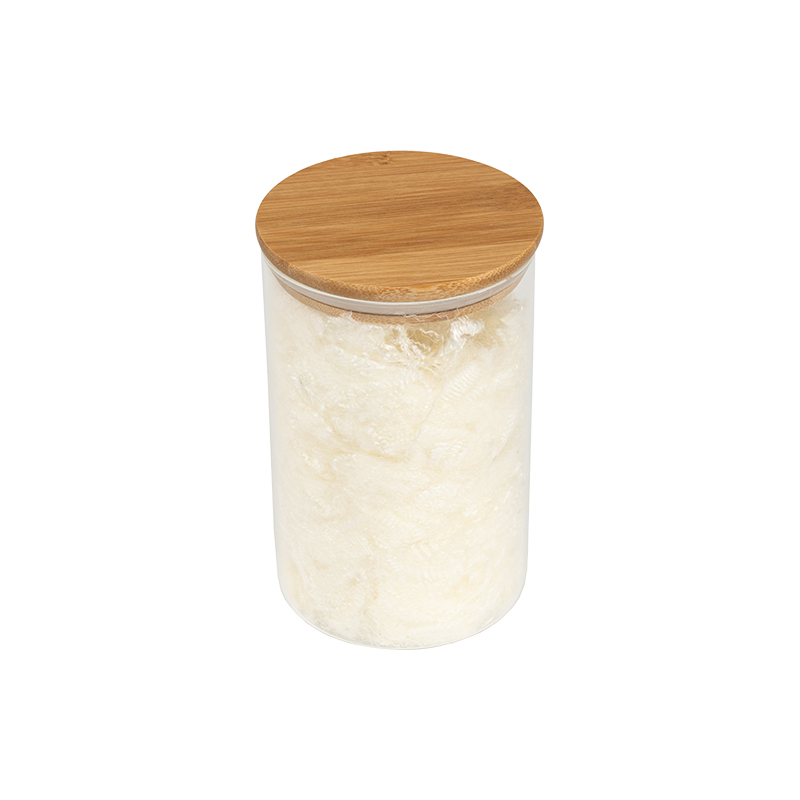
PVA Material Technical Data
| Property | Standard Specification |
|---|---|
| Polymer Base | High-Purity Polyvinyl Alcohol (PVA) |
| Solubility Threshold | Fully Dissolves at ≥ 95°C |
| Recovery Rate | Up to 98% in Closed-Loop Systems |
| Melting Point | 180°C - 220°C (Adjustable) |
| Viscosity Range | 5.0 - 45.0 mPa.s |
| Environmental Impact | Non-Toxic, Biodegradable in Soil/Water |
| Compatibility | Excellent with PA6, PA66, and PET |
Diverse Application Range
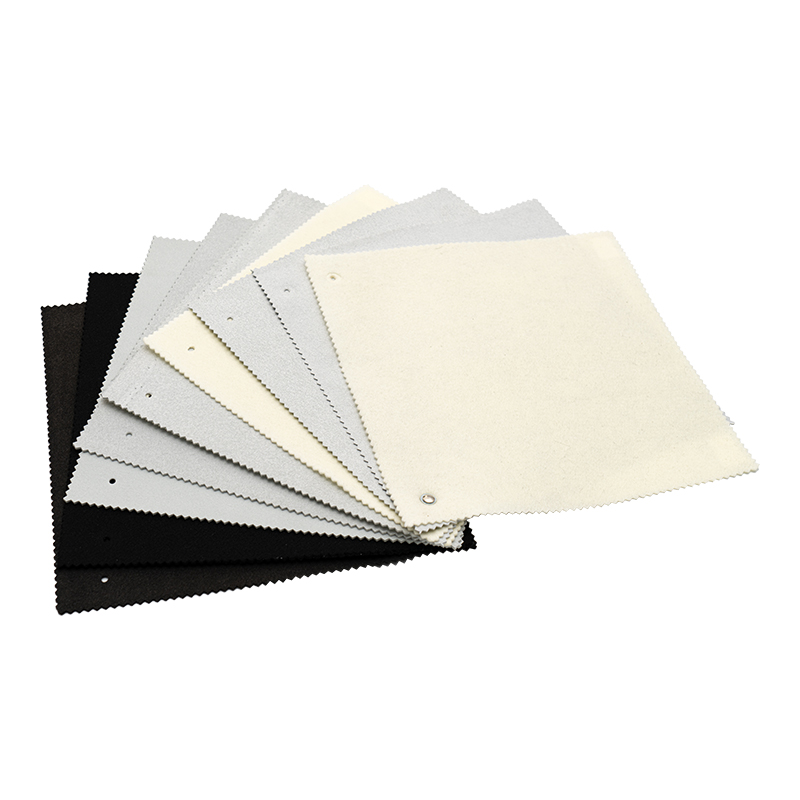
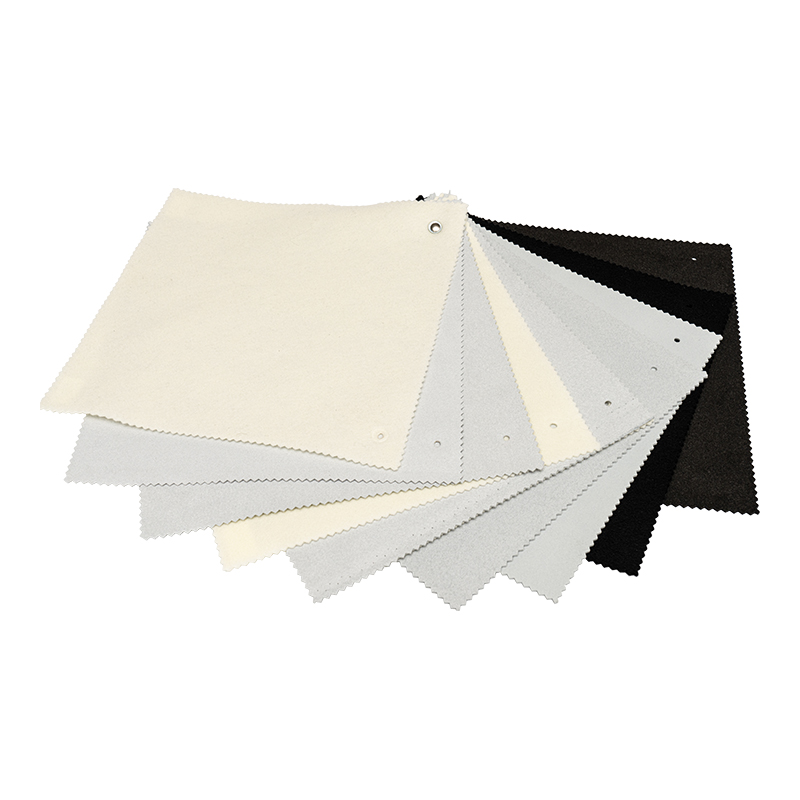
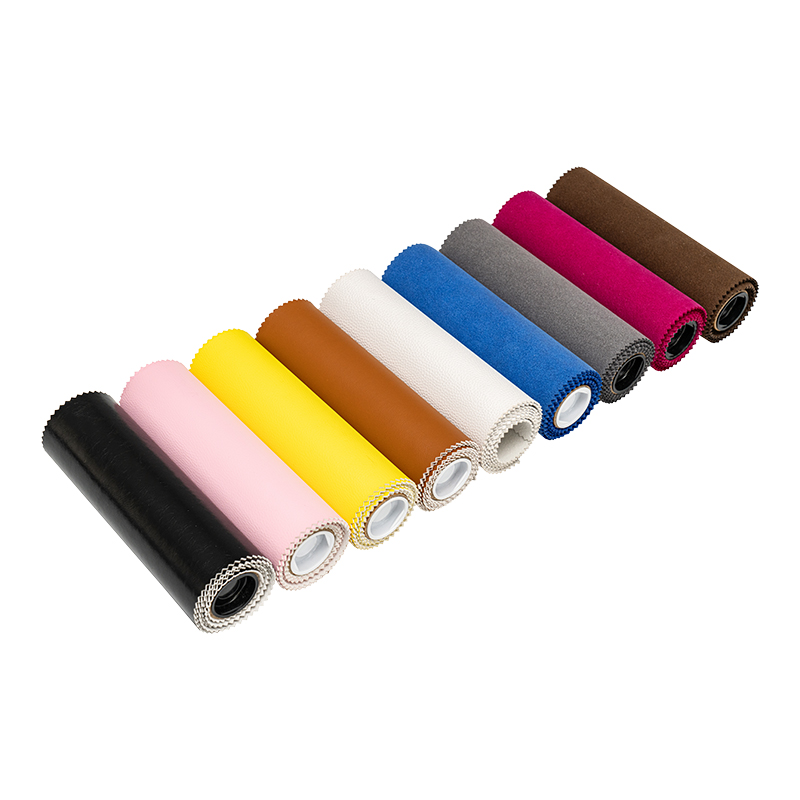
Recyclable PVA Fiber Materials are primarily utilized as the matrix component in the production of ultra-fine microfiber bases. This base is the essential starting point for high-quality synthetic suede used in fashion, electronics cases, and luxury jewelry packaging. Because the PVA is completely removed, the resulting "island" fibers are incredibly soft and flexible, allowing for a fabric that drapes perfectly. Beyond the textile industry, our recyclable PVA is used in Compostable Nonwoven Fabrics and temporary structural supports for advanced 3D textile weaving, where a sacrificial element is required to maintain shape during the manufacturing process.
In the Laundry and Hygiene sector, specialized versions of our PVA fibers are used to create water-soluble bags and medical laundry sacks. These are critical in hospitals to prevent the spread of infection, as the entire bag (along with the contaminated linens) can be placed directly into a hot-water wash, where the bag dissolves completely. The recyclability of the PVA in these large-scale applications offers a massive reduction in the total plastic waste generated by healthcare facilities.
Sustainability & Technical Benefits
- Waste Valorization: Turns what was once a pollutant into a valuable secondary raw material through high-efficiency recovery.
- Zero Microplastic Leaching: Unlike standard plastics, dissolved PVA is biodegradable and does not contribute to long-term microplastic pollution in water systems.
- Gentle Processing: The thermal properties of our PVA allow for stable spinning at lower temperatures, preserving the molecular integrity of the island fiber.
- Solvent-Free Environment: Simplifies factory layout by removing the need for solvent storage, distillation, and explosion-proofing.
- High Island Density: Supports up to 37, 64, or even more "islands" per fiber, resulting in a much finer microfiber than traditional methods.
Procurement & Logistic Solutions
We provide Recyclable PVA Fiber Materials in various forms, including staple fibers and masterbatch chips, to suit your specific machinery. We offer Technical On-site Support for clients looking to integrate PVA recovery systems into their existing production lines. Payment terms are L/C at sight or T/T. Shipping is managed via our strategic location in the Qianwan New Area, offering rapid access to global shipping lanes. All PVA materials are shipped in hermetically sealed, moisture-proof packaging to prevent premature dissolution or degradation during storage in humid climates.
- Q: Is special plumbing required to handle dissolved PVA?
- A: Standard industrial drainage is usually sufficient, but to maximize the "recyclable" benefit, we recommend a simple filtration and concentration unit to capture the PVA before it reaches the waste stream.
- Q: Does PVA fiber affect the dyeing of the remaining microfiber?
- A: No. Once the PVA is washed out with hot water, the remaining nylon or polyester fiber is exceptionally clean and ready for dyeing, often resulting in better color depth.
- Q: What is the shelf life of the PVA fiber?
- A: When stored in its original moisture-proof packaging in a cool, dry place, the fiber remains stable for at least 12-18 months.